Explore the Exciting World of Portugal Bowls
Have you ever walked into a kitchen and felt an instant sense of warmth? There is something truly magical about the way authentic Mediterranean craftsmanship transforms a simple meal into a memorable event. Many home cooks are now discovering the timeless appeal of these vibrant, hand-painted pieces.
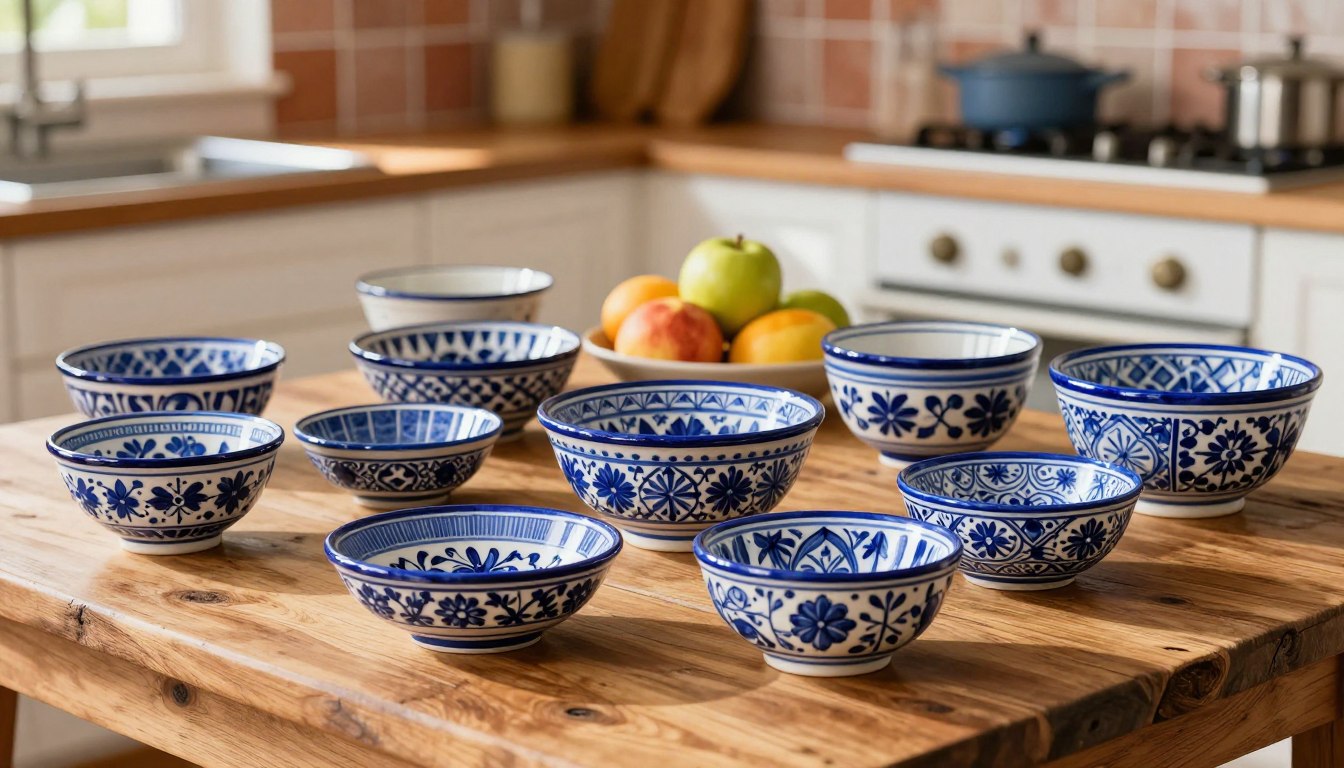
When you bring portugal bowls into your home, you are doing more than just buying kitchenware. You are inviting a piece of rich history and artistic tradition onto your dining table. These items are famous for their bold colors and intricate patterns that brighten any room.
The durability of ceramic portugal bowls makes them a perfect choice for both daily use and special gatherings. They offer a unique blend of functionality and style that is hard to find elsewhere. Whether you are serving a fresh salad or a hearty soup, these vessels add a touch of elegance to every bite.
Are you ready to elevate your dining experience? Let us dive into what makes these treasures a must-have for your collection.
The Cultural Significance of Portugal Bowls
The cultural significance of Portugal Bowls extends far beyond their functional use, embodying a blend of tradition and leisure. These bowls are not merely decorative or utilitarian objects; they are carriers of cultural heritage and symbols of community bonding.
Portugal Bowls have been an integral part of Portuguese life for centuries, serving as more than just tableware. They represent a connection to the past, a celebration of craftsmanship, and a testament to the country’s rich cultural tapestry.
Origins of the Sport in Portuguese Communities
The tradition of crafting and using Portugal Bowls originated in the heart of Portuguese communities. Artisans would meticulously create these bowls, often using techniques passed down through generations. The bowls were not only used in daily life but also played a significant role in cultural and social gatherings.
The craftsmanship involved in creating these bowls is a reflection of the community’s values and traditions. Each bowl is a testament to the artisan’s skill and dedication to their craft.
| Region | Traditional Design | Cultural Significance |
|---|---|---|
| Alentejo | Simple, earthy tones | Reflects the region’s rustic heritage |
| Algarve | Vibrant colors and floral patterns | Symbolizes the region’s rich maritime history |
| Minho | Intricate patterns and bright colors | Represents the region’s festive and cultural celebrations |
The Intersection of Craft and Leisure
Portugal Bowls beautifully illustrate the intersection of craft and leisure. The process of creating these bowls is a labor of love, requiring patience, skill, and attention to detail. The end product is not just a functional item but a piece of art that brings joy and beauty to those who use it.
The use of Portugal Bowls in leisure activities, such as family gatherings and traditional meals, further underscores their cultural significance. They are often at the center of social interactions, fostering a sense of community and togetherness.
In conclusion, Portugal Bowls are a cultural treasure that embodies the spirit of Portuguese communities. Their significance extends beyond their aesthetic appeal, representing a connection to heritage, community, and tradition.
Understanding the Traditional Sport of Portugal Bowls
The traditional sport of Portugal bowls is a fascinating blend of skill, strategy, and community. This sport, deeply ingrained in Portuguese culture, is played with enthusiasm and dedication. To appreciate the sport fully, it’s essential to understand its rules, gameplay mechanics, and the necessary equipment.
Rules and Gameplay Mechanics
The game of Portugal bowls involves rolling bowls towards a target ball, known as the “jack.” The objective is to get your bowls closer to the jack than your opponent’s. The game requires strategy, as players need to consider the terrain and the position of the bowls and the jack.
Key rules include:
- The game is typically played between two teams.
- Each player rolls their bowls towards the jack.
- The team with the bowl closest to the jack scores points.
- The game continues until all bowls are rolled, and the team with the most points wins.
The gameplay mechanics involve a combination of skill and luck. Players must deliver their bowls with the right speed and direction to outmaneuver their opponents.
Essential Equipment for Players
To play Portugal bowls, players need specific equipment. The most critical piece of equipment is the bowl itself, which is made from a variety of materials, including metal and synthetic materials.
The essential equipment includes:
- Bowls: The bowls used in Portugal bowls are biased, meaning they are designed to curve as they roll.
- Jack: The jack is the target ball towards which players roll their bowls.
- Measuring tape: Used to measure the distance between the bowls and the jack to determine the scoring.
The Artistry Behind Ceramic Portugal Bowls
The creation of ceramic Portugal bowls is an art form that has been passed down through generations, reflecting the country’s cultural and artistic identity. These bowls are not just functional pieces but also embody the history and craftsmanship of Portugal.
The artistry behind these bowls is rooted in centuries-old traditions. The techniques and designs have evolved over time, influenced by various cultural and historical factors.
Historical Evolution of Portuguese Pottery
Portuguese pottery has a rich history that dates back to the pre-Roman era. The craft has been shaped by numerous influences, including the Moors, who introduced new glazing techniques, and the maritime explorations that brought exotic materials and inspirations from around the world.
Key periods in the evolution of Portuguese pottery include:
| Period | Influences | Characteristics |
|---|---|---|
| Pre-Roman Era | Local Celtic and Roman techniques | Simple, functional pottery |
| Moorish Influence | Introduction of glazing and new shapes | Intricate designs and colorful glazes |
| Maritime Explorations | Exotic materials and global influences | Diverse motifs and decorative styles |
Techniques Used by Master Artisans
Master artisans in Portugal employ a range of techniques to create their ceramic bowls. These include hand-throwing, molding, and intricate hand-painting. The process is labor-intensive and requires great skill.
The techniques used can be broken down into several key steps:
- Shaping the clay into the desired form
- Drying and initial firing
- Glazing and decorative painting
- Final firing to achieve the desired finish
The result is a beautifully crafted handmade Portugal bowl that is both functional and a piece of art. The artisans’ attention to detail and commitment to traditional techniques ensure that each bowl is unique and of high quality.
Identifying Authentic Portugal Bowls
Identifying genuine Portugal bowls requires a discerning eye and knowledge of specific characteristics. Authentic Portugal bowls are not only beautiful decorative pieces but also carry the legacy of Portuguese craftsmanship.
Distinguishing Marks and Signatures
One of the primary ways to verify the authenticity of a Portugal bowl is by looking for distinguishing marks and signatures. Many artisans sign their work or include a mark that indicates the region or workshop where the piece was created.
- Artist Signatures: Many Portugal bowls are signed by the artist, often on the bottom or back of the piece.
- Studio Marks: Some bowls may bear the mark of the studio or workshop where they were produced.
- Regional Indicators: Certain regions in Portugal are known for their pottery, and pieces from these areas may have specific markings or characteristics.
These marks can be a crucial indicator of the bowl’s origin and authenticity. For instance, a bowl from the renowned Vista Alegre factory will have distinct markings that differentiate it from pieces produced in smaller, local workshops.
Materials and Glazing Characteristics
The materials used and the glazing techniques employed can also help identify authentic Portugal bowls. Traditional Portuguese pottery often features specific types of clay and glazing methods that have been passed down through generations.
Common Materials and Techniques:
- Clay Types: Portugal bowls are often made from earthenware or porcelain clay, each providing a unique texture and durability.
- Glazing Techniques: The glazing on authentic Portugal bowls can range from simple, earthy tones to intricate, multi-colored designs.
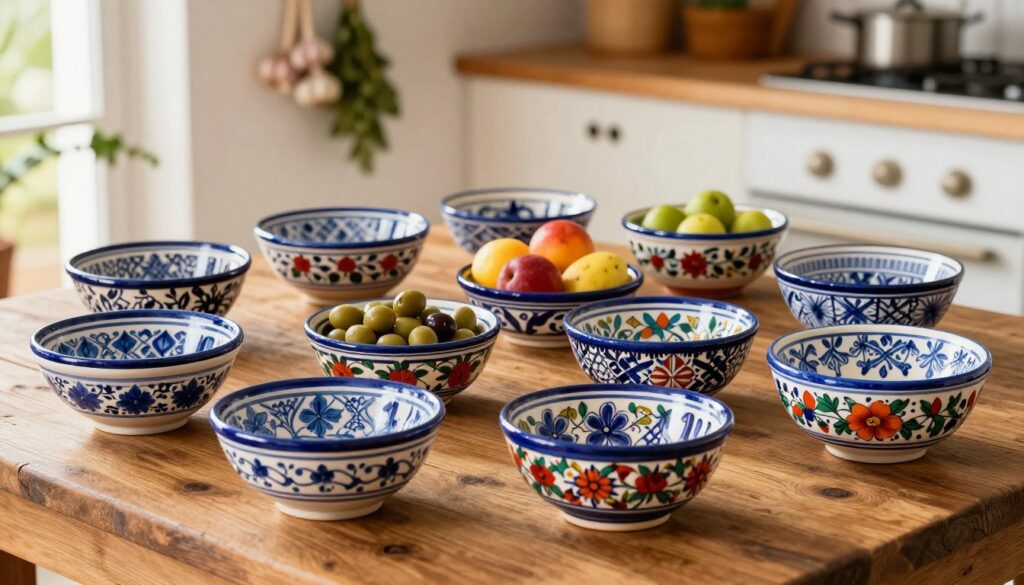
When examining a Portugal bowl, look for the quality of the glaze and the craftsmanship that has gone into its creation. A genuine piece will typically exhibit a high level of detail and finish.
By paying attention to these details—distinguishing marks, materials, and glazing characteristics—you can better identify authentic Portugal bowls and appreciate their unique beauty and craftsmanship.
The Appeal of Handmade Portugal Bowls
The allure of handmade Portugal bowls lies in their unique blend of traditional craftsmanship and cultural heritage. Each bowl is a testament to the skill and dedication of Portuguese artisans who have honed their craft over generations.
Handmade Portugal bowls are not just decorative pieces; they are also functional items that can be used daily. The artisanal quality of these bowls makes them stand out from mass-produced ceramics.
Why Artisanal Quality Matters
The value of handmade Portugal bowls lies in their artisanal quality. Artisans pour their heart and soul into every piece, ensuring that each bowl is unique and tells a story. The imperfections that come with handmade craftsmanship are a reminder of the human touch that goes into creating these beautiful pieces.
- Unique character and charm
- High-quality materials and construction
- Cultural significance and heritage
Supporting Local Portuguese Workshops
By choosing handmade Portugal bowls, consumers are directly supporting local Portuguese workshops and contributing to the preservation of traditional craftsmanship. This support is crucial for the continuation of these artisanal practices.
Local artisans are the guardians of Portugal’s cultural heritage, and their work is a reflection of the country’s rich history and traditions. By investing in handmade Portugal bowls, you are not only acquiring a beautiful piece but also supporting the artisans and their communities.
Decorative Portugal Bowls for Modern Interiors
Modern interiors can greatly benefit from the warmth and character that decorative Portugal bowls bring. These bowls are not just decorative pieces; they are also a connection to Portugal’s rich cultural heritage.
Styling Tips for Your Home
When it comes to styling your home with decorative Portugal bowls, the key is to balance traditional elements with modern decor. Here are a few tips:
- Use them as centerpieces on dining or coffee tables.
- Display them on shelves or mantles as part of a curated collection.
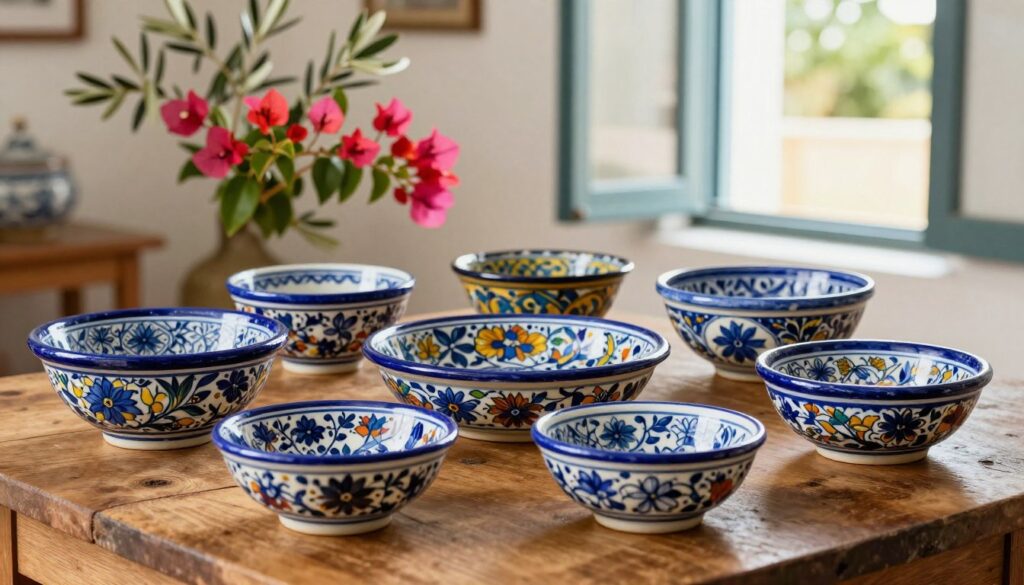
- Mix and match different sizes and patterns to create a visually appealing arrangement.
Tip: Pairing a large decorative bowl with smaller ones can create a harmonious and balanced look.
Integrating Traditional Patterns into Contemporary Spaces
One of the unique aspects of decorative Portugal bowls is their traditional patterns, which can add a touch of authenticity to contemporary spaces. To integrate these patterns effectively:
- Choose bowls with patterns that complement your existing decor.
- Consider the color palette of your room and select bowls that either match or contrast in a harmonious way.
- Use the bowls to introduce a new texture or pattern into your space, adding depth and visual interest.
| Pattern Type | Description | Best Used With |
|---|---|---|
| Traditional Floral | Classic floral motifs that are reminiscent of Portuguese heritage. | Neutral or pastel-colored interiors. |
| Geometric | Modern geometric patterns that give a contemporary twist. | Bold or monochromatic decor. |
| Cobalt Blue | Iconic blue and white patterns that are quintessentially Portuguese. | White or light-colored rooms for a pop of color. |
By thoughtfully incorporating decorative Portugal bowls into your interior design, you can create a space that is both modern and rich in cultural heritage.
Hand-Painted Portugal Bowls and Their Symbolism
Hand-painted Portugal bowls are not just decorative pieces, but vessels carrying centuries of cultural heritage and symbolism. These bowls are a testament to the rich cultural tapestry of Portugal, reflecting the country’s history, traditions, and values.
The art of hand-painting on these bowls is a tradition that has been passed down through generations, with each piece telling a unique story. The motifs and designs used are often steeped in symbolism, conveying messages about love, prosperity, and good fortune.
Common Motifs and Their Meanings
Various motifs are used in hand-painted Portugal bowls, each with its own significance. Some common motifs include:
- Floral patterns: Often symbolize love, beauty, and the cycle of life.
- Geometric shapes: Can represent unity, harmony, and balance.
- Animals and mythological creatures: May signify strength, protection, or good luck.
| Motif | Symbolism | Occasion |
|---|---|---|
| Floral patterns | Love, beauty, life cycle | Weddings, anniversaries |
| Geometric shapes | Unity, harmony, balance | Housewarming, new beginnings |
| Animals and mythological creatures | Strength, protection, good luck | Birthdays, holidays |
The Role of Color in Portuguese Design
Color plays a vital role in the design of hand-painted Portugal bowls. Different colors are associated with various meanings and emotions. For example, blue is often linked with tranquility and trust, while red symbolizes passion and energy.
The combination of these colors and motifs creates a unique and meaningful piece of art that not only beautifies a space but also tells a story. Understanding the symbolism behind these bowls enhances their value and appreciation.
Caring for Your Ceramic Portugal Bowls
Maintaining the beauty of your ceramic Portugal bowls is easier than you think with the right techniques. These delicate pieces not only add a touch of Portuguese culture to your home but also hold sentimental value as potential family heirlooms. Proper care ensures they remain in excellent condition for years to come.
Cleaning Best Practices
To keep your authentic Portugal bowls looking their best, gentle cleaning is paramount. Avoid using abrasive materials or harsh chemicals that could damage the glaze or the ceramic itself. Instead, opt for a soft, damp cloth to wipe away dust and debris. For more thorough cleaning, mild soap and warm water can be used, but ensure the bowls are rinsed thoroughly to prevent soap residue from forming.
It’s also advisable to avoid extreme temperatures and sudden changes in temperature, as these can cause cracking or breakage. When not on display, store your bowls in a secure location where they won’t be easily knocked over or subjected to heavy impacts.
Ensuring Longevity
To ensure the longevity of your ceramic Portugal bowls, consider displaying them thoughtfully. Avoid placing them near direct sunlight, which can cause fading over time, or in areas with high humidity, which might lead to mold or mildew. Regular dusting with a soft, dry cloth can help maintain their appearance and prevent the buildup of grime.
- Handle your bowls with care to prevent chips and cracks.
- Use felt pads under decorative bowls to prevent scratching surfaces.
- Avoid stacking bowls on top of each other without proper padding to prevent chipping.
By following these simple care and maintenance tips, you can enjoy your authentic Portugal bowls for many years, preserving their beauty and the stories they tell.
Modern Portugal Bowls and Contemporary Trends
The modern Portugal bowls scene is witnessing a significant transformation with the infusion of contemporary trends. This evolution is not just about aesthetics; it’s also about reimagining the traditional craftsmanship that Portugal bowls are known for.
Designers are now experimenting with novel shapes, colors, and patterns, blending the old with the new. This fusion results in modern Portugal bowls that are not only functional but also serve as decorative pieces that can elevate any home decor.
Reimagining Classics
One of the most exciting aspects of contemporary Portugal bowls is how designers are reimagining classic designs. By incorporating modern elements into traditional craftsmanship, these bowls are gaining a fresh appeal. For instance, some artisans are using bold, modern colors alongside traditional patterns, creating a unique visual identity.
This blending of styles is not limited to visual appeal; it’s also about functionality. Modern Portugal bowls are being designed to be more versatile, suitable for various uses ranging from dining to decoration.
The Future of Portuguese Ceramic Art
The future of Portuguese ceramic art, particularly Portugal bowls, looks promising. With the continued blend of traditional techniques and modern design principles, these bowls are likely to remain relevant in both cultural and contemporary contexts.
As consumers increasingly look for unique, artisanal products that tell a story, the demand for modern Portugal bowls is expected to grow. This trend is not just about the product itself but also about the cultural heritage and craftsmanship it represents.
In conclusion, the modern Portugal bowls scene is vibrant and evolving. With designers continually pushing the boundaries of what these bowls can be, the future of Portuguese ceramic art is bright and full of potential.
Unique Portugal Bowls as Collectible Treasures
Collectors of unique Portugal Bowls are not just accumulating items; they are preserving a part of Portugal’s cultural heritage. These bowls, often handmade with love and care by local artisans, carry stories and traditions that date back generations.
Building a Curated Collection
To build a curated collection, one must first understand what makes a Portugal Bowl truly unique. Factors such as the artisan’s signature, the bowl’s age, and its condition play significant roles.
- Research different artisans and their signatures to understand the authenticity and value of the bowls.
- Consider the condition and rarity of the bowl, as these factors significantly impact its collectible value.
- Look for bowls that tell a story or have historical significance, as they add depth to your collection.
A curated collection is not just about accumulating items; it’s about creating a narrative. Each bowl should complement the others, telling a cohesive story that reflects the collector’s taste and understanding of Portuguese culture.
Where to Find Rare and Vintage Finds
For those looking to find rare or vintage unique Portugal Bowls, there are several avenues to explore.
- Visit local antique shops and vintage stores, especially those that specialize in Portuguese antiques.
- Attend auctions and estate sales, where rare and vintage items often surface.
- Explore online marketplaces and collector forums, where enthusiasts and sellers connect.
When searching for vintage or rare bowls, it’s crucial to be patient and persistent. Networking with other collectors and joining collector communities can also provide valuable leads and insights.
Conclusion
Portugal Bowls have captivated audiences with their rich cultural heritage and stunning craftsmanship. From the traditional sport to the artistry behind ceramic pieces, these bowls embody the spirit of Portuguese communities.
The unique blend of history, craftsmanship, and leisure activities makes Portugal Bowls a treasured part of Portuguese identity. Whether you’re drawn to their cultural significance, the thrill of the game, or the beauty of handmade ceramics, Portugal Bowls offer something for everyone.
As we’ve explored the various facets of Portugal Bowls, it’s clear that their appeal extends beyond mere decorative pieces or sporting equipment. They represent a connection to tradition, community, and the beauty of handmade craftsmanship. For those inspired by the world of Portugal Bowls, there’s a wealth of opportunities to explore, from collecting unique pieces to participating in the sport.