How Many Castles Are in Portugal?
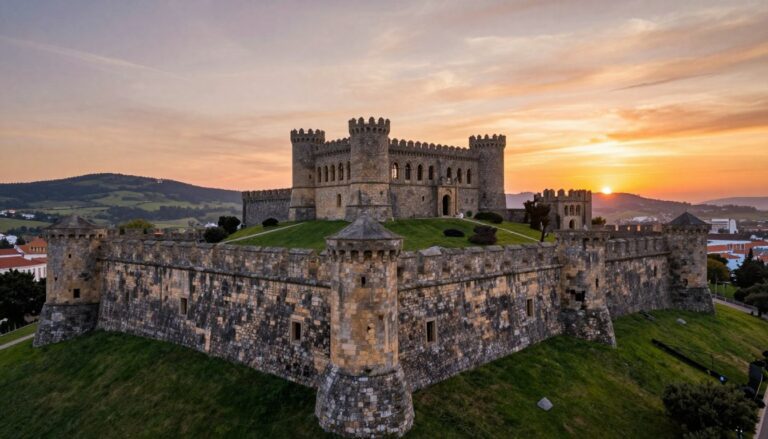
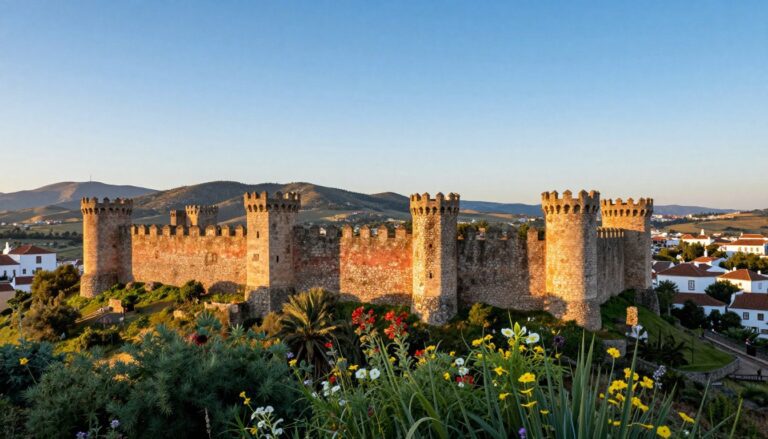
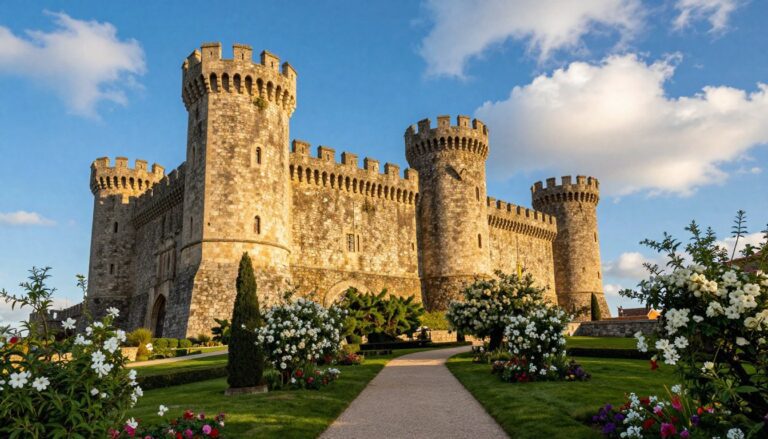
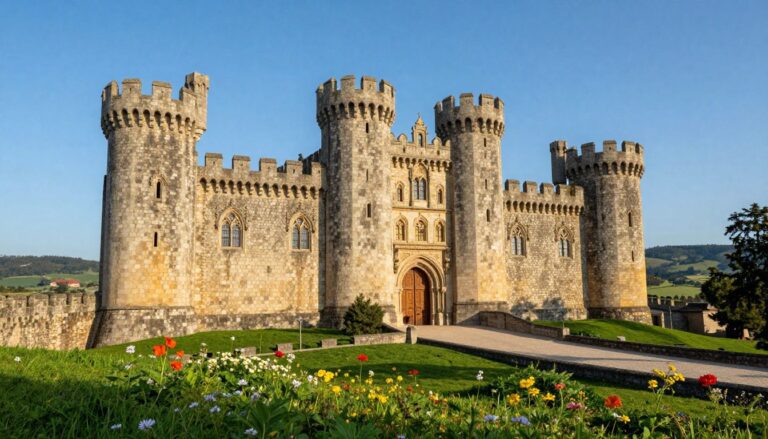
Portugal is renowned for its rich castle heritage, with a history that spans centuries. The country’s strategic location and turbulent past have led to the construction of numerous castles, each with its unique story to tell.
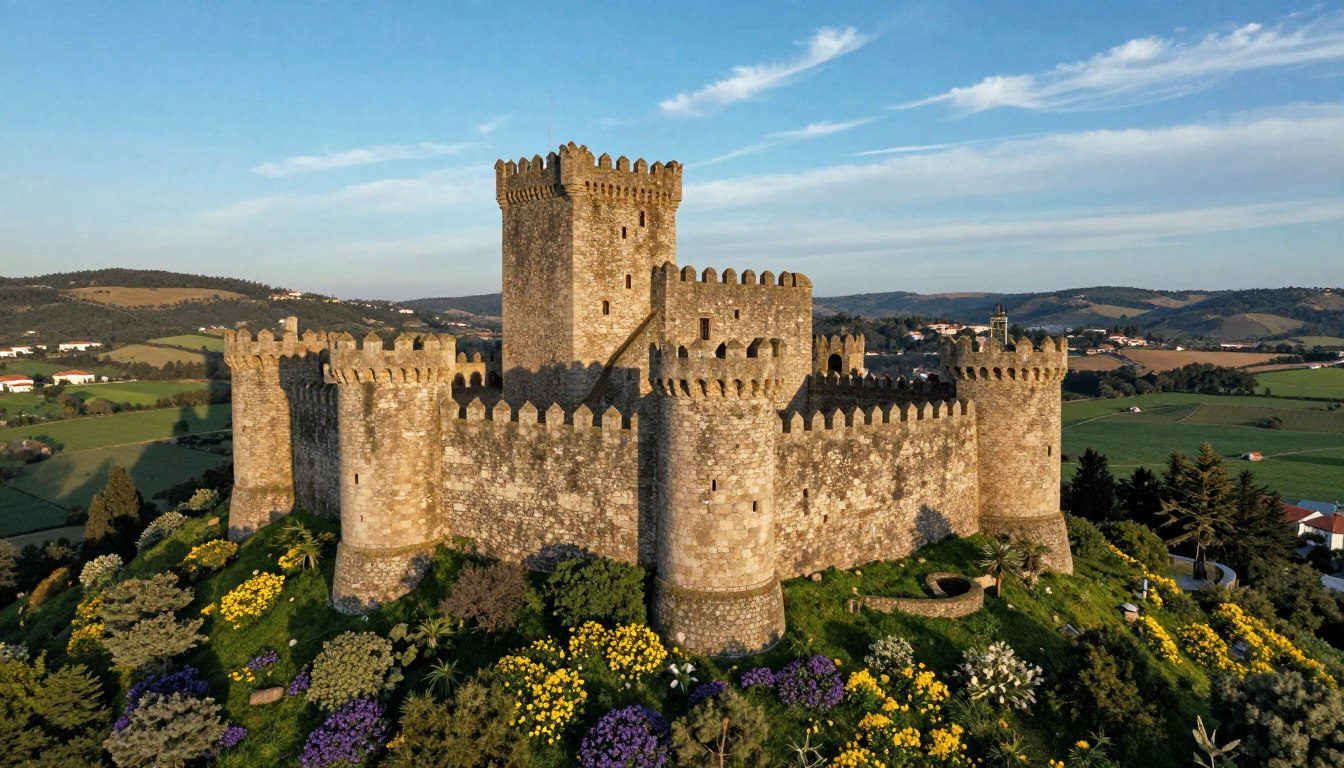
From medieval fortresses to romantic ruins, Portugal’s castles are a testament to the country’s architectural and cultural diversity. Whether you’re a history buff, an architecture enthusiast, or simply someone who appreciates the beauty of these ancient structures, Portugal’s castles are sure to captivate.
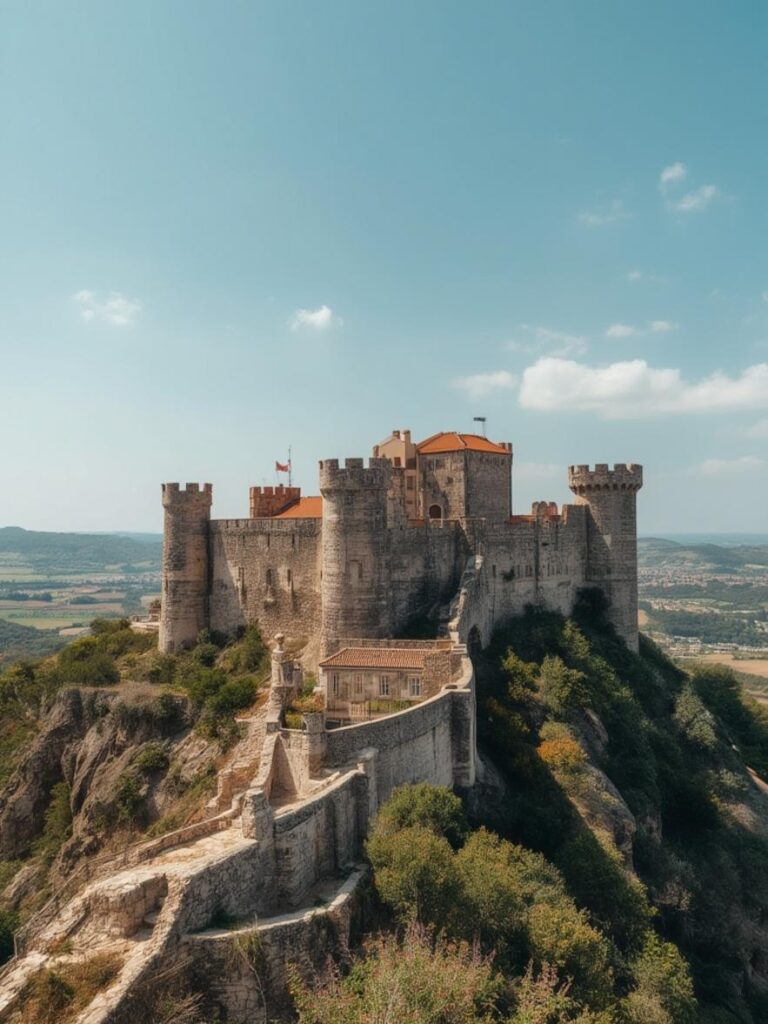
The allure of Portuguese castles lies not only in their historical significance but also in their picturesque settings, often perched on hilltops or nestled within lush landscapes.
Key Takeaways
- Portugal is home to a diverse range of castles, reflecting its complex history.
- Many of these castles are well-preserved and open to visitors.
- The country’s castles showcase a blend of architectural styles.
- Castles in Portugal are not just historical landmarks but also popular tourist attractions.
- Exploring these castles offers a glimpse into Portugal’s rich cultural heritage.
Portugal’s Rich Castle Heritage
Castles in Portugal are not just relics of the past; they are vibrant testaments to the country’s historical and cultural heritage. These structures have been pivotal in defining Portugal’s identity and history.
The Significance of Castles in Portuguese History
Castles have played a crucial role in Portuguese history, serving as fortresses, royal residences, and symbols of power. The historic castles in Portugal are a testament to the country’s rich past, with many having been built during the medieval period. These castles were not only defensive structures but also centers of political and social life.
According to historical records, Portugal is home to over 200 castles, although the exact castle count in Portugal can vary depending on the source. Nonetheless, this number highlights the country’s dense concentration of these historical structures.
Evolution of Castle Architecture in Portugal
The architecture of castles in Portugal evolved significantly over the centuries, influenced by various cultures, including the Moors and the Romans. Early castles were often simple fortifications, while later structures became more complex, incorporating advanced defensive features and ornate architectural details.
Notable Portuguese castles such as the Pena Palace in Sintra and the São Jorge Castle in Lisbon showcase this evolution, blending different architectural styles and reflecting the country’s diverse cultural influences.
| Castle Name | Location | Historical Significance |
|---|---|---|
| Pena Palace | Sintra | 19th-century Romanticism |
| São Jorge Castle | Lisbon | 11th-century Moorish origins |
| Guimarães Castle | Guimarães | Birthplace of Portugal |
“The castles of Portugal are a testament to the country’s rich history and cultural heritage, standing as sentinels of the past.”
How Many Castles Does Portugal Have?
Determining the exact number of castles in Portugal is challenging due to differing definitions and classifications. The country’s rich history has led to the construction of numerous castles over the centuries, each with its unique architectural style and historical significance.
Official Castle Count and Classifications
The official count of castles in Portugal is maintained by the Portuguese Directorate-General for Cultural Heritage. According to their records, there are over 140 classified castles across the country. These castles are categorized into different classifications based on their historical significance, architectural style, and current condition. The classifications include Monumento Nacional (National Monument), Imóvel de Interesse Público (Property of Public Interest), and Imóvel de Interesse Municipal (Property of Municipal Interest).
Defining What Constitutes a Castle in Portugal
Defining what constitutes a castle in Portugal can be complex. Generally, a castle is considered to be a fortified structure built during the medieval period, often featuring walls, towers, and a strategic location. However, the definition can vary depending on the historical context and the specific characteristics of the structure. As historian José Mattoso once said,
“A castle is not just a military structure, but a symbol of power and a reflection of the society that built it.”
This broader understanding encompasses not only the architectural features but also the historical and cultural significance of these structures.
The classification of castles in Portugal also considers factors such as their state of preservation, historical importance, and cultural impact. This comprehensive approach ensures that the country’s rich castle heritage is preserved for future generations.
Historical Context: Why Portugal Built So Many Castles
The construction of castles in Portugal was a response to the country’s complex historical context. Portugal’s strategic location on the Iberian Peninsula made it a focal point for various conflicts and invasions throughout history.
The Reconquista Period
During the Reconquista, a period of Christian reconquest of the Iberian Peninsula from Moorish rule, castles played a crucial role as fortified strongholds. Many of these castles were built or fortified by Christian forces to secure their gains against the Moors. This period saw the construction of some of Portugal’s most notable castles, including the Guimarães Castle, considered the birthplace of Portugal.
Border Defense Against Spain
Another significant reason for castle construction in Portugal was the need to defend its border against Spain. The border between Portugal and Spain has been a point of contention throughout history, leading to the construction of numerous castles along this frontier. These castles served as military outposts and defensive positions, protecting Portugal’s sovereignty. Notable Portuguese castles like the Castelo de Elvas were key to this defense strategy.
Maritime Protection and Coastal Fortifications
Portugal’s extensive coastline also necessitated the construction of castles and fortifications to protect against maritime threats. The Age of Discoveries brought new challenges, including piracy and rival naval powers. Castles like the Belem Tower in Lisbon were built to safeguard Portugal’s maritime interests and protect its ports. These Portugal castles were integral to the country’s naval defense system.
Types of Portuguese Castles
From medieval fortifications to Moorish castles, Portugal’s castle heritage is as diverse as it is captivating. The country’s strategic location and complex history have resulted in a wide range of castle types, each reflecting the cultural and military influences of its time.
Medieval Fortifications
Medieval fortifications are among the most common types of castles found in Portugal. These structures were built primarily during the Reconquista period, serving as defensive strongholds against invading forces. Characterized by thick walls and strategic locations, these castles played a crucial role in Portugal’s military history. Many have been well-preserved and now serve as tourist attractions.
Moorish Castles and Influences
Moorish castles and their influences are evident in many Portuguese castles, particularly in the southern regions. The Moors introduced new architectural techniques and decorative elements, such as the use of arches and intricate tile work. Castles like the Silves Castle in the Algarve region showcase this Moorish influence, blending Islamic and Christian architectural styles.
Royal Palaces and Castle-Residences
Some Portuguese castles were converted into royal palaces or served as residences for nobility. These structures often feature elaborate architecture and decorative elements, reflecting their role as centers of power and luxury. The Pena Palace in Sintra is a prime example, combining elements of Romanticism and Manueline styles.
Military Orders and Their Fortresses
Military orders, such as the Templars and the Order of Christ, played a significant role in Portugal’s medieval history. They built numerous fortresses and castles, many of which have survived to the present day. These structures often featured distinctive architectural elements and were strategically located to control key territories.
| Castle Type | Characteristics | Examples |
|---|---|---|
| Medieval Fortifications | Thick walls, strategic locations | Guimarães Castle, Lisbon’s São Jorge Castle |
| Moorish Castles | Islamic architectural influences, arches, tile work | Silves Castle, Algarve |
| Royal Palaces | Elaborate architecture, decorative elements | Pena Palace, Sintra |
| Military Order Fortresses | Strategic locations, distinctive architecture | Tomar Castle, Almourol Castle |
Portugal’s castles are a testament to the country’s rich history and cultural diversity. Visiting these castles offers a unique glimpse into Portugal’s past, from medieval battles to royal residences.
Most Famous Castles in Portugal
Among the many castles in Portugal, some stand out for their historical significance and architectural grandeur. These iconic structures not only reflect the country’s rich history but also attract visitors from around the world.
Pena Palace in Sintra
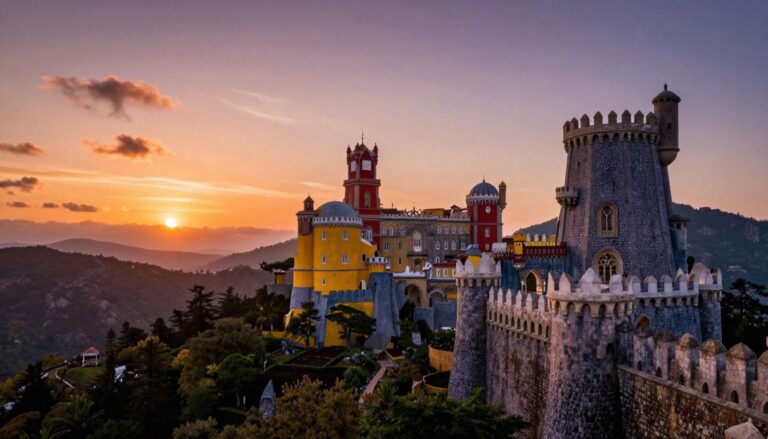
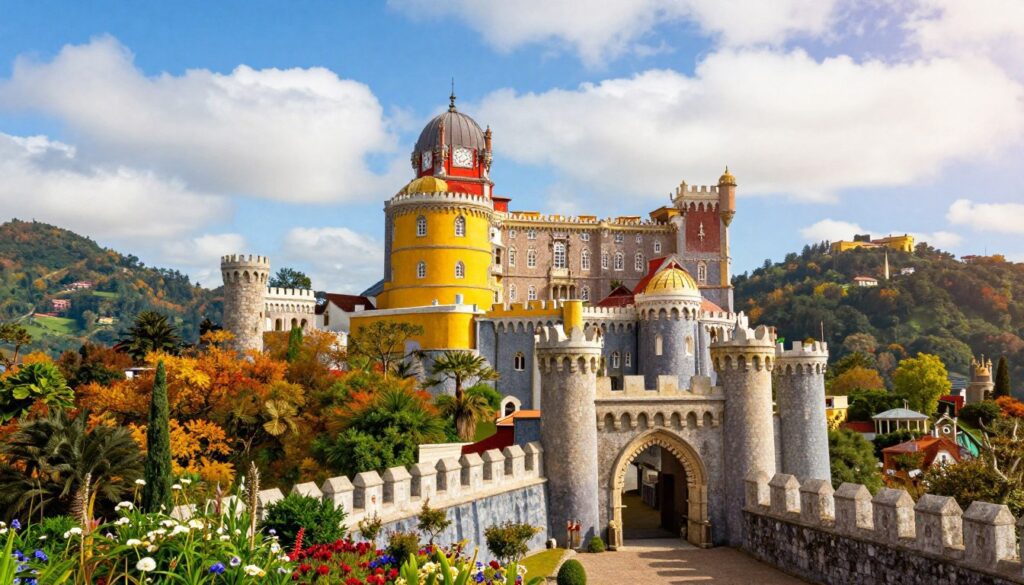
Pena Palace, located in Sintra, is one of Portugal’s most iconic castles. Its unique blend of architectural styles, including Romantic, Gothic, and Moorish influences, makes it a standout.
Architectural Features
The palace is known for its vibrant colors and eclectic architecture. Its design was influenced by Prince Ferdinand II, who envisioned a summer residence that would surpass other European palaces in beauty and grandeur.
Historical Significance
Pena Palace was built in the 19th century on the site of a medieval monastery. It served as a royal summer residence and has since become a symbol of Portuguese cultural heritage.
São Jorge Castle in Lisbon
São Jorge Castle, situated in the heart of Lisbon, offers panoramic views of the city. This Moorish castle dates back to the 11th century and has played a significant role in Lisbon’s history.
Guimarães Castle – Birthplace of Portugal
Guimarães Castle is often referred to as the birthplace of Portugal. This medieval castle was crucial in the formation of the Portuguese nation and is a testament to the country’s history.
Óbidos Castle and Its Medieval Town
Óbidos Castle is nestled within a charming medieval town. The castle has been well-preserved and now serves as a pousada (hotel), offering visitors a unique experience.
Belem Tower – UNESCO World Heritage Site
The Belem Tower, located in Lisbon, is a UNESCO World Heritage Site. This fortified tower symbolizes Portugal’s Age of Discoveries and is a prominent landmark.
These castles are just a few examples of Portugal’s rich architectural and historical heritage. Visitors can explore these sites to gain a deeper understanding of the country’s past and its cultural significance.
| Castle | Location | Historical Significance |
|---|---|---|
| Pena Palace | Sintra | 19th-century royal summer residence |
| São Jorge Castle | Lisbon | Moorish castle from the 11th century |
| Guimarães Castle | Guimarães | Medieval castle and birthplace of Portugal |
Regional Distribution of Portuguese Castles
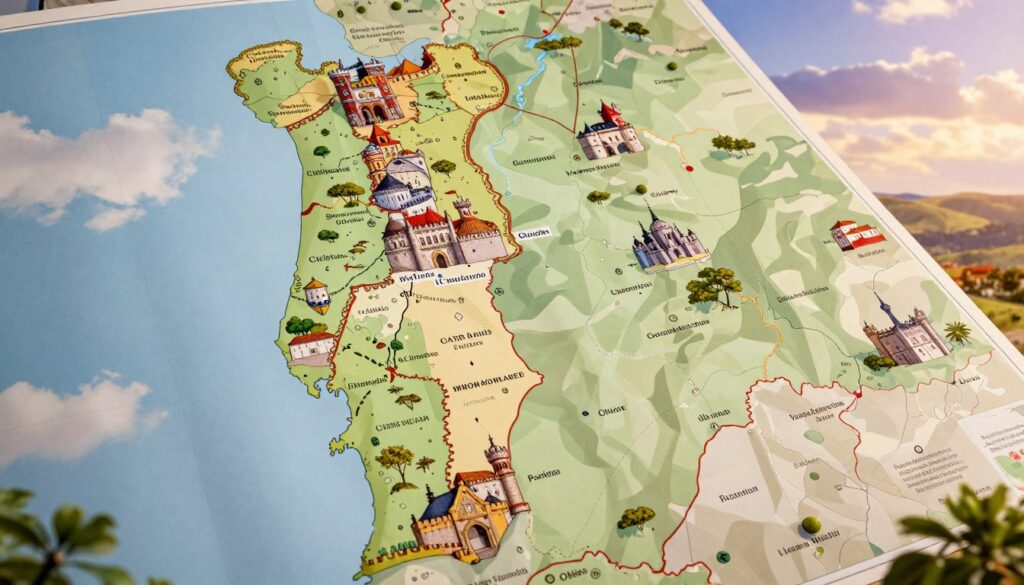
The distribution of castles across Portugal reveals a complex pattern influenced by historical events, geographical features, and cultural exchange. This diversity is reflected in the varying concentrations of castles across different regions.
Northern Portugal’s Castle Landscape
Northern Portugal is characterized by a dense concentration of castles, particularly in the districts of Braga and Porto. These castles, such as the Lanhoso Castle and Guimarães Castle, played crucial roles in the early history of Portugal, serving as defensive strongholds and royal residences. The region’s castle landscape is marked by a mix of Romanesque and Gothic architectural styles.
Central Portugal’s Defensive Structures
Central Portugal boasts an impressive array of castles, with the Óbidos Castle being a prime example. This region’s castles often feature Moorish influences, reflecting the historical presence of Islamic rule in the area. The castles in this region were primarily used for defense against Spanish incursions and as strategic outposts.
Southern Portugal and Algarve Fortifications
The southern region of Portugal, particularly the Algarve, is known for its Moorish heritage, evident in the architecture of its castles. The Sagres Fortress and Silves Castle are notable examples, showcasing the blend of Moorish and Portuguese architectural styles. These fortifications were crucial in the maritime defense of Portugal during the Age of Exploration.
Island Fortifications in Madeira and Azores
The islands of Madeira and Azores also feature fortifications, albeit on a smaller scale compared to mainland Portugal. The Fort of São Tiago in Funchal, Madeira, and the Fort of São João Baptista in Angra do Heroísmo, Azores, are examples of the island fortifications that played significant roles in the maritime defense of Portugal’s Atlantic territories.
| Region | Notable Castles | Architectural Influences |
|---|---|---|
| Northern Portugal | Lanhoso Castle, Guimarães Castle | Romanesque, Gothic |
| Central Portugal | Óbidos Castle | Moorish, Gothic |
| Southern Portugal/Algarve | Sagres Fortress, Silves Castle | Moorish, Manueline |
| Madeira and Azores | Fort of São Tiago, Fort of São João Baptista | Portuguese, Renaissance |
Castle Preservation and Restoration Efforts
Portugal has undertaken significant initiatives to restore its castles, ensuring these historical structures remain intact for future generations. The country’s rich cultural heritage is reflected in its numerous castles, which are not only testaments to its history but also important tourist attractions.
Government Initiatives
The Portuguese government has launched several initiatives to preserve the country’s castle heritage. These include funding for restoration projects, conservation efforts, and the promotion of cultural tourism. For instance, the Direção-Geral do Património Cultural (DGPC) plays a crucial role in managing and preserving Portugal’s cultural heritage, including its castles.
Challenges in Maintenance
Despite these efforts, maintaining historic castles poses several challenges. These include:
- Environmental factors such as weathering and erosion
- Human-induced damage, including vandalism and neglect
- The need for specialized conservation techniques and materials
Addressing these challenges requires a collaborative approach involving government agencies, local communities, and conservation experts.
Success Stories
There have been several success stories in the restoration of Portuguese castles. For example, the restoration of the Pena Palace in Sintra has transformed it into one of Portugal’s most visited attractions. Such projects not only preserve historical sites but also contribute to local economies through tourism.
Visiting Portugal’s Castles: Tourist Information
Portugal’s castles are a treasure trove of history and architecture, waiting to be explored by visitors from around the world. Whether you’re a history buff, an architecture enthusiast, or simply looking for a unique travel experience, Portugal’s castles have something to offer everyone.
Best Times to Visit Portuguese Castles
The best time to visit Portugal’s castles is during the spring (March to May) and autumn (September to November), when the weather is mild and pleasant. These periods are ideal for walking tours and outdoor explorations.
Castle Routes and Tours for American Visitors
For American visitors, several guided tours are available that cater specifically to English-speaking travelers. These tours often include visits to multiple castles, providing a comprehensive overview of Portugal’s rich historical heritage.
Accommodation Options in Historic Castles
One of the unique experiences of visiting Portugal’s castles is the opportunity to stay within their walls. Many castles have been converted into hotels or pousadas, offering luxurious accommodations and a chance to immerse oneself in history.
Practical Tips for Castle Exploration
When exploring Portugal’s castles, it’s advisable to wear comfortable shoes, as many of these sites involve walking on uneven terrain. Additionally, be sure to check the opening hours and any specific rules or restrictions at each castle.
Photography Recommendations
Portugal’s castles offer endless photography opportunities. For the best shots, consider visiting during the golden hour, just before sunset, when the light is soft and warm.
Accessibility Information
Many of Portugal’s castles are well-maintained and have made efforts to improve accessibility. However, some sites may still have limitations due to their historical nature. It’s a good idea to check ahead of time for specific accessibility information.
| Castle | Location | Best Time to Visit |
|---|---|---|
| Pena Palace | Sintra | Early morning |
| São Jorge Castle | Lisbon | Late afternoon |
| Guimarães Castle | Guimarães | Midday |
Cultural Impact of Castles on Portuguese Identity
Castles in Portugal have played a pivotal role in shaping the nation’s identity and cultural heritage. These structures are not merely relics of the past but living testaments to the country’s rich history and cultural evolution.
Literary and Artistic Representations
Portuguese castles have been a source of inspiration in literature and art. They are often depicted in romantic paintings and described in historical novels as symbols of Portuguese resilience and grandeur. The Pena Palace, for instance, has been a muse for many artists due to its unique architecture and historical significance.
Festivals and Events
Many Portuguese castles host cultural festivals and events, bringing history to life. The medieval town of Óbidos, for example, transforms into a vibrant festival ground during its annual Christmas market and medieval fair, attracting visitors from around the world.
Legends and Folklore
Castles in Portugal are often associated with local legends and folklore, adding a layer of mystique to their historical significance. Stories of hidden treasures, ghostly apparitions, and heroic deeds are common, enriching the cultural narrative surrounding these monuments.
| Castle | Location | Cultural Significance |
|---|---|---|
| Pena Palace | Sintra | Iconic representation in literature and art |
| Óbidos Castle | Óbidos | Hosts annual festivals and medieval fairs |
| São Jorge Castle | Lisbon | Rich in historical legends and folklore |
The Future of Portugal’s Castle Heritage
The future of Portugal’s castle heritage is a story of innovation and preservation. As the country continues to cherish its historical landmarks, new and exciting uses are being found for these ancient structures.
Modern Uses for Ancient Structures
Many of Portugal’s castles are being repurposed as cultural hubs, hosting events such as concerts, festivals, and exhibitions. For instance, the Pena Palace in Sintra is a popular venue for weddings and cultural events. This not only helps in preserving the castles but also generates revenue for their maintenance.
Technological Innovations in Castle Preservation
Technological advancements are playing a crucial role in the preservation of Portugal’s castles. Techniques such as 3D scanning and digital mapping are being used to monitor the condition of these structures and plan restoration work. Virtual reality tours are also becoming popular, allowing visitors to explore these historical sites remotely.
Climate Change Challenges for Coastal Fortifications
Coastal castles and fortifications face significant challenges due to climate change, including rising sea levels and increased storm activity. Efforts are being made to protect these structures, such as the Belem Tower in Lisbon, through adaptive conservation measures.
Conclusion
Portugal’s rich history is reflected in its numerous castles, each telling a unique story of the country’s past. With a staggering number of castles scattered throughout the land, Portugal offers a treasure trove of historical sites waiting to be explored. From the Moorish influences to the medieval fortifications, the diversity of Portugal castles is a testament to the country’s strategic importance throughout the centuries.
As we have seen, the question of how many castles does Portugal have is complex, with various classifications and definitions. Nonetheless, the country’s castle heritage is undeniable, and exploring these sites can be a rewarding experience for history buffs and travelers alike. Whether you’re interested in the grandeur of Pena Palace or the charm of Óbidos Castle, Portugal’s castles have something to offer everyone.
So, come and explore Portugal’s castles, and discover the country’s rich history and cultural heritage. With many of these castles now serving as museums, hotels, or event venues, there’s never been a better time to visit and experience the magic of Portugal’s castle legacy.