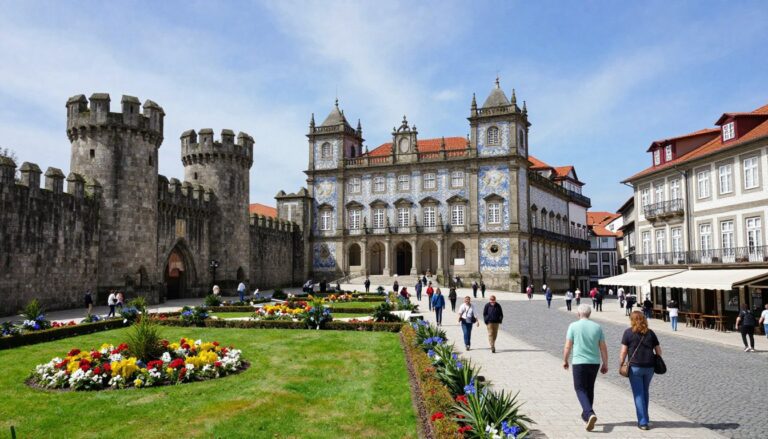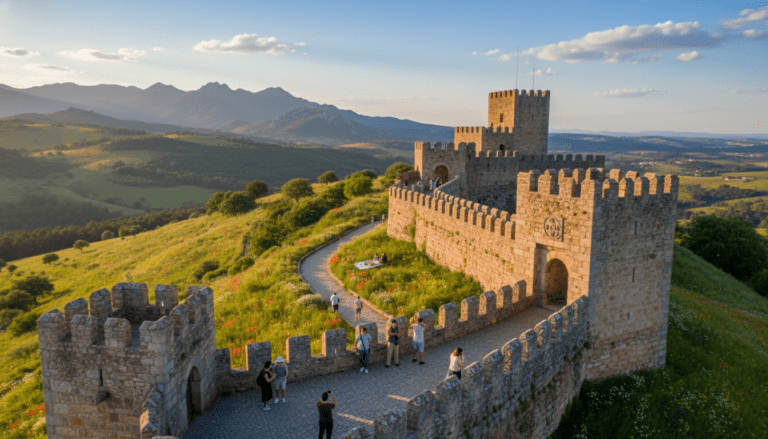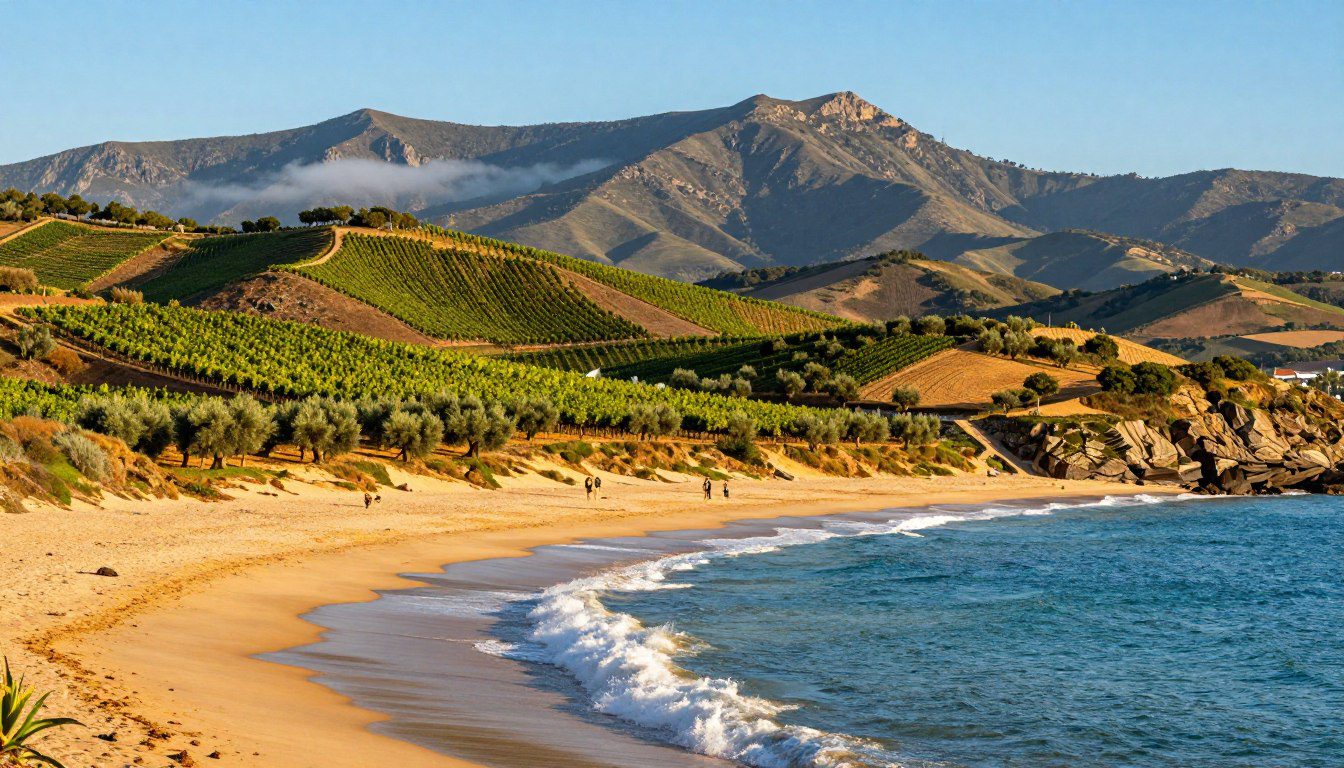
When’s the Best Time to Travel to Portugal?
Portugal, a country known for its rich history, stunning landscapes, and welcoming culture, is a destination that attracts travelers from around the world. Understanding the climate in Portugal is crucial for planning a trip that meets your expectations.
The country’s climate varies from the north to the south, with the Algarve region in the south boasting a Mediterranean climate, making it a popular destination year-round. However, the best time to travel to Portugal depends on your preferences, whether you’re looking for beach activities, cultural experiences, or outdoor adventures.
Key Takeaways
- Portugal’s climate varies by region.
- The Algarve region has a Mediterranean climate.
- The best time to visit depends on your preferences.
- Weather conditions affect tourist activities.
- Understanding the climate helps in planning.
Portugal’s Climate and Weather Patterns
Portugal’s climate is characterized by its Mediterranean influences and regional variations. The country’s geography, with its mountains, valleys, and coastlines, plays a significant role in shaping its climate.
Mediterranean Climate Characteristics
Portugal’s climate is generally Mediterranean, characterized by warm, dry summers and mild, wet winters. The Mediterranean influence is more pronounced in the southern regions, such as the Algarve, where summers are hotter and winters are milder. The northern parts of Portugal experience a more temperate climate, with cooler summers and wetter winters compared to the south.
The Mediterranean climate in Portugal is also known for its high levels of sunshine throughout the year, making it an attractive destination for tourists seeking warm weather.
Regional Weather Variations Across Portugal
Despite the overall Mediterranean climate, there are significant regional variations in weather across Portugal. The northern regions, including Porto and the Douro Valley, tend to be cooler and wetter than the south, especially during the winter months.
The mountainous areas, such as the Serra da Estrela, experience colder winters with snowfall, making them ideal for winter sports. In contrast, the southern coastal regions, like the Algarve, enjoy milder winters and are popular for golfing and beach activities year-round.
The Best Time to Travel to Portugal: Season by Season
Portugal’s diverse climate means that the best time to visit varies depending on your preferences. Whether you’re looking for beach relaxation, cultural events, or outdoor adventures, understanding the seasonal changes can help you plan your trip effectively.
Spring in Portugal (March-May)
Spring is a lovely time to visit Portugal, with mild temperatures and fewer tourists than the peak summer months.
Weather Conditions and Temperatures
During spring, Portugal experiences pleasant weather, with average highs ranging from 18°C to 22°C (64°F to 72°F). It’s an ideal time for sightseeing and outdoor activities.
Crowd Levels and Atmosphere
The atmosphere is relaxed, with fewer crowds than in the summer. You can enjoy popular attractions without the peak season rush, making it a great time for those who prefer a more laid-back experience.
Summer in Portugal (June-August)
Summer is the peak tourist season in Portugal, characterized by warm weather and long days.
Peak Season Weather and Conditions
Summer temperatures often reach 25°C to 30°C (77°F to 86°F), making it perfect for beachgoers and water sports enthusiasts. The Algarve region is particularly popular during this time.
Managing Summer Tourism
While summer offers a vibrant atmosphere with many events and festivals, it’s also the busiest time. Popular destinations can be crowded, so it’s advisable to plan ahead and book accommodations and tours in advance.
Fall in Portugal (September-November)
Autumn in Portugal brings a pleasant climate and a range of activities, making it another excellent time to visit.
Autumn Climate and Changing Landscapes
The fall season offers comfortable temperatures, ranging from 15°C to 20°C (59°F to 68°F), and the landscapes are adorned with autumn foliage, especially in the northern regions.
Post-Summer Tourism Advantages
After the summer rush, fall provides a more relaxed atmosphere, with lower prices for accommodations and tourist services. It’s an ideal time for those looking to enjoy Portugal’s natural beauty and cultural heritage without the crowds.
Winter in Portugal (December-February)
Winter is the coolest and wettest season in Portugal, but it still has its charm, especially for those interested in exploring cities, cultural events, or enjoying winter sports.
Winter Weather Expectations
Temperatures can drop to around 8°C to 12°C (46°F to 54°F) in the north, while the south remains relatively milder. The mountainous regions receive snow, making them suitable for winter sports.
Holiday Season and Winter Activities
Portugal celebrates the holiday season with festive markets and events, particularly in Lisbon and Porto. It’s also a good time to enjoy indoor activities like visiting museums or relaxing in thermal spas.
Peak Season vs. Off-Peak Travel in Portugal
When planning a trip to Portugal, understanding the difference between peak and off-peak seasons can greatly enhance your travel experience. The country’s diverse climate and rich cultural heritage make it a popular destination for tourists, but the time of year you visit can significantly impact your journey.
Navigating the Summer Crowds (June-August)
Summer is the peak tourist season in Portugal, with June, July, and August being the busiest months. Popular destinations like Lisbon, Porto, and the Algarve are crowded, and prices for accommodations and tourist services are at their highest. To navigate these crowds, consider visiting popular attractions early in the morning or later in the evening when they are less busy. Additionally, exploring lesser-known regions can provide a more authentic experience without the throngs of tourists.
It’s also worth noting that summer is the perfect time for beachgoers, with warm weather and long days ideal for water activities and outdoor events. However, booking accommodations and popular tours well in advance is crucial to avoid higher prices and availability issues.
Benefits of Shoulder Season Travel (April-May and September-October)
The shoulder season, which includes April-May and September-October, offers a compelling alternative to the peak summer months. These periods provide pleasant weather, fewer crowds, and lower prices, making them ideal for travelers who want to experience Portugal’s beauty without the peak season chaos.
During the shoulder season, you can enjoy outdoor activities like hiking and sightseeing in comfort, and the cultural events calendar remains lively, with various festivals and local celebrations taking place. Moreover, the shoulder season is an excellent time for exploring Portugal’s cities, enjoying local cuisine, and visiting historical sites without the peak season crowds.
In conclusion, while peak season has its advantages, the shoulder season offers a more relaxed and potentially more rewarding experience for travelers to Portugal.
Regional Guide: When to Visit Portugal’s Top Destinations
Discovering Portugal’s top destinations requires understanding the best times to visit each region. Portugal’s diverse landscapes and climates mean that the ideal travel time varies significantly across different parts of the country.
Lisbon and Central Portugal
Lisbon, the capital city, is a year-round destination, but the best time to visit depends on your preferences. For sightseeing, spring (March to May) and autumn (September to November) are ideal due to the mild temperatures and fewer tourists.
Best Months for Sightseeing in the Capital
The best months for sightseeing in Lisbon are April, May, September, and October. These months offer pleasant weather and smaller crowds, making it easier to explore the city’s historic neighborhoods and landmarks.
Day Trips and Excursions Timing
For day trips from Lisbon, such as to Sintra or Cascais, the same periods are recommended. However, if you’re planning to visit the beaches, summer is the peak season.
Porto and Northern Portugal
Porto and the surrounding Douro Valley are known for their rich history, stunning landscapes, and Port wine production. The ideal time to visit this region is during spring and autumn, when the weather is pleasant and the vineyards are either blooming or harvesting.
Ideal Seasons for Wine Country
The Douro Valley is particularly beautiful during September and October when the harvest takes place. This is an excellent time for wine enthusiasts to visit and experience the wine production process.
Douro Valley Visiting Times
Visiting the Douro Valley during spring is also recommended for its picturesque landscapes and mild weather, making it ideal for boat tours and hiking.
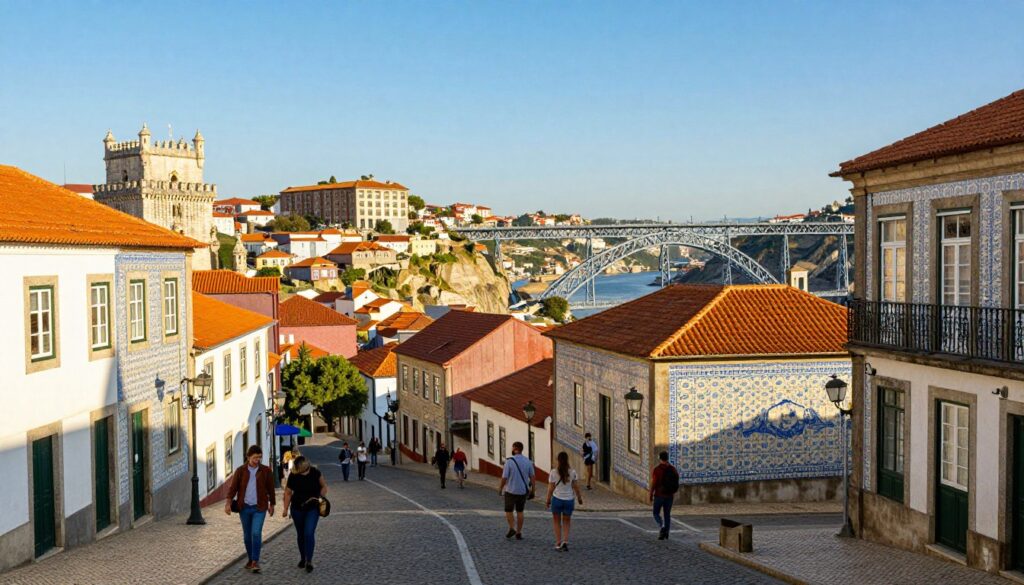
The Algarve and Southern Beaches
The Algarve region in southern Portugal is famous for its golden beaches and rock formations. The beach season in the Algarve typically runs from June to September, with peak temperatures in July and August.
Beach Season Timing
The best time for beach activities in the Algarve is during July and August, when the weather is warmest and the sea is at its most inviting.
Avoiding Algarve Crowds
To avoid the crowds, consider visiting the Algarve during the shoulder season (May-June or September-October), when the weather is still pleasant and there are fewer tourists.
Madeira and the Azores Islands
The islands of Madeira and the Azores offer unique landscapes and climates. Madeira is known for its subtropical climate, making it a great destination year-round, while the Azores has a more temperate climate.
Island Climate Considerations
Madeira’s climate is mild throughout the year, but the best time to visit is during spring and autumn. The Azores, being more temperate, is best visited during summer for warmer weather.
Best Months for Island Activities
For outdoor activities like hiking and whale watching, April to October are the best months for Madeira, while in the Azores, June to September are ideal for enjoying the islands’ natural beauty.
Portugal’s Festival Calendar: Planning Around Events
From spring to winter, Portugal’s festival calendar is filled with exciting events that attract travelers worldwide. These festivals not only showcase the country’s rich cultural heritage but also offer a unique experience for visitors.
Spring Festivals and Religious Celebrations
Spring in Portugal is a time of vibrant festivals and religious celebrations. One of the most notable events is the Festa de Santo António in Lisbon, honoring the city’s patron saint with parades, music, and traditional food. The Festas de Santo António typically take place in late May and early June, making it a great time to experience local culture.
Summer Music Festivals and Cultural Events
Summer is the peak season for music festivals in Portugal. The Rock in Rio Lisboa and Super Bock Super Rock festivals draw large crowds, featuring both international and local artists. Additionally, the Festa do Avante! is a popular event that combines music, theater, and political activism.
Fall Harvest and Winter Holiday Festivities
As summer fades, Portugal welcomes the fall harvest season with various festivals. The Festa da Vendima (Grape Harvest Festival) in the Douro Valley is a highlight, celebrating the wine production with wine tastings and traditional dances. Winter brings holiday festivities, including Christmas markets and the Festa de Santo António in December, though the main event is in May/June.
Portugal’s festival calendar is diverse and vibrant, offering a range of cultural experiences for travelers. Planning your trip around these events can enhance your travel experience, allowing you to immerse yourself in local traditions and celebrations.
| Season | Festivals and Events |
|---|---|
| Spring | Festa de Santo António, religious celebrations |
| Summer | Rock in Rio Lisboa, Super Bock Super Rock, Festa do Avante! |
| Fall | Festa da Vendima (Grape Harvest Festival) |
| Winter | Christmas markets, Festa de Santo António (December) |
“The festivals in Portugal are a true reflection of the country’s soul, showcasing its history, culture, and joy for life.”
Budget Considerations: How Timing Affects Your Wallet
Traveling to Portugal can be a costly endeavor, but understanding how timing affects your budget can make a significant difference. The cost of a trip to Portugal varies significantly throughout the year, influenced by factors such as tourist season, holidays, and local events.
To make the most of your travel budget, it’s essential to consider the timing of your visit. Peak tourist season, which typically runs from June to August, comes with higher prices for accommodations, tourist attractions, and services. In contrast, the shoulder season (April to May and September to October) often provides a better balance between comfortable weather and lower prices.
Price Fluctuations Throughout the Year
Portugal’s tourist industry experiences significant price fluctuations throughout the year. During peak season, prices for hotels, flights, and popular attractions tend to be at their highest. For instance, a hotel room in Lisbon might cost 20-30% more during July and August compared to the off-season. Conversely, visiting during the off-season (usually November to March) can result in substantial savings, with some hotels and tour operators offering discounts of up to 50%.
Finding the Best Value for Your Portuguese Trip
To maximize your travel budget, consider visiting Portugal during the shoulder season. Not only are prices lower, but you also avoid the crowds that flock to popular destinations during peak season. Additionally, look for package deals that include accommodations, meals, and activities, as these can often provide better value than booking each component separately.
By being mindful of the timing of your trip and taking advantage of off-peak rates, you can enjoy a more affordable and relaxed travel experience in Portugal.
Weather-Based Activities: Making the Most of Your Visit
With its rich geography, Portugal offers a wide range of weather-based activities for visitors to enjoy. The country’s diverse climate means that different regions are suitable for various activities at different times of the year.
Beach and Water Activities: When to Go
The best time for beach and water activities in Portugal is during the summer months (June to August) when the weather is warmest and the sea is calmest. The Algarve region is particularly popular during this time due to its golden beaches and clear waters.
For surfers, the west coast, including Nazaré and Ericeira, is renowned for its consistent waves during the autumn and winter months.
Hiking and Outdoor Adventures in Portugal
For hiking enthusiasts, spring (March to May) and autumn (September to November) are ideal due to the mild temperatures and lush landscapes. The Peneda-Gerês National Park and the Rota Vincentina are must-visit trails during these seasons.
Summer can also be suitable for hiking, but it’s essential to be prepared for hotter conditions, especially in the interior regions.
Wine Tourism and Harvest Experiences
Portugal is famous for its wine production, and the harvest season typically occurs in late summer to early autumn (August to October). Visiting during this time allows tourists to participate in grape harvesting and wine-making processes.
The Douro Valley and Alentejo regions are particularly known for their wine tours and tastings.
| Activity | Best Time | Popular Locations |
|---|---|---|
| Beach and Water Activities | June to August | Algarve, Costa Vicentina |
| Hiking and Outdoor Adventures | March to May, September to November | Peneda-Gerês National Park, Rota Vincentina |
| Wine Tourism and Harvest | August to October | Douro Valley, Alentejo |
Practical Travel Tips for Each Season
To make the most of your trip to Portugal, it’s essential to understand the practical aspects of traveling during different seasons. Portugal’s climate varies significantly from north to south and from the coast to the interior, making some preparations crucial for a smooth and enjoyable trip.
What to Pack for Different Times of Year
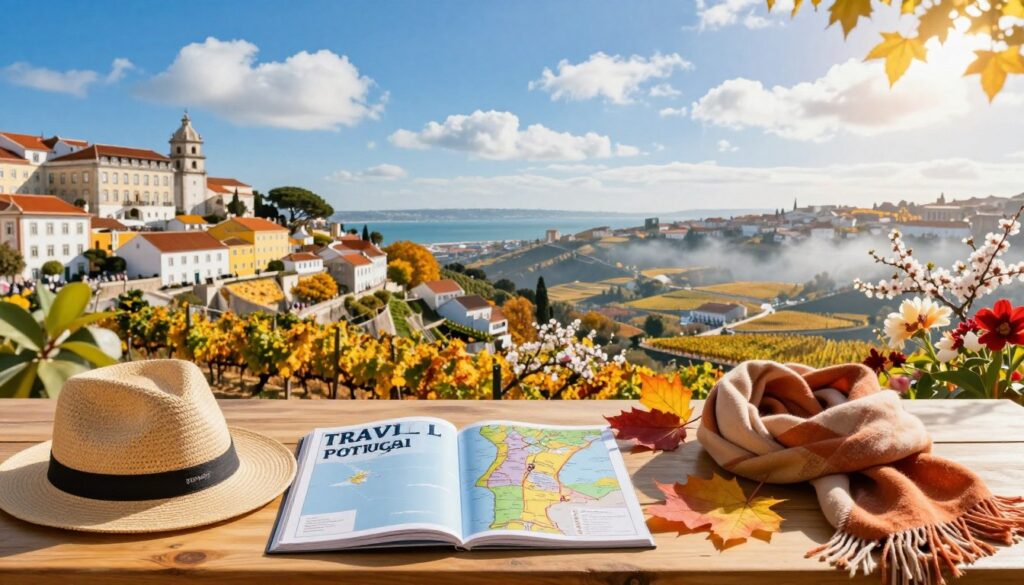
Packing for Portugal depends largely on the season. In the spring (March to May), the weather is mild, with average highs around 22°C (72°F), making it ideal for sightseeing. Summer (June to August) is warm to hot, especially in the interior, with temperatures often above 30°C (86°F), so light, breathable clothing is a must.
In the fall (September to November), the temperatures are generally pleasant, ranging from 15°C to 25°C (59°F to 77°F), but it can be rainy, especially in the north. Winters (December to February) are mild, especially in the Algarve, but can be cool and rainy in other parts of the country, so it’s wise to pack layers.
Transportation Considerations by Season
Transportation in Portugal is relatively straightforward, with options ranging from public buses to rental cars. However, the season can affect your transportation choices. For instance, during peak summer months, public transportation can be crowded, and rental cars may be in high demand.
| Season | Transportation Tips |
|---|---|
| Spring | Enjoy mild weather, ideal for cycling or walking tours. |
| Summer | Be prepared for crowded public transport; consider renting a car. |
| Fall | Rain can affect road conditions; check forecasts before traveling. |
| Winter | Mild in the south, but cooler and rainier in the north; plan accordingly. |
Accommodation Booking Strategies
Booking your accommodation in advance is crucial, especially during peak travel seasons. Summer is the busiest time, with many tourists flocking to Portugal’s beaches and cities. Consider staying in nearby towns or cities if you’re looking for more affordable options or if the main tourist areas are too crowded.
Using accommodation booking platforms can help you compare prices and find the best deals. Additionally, consider the location and the amenities offered, as these can greatly impact your stay.
Conclusion: Planning Your Perfect Portuguese Getaway
Planning a trip to Portugal can be a daunting task, but with the right information, you can create an unforgettable experience. The best time to travel to Portugal depends on your preferences and budget. Whether you’re looking for a relaxing beach vacation or an action-packed adventure, Portugal has something to offer.
By considering the climate, regional variations, and seasonal activities, you can tailor your trip to suit your needs. Spring and fall are ideal for exploring the countryside, while summer is perfect for beachgoers. Winter is a great time to experience Portugal’s rich cultural heritage.
With this guide, you’re now equipped to plan your perfect Portuguese getaway. From the scenic landscapes of the Algarve to the historic streets of Lisbon, Portugal is a destination that will leave you with lifelong memories. Start planning your trip today and discover the best time to travel to Portugal for an unforgettable experience.