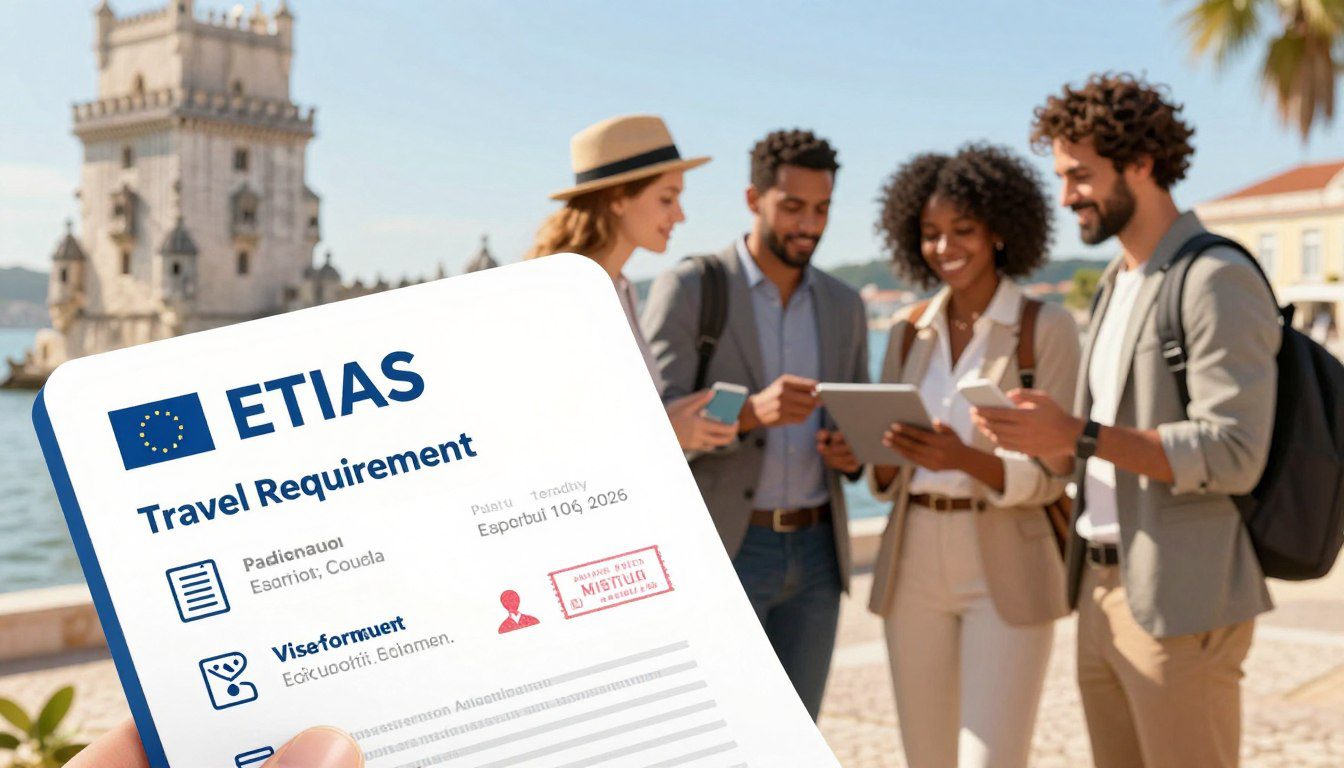
Portugal Travel in 2026: Do You Need an ETIAS?
As 2026 approaches, travelers planning a trip to Portugal are wondering about the new travel requirements. The European Travel Information and Authorization System (ETIAS) is set to change the way people travel to Europe.
Portugal is a popular destination, known for its rich culture and beautiful landscapes. Understanding the new ETIAS requirements is crucial for a smooth journey.
Key Takeaways
- ETIAS will be required for travel to Portugal in 2026.
- The new system aims to enhance security and immigration processes.
- Travelers should be prepared for the new requirements.
- Understanding ETIAS will help ensure a smooth trip.
- Portugal remains a welcoming destination for tourists and business travelers.
Understanding the European Travel Information and Authorization System (ETIAS)
ETIAS is set to revolutionize travel to Europe by enhancing security measures, and here’s what you need to know. The European Travel Information and Authorization System is designed to strengthen the security and immigration processes within the Schengen Area, which includes Portugal.
What is ETIAS and Why Was it Created?
The ETIAS system is a new travel authorization mechanism that aims to identify potential security risks before travelers arrive in Europe. According to the European Commission, “The introduction of ETIAS will allow for the pre-travel screening of visa-exempt travelers, enhancing the security of the external borders of the EU.” This system is part of a broader effort to improve border control and ensure the safety of both EU citizens and visitors.
Key reasons for ETIAS creation include:
- Enhancing security within the Schengen Area
- Improving immigration processes
- Identifying potential security risks before arrival
How ETIAS Differs from Traditional Visas
ETIAS is often compared to traditional visas, but it serves a different purpose and has distinct characteristics. Unlike traditional visas, which are typically required for longer stays or specific purposes, ETIAS is designed for short-term visits. It’s more akin to an electronic travel authorization than a visa.
The main differences are:
- Purpose: ETIAS is for short-term stays, typically up to 90 days.
- Application process: ETIAS applications are online and generally simpler than visa applications.
- Validity: ETIAS is valid for multiple entries over a period of time, usually 3 years.
Countries Implementing the ETIAS System
The ETIAS system will be implemented across the Schengen Area countries, including Portugal. The Schengen Area comprises 26 European countries that have abolished border controls at their common borders.
Some of the countries that will use ETIAS include:
- Portugal
- Spain
- France
- Germany
- Italy
As the implementation date approaches, it’s crucial for travelers to understand the ETIAS requirements and how they will impact travel plans.
Do I Need ETIAS to Travel to Portugal in 2026?
With ETIAS rolling out in 2026, it’s essential to determine if you need this new travel authorization for Portugal. Citizens of visa-exempt countries will need to apply for ETIAS when traveling to Portugal or other Schengen countries. The ETIAS system is designed to enhance security and immigration processes within the European Union.
Who Needs an ETIAS for Portugal Travel
If you’re a citizen of a country that currently enjoys visa-free travel to the Schengen Area, including Portugal, you’ll likely need to apply for ETIAS starting in 2026. This includes travelers from the United States, Canada, Australia, and many other countries. The ETIAS application process is relatively straightforward and is designed to be completed online before your trip.
Eligible travelers will need to provide personal and travel information, including passport details, to receive their ETIAS authorization. It’s crucial to apply for ETIAS before your trip, as without it, you may be denied boarding or entry into Portugal.
Exemptions and Special Cases
While many travelers will need ETIAS, there are some exemptions and special cases to be aware of. Citizens of countries that are not visa-exempt for the Schengen Area will need to follow traditional visa application processes. Additionally, individuals with specific types of travel documents, such as refugee travel documents, may have different requirements.
It’s also worth noting that certain family members of EU citizens may be exempt from the ETIAS requirement under specific circumstances. Travelers should check the official ETIAS website or consult with the relevant Portuguese authorities to determine their specific requirements.
Duration and Validity of ETIAS Authorization
The ETIAS authorization is typically valid for three years or until the traveler’s passport expires, whichever comes first. During this time, travelers can enter Portugal and other Schengen countries multiple times, provided they comply with the terms of their ETIAS authorization.
It’s essential to understand that ETIAS does not guarantee entry into Portugal or other Schengen countries. Border control officers will still assess travelers upon arrival, and ETIAS is just one part of the overall travel requirements.
By understanding who needs ETIAS, the exemptions, and the duration of validity, travelers can better prepare for their trips to Portugal in 2026 and beyond.
Timeline for ETIAS Implementation in Portugal
Travelers planning to visit Portugal in 2026 should be aware of the ETIAS system’s implementation timeline. As the European Travel Information and Authorization System becomes mandatory, understanding the rollout schedule is crucial for a smooth journey.
Original Launch Plans and Delays
The ETIAS system was initially planned for launch in 2023, but it has faced several delays. The current target is to have the system operational by 2026. These delays have been attributed to various factors, including technical complexities and the need for comprehensive coordination among EU member states.
Despite the setbacks, the European Union has been working diligently to ensure a smooth transition to the new system. Travelers should anticipate that the final stages of preparation will be completed in the coming months.
Current Implementation Schedule for 2026
As of now, the ETIAS system is expected to be fully operational by mid-2026. This timeline indicates that travelers visiting Portugal in the latter half of 2026 will likely need to comply with the ETIAS requirements.
The implementation schedule includes several key milestones:
- Finalization of technical preparations
- Launch of the ETIAS application portal
- Training for border control officials
- Public awareness campaigns
Transition Period Information
During the transition period, travelers may still be allowed to enter Portugal without an ETIAS authorization. However, it’s crucial to understand that this grace period will not last indefinitely.
Here’s a summary of the expected transition timeline:
| Period | ETIAS Requirement | Travel Implications |
|---|---|---|
| Pre-2026 | Not required | No ETIAS needed for travel |
| Mid-2026 | Mandatory for non-EU citizens | Travelers must apply for ETIAS before arrival |
| Transition Period | Gradual enforcement | Some flexibility, but compliance encouraged |
To ensure a seamless travel experience, it’s advisable for visitors to Portugal to stay informed about the ETIAS implementation progress and plan accordingly.
Current Entry Requirements for Portugal (Pre-ETIAS)
As we approach 2026, it’s crucial to understand the current entry requirements for Portugal before the ETIAS system comes into effect. US citizens traveling to Portugal for tourism or business purposes currently enjoy relatively straightforward entry requirements.
Visa Requirements for US Citizens
US citizens do not need a visa for stays up to 90 days within a 180-day period for tourism or business. This is due to Portugal’s membership in the Schengen Area, which allows for visa-free travel for US nationals.
Passport Validity Rules
Your passport must be valid for at least three months beyond your intended stay in Portugal. It’s also recommended to have at least two blank pages for entry stamps.
Length of Stay Limitations
The maximum stay allowed without a visa is 90 days within any 180-day period. This rule applies to the Schengen Area as a whole, not just Portugal. It’s essential to track your stay to avoid overstaying.
| Requirement | Description |
|---|---|
| Visa for US Citizens | Not required for stays up to 90 days within 180 days |
| Passport Validity | Must be valid for at least 3 months beyond intended stay |
| Length of Stay | Maximum 90 days within any 180-day period |
Understanding these requirements is crucial for a smooth entry into Portugal. While ETIAS will introduce additional checks, the current regulations remain in place until its implementation.
The ETIAS Application Process for Portugal Visitors
As we approach 2026, travelers planning to visit Portugal will need to navigate the new ETIAS application process. This system is designed to enhance security and streamline entry procedures for visitors from eligible countries, including the United States.
Step-by-Step Application Guide
The ETIAS application process is designed to be straightforward and user-friendly. Here’s a step-by-step breakdown:
- Complete the online application form with personal details, passport information, and travel plans.
- Pay the required ETIAS application fee using a secure online payment system.
- Submit the application and wait for processing.
- Receive your ETIAS authorization via email.
It’s essential to apply well in advance of your travel dates to ensure you receive your ETIAS authorization on time.
Required Documents and Information
To complete the ETIAS application, you’ll need:
- A valid passport with at least three months’ validity beyond your intended stay in Portugal.
- Personal details, including full name, date of birth, and contact information.
- Travel information, such as your intended date of arrival in Portugal and the purpose of your visit.
Having this information readily available will streamline the application process.
Common Application Mistakes to Avoid
To ensure a smooth application process, be aware of these common pitfalls:
- Inaccurate or mismatched information between your application and passport.
- Incomplete travel itineraries or missing details.
- Failure to pay the application fee or using an insecure payment method.
Double-checking your application before submission can prevent unnecessary delays.
Processing Times and Approval Rates
Most ETIAS applications are processed within minutes, but it’s advisable to apply at least 72 hours before your departure. Approval rates are generally high for travelers from eligible countries, but applications may be subject to additional scrutiny in some cases.
Here’s a summary of the ETIAS processing timeline:
| Processing Time | Approval Rate | Recommended Application Time |
|---|---|---|
| Typically a few minutes | High (over 95%) | At least 72 hours before travel |
By understanding the ETIAS application process and preparing accordingly, travelers can ensure a smooth and enjoyable journey to Portugal in 2026.
ETIAS Costs and Fees for US Travelers
US citizens planning to travel to Portugal in 2026 should be aware of the ETIAS costs and fees associated with their trip. Understanding these expenses is crucial for budgeting purposes and to avoid any last-minute surprises.
Standard Application Fees
The standard application fee for ETIAS is expected to be around €7. This fee is applicable to most travelers, including those from the US, and is valid for multiple entries over three years or until the passport expires, whichever comes first.
Key points about the ETIAS application fee:
- €7 per application
- Valid for multiple entries
- Three-year validity or until passport expiration
Payment Methods and Currency Options
The ETIAS application process will offer various payment methods for convenience. While the exact options are still being finalized, it’s anticipated that major credit and debit cards will be accepted. The application fee will be payable in euros, aligning with the European currency.
Accepted payment methods are likely to include:
- Major credit cards (Visa, Mastercard, etc.)
- Debit cards
- Other online payment methods

Fee Exemptions and Reductions
Certain categories of travelers may be exempt from the ETIAS fee or eligible for a reduced rate. For instance, children under the age of 18 and individuals aged 70 and above are likely to be exempt from paying the fee.
Potential exemptions include:
- Children under 18 years old
- Individuals aged 70 and above
- Other special categories (as defined by ETIAS regulations)
It’s essential for US travelers to check the official ETIAS website for the most up-to-date information on fees, exemptions, and application procedures to ensure a smooth travel experience to Portugal in 2026.
How ETIAS Affects Different Types of Travel to Portugal
The introduction of ETIAS in 2026 will change the way various types of travelers plan their visits to Portugal. As the European Travel Information and Authorization System becomes a mandatory requirement, understanding its implications on different travel purposes is essential for a hassle-free trip.
Tourist Visits and Vacation Planning
For tourists, ETIAS will be a straightforward process. Travelers from visa-exempt countries, including US citizens, will need to apply online before their trip. The ETIAS authorization is expected to be processed quickly, usually within minutes, allowing tourists to finalize their travel plans without significant delays.
Tourists should apply for ETIAS at least 72 hours before departure to account for any unforeseen processing delays. It’s also advisable to check the validity of their passport, as it must be valid for at least three months beyond their intended stay in Portugal.
Business Travel Requirements
Business travelers to Portugal will also need to obtain ETIAS authorization. The process is similar to that for tourists, but business travelers may need to provide additional information about their trip, such as the purpose of their visit, their employer’s details, and their intended activities in Portugal.
It’s crucial for business travelers to ensure that their ETIAS application accurately reflects their travel plans. Any discrepancies could lead to delays or even denial of their ETIAS application.
| Business Travel Details | Required Information |
|---|---|
| Purpose of Visit | Conference, meeting, or business negotiation |
| Employer’s Details | Company name, address, and contact information |
| Intended Activities | Specific business activities planned during the visit |
Students and Educational Visits
Students planning to study in Portugal will need to apply for ETIAS if they are from a visa-exempt country. While the ETIAS application process is relatively simple, students should be prepared to provide details about their educational plans, including their host institution and the duration of their stay.
For longer study periods, students may need to explore additional visa requirements beyond ETIAS. It’s essential to check with the relevant Portuguese authorities to determine the specific requirements for their situation.
Family Visits and Special Circumstances
Travelers visiting family in Portugal will also be subject to the ETIAS requirement. They should be prepared to provide information about their relationship with their hosts and the purpose of their visit. In cases of special circumstances, such as medical emergencies or family emergencies, travelers should be aware that ETIAS processing times may not accommodate last-minute travel.
In such cases, travelers may need to explore alternative travel arrangements or seek expedited processing options if available.
Traveling Within Portugal and the EU with an ETIAS
ETIAS opens up a world of travel possibilities within the EU, making it easier to visit Portugal and other Schengen countries. With your ETIAS authorization, you can enjoy a seamless travel experience across multiple European destinations.
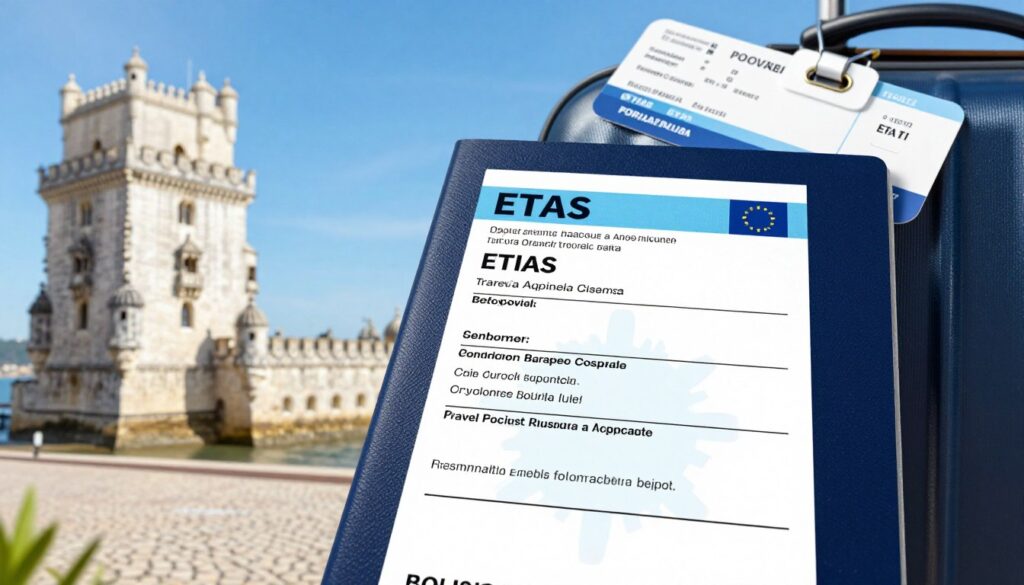
How to Present Your ETIAS at Portuguese Borders
When arriving in Portugal, you’ll need to present your ETIAS authorization at the border control. Ensure that you have a printed or digital copy of your ETIAS approval readily available. Border officials may ask to see your travel documents, including your passport and proof of onward travel.
Tips for a smooth border crossing: Make sure your passport is valid for at least three months beyond your intended stay, and have proof of sufficient funds for your visit.
Multiple Entries and Travel Between Schengen Countries
One of the benefits of ETIAS is the ability to make multiple entries into Portugal and other Schengen countries within the validity period of your authorization. You can travel in and out of Portugal as many times as you wish, as long as you comply with the 90-day stay limit within any 180-day period.
- Travel freely between Portugal and other Schengen countries
- No need to apply for a new ETIAS for subsequent visits within the validity period
- Ensure your passport remains valid for the duration of your stay
What to Do If Your Travel Plans Change
If your travel plans change after obtaining your ETIAS, you don’t need to reapply. Your ETIAS remains valid for multiple entries into the Schengen Area, including Portugal, as long as your passport and authorization are valid.
Important: If your travel plans change significantly, such as visiting countries outside the Schengen Area, ensure that your ETIAS and passport remain valid for your return to Portugal or other Schengen countries.
Handling ETIAS Denials or Expirations
In the event that your ETIAS application is denied, you’ll receive a notification explaining the reasons for the denial. You may have the option to appeal the decision or reapply with corrected information.
If your ETIAS expires while you’re in Portugal or another Schengen country, you should plan your departure or apply for an extension if eligible. Ensure that you comply with the visa regulations to avoid any issues during your stay.
Practical Tips for Portugal Travel Planning in 2026
Planning a trip to Portugal in 2026 requires some extra steps, thanks to the new ETIAS system. As you prepare for your journey, it’s crucial to understand how to navigate these changes effectively.
When to Apply for Your ETIAS
Applying for ETIAS in advance is highly recommended to avoid any last-minute delays or complications. The ETIAS application process is relatively straightforward, but it should be done with sufficient time before your trip.
Tip: Submit your ETIAS application at least 72 hours before your planned departure date to ensure you receive your authorization in time.
Combining Portugal with Other European Destinations
Portugal is often just one stop on a larger European adventure. With ETIAS, you’ll have the flexibility to visit multiple Schengen countries, including Portugal, with a single authorization.
- Plan your itinerary to include major cities like Lisbon and Porto.
- Consider visiting neighboring countries like Spain or France.
- Make the most of your ETIAS by exploring the diverse cultures within the Schengen Area.
Travel Insurance and Health Requirements
While ETIAS is not a visa, it’s still important to ensure you have adequate travel insurance and meet health requirements for your trip.
| Insurance Type | Coverage | Recommendation |
|---|---|---|
| Medical Insurance | €30,000 minimum coverage | Highly Recommended |
| Travel Cancellation | Varies | Recommended |
Digital Tools and Resources for ETIAS Travelers
To make your travel planning easier, utilize digital tools and resources designed for ETIAS travelers.
Official ETIAS Website: The best source for up-to-date information on the application process and requirements.
By following these practical tips, you’ll be well-prepared for your trip to Portugal in 2026, ensuring a smooth and enjoyable journey.
Conclusion: Preparing for Your 2026 Portugal Adventure
As you plan your trip to Portugal in 2026, understanding the European Travel Information and Authorization System (ETIAS) is crucial. If you’re wondering “do I need ETIAS to travel to Portugal in 2026,” the answer depends on your nationality and the purpose of your visit.
For US citizens, an ETIAS authorization will be required for stays up to 90 days within a 180-day period. The application process is straightforward and can be completed online. By being informed about ETIAS and other travel requirements, you can ensure a smooth and enjoyable journey to Portugal.
To make the most of your 2026 Portugal adventure, apply for your ETIAS in advance and stay up-to-date with the latest travel regulations. With proper preparation, you can focus on exploring the beauty and culture that Portugal has to offer.