Explore Portugal’s Captivating Castle Road Trip
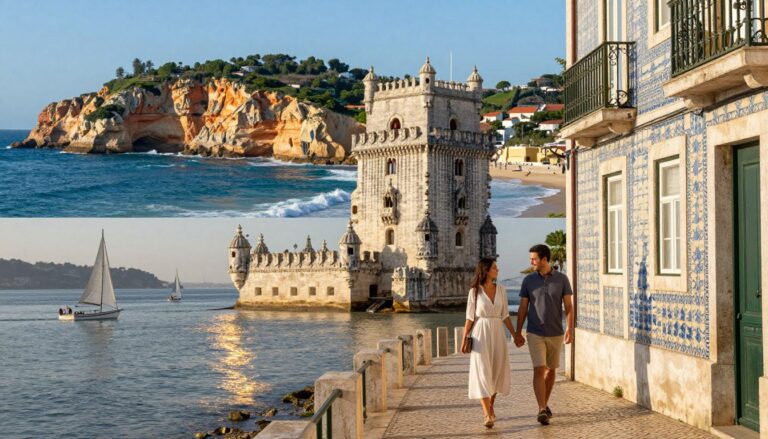
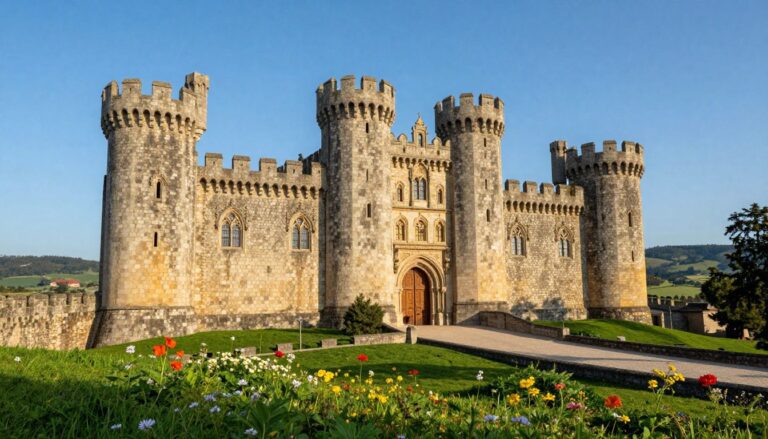
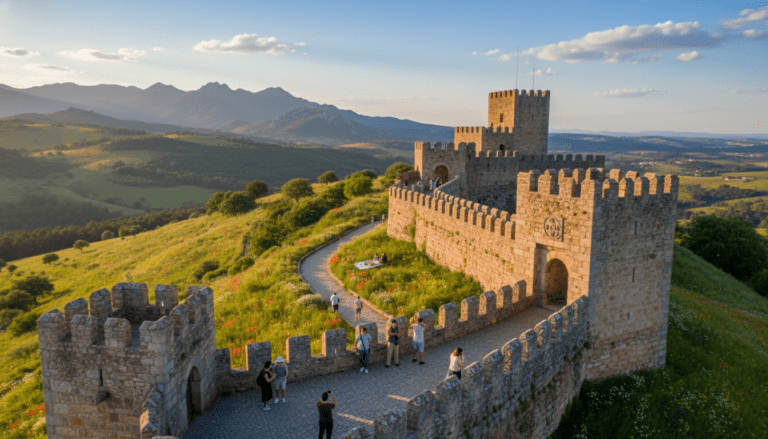
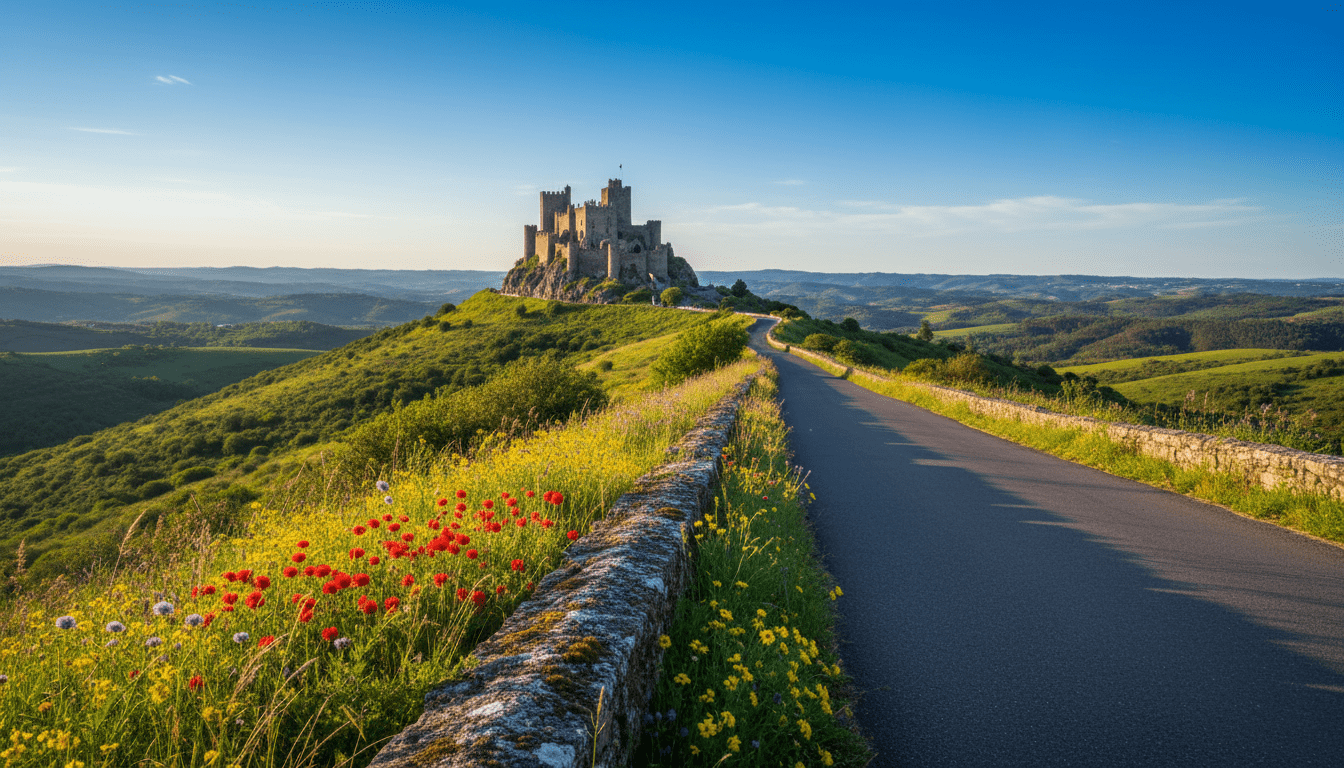
Picture yourself winding through sun-drenched valleys and misty mountain peaks, where medieval fortresses stand guard over ancient towns. A castle road trip Portugal adventure offers exactly this magical experience. You’ll discover centuries of history wrapped in stunning stone walls and towering battlements.
From the dramatic northern fortresses perched on rocky cliffs to the colorful palaces of Sintra and the Moorish monuments of the south, every turn reveals something extraordinary. This Portugal castle tour gives you the freedom to explore at your own pace. The distances between sites are refreshingly short, making it easy to visit multiple locations in a single day.
What makes this journey truly special isn’t just the architecture. You’ll immerse yourself in captivating stories that shaped a nation. These monuments witnessed the birth of a kingdom, epic battles, and maritime glory days. Each fortress and palace holds secrets waiting for you to discover them.
Get ready for an unforgettable adventure through one of Europe’s most rewarding historic destinations.
Why Portugal is a Castle Lover’s Paradise
Few countries pack as much castle diversity into such a compact space as Portugal does. This small European nation offers castle enthusiasts an incredible journey through nearly a thousand years of architectural history. From 9th-century Moorish strongholds to romantic 19th-century palaces, the variety is simply breathtaking.
The concentration of Portuguese castles is remarkable when you consider the country’s size. You’ll find well-preserved fortresses perched on dramatic hilltops, offering panoramic views that stretch for miles. Many of these structures remain in excellent condition, allowing visitors to walk through history with every stone step.
Portugal’s strategic location on the Iberian Peninsula created centuries of fortification building. The Moors constructed defensive structures starting in the 8th century. Later, Christian forces built imposing fortresses during the Reconquista, the centuries-long campaign to reclaim territory. Even after, medieval castles Portugal continued to evolve as protection against Spanish invasions and Atlantic pirates.
What makes Portuguese fortresses truly special is their stunning architectural variety. You’ll encounter massive medieval fortifications with thick stone walls and imposing towers. Renaissance palaces showcase elegant proportions and refined details. Mysterious Moorish strongholds feature distinctive North African influences with intricate tilework and horseshoe arches.
The diversity doesn’t stop there. Romantic 19th-century revival castles add fantasy and color to the landscape. Each style represents a different chapter in Portugal’s fascinating story. The historic castles Portugal offers span multiple civilizations and architectural movements.
Beyond historical significance, Portuguese fortresses offer practical advantages for travelers. Portugal’s compact geography means you can easily visit multiple castles in a single day. The driving distances between major sites rarely exceed two hours. Excellent road infrastructure makes navigation straightforward and enjoyable.
Entrance fees remain refreshingly affordable compared to famous French or German castles. Most Portuguese castles charge between €3-€10 for admission. You’ll also appreciate the smaller crowds, which allow for more intimate exploration and better photography opportunities.
The castle road trip experience extends beyond stone walls and battlements. Portugal welcomes visitors with outstanding cuisine, from fresh seafood to hearty regional specialties. World-class wine regions sit nestled between castle stops, inviting spontaneous tastings. Scenic coastal drives connect fortress towns, while charming villages offer authentic Portuguese culture between your historical explorations.
This combination of density, diversity, affordability, and accessibility makes Portugal an unbeatable destination. Castle enthusiasts discover that medieval castles Portugal provides everything they could want—rich history, stunning architecture, manageable logistics, and delightful cultural experiences—all wrapped into one unforgettable journey.
Planning Your Ultimate Portugal Castle Road Trip
The key to an extraordinary castle adventure in Portugal lies in strategic planning that balances time, weather, and travel logistics. Your Portugal road trip planning should account for seasonal variations, driving conditions, and how much ground you can comfortably cover. With the right preparation, you’ll create memories that last a lifetime while exploring some of Europe’s most breathtaking fortresses.
This comprehensive Portugal travel guide breaks down the essential elements you need to consider before hitting the road. From choosing the perfect season to mapping out your route, these insights will help you craft an unforgettable journey through centuries of Portuguese history.
Timing Your Visit for the Best Castle Experience
Selecting the right season dramatically impacts your castle exploration experience. Spring months from April through May offer ideal conditions with mild temperatures ranging from 60-75°F and landscapes bursting with wildflowers around fortress walls. The weather stays pleasant, and you’ll encounter fewer tourists at most sites.
Fall presents equally compelling advantages for your Portugal castle itinerary. September and October deliver comfortable temperatures and crystal-clear skies that make fortress photography spectacular. The summer crowds have dispersed, giving you more intimate experiences at popular castles like Pena Palace and Óbidos.
Summer brings the longest daylight hours, which means extended castle visiting times. However, temperatures can climb above 85°F in southern regions, and popular sites get crowded with European vacationers. If you visit during July or August, plan to explore castles early in the morning or late afternoon to avoid both heat and crowds.
Winter offers a surprisingly pleasant alternative for castle enthusiasts. From November through March, you’ll find virtually empty fortresses and significantly lower accommodation costs. Temperatures remain mild in most regions, though northern mountain castles like Bragança may experience rain and occasional cold snaps.
Navigating Portuguese Roads with Confidence
American travelers often worry about driving in Portugal, but the experience is refreshingly straightforward. Portuguese roads are well-maintained, signage appears in clear lettering, and traffic flows on the right side—just like home. You don’t need an international driving permit for Portugal; your valid US driver’s license works perfectly for rentals and legal driving.
Car rental services operate at all major airports and city centers throughout Portugal. Companies like Europcar, Sixt, and Hertz offer competitive rates, with manual transmissions as the standard option. If you prefer automatic transmission, reserve well in advance and expect to pay 20-30% more.
The toll road system in Portugal uses electronic collection on major highways. Most rental companies provide a toll device or transponder that automatically charges fees to your credit card. Alternative routes using national roads take longer but offer scenic drives through charming villages and countryside.
GPS navigation proves invaluable for castle hunting, though you should download offline maps as backup. Cell service can weaken in mountainous regions where many fortresses stand. Portuguese drivers generally show courtesy on the road, though urban areas like Lisbon and Porto require defensive driving during rush hours.
Parking at castle sites rarely presents challenges. Most fortresses offer dedicated parking lots or street parking nearby, usually free or charging minimal fees. Historic town centers may restrict vehicle access, so look for designated visitor parking areas just outside pedestrian zones.
Crafting Your Perfect Castle Route
Your Portugal castle itinerary length depends on how deeply you want to explore each region. A concentrated 5-day trip focusing on Lisbon, Sintra, and Óbidos provides an excellent introduction to Portuguese castle architecture. This compact route covers fairytale palaces, Moorish ruins, and medieval villages without exhausting travel time.
A 7-10 day comprehensive journey allows you to experience castles from northern fortresses to southern Moorish strongholds. This timeframe gives you flexibility to spend quality time at each site, enjoy local cuisine, and adjust your pace without rushing. You’ll capture the diversity of Portuguese castle styles while maintaining a comfortable travel rhythm.
Serious castle enthusiasts should consider a leisurely 2-week exploration. This extended Portugal road trip planning permits visits to lesser-known fortresses, spontaneous detours to discover hidden gems, and deeper immersion in regional culture. You can include mountain castles that require longer drives and explore multiple castles in dense historical regions.
| Trip Duration | Castle Count | Geographic Coverage | Best For |
|---|---|---|---|
| 5 Days | 6-8 Major Castles | Central Portugal & Lisbon Area | First-time visitors wanting highlights |
| 7-10 Days | 12-15 Castles | North to South Coverage | Comprehensive castle tour enthusiasts |
| 14 Days | 18-22 Castles | Complete Portugal with Hidden Gems | History buffs and photography lovers |
| 3-4 Days | 4-6 Regional Castles | Single Region Focus | Weekend warriors and quick getaways |
Circular routes starting from Lisbon or Porto minimize backtracking and maximize efficiency. A classic southern loop begins in Lisbon, sweeps through Sintra’s palaces, continues to Óbidos, then ventures south to Algarve castles before returning via the coast. Northern routes from Porto explore Guimarães, Bragança, and Chaves in a logical mountain-to-valley progression.
Clustering castles by geographic proximity saves valuable travel time. The Lisbon-Sintra-Óbidos triangle sits within 90 minutes of driving. Northern fortresses around Guimarães and Braga form another natural cluster. Southern castles like Silves and Marvão work well as stopping points between major cities rather than day trips.
Consider thematic routing to enhance your experience. A Moorish heritage route connects castles in the south with distinctive Islamic architectural elements. A medieval Christian stronghold path follows the northern frontier castles built during the Reconquista. Coastal fortification routes trace maritime defense systems along Portugal’s Atlantic shore.
Build flexibility into your daily driving schedule. Portugal’s winding mountain roads and coastal highways reward leisurely exploration more than aggressive time management. Plan for 2-3 hours of driving per day maximum, leaving ample time for castle tours, meals, and unexpected discoveries along your route.
Northern Portugal’s Medieval Fortresses
Journey through Northern Portugal’s mountainous regions to discover medieval strongholds that witnessed the birth of a nation. These Northern Portugal castles represent the rugged, military-focused architecture that defined Portugal’s early defensive strategy. Unlike the colorful palaces found elsewhere, these fortresses feature thick stone walls, imposing towers, and strategic positions near the Spanish border.
The northern territories showcase Portuguese monuments built for function rather than decoration. Their remote locations and austere design reflect centuries of border conflicts and territorial defense. Each fortress tells a unique story of military engineering and national identity that makes castle hopping Portugal an unforgettable historical experience.
These medieval fortresses offer visitors an authentic glimpse into Portugal’s founding era. The dramatic mountain backdrops and well-preserved defensive structures create an atmosphere that transports you back to the age of knights and sieges.
Guimarães Castle: The Birthplace of Portugal
Guimarães Castle stands as the cradle of Portuguese nationality, where the nation’s first king drew his first breath in 1110. This 10th-century fortress features seven distinctive towers that rise dramatically above the medieval town center. The castle’s imposing granite walls witnessed the birth of Afonso Henriques, who would later establish Portugal’s independence from the Kingdom of León.
Walking through the castle grounds reveals the military architecture that protected the royal family during Portugal’s formative years. The central keep and defensive walls remain remarkably intact, allowing visitors to experience the fortress much as it appeared during medieval times. The battlements offer sweeping views of the surrounding UNESCO World Heritage town below.
The charming historic district surrounding the castle deserves equal attention during your visit. Cobblestone streets wind past medieval buildings, traditional restaurants, and the Dukes of Bragança Palace. This combination of castle and town makes Guimarães an essential stop when exploring Northern Portugal castles.
Plan to spend at least two hours exploring both the fortress and the town center. The castle entrance fee is modest, and the site offers excellent interpretive displays about Portugal’s founding. Early morning visits provide the best lighting for photography and fewer crowds.
Bragança Castle: Frontier Fortress in the Mountains
Perched in the remote Trás-os-Montes region, Bragança Castle rewards travelers with one of Portugal’s most dramatically positioned fortresses. This 15th-century stronghold sits atop a rocky outcrop with commanding views of the surrounding mountains. The isolation that once made it a formidable defensive position now creates an authentic, less-touristy atmosphere.
The castle’s most impressive feature is its remarkably preserved military tower, standing 33 meters tall. Climbing to the top requires navigating narrow medieval staircases, but the panoramic mountain vistas make every step worthwhile. The tower’s defensive features remain clearly visible, including arrow slits and machicolations.
Within the castle walls, visitors discover the unusual Domus Municipalis, a rare example of Romanesque civic architecture in Portugal. This pentagonal building dates to the 12th century and originally served as a meeting place for municipal representatives. Its unique architectural style sets it apart from typical Portuguese monuments found elsewhere.
The surrounding mountain scenery enhances the castle’s appeal for castle hopping Portugal enthusiasts. The journey to Bragança takes you through spectacular landscapes of cork oak forests and traditional villages. The remote location means fewer international tourists, offering a more intimate historical experience.
Chaves Castle: Roman Heritage Meets Medieval Power
Chaves Castle represents a fascinating fusion of Roman engineering and medieval military architecture. Built atop Roman foundations near natural hot springs, this fortress occupied a strategic position defending Portugal’s northern border for centuries. The combination of ancient Roman walls and later medieval additions creates a unique architectural timeline.
The castle’s keep, built in the 14th century by King Dinis, dominates the town’s skyline. This square tower served as both a defensive structure and a symbol of royal authority. Visitors can climb to the top for impressive views of the Tâmega River valley and the Spanish mountains beyond.
The Roman heritage surrounding the castle adds another dimension to your visit. The nearby Roman bridge, dating to the 1st century AD, remains in use today. Hot springs that attracted Roman settlers still flow through the town, creating unique thermal pools where you can relax after exploring the fortress.
Chaves offers excellent local cuisine and regional wines that complement your castle visit. The town’s restaurants serve traditional dishes influenced by centuries of border culture. Plan your visit to include time for both historical exploration and culinary experiences.
| Castle | Key Features | Historical Significance | Best For |
|---|---|---|---|
| Guimarães Castle | Seven towers, 10th-century fortress, UNESCO town | Birthplace of Portugal’s first king and nation | History enthusiasts, first-time visitors |
| Bragança Castle | 33-meter tower, Domus Municipalis, mountain setting | Remote frontier defense, Romanesque architecture | Adventure travelers, authentic experiences |
| Chaves Castle | Roman foundations, thermal springs, river valley views | Roman-medieval fusion, border defense strategy | Architecture lovers, wellness seekers |
These three fortresses form the core of any northern castle route. Each offers distinct architectural styles, historical narratives, and surrounding attractions. The combination of military history, stunning landscapes, and authentic Portuguese culture makes this region essential for serious castle enthusiasts.
Driving between these Northern Portugal castles typically requires 2-3 days for a thorough exploration. The distances are manageable, with Guimarães to Bragança taking approximately two hours, and Bragança to Chaves another 90 minutes. This allows time for leisurely visits and spontaneous stops at viewpoints and traditional villages along the way.
Central Portugal’s Historic Strongholds
The central region of Portugal holds some of the nation’s most impressive castle treasures, each revealing a unique chapter in Portuguese history. This heartland area showcases fortresses that blend military defense with residential grandeur and religious significance. Unlike the frontier castles of the north, these central strongholds reflect periods of prosperity and cultural achievement.
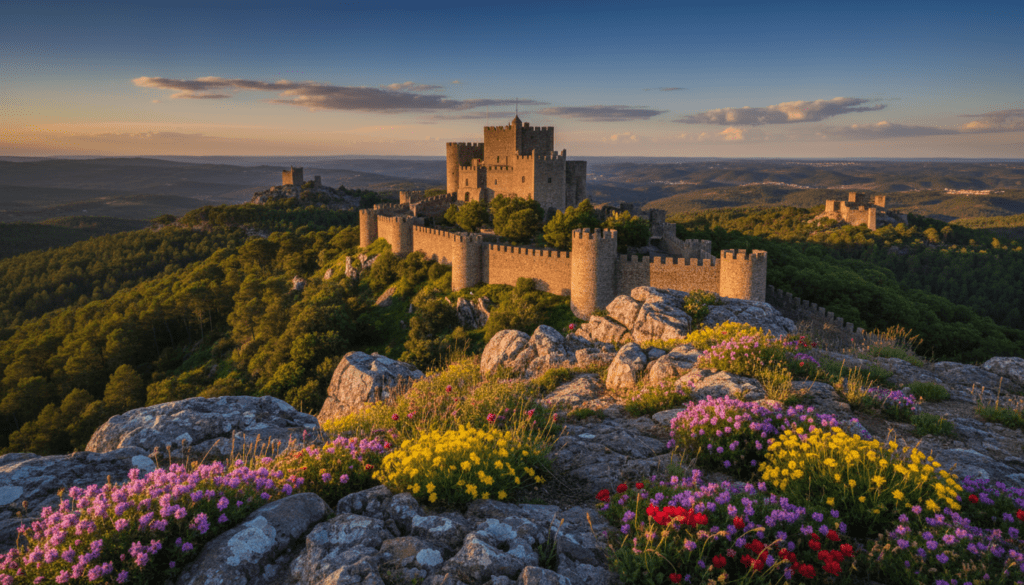
As you travel along your Portugal castle route through this region, you’ll discover architectural marvels that served kings, knights, and religious orders. The castles here offer perfectly preserved medieval villages, Knights Templar secrets, and panoramic views over forests and valleys. Each fortress tells a different story about Portugal’s golden age.
Óbidos Castle: A Fairytale Village Within Walls
Óbidos represents one of the best castles Portugal has to offer, combining a complete medieval village with fortress walls. The entire town sits within protective ramparts that you can walk along for spectacular views. Whitewashed houses adorned with blue and yellow trim line narrow cobblestone streets that feel frozen in time.
The castle walls stretch around the village perimeter, creating an enchanting atmosphere that captivates every visitor. You can walk the full circuit of ramparts, though some sections require a good head for heights. The views reward your courage with stunning panoramas of the surrounding countryside and terracotta rooftops below.
What makes Óbidos truly special is the opportunity to stay overnight in the castle itself. The main fortress tower has been converted into a luxury pousada, allowing guests to sleep within medieval walls. Even if you don’t stay overnight, exploring the village reveals charming shops, cafes, and the famous ginjinha cherry liqueur served in edible chocolate cups.
Key highlights of visiting Óbidos include:
- Walking the complete circuit of castle ramparts for 360-degree views
- Exploring the narrow medieval streets and local artisan shops
- Sampling ginjinha de Óbidos in traditional chocolate cups
- Visiting the Igreja de Santa Maria where King Afonso V married at age ten
- Experiencing the castle-turned-hotel for an unforgettable overnight stay
Tomar Castle and Convent of Christ
Tomar Castle stands as one of Portugal’s most significant UNESCO World Heritage sites and a highlight of any medieval fortresses Portugal journey. This massive complex served as headquarters for the Knights Templar, one of history’s most mysterious military religious orders. The fortress walls protect the remarkable Convent of Christ, a masterpiece of architectural evolution spanning five centuries.
The Charola, or round church, forms the spiritual heart of the complex. This unique octagonal temple was designed for knights to attend mass on horseback before battle. The interior glows with golden decorations and religious symbolism that still captivates visitors today.
Tomar’s connection to Portugal’s Age of Discovery adds another fascinating layer to its history. Prince Henry the Navigator served as Grand Master of the Order of Christ, the successor to the Knights Templar. The castle and convent became a symbol of Portugal’s maritime expansion and global exploration.
The Manueline Window stands as the complex’s most photographed feature. This ornate window displays intricate stone carvings depicting maritime themes, ropes, coral, and nautical instruments. The craftsmanship represents the height of Portuguese Gothic-Renaissance architecture.
Must-see features at Tomar include:
- The Charola round church with its mysterious octagonal design
- The famous Manueline Window with maritime stone carvings
- Eight distinctive cloisters representing different architectural periods
- Templar symbolism and secret codes carved throughout the complex
- Panoramic views from the castle ramparts over Tomar town
Leiria Castle: Overlooking Pine Forests and City
Leiria Castle crowns a hilltop above the historic city, offering commanding views over urban landscapes and the famous Pinhal de Leiria forest beyond. This beautifully restored royal residence combines military architecture with elegant Gothic elements. Portuguese kings used Leiria as a favored retreat and administrative center during medieval times.
The castle’s royal palace features graceful Gothic arches and large windows uncommon in military fortifications. These architectural choices reflect Leiria’s role as a residential castle rather than purely defensive structure. King Dinis and Queen Isabel spent considerable time here, transforming it into a comfortable royal residence.
Recent restoration work has brought Leiria Castle back to impressive condition. Visitors can now explore the keep, royal chambers, and walk along reconstructed sections of the defensive walls. The on-site museum provides context about the castle’s history and the daily life of medieval Portuguese royalty.
The panoramic terrace delivers sweeping views that make the climb worthwhile. You’ll see the modern city of Leiria spreading below, the distant pine forest planted by King Dinis to provide timber for Portugal’s shipbuilding industry, and rolling hills stretching to the horizon. On clear days, you can spot the Atlantic Ocean glimmering in the distance.
Highlights of Leiria Castle include:
- Gothic royal palace with elegant arched windows and galleries
- Impressive keep tower with multiple floors to explore
- Panoramic views over Leiria city and surrounding countryside
- Medieval museum showcasing artifacts and historical exhibits
- Evening illumination that transforms the castle into a glowing landmark
Sintra’s Fairy-Tale Palaces and Castles
Just 30 minutes from Lisbon, Sintra’s magical microclimate wraps its fairy-tale Sintra palaces and ancient fortresses in an ethereal mist that captivates every visitor. This UNESCO World Heritage site deserves at least a full day of exploration on your Portugal castle tour. The mountain town showcases the finest examples of Romantic architecture anywhere in Europe.
The concentration of historic sites here transforms your castle road trip Portugal into something truly extraordinary. Morning fog often blankets the hillsides, creating mystical atmospheres around colorful palaces. As the day progresses, the mist reveals stunning architectural treasures one by one.
Plan your visit carefully, as European castle tours rarely offer such variety in a compact area. Each palace and castle tells a different story, from Moorish conquest to Romantic excess. The winding mountain roads connect these monuments in a scenic journey that feels like stepping into a storybook.
Portugal’s Most Colorful Castle
Pena Palace stands as the crown jewel of Sintra palaces, with its vibrant yellows and reds visible from miles away. King Ferdinand II commissioned this 19th-century Romanticist masterpiece, which blends Gothic, Manueline, Moorish, and Renaissance elements into one spectacular structure. The eclectic design creates a visual feast that photography barely captures.
Terraces surrounding the palace offer breathtaking views over the Atlantic Ocean and distant Lisbon. On clear days, you can see for miles across the Portuguese coastline. The elevated position makes it one of the most photographed locations on any Portugal castle tour.
Arriving early beats the crowds that flock here throughout the day. The palace opens at 9:30 AM, and securing tickets online saves valuable time. Wear comfortable shoes, as steep paths wind through the exotic park surrounding the palace.
The park itself deserves exploration, featuring plants from former Portuguese colonies worldwide. Winding trails lead through forest groves and past hidden fountains. Budget at least two to three hours to fully appreciate both palace and grounds.
Ancient Ruins with Spectacular Views
The Moorish Castle crowns Sintra’s hilltops with atmospheric 8th and 9th-century ruins that predate most European castle tours destinations. Walking along the ancient stone walls rewards visitors with spectacular panoramic views of the surrounding countryside. The fortification snakes across rocky peaks in a dramatic display of medieval engineering.
During Moorish occupation, this strategic position controlled trade routes and protected settlements below. Christian forces eventually captured the castle in 1147, but its Islamic heritage remains evident. King Ferdinand II later commissioned a romantic restoration that preserved the ruins while making them accessible.
The walk between towers takes about an hour at a leisurely pace. Some sections feature steep steps and uneven surfaces, so proper footwear is essential. Morning visits often reward explorers with mystical fog flowing over the battlements.
Combine your visit here with Pena Palace, as both sites sit close together on the mountain. A walking trail connects them, though the uphill climb challenges less experienced hikers. Many travelers opt to drive between locations instead.
Gothic Mystery and Enchanted Gardens
Quinta da Regaleira unveils mysteries at every turn, from Gothic towers to elaborate gardens hiding secret tunnels beneath. This estate captivates visitors with its symbolic architecture related to Templar and Masonic traditions. The property transforms your castle road trip Portugal into an enchanting treasure hunt.
The famous Initiation Well spirals 89 feet underground through nine platforms representing Dante’s circles. Stone steps wind down into darkness before emerging into sunlight through underground grottos. This theatrical descent creates unforgettable experiences for adventurous travelers.
Gardens surrounding the main palace feature hidden pathways, mysterious statues, and surprise water features. Children and adults alike enjoy discovering secret passages connecting different parts of the estate. Allow at least two hours to explore the property thoroughly.
The palace interior showcases ornate rooms filled with symbolic decorations and historical artifacts. Audio guides explain the meaning behind various architectural elements. This context enriches the experience, revealing layers of meaning in seemingly decorative details.
Unlike crowded Sintra palaces like Pena, Quinta da Regaleira often feels more intimate and explorable. The estate attracts fewer tour buses, creating opportunities for peaceful contemplation. Visit in late afternoon when day-trippers depart for the most serene experience.
Lisbon Area Fortifications and Coastal Castles
Just beyond the capital’s bustling streets, ancient Portuguese fortresses stand as timeless sentinels over wine country and fishing villages. The greater Lisbon region rewards travelers with some of the country’s most accessible castle experiences. These fortifications combine urban convenience with spectacular coastal scenery, making them perfect for day trips or strategic stops on your journey southward.
The castles surrounding Lisbon tell stories of Moorish conquest, Christian reconquest, and strategic coastal defense. You can explore a hilltop fortress in the morning, enjoy wine tasting at a castle hotel by afternoon, and watch the sunset over the Atlantic from medieval ramparts. This diversity makes the Lisbon area an essential chapter in your castle road trip adventure.
Mighty Hilltop Guardian of the Capital
São Jorge Castle crowns Lisbon’s highest hill, offering visitors one of the most iconic experiences among Lisbon castles. This fortress traces its roots to the 11th century when Moorish rulers built it as their royal residence. The commanding position provided strategic advantages that made it the city’s defensive heart for centuries.
Walking along the ancient battlements reveals 2,500 years of continuous occupation through fascinating archaeological sites scattered across the grounds. The eleven towers provide different perspectives of Lisbon’s terracotta rooftops cascading down to the Tagus River. Peacocks roam freely through the courtyards, adding an unexpected touch of elegance to your exploration.
Sunset transforms this fortress into something magical. The golden light bathes Lisbon’s hills while the river shimmers below. Plan to arrive at least two hours before closing to fully appreciate the castle’s scale and atmosphere.
The location within Alfama, Lisbon’s oldest neighborhood, creates perfect opportunities for combining castle exploration with wandering through narrow medieval streets. Traditional fado music drifts from neighborhood restaurants after your visit, completing an authentic Portuguese experience.
Wine Country’s Elevated Retreat
Palmela Castle rises above the Setúbal Peninsula’s rolling vineyards, offering travelers a unique opportunity for castle accommodations Portugal. This converted pousada lets you sleep within medieval walls while enjoying modern luxury amenities. The transformation respects the fortress’s heritage while providing comfortable overnight stays.
The castle combines Moorish foundations with Christian medieval additions, creating architectural layers that history enthusiasts appreciate. From the ramparts, panoramic views stretch across wine country to the Atlantic coast. The peaceful atmosphere contrasts beautifully with Lisbon’s urban energy just thirty miles north.
Wine lovers find this location particularly rewarding. The surrounding region produces excellent wines, and several renowned vineyards welcome visitors for tastings. You can spend mornings touring wine estates and afternoons relaxing within castle walls, watching shadows lengthen across the vineyards below.
The on-site restaurant serves regional cuisine featuring local ingredients and wines. Dining in a castle courtyard under Portuguese stars creates memories that standard hotels simply cannot match. Booking ahead is essential, especially during peak travel months when these unique rooms fill quickly.
Where Peaks Meet the Ocean
Sesimbra Castle occupies one of the most dramatic positions among historic castles Portugal. This Moorish-era fortress perches on mountain slopes directly above a charming fishing village and Atlantic beaches. The setting creates a rare combination where you can admire both mountain wilderness and ocean vistas from the same medieval walls.
The climb to reach this fortress rewards effort with breathtaking views. Original Moorish construction dates to the 9th century, though Christian forces expanded the fortifications after conquest. Walking the restored battlements, you understand why military strategists chose this location for controlling both inland routes and coastal approaches.
The contrast between ancient stone walls and modern beach culture below creates fascinating juxtaposition. Fishing boats bob in the harbor while restaurants prepare fresh seafood catches. After exploring the castle ruins, descend to the village for grilled sardines or seafood rice at waterfront establishments.
Photography enthusiasts particularly appreciate Sesimbra’s dual character. Morning light illuminates the castle from the east, while afternoon sun creates perfect conditions for capturing the village and beaches. The surrounding Arrábida Natural Park offers hiking trails for those wanting to extend their mountain exploration.
These Portuguese fortresses near Lisbon demonstrate how castle tourism extends beyond individual monuments to encompass entire regions. Each fortress connects to its landscape uniquely, whether overlooking urban neighborhoods, wine estates, or fishing communities. Together, they create a compelling reason to dedicate several days to exploring the capital’s surrounding territories before continuing your road trip adventures.
Southern Portugal’s Moorish Heritage Castles
Journey into Portugal’s southern territories and discover fortresses built from distinctive red sandstone, standing as silent witnesses to centuries of cultural exchange between Moors and Christians. The Portuguese castles scattered across the Alentejo and Algarve regions showcase architectural styles vastly different from their northern counterparts. Islamic influences appear in horseshoe arches, intricate cistern systems, and strategic layouts designed for both military defense and comfortable living in the Mediterranean climate.
These southern strongholds occupied crucial positions along ancient trade routes and coastal approaches. Many served as regional capitals during the Moorish occupation before Christian forces gradually reclaimed them during the Reconquista. The warm, golden hue of local sandstone gives these fortifications a unique visual character that glows brilliantly under the southern sun.
Exploring the Algarve castles and Alentejo fortresses adds cultural depth to any visit focused on beaches and golf courses. These monuments reveal the sophisticated civilization that once flourished here, leaving an indelible mark on Portuguese identity.
The Algarve’s Red Sandstone Fortress
Silves Castle rises majestically above the charming riverside town that once served as the Moorish capital of southern Portugal. This spectacular fortress constructed from distinctive red sandstone represents the Algarve’s most important Islamic monument. Its massive walls stretch impressively across the hilltop, creating a striking contrast against the surrounding orange and lemon groves.
The fortifications remain remarkably intact despite centuries of conflicts and earthquakes. Walking along the battlements offers panoramic views over the fertile Silves valley and the winding Arade River below. The archaeological museum housed within the castle displays fascinating artifacts from the Islamic period, including ceramics, coins, and tools that illuminate daily life under Moorish rule.
One of the castle’s most impressive features is its sophisticated water cistern system. These underground chambers supplied the garrison during lengthy sieges, demonstrating the advanced engineering knowledge of medieval builders. The cool, vaulted spaces provide welcome relief from the Algarve heat.
Visitors exploring medieval castles Portugal should allocate at least two hours for Silves. The town itself deserves attention, with its narrow cobblestone streets, whitewashed houses, and riverside cafés. The castle sits just 30 minutes inland from popular coastal resorts, making it an enriching cultural complement to beach days.
Perched on a Mountain Peak
Marvão Castle commands one of the most dramatic locations among all Portuguese castles. Perched at 2,800 feet atop a granite mountain peak near the Spanish border, this fortress appears almost to grow from the rock itself. The approach along winding mountain roads builds anticipation as the medieval village gradually reveals itself through morning mists.
The castle’s strategic position provided unparalleled surveillance over the vast Alentejo plains stretching toward Spain. On clear days, visibility extends for nearly 50 miles in all directions. This extraordinary vantage point made Marvão virtually impregnable throughout its military history.
The perfectly preserved medieval village nestled within the castle walls creates an immersive time-travel experience. Narrow streets wind between whitewashed houses topped with terracotta tiles. Small artisan shops, family-run restaurants, and the compact municipal museum occupy historic buildings. Walking the complete circuit of battlements takes about 45 minutes and rewards visitors with constantly changing panoramas.
Marvão deserves an overnight stay rather than a rushed day trip. Several traditional guesthouses within the walls offer authentic accommodations where you can experience the village after day-trippers depart. The sunset views from the castle ramparts rank among Portugal’s most spectacular natural displays.
Royal Palace Turned Luxury Pousada
Estremoz Castle offers a unique opportunity to experience castle accommodations Portugal at its finest. This former royal palace has been transformed into a luxurious pousada, allowing guests to sleep in authentic medieval chambers within the imposing keep. The massive Torre de Menagem (Tower of Homage) dominates the town’s skyline, rising over 90 feet above the upper town.
The castle’s history stretches back to the 13th century when King Afonso III ordered its construction. Queen Isabel of Aragon, later canonized as Saint Isabel, died here in 1336, and her memory permeates the castle’s chapel and chambers. The blend of military architecture and royal refinement creates an atmosphere unlike any other Portuguese fortress.
Estremoz town itself warrants exploration beyond the castle walls. The region is renowned for marble production, and the distinctive white stone appears everywhere in buildings, fountains, and decorative elements. The lower town spreads across the plain, while the historic upper quarter clusters around the castle.
Staying at this castle accommodations Portugal property combines historical immersion with modern luxury. The pousada features elegantly appointed rooms with period furnishings, a gourmet restaurant serving Alentejo cuisine, and a swimming pool overlooking the plains. Even if not staying overnight, visitors can tour the keep, walk the walls, and enjoy lunch on the terrace.
The castle’s location makes it an excellent base for exploring other medieval castles Portugal offers in the Alentejo region. Évora, a UNESCO World Heritage city, sits just 30 miles south, while several smaller fortified villages dot the surrounding countryside. Day trips to Marvão, Monsaraz, or Elvas are easily manageable from this central position.
Essential Tips for Your Castle Road Trip Experience
Transform your Portugal castle itinerary from good to extraordinary with these essential travel insights. Proper preparation makes the difference between a stressful journey and a seamless adventure through centuries of history. These practical tips will help you navigate everything from finding the perfect place to sleep to capturing stunning photographs.
Understanding the logistics of castle road trip Portugal adventures saves time and money. You’ll visit historic sites with confidence when you know what to expect. Smart travelers prepare for entrance costs, opening schedules, and local customs before hitting the road.
Finding Perfect Places to Stay
Your accommodation choices dramatically shape your Portugal travel guide experience. Pousadas offer the most unique option—these are castle-hotels where you sleep within historic walls. Óbidos and Estremoz castles have been converted into luxury pousadas that provide unforgettable medieval ambiance.
Book these special castle hotels at least three to four months ahead, especially for summer visits. Popular pousadas fill quickly because travelers worldwide seek these distinctive experiences. Many booking platforms offer free cancellation, giving you flexibility if your driving in Portugal plans change.
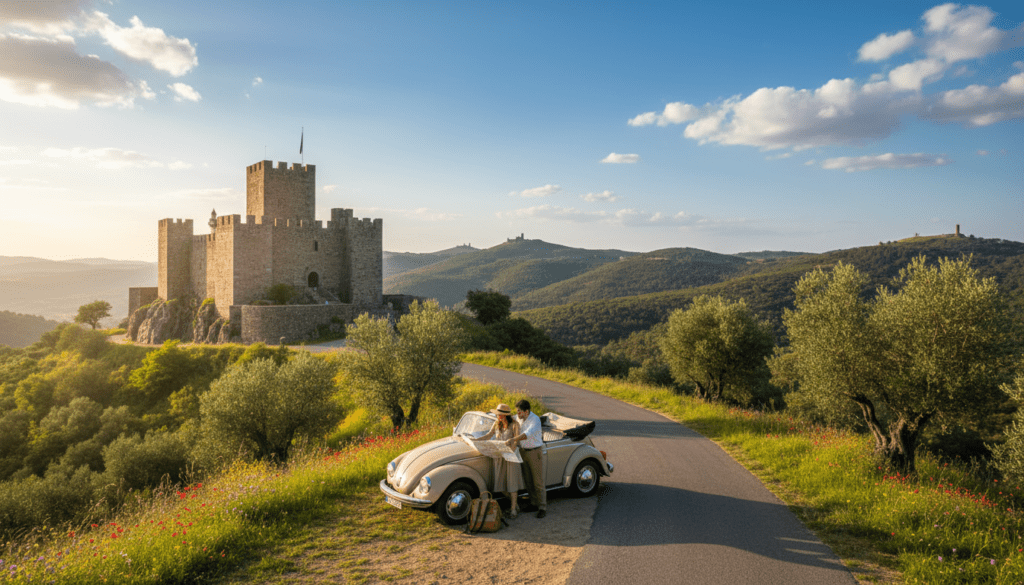
Charming guesthouses in castle towns provide excellent alternatives to expensive hotels. These family-run establishments often include breakfast and local recommendations. You’ll find authentic Portuguese hospitality in villages like Marvão, Bragança, and Silves.
Regional hub cities offer convenient bases for exploring multiple castles. Coimbra works well for central Portugal castles, while Évora provides easy access to southern fortresses. Turismo rural properties in the countryside deliver peaceful retreats between castle visits with genuine farm-to-table meals.
Understanding Costs and Visiting Times
Castle entrance fees across Portugal remain remarkably affordable compared to other European destinations. Most historic fortresses charge between €3 and €8 for adult admission. Some smaller castles offer free entry, particularly in remote northern regions.
Pena Palace represents the higher end at approximately €14 for palace and park access. Sintra offers combination tickets that provide better value when visiting multiple sites. These multi-site passes can save you 20-30% compared to individual tickets.
| Castle/Fortress | Entrance Fee | Typical Opening Hours | Closed Day |
|---|---|---|---|
| São Jorge Castle | €10 | 9:00 AM – 6:00 PM | None |
| Pena Palace | €14 | 9:30 AM – 7:00 PM (Summer) | None |
| Óbidos Castle | Free (walls access) | Always accessible | None |
| Guimarães Castle | €5 | 10:00 AM – 6:00 PM | Monday |
| Silves Castle | €3 | 9:00 AM – 5:30 PM (Winter) | None |
Many Portuguese castles observe Monday closures, so plan your Portugal castle itinerary accordingly. Standard operating hours run from 9:30 AM to 6:00 PM during peak season. Winter months typically feature shorter hours, often closing by 5:00 PM.
Always check official websites before visiting because schedules change for holidays and special events. Some castles close on January 1st, Easter Sunday, May 1st, and December 25th. Arriving early at popular sites like Pena Palace and São Jorge Castle helps you avoid crowds and afternoon heat.
Capturing Memories and Respecting History
Photography opportunities abound throughout your castle road trip Portugal journey. Golden hour—the first hour after sunrise and last hour before sunset—provides the most magical lighting for castle photos. The warm glow enhances stone walls and creates dramatic shadows.
Wide-angle lenses work best for capturing complete castle architecture and rampart views. Bring a sturdy camera strap because you’ll walk considerable distances on uneven surfaces. Many castles allow tripods, but some restrict them in crowded areas.
Respect preservation rules that protect these ancient structures. Don’t touch fragile frescoes, carved stone details, or historic artifacts. Flash photography may be prohibited inside certain castle chapels and museums to prevent damage.
Watch children carefully near unguarded walls and steep castle steps because medieval fortifications weren’t designed with modern safety standards. Some ramparts feature significant drop-offs without railings. Comfortable walking shoes with good grip are essential for navigating cobblestones and spiral staircases.
Be mindful of other visitors sharing these spaces with you. Keep voices moderate inside castle rooms and chapels. Wait your turn for popular photo spots rather than pushing through crowds.
Your respectful behavior helps preserve these historical treasures for future generations. Portuguese locals appreciate visitors who treat their cultural heritage with care. Following these simple guidelines ensures everyone enjoys the castle experience while protecting irreplaceable monuments.
Conclusion
Your Ultimate Portugal Castle Road Trip awaits with experiences that go far beyond typical European castle tours. From Guimarães’ medieval walls to Pena Palace’s vibrant towers, each fortress reveals a unique chapter of Portuguese history.
Portugal offers something special that sets it apart from crowded destinations. You’ll find authentic experiences without overwhelming tourist crowds. The combination of historical exploration with exceptional wine regions, fresh seafood, and genuine hospitality creates memories that last a lifetime.
Whether you have five days or three weeks, your Portugal castle tour can fit your schedule. Each route brings new discoveries. Mountain fortresses offer breathtaking views. Coastal strongholds provide Atlantic panoramas. Fairytale palaces spark imagination at every corner.
The best castles Portugal has to offer tell stories spanning centuries. You’ll walk the same ramparts where knights once stood guard. You’ll explore hidden chambers filled with secrets. You’ll photograph sunset views that take your breath away.
This journey represents more than a vacation. It’s an immersive adventure through one of Europe’s most enchanting destinations. Every winding road reveals another architectural treasure. Every castle visit connects you with fascinating Portuguese heritage.
Start planning your castle road trip now. Choose your route. Book your accommodations. Prepare your camera. Portugal’s magnificent fortresses are waiting to share their stories with you.