Hidden Castles Most Tourists Miss: Explore the Overlooked
Every year, millions of travelers flock to Windsor Castle, Neuschwanstein, and Versailles. These iconic landmarks draw massive crowds and endless Instagram posts. But here’s the thing — Europe has thousands of castles, and most of them sit quietly in the shadows, waiting to be found.
Studies suggest that roughly 90% of castle tourism targets just 10% of available sites across the continent. That leaves a staggering number of undiscovered castles scattered through forests, perched on cliffs, and nestled in sleepy villages. These places don’t make it onto most travel itineraries, and that’s exactly what makes them special.
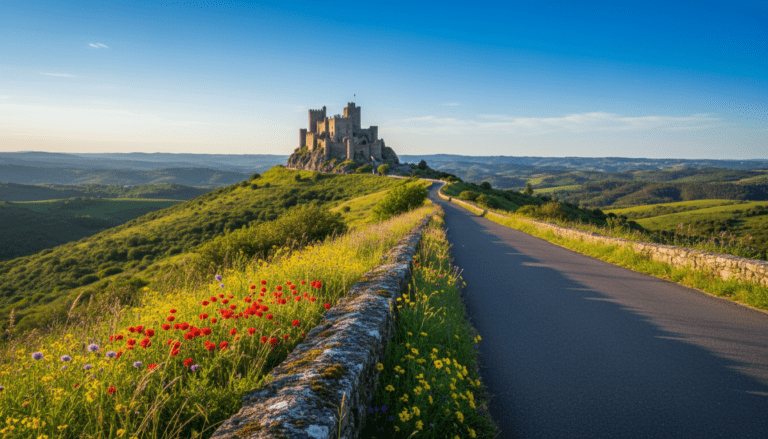
Secret fortresses across countries like Romania, Portugal, and Scotland still hold original stonework, medieval artifacts, and centuries-old legends. Without the buzz of tour buses and souvenir shops, these overlooked medieval sites feel genuinely frozen in time. You can wander their halls and courtyards in near-total solitude.
Off-the-beaten-path castles reward curious travelers with something money can’t buy at a crowded attraction — a real connection to history. No velvet ropes. No hour-long ticket lines. Just raw, unpolished heritage that tells stories few people have heard.
This guide is your invitation to step away from the usual bucket-list destinations. We’ll walk you through hidden European castles in over a dozen countries, share tips for tracking them down, and help you plan trips to these secret spots. If you’re ready to trade tourist traps for genuine discovery, keep reading.
Why Hidden Castles Most Tourists Miss Are Worth Discovering
Some of the most rewarding travel moments happen when you step away from the well-worn path. Lesser-known castles across Europe offer a kind of intimacy that blockbuster attractions simply cannot match. From personal tours led by local caretakers to quiet courtyards where centuries of history whisper through the stones, these crowd-free historic sites deliver something rare and deeply memorable.
The Magic of Off-the-Beaten-Path Destinations
Imagine walking through a castle gate with no ticket line, no selfie sticks in your field of view, and no time pressure. At untouched fortresses scattered across rural Europe, this is the norm. Local caretakers — often families who have watched over these sites for generations — share stories you won’t find in any guidebook. That personal connection transforms a simple visit into one of the most authentic castle experiences you’ll ever have.
Benefits of Visiting Lesser-Known Castles
The practical perks are just as compelling as the emotional ones. Here’s what you can expect at these overlooked gems:
- Entrance fees that are 50–70% lower than famous landmarks
- No advance reservations needed
- Freedom to explore rooms and grounds at your own pace
- Stunning photography opportunities without tourist interference
| Factor | Famous Castles (e.g., Neuschwanstein) | Hidden Castles |
|---|---|---|
| Average Entry Fee | $18–$25 | $5–$10 |
| Daily Visitors | 6,000+ | Under 50 |
| Reservation Required | Yes, often weeks ahead | Rarely |
| Photography Restrictions | Common | Minimal |
How Overlooked Castles Preserve Authentic History
Heavy tourism often demands heavy restoration, which can strip away genuine medieval architecture in favor of crowd-friendly renovations. Overlooked castles avoid this trade-off. Their preserved castle heritage includes original medieval kitchens, unaltered defensive walls, and period furnishings left undisturbed for centuries. These features give visitors a far more truthful picture of how people actually lived and fought in the Middle Ages.
With so much to gain — and so little standing in your way — these hidden castles deserve a spot on your next European itinerary. The sections ahead spotlight specific regions brimming with forgotten gems waiting to be explored.
European Hidden Gems Beyond Famous Fortresses
Europe is packed with castles that never make it onto postcards or bucket lists. While millions flock to places like Bran Castle or Château de Chambord, hidden European strongholds sit quietly in valleys, mountaintops, and coastlines — waiting for curious travelers. These secret medieval sites span the continent, from misty highlands to sun-drenched shores.
Forgotten Medieval Strongholds in Eastern Europe
Eastern European castles rank among the most dramatic and least visited on the continent. Orava Castle in Slovakia clings to a cliff above the Orava River, yet it sees just a fraction of the crowds at nearby Czech or Hungarian landmarks. Romania’s Corvin Castle in Hunedoara is a breathtaking Gothic-Renaissance structure that draws far fewer visitors than the overrated Bran Castle just a few hours away.
These secret medieval sites offer raw, unpolished history — crumbling walls, original stonework, and stories untouched by mass tourism.
Secret Castles Tucked Away in the Alps
Alpine fortresses hide in some of Europe’s most stunning mountain scenery. Austria’s Hohenwerfen Castle, perched above the Salzach Valley, dates back to the 11th century. Switzerland’s Gruyères Castle sits in a picture-perfect hilltop town famous for its cheese — not its medieval architecture. Both are reachable via scenic mountain routes that make the journey part of the adventure.
| Castle | Country | Elevation | Annual Visitors (Approx.) |
|---|---|---|---|
| Hohenwerfen Castle | Austria | 1,837 ft | ~200,000 |
| Gruyères Castle | Switzerland | 2,631 ft | ~160,000 |
| Neuschwanstein (for comparison) | Germany | 2,624 ft | ~1,400,000 |
Undiscovered Coastal Fortifications in the Mediterranean
Mediterranean coastal castles combine military history with jaw-dropping sea views. Croatia’s Kamerlengo Castle in Trogir guards the Adriatic without the chaos of Dubrovnik’s walls. Sardinia’s Castello di Bosa overlooks a pastel-colored town and the Temo River — a scene most travelers never discover.
- Kamerlengo Castle — open-air summer concerts on the ramparts
- Castello di Bosa — panoramic views of Sardinia’s western coast
- Both offer free or low-cost entry compared to major tourist sites
These Alpine fortresses, Eastern European gems, and Mediterranean coastal castles prove that the best experiences in Europe often live outside the guidebook. Up next, Scotland holds its own collection of overlooked castle treasures worth exploring.
Scotland’s Most Overlooked Castle Treasures
Most travelers flock to Edinburgh Castle or snap photos at Eilean Donan. Yet Scotland holds dozens of hidden Scottish castles that rival these famous sites in beauty and history. You just need to know where to look.
Take Kilchurn Castle on Loch Awe, for example. This haunting 15th-century ruin sits on a peninsula that once served as an island. Reaching it requires a boat ride or a lengthy hike through wild terrain. It’s one of the most dramatic remote castle locations Scotland has to offer, and you might have the entire place to yourself.
Near the town of Dollar, Castle Campbell perches between two deep ravines called the Burns of Sorrow and Care. Locals once called it “Castle Gloom.” As one of several secret clan strongholds tied to the Campbell dynasty, this fortress tells a story few guidebooks bother to share.
Heading northeast, Dunnottar Castle near Aberdeen clings to a clifftop above the North Sea. It played a critical role in protecting Scotland’s Crown Jewels during the English Civil War. It draws only a fraction of Stirling Castle’s annual visitors — a true gem among overlooked Highland fortresses.
In the Scottish Borders, Hermitage Castle stands as a near-intact medieval stronghold linked to Mary Queen of Scots. Despite its rich past, it remains one of the most fascinating undiscovered Scottish ruins in the country.
| Castle | Location | Built | Key Feature |
|---|---|---|---|
| Kilchurn Castle | Loch Awe, Argyll | 1450s | Accessible by boat or hike only |
| Castle Campbell | Dollar, Clackmannanshire | Late 1400s | Set between two dramatic ravines |
| Dunnottar Castle | Stonehaven, Aberdeenshire | Early 1400s | Clifftop fortress above the North Sea |
| Hermitage Castle | Newcastleton, Scottish Borders | 1240s | Linked to Mary Queen of Scots |
Each of these sites rewards the curious traveler willing to step beyond the tourist trail. With Europe’s hidden gems explored in the previous section, Scotland proves it can match — and surpass — any castle experience on the continent.
Germany’s Secret Castles Off the Fairy Tale Route
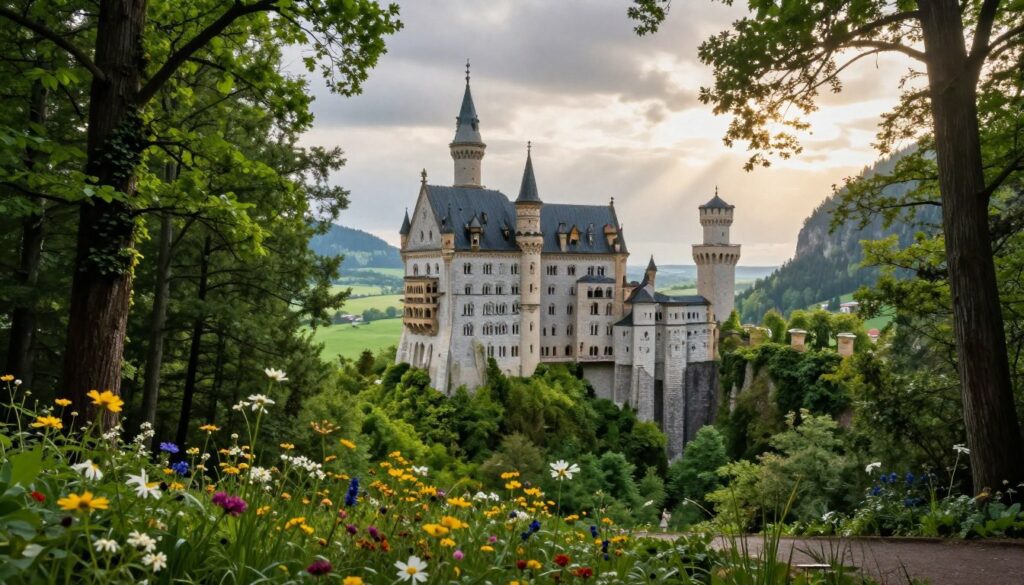
Most American travelers head straight to Neuschwanstein when visiting Germany. That’s a mistake. Hidden German castles scattered across Bavaria, the Rhine Valley, and Saxony offer richer experiences with far fewer crowds. These alternative German castle routes let you explore centuries of history at your own pace.
Hidden Bavarian Fortresses Away from Neuschwanstein
Burghausen Castle stretches over 1,000 meters along a ridge above the Salzach River. It holds the record as the world’s longest castle complex. Yet most visitors skip it entirely. These secret Bavarian fortresses reward the curious traveler with stunning views, quiet courtyards, and medieval architecture untouched by mass tourism.
Forgotten Rhine Valley Castles
Rheinfels Castle near St. Goar features underground tunnels that few tourists ever explore. Burg Eltz in the Moselle Valley has belonged to the same family for 850 years and still contains original medieval rooms and a priceless treasury. These overlooked Rhine castles give you a deeper connection to Germany’s past than any crowded tour bus stop.
Lesser-Known Saxon Strongholds
Königstein Fortress towers above the Elbe River in Saxon Switzerland. With a 750-year history — including use as a state prison — it’s one of Europe’s most impressive undiscovered Saxon castles. The panoramic views alone make the trip worthwhile.
| Castle | Region | Key Feature | Annual Visitors (Est.) |
|---|---|---|---|
| Burghausen Castle | Bavaria | World’s longest castle complex (1,051 m) | ~200,000 |
| Rheinfels Castle | Rhine Valley | Extensive underground tunnel system | ~150,000 |
| Burg Eltz | Moselle Valley | 850 years of single-family ownership | ~250,000 |
| Königstein Fortress | Saxony | 750-year history above the Elbe River | ~300,000 |
Each of these sites proves that the best German castle experiences wait beyond the guidebook favorites. Pack a good pair of walking shoes and explore what the crowds leave behind.
France’s Forgotten Châteaux Beyond the Loire Valley
Most American travelers head straight to the Loire Valley when they dream of French castles. That’s a fine choice — but it means missing some of the most breathtaking hidden French châteaux scattered across southern and central France. These secret château locations offer rich history, dramatic scenery, and a fraction of the crowds.
Take Château de Bonaguil in Lot-et-Garonne, for instance. Built in the late 15th century, it stands as the last medieval fortress constructed in France. Its defensive design blends medieval and early Renaissance military architecture in ways you won’t find anywhere else. Among undiscovered French fortresses, Bonaguil is a true standout.
Perched on an 800-meter limestone cliff in Languedoc, Château de Peyrepertuse delivers Cathar history without the Carcassonne crowds. The views alone are worth the climb. In Aveyron, Château de Najac commands a stunning position above a river gorge, preserving 13th-century royal fortress features that feel frozen in time.
For fans of alternative château routes France has to offer, the Dordogne region is a goldmine. Château de Beynac played a key role during the Hundred Years’ War, yet it receives only a small share of the visitors that flood Loire Valley sites each summer.
| Château | Region | Key Feature | Crowd Level |
|---|---|---|---|
| Bonaguil | Lot-et-Garonne | Last medieval fortress in France | Low |
| Peyrepertuse | Languedoc | Clifftop Cathar stronghold | Low |
| Najac | Aveyron | 13th-century royal fortress | Very Low |
| Beynac | Dordogne | Hundred Years’ War landmark | Moderate |
These overlooked French castles reward curious travelers with authentic experiences. If you’re ready to go beyond the usual tourist trail, France’s quiet corners hold some of its greatest treasures.
Ireland’s Hidden Castle Ruins and Ancient Keeps
Ireland holds some of Europe’s most breathtaking medieval architecture. Yet most American travelers rush straight to famous sites and skip the rest. The country is packed with hidden Irish castles that rival anything you’ll find on a postcard. From crumbling Norman strongholds to eerie tower houses perched on clifftops, these spots deserve your attention.

Abandoned Norman Castles in Remote Counties
Secret Norman keeps Ireland has scattered across its landscape are jaw-dropping in scale. Trim Castle in County Meath stands as Europe’s largest Anglo-Norman fortification. It sprawls across 30,000 square meters, and international visitors rarely make the trip. You can walk through its massive curtain walls without battling crowds. These overlooked Irish fortifications give you a raw, unfiltered look at 12th-century military engineering.
Coastal Tower Houses Most Visitors Never See
Along Ireland’s rugged coastline, undiscovered Irish strongholds cling to rocky shores. Dunguaire Castle in Galway Bay offers stunning sunset views over the Atlantic. Blackrock Castle Observatory in Cork blends medieval charm with a working space science center. Both sites deliver unique experiences far from tourist-heavy zones.
Medieval Ruins Hidden in Irish Countryside
The rolling green hills conceal remote castle ruins Ireland enthusiasts dream about. Rock of Dunamase in County Laois sits atop a dramatic hill with 360-degree panoramic views. Leap Castle in County Offaly carries a reputation as Ireland’s most haunted site, with documented paranormal activity stretching back to the 1600s.
| Castle | County | Built | Unique Feature |
|---|---|---|---|
| Trim Castle | Meath | 1176 | Largest Anglo-Norman castle in Europe |
| Dunguaire Castle | Galway | 1520 | Atlantic sunset views and medieval banquets |
| Rock of Dunamase | Laois | 12th century | Hilltop ruins with 360-degree views |
| Leap Castle | Offaly | 15th century | Documented paranormal activity since 1600s |
| Blackrock Castle | Cork | 1582 | Working space science observatory |
These sites pair perfectly with the Iberian fortresses covered next. Pack your sense of adventure and a good pair of hiking boots.
Spain and Portugal’s Overlooked Moorish Fortresses
The Iberian Peninsula holds some of Europe’s most stunning military architecture. Yet most travelers flock to the Alhambra and skip dozens of remote Iberian castles that are just as breathtaking. From sun-scorched Andalusian hilltops to granite crags along the Portuguese border, overlooked Moorish architecture tells stories that popular sites simply cannot.
Secret Alcázars Away from Tourist Crowds
The Alcázar of Almería is the largest Moorish fortress in Andalusia. It features underground water systems, lush gardens, and centuries of layered history. It receives only a fraction of the Alhambra’s annual visitors. These undiscovered alcázars offer a peaceful, intimate experience that packed tourist sites cannot match.
Head north to Aragón, and you’ll find the Castle of Loarre. It’s considered one of the finest examples of Romanesque military architecture in all of Europe. Among hidden Spanish castles, Loarre stands out for its dramatic cliffside setting and remarkably preserved chapel.
Hidden Portuguese Border Castles
Secret Portuguese fortresses dot the eastern border region, guarding ancient frontier lines. Monsaraz Castle overlooks the Alqueva Dam — Europe’s largest artificial lake — and offers panoramic views that stretch into Spain. Marvão Castle sits atop a sheer granite crag near the Spanish border, making it one of the most dramatic remote Iberian castles you’ll ever visit.
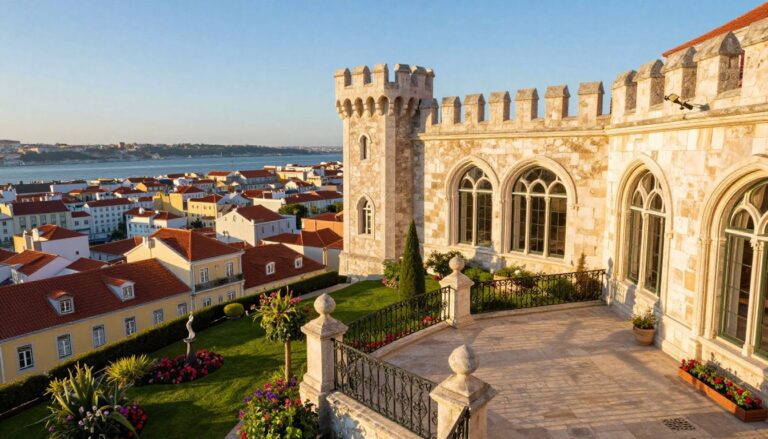
For something truly unique, Óbidos Castle now operates as a pousada hotel. Guests can sleep within medieval walls and wake up surrounded by centuries of history.
| Castle | Location | Key Feature | Annual Visitors (Est.) |
|---|---|---|---|
| Alcázar of Almería | Almería, Spain | Largest Moorish fortress in Andalusia | ~200,000 |
| Castle of Loarre | Aragón, Spain | Top Romanesque military architecture | ~80,000 |
| Monsaraz Castle | Alentejo, Portugal | Views over Europe’s largest artificial lake | ~60,000 |
| Marvão Castle | Portalegre, Portugal | Granite crag perch near Spanish border | ~50,000 |
| Óbidos Castle | Leiria, Portugal | Pousada hotel inside medieval walls | ~100,000 |
These secret Portuguese fortresses and hidden Spanish castles reward curious travelers with authentic history and unforgettable scenery — no crowds required.
How to Find Castles That Don’t Appear in Guidebooks
Most travel guides only scratch the surface. The best-kept secrets sit waiting on satellite maps, in academic papers, and across niche online communities. Finding hidden castles takes a bit of digital detective work, but the payoff is incredible.
Start with OpenStreetMap and Google Earth. These free tools let you scan landscapes for unmarked ruins that no guidebook covers. Zoom into rural areas across Europe, and you’ll spot stone outlines, tower foundations, and moat remnants hiding in plain sight. This is one of the most effective castle hunting tips for beginners and seasoned explorers alike.
Local historical societies are goldmines for locating overlooked castles. Many maintain detailed databases of regional fortifications that never make it into tourist brochures. Reach out by email or browse their websites before your trip. University archaeological departments publish research with precise GPS coordinates for lesser-known sites — perfect for discovering secret fortresses on your own.
Social media plays a big role in modern castle exploration resources. Facebook groups like “Abandoned Castles of Europe” have thousands of members sharing exact directions, photos, and access tips for remote ruins. These communities are passionate and welcoming to newcomers.
Regional hiking apps round out your toolkit. Here’s a quick comparison of the best options:
| App | Castle Ruin Markers | Offline Maps | Free Version |
|---|---|---|---|
| Komoot | Yes | Yes (premium) | Yes |
| AllTrails | Yes | Yes (premium) | Yes |
| Wikiloc | Yes | Yes (premium) | Yes |
These apps mark castle ruins along remote trails, making them essential for anyone serious about discovering secret fortresses far from tourist crowds. With these tools in hand, planning your visit to undiscovered castles becomes much easier — which brings us to choosing the right time to go.
Best Times to Visit Undiscovered Castles
Timing can make or break your trip to a hidden castle. The best time visit hidden castles depends on where you’re headed and what kind of experience you want. Once you’ve tracked down castles that don’t appear in guidebooks, the next step is picking the right moment to go.
Seasonal Considerations for Castle Exploration
Each season brings a different vibe to castle visiting seasons. Spring and autumn are often the sweet spot. From April through May, mild temperatures and low vegetation make ruins easier to explore and photograph. September and October deliver the same perks with golden light and fewer visitors.
| Season | Pros | Cons | Best Regions |
|---|---|---|---|
| Spring (Apr–May) | Mild weather, clear sightlines | Occasional rain in northern Europe | Ireland, Scotland, Germany |
| Summer (Jun–Aug) | Longest daylight, local festivals | Heat in southern Europe, more visitors | Eastern Europe, Alps |
| Autumn (Sep–Oct) | Dramatic colors, fewer crowds | Shorter days | France, Rhine Valley |
| Winter (Nov–Mar) | Total solitude, snow-covered landscapes | Limited seasonal castle access, icy paths | Mediterranean coast |
Local Events at Lesser-Known Historic Sites
Many overlooked castles host medieval festivals and reenactments during summer months. These events bring history to life without the packed crowds you’d face at mainstream attractions. Check local municipality websites for event calendars — small towns in Portugal, Spain, and Bavaria often organize living-history weekends that offer a truly immersive experience.
Weather Patterns and Accessibility Factors
Castle weather considerations play a big role in optimal castle exploration timing. Mediterranean fortresses stay accessible year-round, but summer heat above 95°F can make steep climbs exhausting. Northern castles in Scotland or Saxony may close paths during winter due to ice or restoration work. Wildlife nesting seasons can restrict access to coastal towers from March through June in some EU-protected areas.
- Pack layers and waterproof boots for spring trips
- Carry extra water for summer visits to southern castles
- Confirm seasonal closures on local government sites before traveling
- Download offline maps — remote castles rarely have cell service
With the right timing locked in, you’re ready to start planning the full adventure — from research tools to transportation for those hard-to-reach locations.
Planning Your Hidden Castle Adventure
A great trip to an overlooked fortress starts long before you pack your bags. Smart planning castle visits means doing your homework, sorting out transport, and preparing the right gear. Let’s break down the castle exploration preparation steps that will make your journey smooth and rewarding.
Essential Research Tools and Resources
The Castles.org database lists over 16,000 European castles, many of which never appear in standard guidebooks. Pair that with publications from the European Castle Institute and local tourism board websites. These resources reveal hidden castle logistics you won’t find on mainstream travel platforms.
- Use Castles.org to filter by region, era, and accessibility
- Check local heritage organization websites for seasonal openings
- Join castle enthusiast forums on Reddit and Facebook for firsthand tips
Transportation Tips for Remote Locations
Remote castle access is often the biggest challenge. Many hidden fortresses sit far from bus routes or train stations. A rental car gives you the freedom to reach these spots on your own schedule. Download offline maps through Maps.me or OsmAnd before you leave — cellular coverage can be spotty in rural areas.
| Transport Option | Best For | Cost Range (Per Day) |
|---|---|---|
| Rental Car | Flexible multi-castle routes | $30–$70 |
| Local Taxi | Single remote site visits | $20–$50 per trip |
| Guided Tour Van | Group excursions with a local guide | $50–$120 |
Photography and Documentation Guidelines
Solid castle photography tips start with timing. Shoot during golden hour — the first and last hour of sunlight — for warm, dramatic lighting on stone walls. Drone regulations vary by country, so check local laws before flying. Commercial photography at many sites requires written permission.
Pack sturdy hiking boots, a flashlight for dark tunnels, and a basic first aid kit. These simple items make a big difference when you’re exploring ruins miles from the nearest town.
Conclusion
The world is full of forgotten fortresses waiting for curious travelers to find them. When you explore hidden castles across Europe, you step into stories that mass tourism has never touched. From crumbling Scottish towers to secret Moorish strongholds in Portugal, these places offer authentic castle experiences that no crowded landmark can match.
Choosing castle tourism alternatives means trading long lines and gift shops for quiet courtyards and untold histories. Off-beaten-path castle adventures let you wander through medieval halls at your own pace. You can touch centuries-old stone walls and imagine the lives once lived behind them. That kind of connection simply doesn’t happen at popular sites packed with selfie sticks.
Every visit to a lesser-known castle helps keep it standing for future generations. Your travel dollars support small rural communities that depend on heritage tourism. So grab your hiking boots, charge your camera, and discover overlooked fortresses that most people will never see. The memories you create on these journeys will stay with you far longer than any trip to a famous landmark ever could.