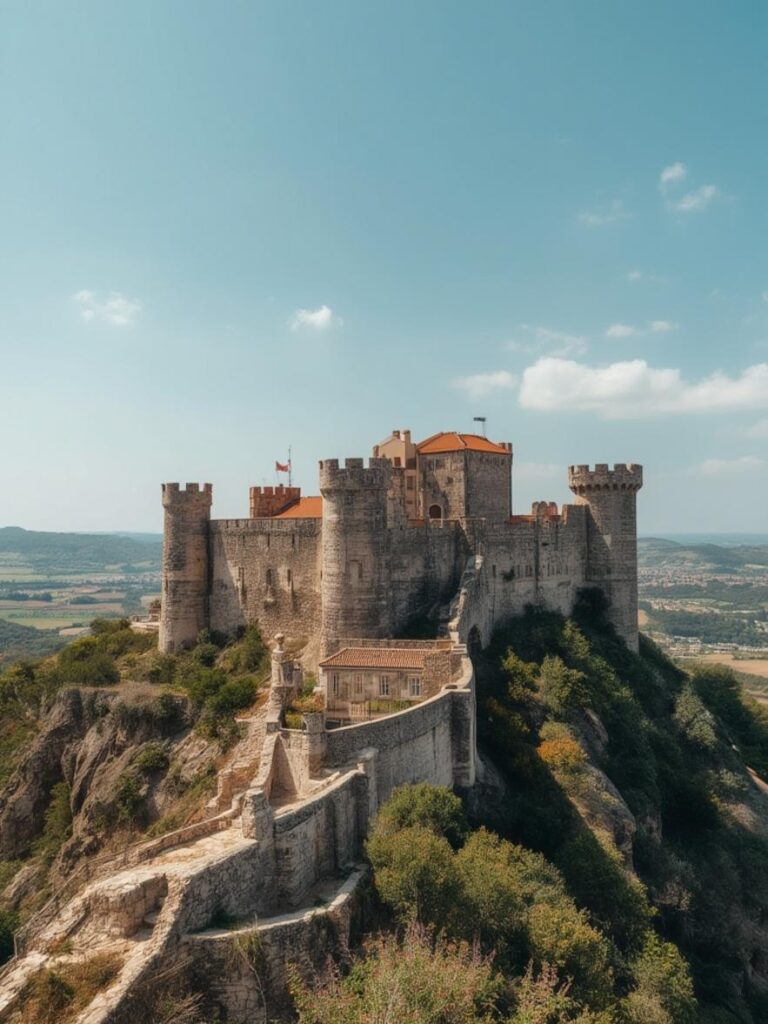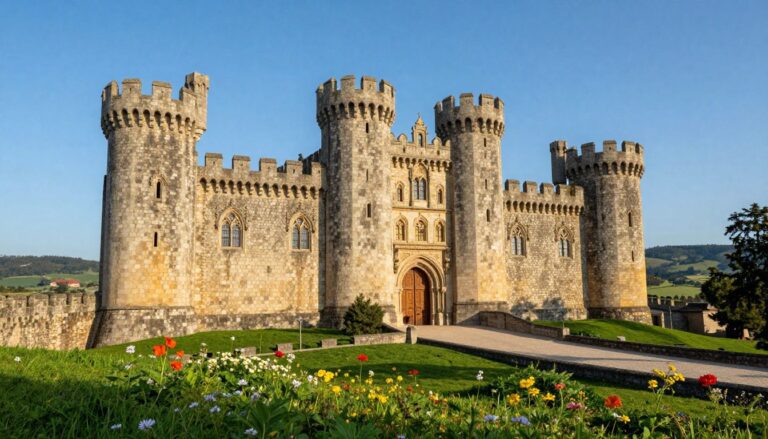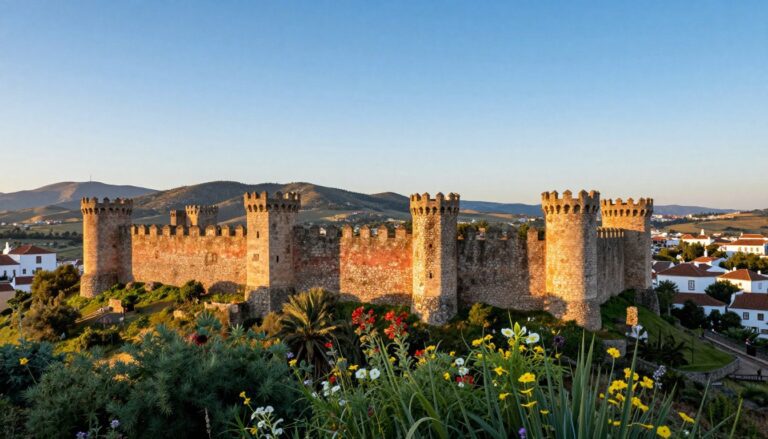
Discover the Most Photogenic Castles
Have you ever wanted to capture a scene straight from a storybook? This guide is for you. We created it to help photographers and travelers find the planet’s most stunning fortresses.
These historic sites are more than old stones. They are living subjects that tell tales through their architecture, light, and surrounding landscapes.
Our curated list comes from a global network. We gathered tips from travel bloggers and expert photographers to ensure a diverse and trusted selection.
Consider this your friendly invitation. Let’s go on a visual journey across continents together.
From the iconic spires of Europe to hidden gems in the United States, each location offers a unique chance for breathtaking shots.
Capturing these places lets us connect with history and art. We can almost feel the lives of the people who walked there centuries ago.
Are you planning a dedicated photo trip? Or do you just want to know the top spots to visit? This guide will give you the essential details you need.
The magic of these buildings has sparked creativity for generations. They have been a wellspring of inspiration for artists, filmmakers, and dreamers throughout the years.
Your next great adventure and perfect photo await. Let’s explore the world of beautiful castles that define our travels and enrich our life today.
Why Castles Make Incredible Photo Subjects
What is it about these ancient structures that makes them such perfect subjects for a camera? The answer lies in a powerful blend of design, setting, and story.
Their architecture is a gift for composition. Towering turrets draw the eye upward. Grand gates frame a view. Intricate stonework adds fascinating texture. Even a reflective moat can double your castle in a stunning mirror image.
These buildings are rarely in ordinary places. They command dramatic, untouched landscapes. You find them perched on lonely hilltops. They are nestled deep in mysterious forests. Many are surrounded by the serene blue of a lake or sea. This provides a perfect, natural backdrop.
Every stone holds a piece of history. To photograph a castle is to capture centuries of stories. You can almost feel the royal grandeur of a banquet hall. The silent walls seem to whisper tales of medieval battles. It connects us to the people and life of a different time.
Light plays a starring role. The sun paints ancient walls in warm gold during the golden hour. Long, dramatic shadows carve deep lines at midday. This play of light and shadow creates mood. It can transform a simple snapshot into a piece of art.
There is incredible variety. Perfectly preserved palaces offer opulent interiors and manicured gardens. Romantic ruins provide textured, decaying walls wrapped in ivy. Each aesthetic tells a different part of the human story.
This variety allows your work to feel timeless. A well-composed shot can transport a viewer. It can make them feel they’ve stepped back hundreds of years. That connection is a unique power these structures hold.
In fact, for many, these are the ultimate symbols of fantasy and romance. Capturing that feeling in an image is deeply satisfying. It’s why they remain such magnetic subjects across the world.
Essential Photography Tips for Capturing Castles
To truly do justice to these grand structures, a thoughtful approach to your shoot is key. This section breaks down the core techniques that will elevate your photo collection from simple snapshots to powerful images.
We’ll cover how to harness magical light, compose striking frames, and choose the right equipment. Following these steps is a reliable way to ensure you come home with memorable shots.
Chasing the Perfect Light: Golden Hour and Blue Hour
Light transforms ancient stone. The golden hour—just after sunrise or before sunset—is prime time. Soft, warm light paints the walls. It creates long, dramatic shadows that highlight texture.
Plan your visit around these times. The light is forgiving and adds a romantic glow. It’s the best part of the day for exterior shots.
Don’t pack up right after sunset. The blue hour follows. The sky turns a deep, cool blue. This is when illuminated buildings truly pop against the dusk.
Make sure you have a tripod ready for these low-light moments. The results can be magical.
Composition Techniques for Grand Architecture
Great composition tells a story. Use the landscape to your advantage. A winding path or a castle wall can act as a leading line. It draws the viewer’s eye directly into the frame.
Look for natural frames. An archway or window can perfectly box your view. This technique adds depth and focuses attention.
Incorporate foreground interest. A patch of wildflowers or a calm moat in the front adds scale. It creates layers in your image.
Remember the rule of thirds. Avoid placing the fortress dead center. Position it to the side for a more dynamic feel.
Experiment with angles. Shoot from a low perspective to emphasize height. Find a high vantage point to show its place in the landscape. Move around the entire area.
Even the harsh light of middle day can work. Use it to capture strong, graphic shadows on detailed facades.
Gear Recommendations for Castle Photography
The right tools give you creative freedom. Your kit should handle vast scenes and tiny details. Here are the essentials.
A wide-angle lens is crucial. It lets you capture the full scale of the structure and its surroundings. You won’t have to step back too far from the entrance.
A telephoto lens is equally important. It compresses distant views, making hills look steeper. It also isolates architectural details from afar.
A sturdy tripod is non-negotiable for sharp blue hour and interior shots. A polarizing filter is a smart add-on. It cuts glare from water and windows and makes skies richer.
This table summarizes the core gear to consider:
| Lens Type | Best Use Case | Key Benefit |
|---|---|---|
| Wide-Angle (16-35mm) | Capturing the entire castle with its landscape | Emphasizes grandeur and environmental context |
| Telephoto Zoom (70-200mm) | Isolating towers, compressing distant vistas, detailing stonework | Allows creative framing from a distance without disturbing the scene |
| Prime Lens (e.g., 50mm) | Interior shots, portraits on the grounds, sharper details | Superior image quality and performance in low-light state |
Make sure to scout your locations online or in person first. Knowing where the sun will be saves precious time. Patience is your greatest asset. Wait for the light to change or for visitors to clear your shot.
Always respect the rules. Some grounds restrict tripod use or drone flights. Check ahead. The best way to work is to be a courteous guest.
Finally, vary your shots. Get the iconic wide-angle from a distance. Then move in close. Photograph weathered doors, intricate carvings, and rusted ironwork. These details complete the story of your photo journey.
German Castles: Fairy Tale Backdrops Perfected
When you think of a storybook castle, chances are your mind conjures an image born in Germany. This nation’s landscape is a living gallery of romantic spires and ancient stone. It has perfected the art of the fairy-tale backdrop.
From iconic landmarks to hidden forest gems, these structures offer unparalleled scenes. They are among the most photogenic places on Earth. Let’s explore four that define this magical aesthetic.
Neuschwanstein Castle: The Iconic Inspiration
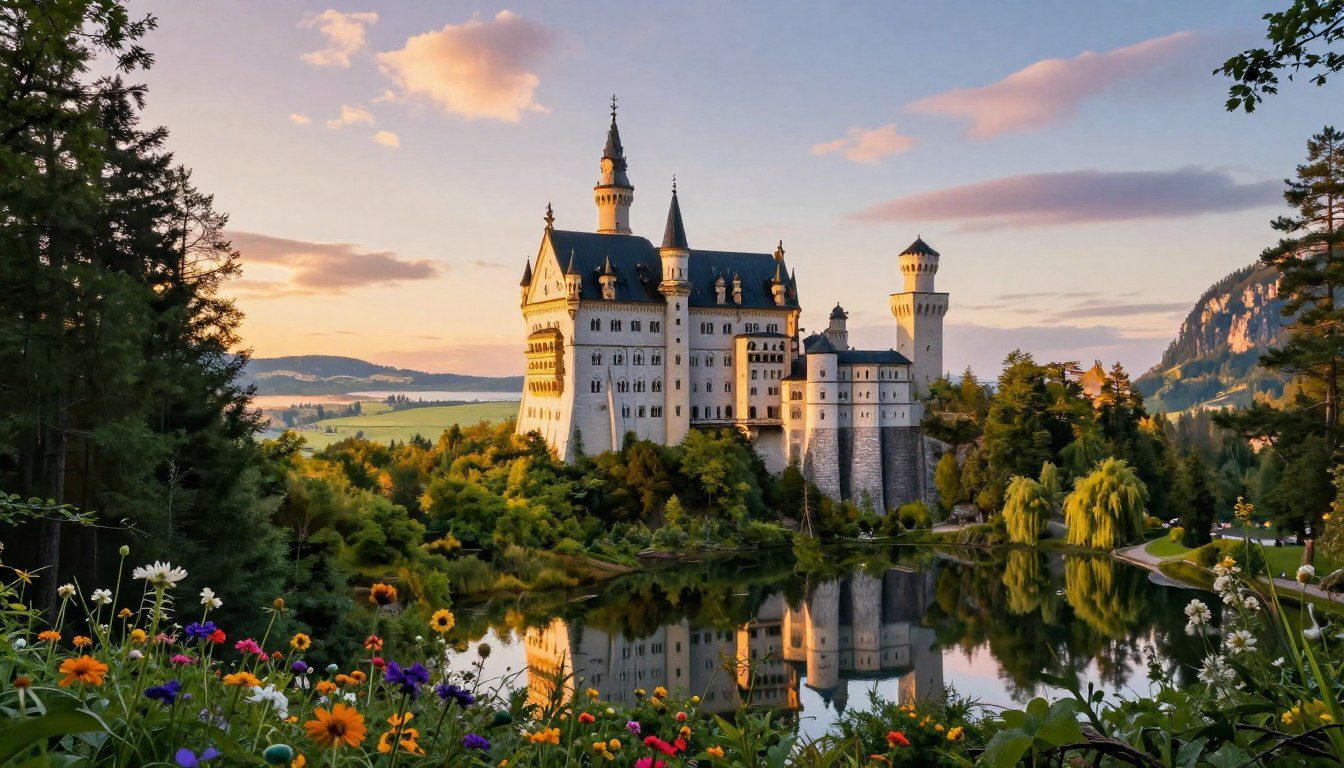
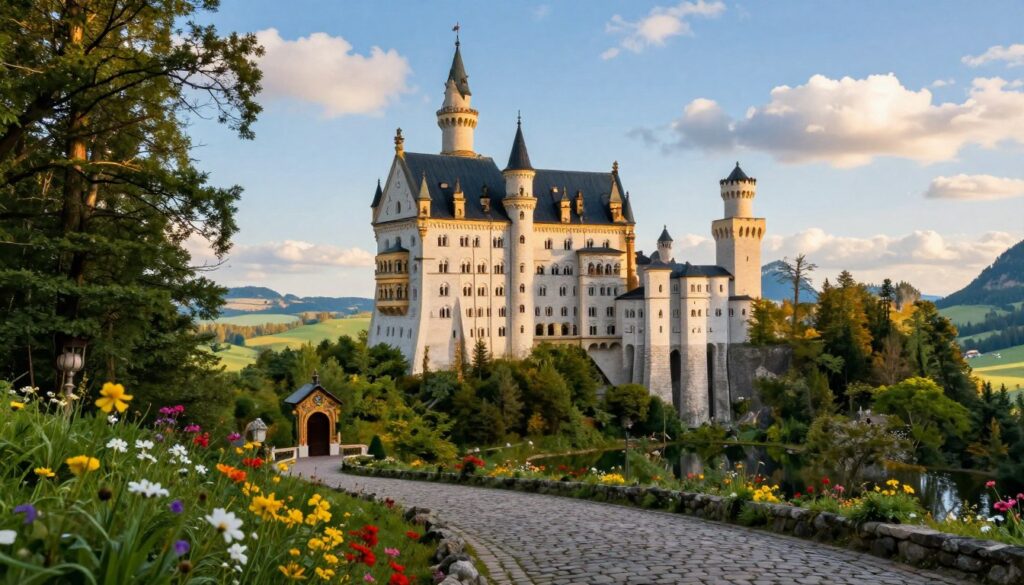
Perched high in the Bavarian Alps, Neuschwanstein Castle is the global symbol of fantasy. Its white towers rise from a misty hilltop. This was the direct inspiration for Disney’s Sleeping Beauty castle.
It is one of the most visited castles in the world. Managing the crowds is part of the challenge. For the classic shot, head to Marienbrücke (Mary’s Bridge). This vantage point frames the fortress against the valley.
Consider a cable car ride for a lesser-known, elevated angle. The best times for photos are early morning or late afternoon. This is when soft light bathes the stone and visitors are fewer.
A guided tour inside reveals ornate halls, but exterior shots are the main prize. Patience rewards you with a clear view of this iconic castle.
Burg Eltz: A Timeless Medieval Masterpiece
Hidden in a wooded valley near the Moselle River, Burg Eltz feels untouched by centuries. Its red brick and crooked towers create a fairy-tale vision. Unlike many, it was never conquered or destroyed.
This castle has been in the same family for over 30 generations. It remains a private home today. The interior is filled with authentic medieval furniture and heirlooms.
To capture its magic, photograph its reflection in the river below. Autumn is a spectacular time to visit. The surrounding forest erupts in color, framing the ancient stone.
Its secluded location means you can often find peaceful moments. This allows for thoughtful composition without the rush.
Hohenzollern and Wernigerode: Majestic Hilltop Views
Germany boasts over 20,000 castles, but some stand out for their dramatic settings. Hohenzollern Castle crowns a steep hilltop. It offers a stunning view, especially on a crisp autumn morning.
Capture its grandeur by shooting against the sky. Use a wide-angle lens to emphasize its commanding presence. The approach road provides fantastic leading lines.
Wernigerode Castle features charming half-timbered architecture. It becomes incredibly picturesque in fog just before sunrise. The mist adds a mystical atmosphere to your shots.
Fall evenings here cast a warm, golden light on the facades. Both castles provide a powerful sense of history and scale. They are prime subjects for any photographer’s guide.
This table summarizes the key photographic details for these German gems:
| Castle | Key Photographic Feature | Best Time to Shoot | Essential Photography Tip |
|---|---|---|---|
| Neuschwanstein | Iconic hilltop silhouette and turrets | Sunrise or late afternoon (Golden Hour) | Use Marienbrücke for the classic view; arrive early to avoid crowds. |
| Burg Eltz | Secluded forest setting and river reflection | Autumn for colors; clear days for reflections | Hike to the opposite riverbank for the perfect mirrored image. |
| Hohenzollern | Dramatic hilltop presence against the sky | Morning for clear skies; autumn for atmosphere | Use a telephoto lens to compress the view from the distant parking area. |
| Wernigerode | Half-timbered architecture and foggy ambiance | Sunrise with fog; fall evenings | Capture details of the timberwork and use fog as a natural softbox for light. |
Each location tells a different part of Germany’s rich history. They are not just old buildings, but living pieces of art. Exploring them with your camera connects you to stories that span generations.
Remember to respect these historic sites. Check access rules before your trip. With planning, you can capture images that feel truly timeless.
Fairytale Fortresses in France & Beyond
Beyond Germany’s iconic spires, a journey through France and Central Europe reveals fortresses of unparalleled elegance and scale. These locations blend royal ambition with artistic vision. They offer a different kind of magic for your lens.
You will find immense palaces that defined an era. There are also châteaux surrounded by breathtaking gardens. Ancient complexes tell a thousand-year story in stone. Each site presents unique photographic challenges and rewards.
Palace of Versailles: Opulence and Scale
The Palace of Versailles is the very definition of grandeur. Its sheer size can be overwhelming. The key is to break it down into manageable compositions.
Inside, the Hall of Mirrors is a masterpiece. Long rows of chandeliers and gilded reflections create endless lines. Use a wide-angle lens to capture its full length. A tripod is essential here due to lower light.
The manicured gardens stretch for miles. Their geometric patterns are best shot from an elevated view. Early morning is ideal. You can capture the mist rising over the fountains and hedges.
Crowds are a fact of life at this famous palace. Arrive right at opening time. Alternatively, focus on intricate details when the main halls are busy. Photograph ornate door handles or ceiling frescoes.
Château de Chantilly: Art and Gardens
Château de Chantilly offers a more intimate, yet equally stunning, experience. Its elegant Renaissance architecture seems to float on the water. The reflection in the Grand Canal is a classic shot.
This house holds the Musée Condé. It is France’s second-largest art collection after the Louvre. Inside, you can photograph grand galleries filled with old masters. Natural light from large windows often illuminates the rooms.
The grounds are a highlight. They famously inspired Marie Antoinette. You will find a picturesque hamlet and winding paths. Use the water features as leading lines in your composition.
For a unique tour, explore the stables and the forested areas. They provide context and scale to your story of this magnificent estate.
Prague Castle: A Thousand Years of Architecture
Prague Castle is not a single building but a vast complex. It is one of the largest ancient castles in the world. Its construction spanned nearly a thousand years.
This long history is visible in the architecture. You can see Gothic spires, Baroque facades, and Romanesque chapels all in one frame. This mix provides incredible visual texture.
For the best panoramic view, walk along the castle walls. You can see the red rooftops of the town below. Sunset casts a golden glow over the entire cityscape.
Time your visit to see the changing of the guard ceremony. It happens at noon. The ceremony adds a dynamic, human element to your shots of the stone fortress.
| Location | Architectural Highlight | Best Photographic Opportunity | Pro Tip for Photographers |
|---|---|---|---|
| Palace of Versailles | Baroque opulence & vast formal gardens | The Hall of Mirrors interior & aerial garden patterns | Use a fast prime lens (e.g., 35mm) for sharp interior details without a tripod in crowded rooms. |
| Château de Chantilly | Renaissance design on water & world-class art | Reflection in the Grand Canal & the interior art galleries | Shoot the château’s reflection at midday when the sun is high and the water is calmest for a mirror image. |
| Prague Castle | Millennium of mixed Gothic, Baroque, Romanesque styles | Panoramic view from the walls & the St. Vitus Cathedral spires | Capture the castle illuminated at blue hour from the Charles Bridge for a classic postcard shot. |
These sites are more than tourist destinations. They are living sources of inspiration. The art and history contained within their walls feel very much alive today.
Planning is crucial. Check if tripods are allowed inside. Research special events that might affect access. With patience, you can capture images that do justice to these legendary palace complexes.
Austrian and Swiss Strongholds with Alpine Views
The Alps provide a breathtaking stage for some of Europe’s most dramatic fortresses. Austria and Switzerland are home to strongholds that blend deep history with incredible natural beauty.
These sites offer a unique mix of rugged defense and romantic scenery. Your camera can capture both the raw power of the mountains and the serene calm of the lakes.
Each location tells a story of a different time and state. They are perfect for photographers who love epic landscapes.
Hohenwerfen Castle: Dramatic Mountain Setting
Hohenwerfen Castle is a 900-year-old medieval rock fortress. It sits on a 623-meter hill above the Salzach River Valley.
Its imposing position on a rocky peak amidst the Austrian Alps is unforgettable. Use the dramatic mountain backdrop to emphasize its fortress-like strength in your shots.
For a unique view, consider the perspective from the nearby ice caves. They are among the world’s largest. This area offers a completely different angle on the ancient castle.
Photograph it during the middle of the day for strong contrast. The harsh light defines the rugged stone against the sky.
Chillon Castle: Romance on Lake Geneva
Chillon Castle is one of Switzerland’s oldest and most romantic structures. It rests right on the shore of Lake Geneva.
Focus on its picturesque lakeside setting. Capture its perfect reflection in the calm water, especially during a pastel sunrise.
Inside, you’ll find Gothic dungeons and grand halls. They feature medieval frescos and period furniture. Look for the dungeon wall where Lord Byron carved his name.
The entrance and interior can get busy. Arrive early to avoid the main flow of visitors. This gives you space to compose your interior shots.
This table highlights the key photographic details for each Alpine stronghold:
| Castle | Primary Scene | Ideal Shooting Condition | Photographer’s Note |
|---|---|---|---|
| Hohenwerfen | Mountain fortress on a rocky peak | Clear midday for sharp shadows and contrast | Use a telephoto lens to compress the mountain layers behind the castle. |
| Chillon | Lakeside reflection and historic interiors | Very early morning for still water and soft light | A polarizing filter will enhance the reflection and cut lake glare. |
Visiting these locations can be a highlight of your European travels. The nearby town of Werfen offers charming bases for exploring Hohenwerfen.
For Chillon, the city of Montreux is just a short trip away. Both castles provide a powerful sense of history that has lasted for over a thousand years.
Remember to check seasonal opening hours. Weather in the mountains can change quickly. With good planning, you’ll secure images that are both grand and intimate.
British Isles: Historic Castles Steeped in Atmosphere
From royal pageantry to windswept ruins, the castles scattered across the British Isles are brimming with photographic character. This region offers a deep sense of history you can almost touch. Misty mornings and dramatic coastlines add layers of mood to every shot.
Each fortress tells a distinct story. You will find working royal residences and crumbling medieval walls. Exploring them is a journey through a thousand years of living history.
Windsor Castle: Pageantry and Grandeur
Windsor Castle is the oldest and largest inhabited castle in the world. It remains a working royal home today, where Queen Elizabeth II spent many weekends. This continuous use for over 900 years makes it feel alive.
For photographers, the pageantry is a major draw. The Changing of the Guard ceremony here is often less crowded than at Buckingham Palace. It offers a fantastic chance to capture tradition in motion.
Focus on its imposing architecture. The mighty Round Tower dominates the skyline. The stunning Gothic details of St. George’s Chapel provide incredible interior shots.
When you visit, consider a guided tour. It provides access to the lavish State Apartments. These rooms are filled with art and history, offering rich details for your lens.
Conwy Castle: Medieval Ruins with Coastal Views
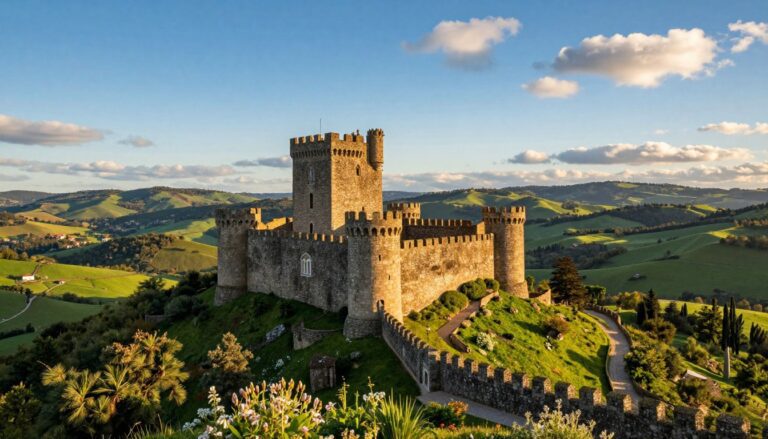
Conwy Castle is a magnificent 13th-century ruin in Wales. Its broken towers and skeletal walls create a powerful silhouette. This castle is all about texture and atmosphere.
Use the crumbling archways and windows to frame your view. They perfectly box the scenic town of Conwy and the expansive bay beyond. This technique adds incredible depth.
Coastal light here can be magical. The soft, diffused glow on a cloudy day mutes colors and emphasizes stone textures. Experiment with negative space by placing the ruins against a vast sky.
Climb to the highest remaining towers. You will be rewarded with a panoramic outlook that few other locations offer. It’s a prime spot for wide-angle landscape shots.
Scottish Castles: Eilean Donan and Duart
Scotland’s landscape is dotted with iconic fortresses. Two stand out for their unforgettable settings. They are essential stops on any photographic guide to the region.
Eilean Donan is perhaps the most famous Scottish castle. Its picture-perfect setting at the meeting point of three sea lochs is legendary. The stone bridge leading to its door makes for a classic composition.
Duart Castle offers a different experience. It sits on a remote, windswept point on the Isle of Mull. This castle is the ancient seat of Clan MacLean.
The reward for the journey is a breathtaking 360-degree panorama. You can capture mountains and sea from its battlements. The sense of isolation and history is profound.
| Castle | Primary Photographic Feature | Best Time for Atmosphere |
|---|---|---|
| Eilean Donan | Iconic loch-side setting and reflection opportunities | Still mornings for perfect water reflections; sunset for warm light on stone. |
| Duart Castle | Remote location with sweeping panoramic views | Late afternoon for long shadows and dramatic skies; clear days for vast vistas. |
Both locations connect you to Scotland’s clan history. They feel like a true home for a warrior family from another age. Planning your visit around quieter times helps avoid other visitors in your shots.
These British and Scottish sites prove that a castle is more than just a house of stone. It is a living record of the people and stories that shaped a nation.
Eastern European Gems: From Romance to Legend
Beyond the well-trodden paths of Western Europe lie hidden gems where history feels intensely personal. This region’s fortresses blend fairy-tale architecture with layers of myth. They offer a powerful sense of story that is perfect for your lens.
You will find Renaissance palaces nestled in mountain forests. There are also Gothic towers cloaked in vampire legend. Romantic lakeside forts complete the picture. Each provides a unique guide to the places and people of this fascinating area.
Peleș Castle: Romanian Renaissance Splendor
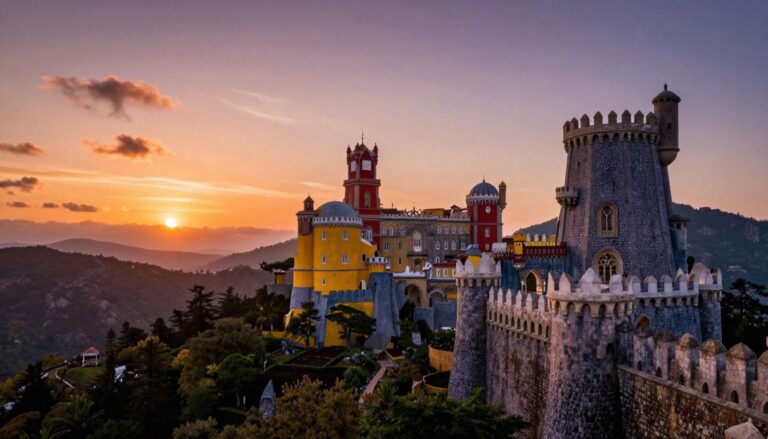
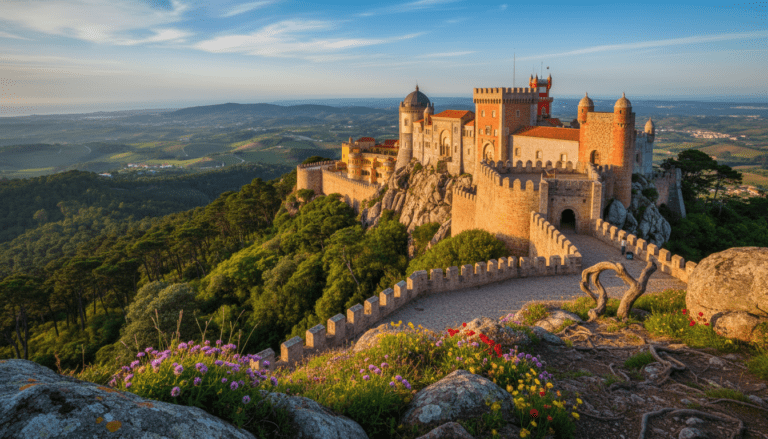
Peleș Castle is a vision of Renaissance elegance set against the Carpathian Mountains. Its spires and ornate facades look like they were lifted from an illustrated storybook. The surrounding forest creates a deep green frame for your shots.
Focus your camera on the detailed woodwork and colorful stained glass. The interior is a museum of opulence. It features a grand staircase, themed rooms, and an extensive weaponry collection.
This was the royal home of the Romanian monarchy. A guided tour reveals its role in the nation’s history. For photography, the manicured grounds offer fantastic leading lines and framing opportunities.
Bran Castle: The Allure of Dracula’s Legend
Bran Castle is famous for its connection to Bram Stoker’s Dracula. Perched high in the Transylvanian mountains, its Gothic towers have a mysterious aura. This atmosphere is a gift for creating moody images.
Capture its imposing silhouette on a foggy morning. The mist softens the landscape and adds drama. Inside, narrow stone corridors and historical exhibits explore both myth and reality.
The castle was once a strategic fortress and a royal residence. Today, it operates as a museum. Visiting lets you photograph a site that has captivated imaginations for years.
Trakoscan Castle: Croatia’s Romantic Lakeside Fort
Trakoscan Castle is a picture-perfect medieval fort turned museum. It sits on a wooded hill overlooking a serene lake. This setting is ideal for romantic and reflective compositions.
The calm water acts as a natural mirror. It doubles the castle in a stunning reflection. A walk around the lake provides different angles and perspectives.
This house harmoniously blends with its natural surroundings. It feels like a peaceful retreat from the modern world. The nearby town offers a charming base for your visit.
| Castle | Primary Photographic Scene | Best Time to Shoot | Key Photographer’s Tip |
|---|---|---|---|
| Peleș Castle | Renaissance architecture against forested mountains | Late morning for sun on the facades; autumn for colorful foliage | Use a polarizing filter to enhance the stained glass windows and reduce glare on the woodwork. |
| Bran Castle | Gothic towers shrouded in mountain mist | Early morning fog; overcast days for even, moody light | Shoot from the path below to emphasize the castle’s height and imposing presence. |
| Trakoscan Castle | Medieval fort reflected in a tranquil lake | Sunrise or windless evening for perfect water reflections | Include the stone bridge in your foreground to add depth and a sense of journey to the image. |
These sites welcome many visitors each season. Planning an early arrival helps you find quieter moments. With patience, you can capture images that tell a complete story of romance and legend.
Exploring them connects you to the family histories and local tales that shaped Eastern Europe. Your photos will reflect a deep and captivating history.
The Best Castles for Photography in the United States
Think castles are only in Europe? These three American landmarks will change your mind. They offer grandeur, history, and stunning visuals right here at home.
This list includes a colossal French-style mansion, a Hollywood hilltop retreat, and a tragic love story in stone. Each provides a unique place to practice your craft.
Biltmore Estate: America’s Largest Home
The Biltmore Estate in Asheville, North Carolina, is a true Gilded Age marvel. It is America’s largest privately-owned house. George Vanderbilt built it in the Châteauesque style.
Photograph the front facade with the Blue Ridge Mountains behind it. This creates a powerful sense of scale. The inspiration from French châteaux is clear in every turret.
Inside, the lavish interiors are a feast for the lens. Capture the grand staircase and the library’s details. The expansive gardens were designed by Frederick Law Olmsted.
These manicured grounds offer fantastic leading lines and floral color. A visit here feels like stepping into a different state of life entirely.
Hearst Castle: California’s Enchanted Hill
Hearst Castle, or La Cuesta Encantada, crowns a hilltop in San Simeon, California. William Randolph Hearst built this Mediterranean Revival mansion. It hosted famous Hollywood stars in its day.
Its “Enchanted Hill” location overlooks the vast Pacific Ocean. This provides a breathtaking backdrop. The mix of architectural styles creates visual interest at every turn.
The iconic Neptune Pool is a centerpiece. Its Roman temple design and statues are pure art. The grand social halls still evoke the glamour of 1930s Hollywood.
In fact, capturing these spaces feels like documenting a bygone era of celebrity. The play of California light on the terraces is magical during golden hour.
Boldt Castle: A Story of Love and Loss
Boldt Castle sits on Heart Island in New York’s Thousand Islands. George Boldt began building it as a testament of love for his wife. Construction halted suddenly when she died.
This poignant story adds deep emotion to the place. The picturesque island setting is incredibly romantic. The unfinished architecture tells a silent tale.
The best way to capture it is from the water on a tour boat. This angle shows the castle in its full, isolated context. The Thousand Islands Bridge Authority now manages its restoration.
Visiting today, you photograph a monument to love frozen in time. It connects us to the people and their story from over a century ago.
| Estate | Key Photographic Scene | Best Time for Photos | Unique Challenge |
|---|---|---|---|
| Biltmore Estate | French château facade against the Blue Ridge Mountains | Late afternoon for warm light on the stone; spring for gardens | Managing the scale of the property to focus your shots |
| Hearst Castle | Neptune Pool with ocean vistas and Hollywood-era interiors | Sunset for dramatic sky colors over the Pacific | Navigating the hilltop light and potential coastal haze |
| Boldt Castle | Island silhouette and reflection from a tour boat | Summer mornings for calm water and soft light | Timing your shot from a moving boat; seasonal accessibility |
Each location proves that compelling castles aren’t confined to the Old World. They represent different chapters of American ambition, luxury, and heart. Your camera can capture that rich history.
Plan your tour for a specific season. Check for special events that might affect access. With some planning, you’ll get amazing shots of these iconic American sites.
Unique American Castles: From Whimsy to Wonder
From a folk art fortress in the Rockies to a royal palace in the Pacific, the United States offers castle experiences unlike any other. These three locations showcase the incredible range of American castle-building.
You’ll find a sprawling personal vision, an authentic Italian import, and a solemn symbol of a lost kingdom. Each provides a distinct photographic journey through creativity, history, and culture.
Bishop Castle: One Man’s Folk Art Dream
Bishop Castle rises from the Colorado forest as a monument to sheer determination. Jim Bishop began this solo project in 1969, and it continues today. The structure is a sprawling, handmade fantasy of iron and stone.
Your camera can capture its whimsical ironwork and vibrant stained glass. A fire-breathing dragon sculpture is a central piece of folk art. The entire castle defies conventional architecture.
It stands as a true testament to one man’s lifelong work. The rustic towers and bridges create endless angles for unique shots. This is not a sterile museum but a living, evolving creation.
Photographing here feels like documenting a personal dream made real. The surrounding woods add a natural frame to the eccentric buildings.
Castello di Amorosa: A Tuscan Fantasy in Napa
Castello di Amorosa brings 13th-century Italy to the heart of California wine country. Dario Sattui built this authentic Tuscan castle using period methods. It functions as a fully operational winery.
Focus your lens on the meticulous stonework and defensive towers. The courtyards and barrel rooms offer a blend of old-world charm and Napa’s vineyard landscapes. It feels like a slice of medieval Europe transplanted.
This house of wine is a popular stop for visitors on a Napa Valley tour. The surrounding grounds provide beautiful context for your photos. You can capture vine rows leading up to the ancient-style walls.
The center of the castle often features bustling activity. Plan your visit for early morning or late afternoon for softer light and fewer crowds.
Iolani Palace: A Unique Royal Legacy
Iolani Palace in Honolulu holds a singular place in American history. It is the only official royal palace on U.S. soil. The Hawaiian monarchy built it in a unique American Florentine style.
This home for a royal family is a powerful symbol of the Hawaiian Kingdom. Its architecture blends European grandeur with tropical adaptations. The grand staircase and ornate throne room are steeped in Pacific history.
Photographing here is an exercise in capturing dignity and loss. The palace grounds are in the heart of downtown Honolulu. This creates a striking contrast between the historic buildings and the modern town.
Your images can tell the story of the people who lived and ruled here for many years. It connects us to a chapter of history often overlooked in mainland travels.
This table compares the key details for photographers planning a trip to these unique sites:
| Castle | Location & Style | Key Photographic Features | Best Time for Photos |
|---|---|---|---|
| Bishop Castle | Colorado forest; Ongoing folk art project | Handmade ironwork, dragon sculpture, rustic towers and bridges | Midday for clear light in the forest; summer and fall for access |
| Castello di Amorosa | Napa Valley, California; Authentic 13th-century Tuscan style | Stone courtyards, vineyard landscapes, barrel rooms, defensive architecture | Golden hour for warm light on stone; weekdays to avoid crowds |
| Iolani Palace | Honolulu, Hawaii; American Florentine architecture | Grand staircase, throne room, palace facade against modern cityscape | Morning for softer light on the facade; check for guided tour times for interior access |
Each location represents a different state of mind and American story. From personal obsession to cultural homage to historical preservation, they enrich our understanding of what a castle can be.
Remember to check specific rules for tripods and interior photography before your visit. With respect and planning, you can create a powerful portfolio from these distinctive American sites.
Castles Off the Beaten Path: Hidden Gems
Beyond the iconic postcard views, a network of lesser-known castles offers intimate and unique photographic scenes. These hidden gems provide a quieter, more personal connection to history. They are perfect for a traveler seeking to capture something beyond the usual guidebook highlights.
Exploring these sites often feels like a personal discovery. You can find stunning compositions without the largest crowds. Each one tells a compelling story in a spectacular setting.
Muiderslot Castle: A Dutch Moat Gem
Muiderslot Castle is a classic, picture-perfect moated fortress. It was first built in the year 1350. This beautiful castle is easily accessible from Amsterdam, making it a great day trip.
The red brick towers and their perfect reflection in the water create a timeless scene. For your shot, include the surrounding gardens and the ancient ramparts. They offer a view of the historic Zuiderzee area.
It’s a fantastic place to practice composition. The symmetrical lines of the moat act as leading lines. Visit on a weekday for fewer other visitors.
Frederiksborg Castle: Denmark’s Fairytale Island
Frederiksborg Castle sits on an island in the middle of a serene lake. Its idyllic location feels like a true fairytale setting. The castle houses Denmark’s Museum of National History today.
Focus your lens on its symmetrical Renaissance facade. The reflection in the lake doubles its grandeur. The elaborate Baroque gardens provide structured patterns and colorful floral backdrops.
The charming town of Hillerød surrounds the lake. It adds context to your wider landscape shots. A guided tour inside reveals opulent halls filled with national treasures.
Pierrefonds Castle: A French Fantasy Revival
Pierrefonds Castle is a spectacular example of 19th-century Gothic revival architecture. Restored by Viollet-le-Duc, it has a dramatic, almost fantastical appearance. It dominates the landscape like a grand movie set.
Capture its imposing silhouette against the sky, especially at sunrise. The intricate defensive walls and numerous towers offer endless detail. This castle is a tour de force of romantic medievalism.
Of course, the way it commands the area is its most powerful feature. Use a telephoto lens to compress the view from a distance. The early morning light will paint the stone with a warm glow.
Capturing Castle Interiors and Details
The true soul of a fortress often reveals itself not from a distant hilltop, but within its own walls. Stepping inside connects you directly to the people who lived their life there. You are surrounded by their art, their furniture, and the very air of history.
This kind of work presents unique challenges. Low light is the main one. Many grand rooms rely on dim artificial bulbs or daylight from small windows.
Flash is often prohibited to protect fragile artifacts. Mixed lighting—warm lamps and cool window light—can also confuse your camera’s white balance.
The solution is a fast lens. A prime lens with a wide aperture (like f/1.8 or f/2.8) gathers much more light. Don’t be afraid to raise your ISO. Modern cameras handle high ISOs well, keeping noise manageable.
Stabilization is key. Use a tripod wherever it’s allowed. If not, brace yourself against a wall or use a table. This lets you use slower shutter speeds without blur.
Look for details that tell a story. An intricate tapestry shows scenes from centuries of time. A suit of armor hints at battles fought long ago.
Stained glass windows are jewels of light and color. Grand staircases and throne rooms speak of ceremony and power. Each piece of period furniture adds to the narrative of the house.
Natural light is your best friend. Watch for beams streaming through windows. They create dramatic highlights and long shadows in halls and chapels.
This light can spotlight a single object, making it the center of your frame. It adds a beautiful, painterly quality to your interior shots.
Composition inside requires a different eye. Use the architecture. Rows of columns or vaulted arches create powerful leading lines. They draw the viewer deep into the scene.
To show the immense scale of a great hall, include other visitors in your shot. Their small size against the vast space emphasizes the grandeur. It adds a human element to the ancient stone.
Respect is paramount. Never touch artifacts or lean on displays. Follow all preservation rules. Be mindful of others on your tour; don’t block pathways for a long time while setting up.
Photographing a castle from the inside is a privilege. It lets you document a piece of the world‘s heritage that has stood for hundreds of years. Your images can preserve and share that intimate history.
Planning Your Photographic Castle Tour
Embarking on a tour to photograph these grand structures calls for a blend of logistical savvy and cultural respect. A little preparation transforms a simple visit into a smooth, productive expedition. It ensures you capture the magic without stress.
This guide covers the key steps. We focus on timing your trip for ideal conditions. We also stress the importance of honoring each historic site’s rules.
Best Seasons and Times to Visit
Choosing the right time of year and day makes a huge difference. It affects both the quality of your light and the number of other visitors. Your goal is to find a balance between pleasant weather and manageable crowds.
The shoulder seasons of spring and fall are often ideal. Spring brings blooming flowers and lush green grounds. Autumn offers spectacular foliage that frames ancient stone with vibrant color.
Summer can be busy and hot at many popular places. Winter provides a stark, dramatic beauty with fewer people. However, some locations may have limited access during the colder months.
Within any day, timing is everything. Arrive right at opening times or stay late in the afternoon. This strategy helps you avoid the peak visitor rush.
These quieter periods also coincide with the best natural light. The golden hours just after sunrise and before sunset are perfect. The soft, warm glow enhances texture and mood in every shot.
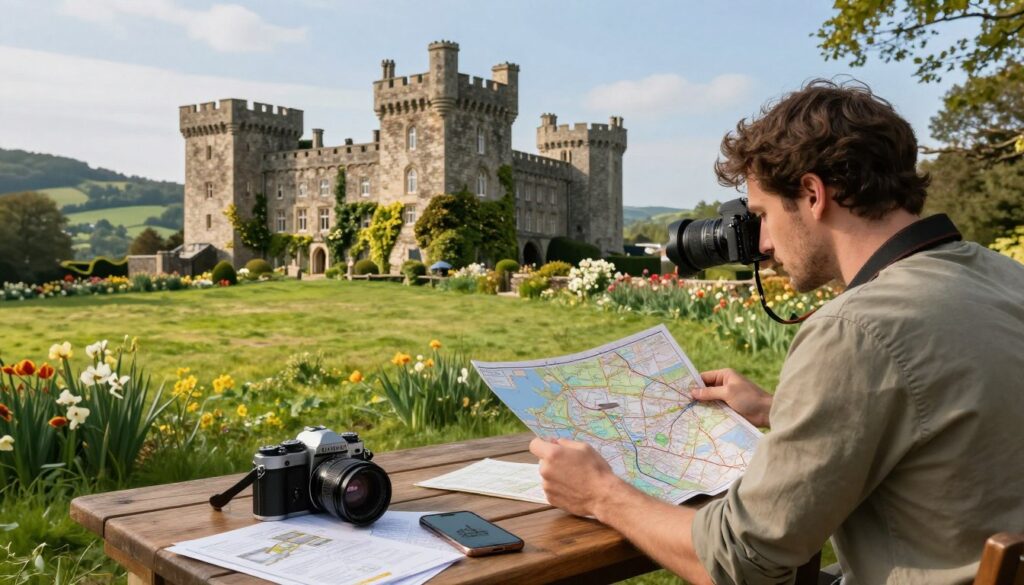
| Season | Key Advantages | Best Time of Day | Considerations |
|---|---|---|---|
| Spring (Mar-May) | Mild weather, blooming gardens, fewer crowds than summer | Early morning for soft light and dew | Some regions can be rainy; check local forecasts. |
| Summer (Jun-Aug) | Long days, guaranteed access, vibrant greenery | Late afternoon to evening for golden hour and blue hour | Peak tourist season; expect large crowds at major sites. |
| Autumn (Sep-Nov) | Spectacular foliage, pleasant temperatures, thinning crowds | All day, with exceptional light in early morning and late afternoon | Weather can become unpredictable; days grow shorter. |
| Winter (Dec-Feb) | Minimal crowds, dramatic skies, potential for snow scenes | Midday when the sun is highest for maximum light | Some sites close or have reduced hours; cold weather gear is essential. |
Respecting Rules and Preservation
These historic sites are fragile treasures. Respecting their rules is non-negotiable. It ensures they remain intact for future generations to enjoy.
Always check the official website for each location before your visit. Look for specific photography policies. Many places restrict the use of tripods or drones inside the grounds.
Know the entrance fees and purchase tickets online in advance. This way you can often skip long lines. It saves precious shooting time during your trip.
Adhere to the “leave no trace” principle. Stay on marked paths to protect the landscape. Never climb on fragile walls or ruins just to get a unique angle.
Make sure your actions today help preserve these areas. Your respectful behavior sets a positive example for other visitors.
Here are more practical tips for a multi-site journey:
- Group by Region: Plan your route to cluster sites in the same geographic state or area. This minimizes travel time between shoots.
- Check Schedules: Verify opening hours and any special closure dates. These can vary by season.
- Consider Guided Tours: A knowledgeable guide provides rich historical context. This can deepen your connection to the site and inform your compositions.
- Pack Smart: Essentials include comfortable walking shoes, layers for changing weather, water, and snacks. A small backpack keeps your hands free for your camera.
With this thoughtful approach, your photographic tour will be rewarding. You’ll capture stunning images while being a courteous guest. That is the best way to experience these magnificent historic places.
Editing Your Castle Photos for Maximum Impact
Post-processing is where your raw captures of ancient stone and sky transform into polished, evocative photographs. This creative work lets you refine the mood and drama you felt on location. Think of it as the final, essential step in your visual storytelling.
Start with the foundational adjustments. Fine-tuning exposure ensures details aren’t lost in shadows or highlights. Adjust contrast to give the scene depth and dimension.
White balance is crucial. It sets the emotional tone. A cooler tone can feel ancient and solemn. A warmer one might evoke a golden, romantic hour. Get this right to accurately represent the scene’s atmosphere.
Next, bring out the incredible textures. Use the clarity slider a bit to accentuate the grain in weathered stone. The dehaze tool can cut through atmospheric mist, making distant towers pop.
Be judicious here. Overdoing these sliders creates an unnatural, gritty look. The goal is to enhance, not overpower, the natural character of the view.
Now, look at composition again. Cropping is a powerful way to strengthen your frame. You might tighten in on a dramatic tower or use the rule of thirds more precisely.
Always straighten horizons. A tilted line distracts from the grandeur of the scene. Use cloning or healing tools to remove minor distractions. This includes modern signs or litter that crept into your shot.
Cleaning up these elements keeps the focus on history and architecture. It’s a simple way to polish your final photo.
Creative editing styles offer another path. You might push saturation a bit for vibrant, realistic colors that make the scene sing. Or, consider a dramatic black and white conversion.
Black and white emphasizes form, light, and shadow. It strips away color to focus on history and texture. This style can make an image feel timeless.
High-contrast scenes present a classic challenge. A dark interior with a bright window is a perfect example. HDR (High Dynamic Range) techniques can help.
Merge multiple exposures to balance the light. The key is to maintain a natural look. Avoid the “overcooked” HDR effect where shadows look gray and unreal.
Of course, you need the right tools. Professional software like Adobe Lightroom and Photoshop are industry standards. They offer immense control for every step of your work.
Don’t overlook powerful mobile apps. They allow for quick edits and sharing on the go. Many offer advanced features once found only on desktop.
This table compares the core tools for your editing workflow:
| Software Type | Primary Use Case | Key Benefit for Castle Photos |
|---|---|---|
| Desktop (e.g., Lightroom) | Overall workflow: organizing, basic adjustments, batch editing | Excellent for adjusting white balance and recovering shadow detail in stonework. |
| Advanced Editor (e.g., Photoshop) | Precise retouching, complex composites, HDR merging | Superior cloning/healing for distraction removal and layer-based local adjustments. |
| Mobile Apps | Quick edits, social media sharing, on-the-go adjustments | Great for applying a consistent filter or crop immediately after a shoot. |
The most important one is the tool you enjoy using. As you spend time editing, aim to develop a consistent style. This creates a cohesive portfolio.
Your editing style becomes your signature. It ties your diverse shots from different locations into a unified body of work. This happens over time and with practice.
Remember, editing is personal. There’s no single right way. Start with the basics to faithfully represent the scene. Then, feel free to explore your creative view.
The final image should feel like the majestic place you remember, only a bit more polished and powerful.
Sharing Your Work: From Social Media to Prints
Your photographic journey doesn’t end when you leave the castle grounds. It continues when you share your vision with the world. Presenting your work connects you to an audience and completes the creative cycle.
Choosing the right platform shapes how people see your art. Each service serves a different purpose for your images.
- Instagram is ideal for visual storytelling. Use its grid and Stories to build a narrative from your tour.
- Communities like Flickr or 500px are built for critique. You can get detailed feedback from other photographers to improve your craft.
- Pinterest drives travel inspiration. Users often save images to plan their own future adventures.
A great photo needs a compelling caption. Tell the story behind the shot. Include the castle’s name and location. Add a bit of its history to give context.
Many followers appreciate learning the technical side. Sharing your camera, lens, and settings can educate and engage them. It shows the way you captured the scene.
Hashtags are essential for discovery. They help new visitors find your images. Use a mix of broad and specific tags.
Consider tags like #castlephotography, #travelphotography, and the name of the specific fortress. This strategy casts a wide net while targeting niche audiences.
Your digital files can also become tangible art. Turning them into physical objects brings your work into daily life. It’s a rewarding way to celebrate your journey.
| Tangible Format | Best Use Case | Key Benefit |
|---|---|---|
| Fine Art Prints | Displaying a single, powerful image as wall decor | Creates a permanent, gallery-quality display of your favorite shot. |
| Photo Book | Chronicling an entire castle tour or regional journey | Tells a complete visual story in a format you can hold and share easily. |
| Calendar | Showcasing twelve different images over a year | Provides a functional, ever-changing display of your portfolio. |
Finally, don’t create in a vacuum. Connect with other castle and travel photographers online. Forums and social media groups are perfect for this.
You can exchange location secrets, shooting tips, and encouragement. This community makes the solitary act of photography a shared passion. It enriches your entire creative life.
Conclusion: Your Journey to the World’s Most Photogenic Castles Begins
As our guide comes to a close, remember that every fortress holds a unique story for your lens. This list reveals a world rich with stunning architecture and deep history.
Let this guide be your starting point for a remarkable trip. Whether you seek iconic landmarks or a quiet place off the path, your perfect shot awaits.
Preparation and respect for these sites are key. Patience will reward you with truly memorable images.
The journey to discover these majestic structures is as rewarding as the photography itself. It connects you to the people of the past and enriches your life today.
Your travels and creative inspiration start now. Grab your camera, visit a castle, and capture your own view of time.