Hilltop Castles in Portugal: Panoramic Views You’ll Love
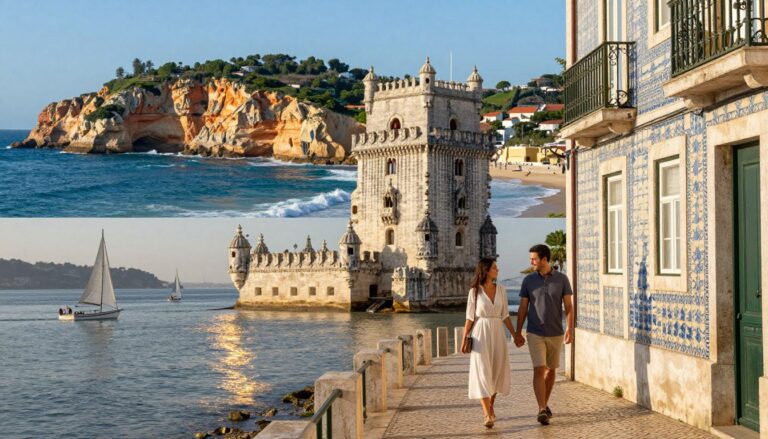
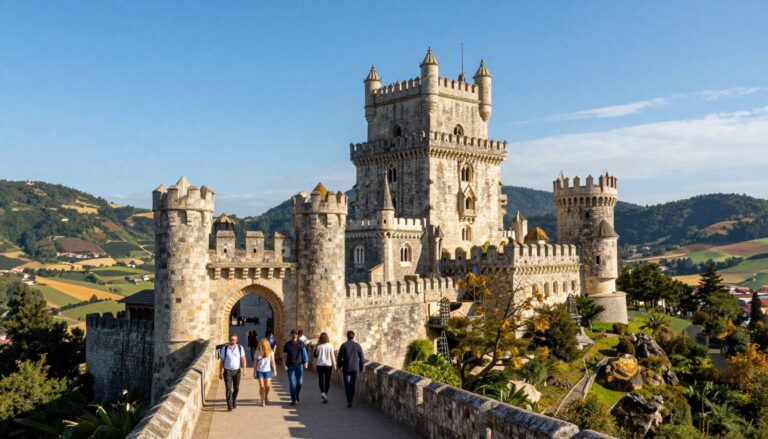
Imagine standing on ancient stone walls, gazing across endless landscapes. This is the magic of exploring Portugal’s medieval fortresses. These historic sites crown the nation’s highest hills and ridges.
Many of these strongholds began with Romans and Moors. Later, Christian kings and Templar Knights expanded them. You step back into a rich, layered past with every visit.
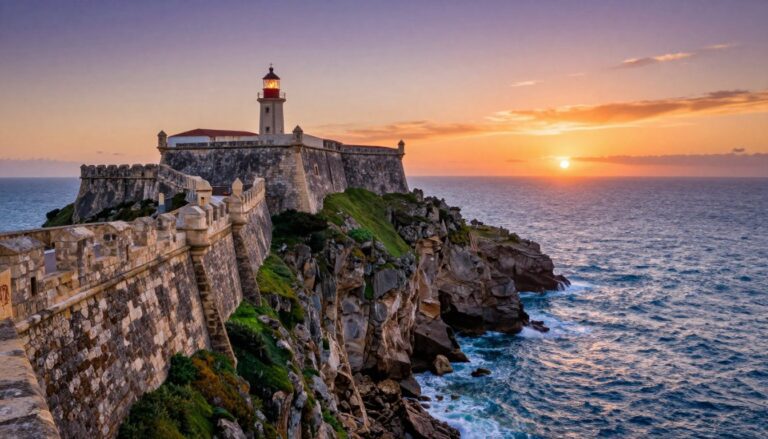
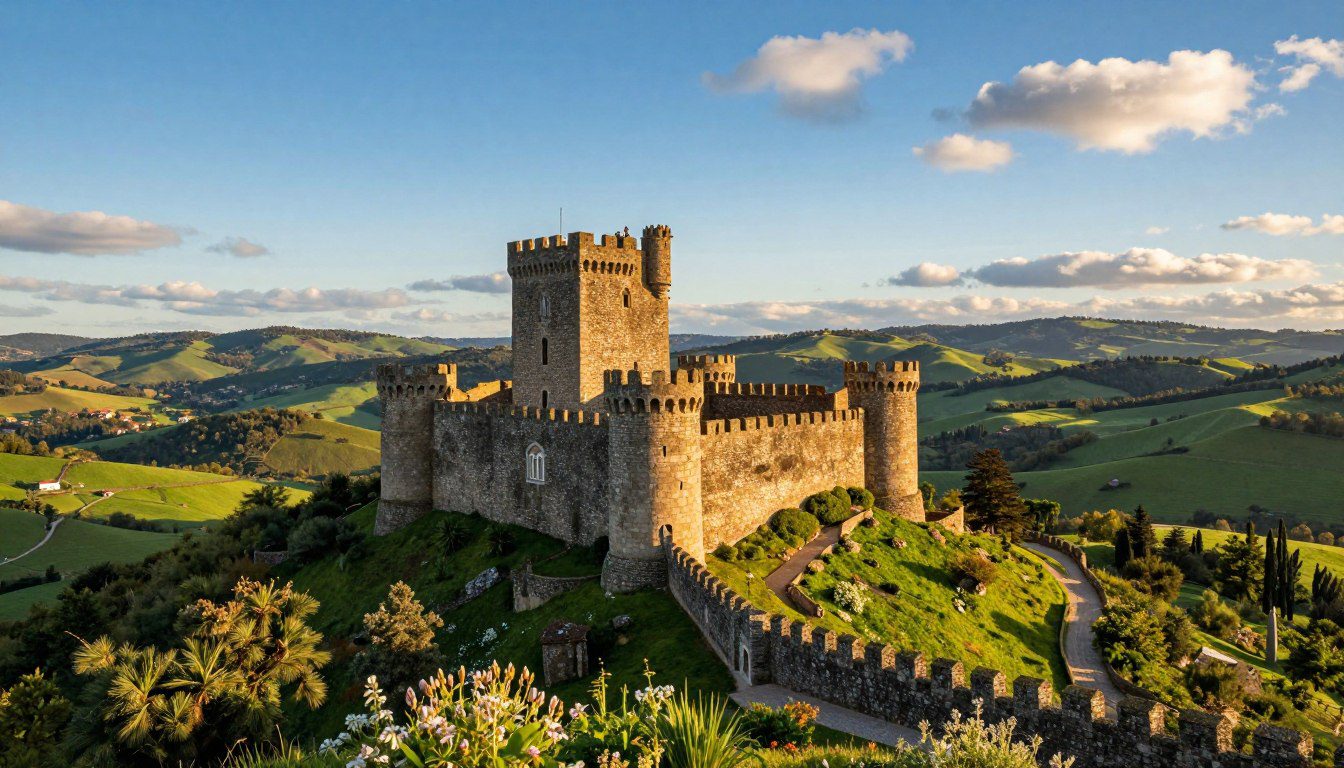
A hilltop location was key for defense. Today, it gifts you with unforgettable views. You’ll see sweeping valleys, rugged coastlines, and charming old towns.
Each castle tells a unique story. You can feel the history in the towering ramparts. It’s a perfect trip for anyone who loves adventure, photos, or simply beautiful places.
This guide will show you the most spectacular castles across the country. Get ready to climb watchtowers and discover vistas that once guarded a kingdom.
Introduction: A Journey Through Portugal’s Historic Castles
Families exploring Portugal will find its historic castles create unforgettable travel memories. Hundreds of these ancient sites are scattered across the country. For many, only a lonely tower or a fragment of wall remains.
This guide focuses on the fortresses offering the most complete experiences. We highlight locations with well-preserved structures and great visitor access. You get to explore the real deal, not just ruins.
Your journey will transport you back in time to an era of knights and grand sieges. Each stone has a story. You can find easily reached citadels in cities or remote mountain strongholds for the adventurous.
A castle-focused trip reveals incredible diversity. See Moorish walls, Christian reconquest bastions, and Templar headquarters. Every place shows a different piece of Portuguese history.
Whether you plan a dedicated tour or add a few stops, these sites are captivating. The mix of rich history, stunning architecture, and spectacular views makes castle-hopping a top way to experience Portugal.
The Timeless Allure of Portuguese Castles
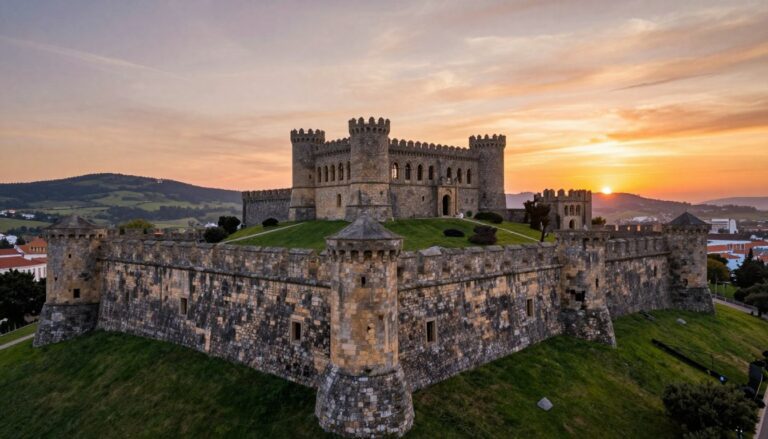
The architectural DNA of a Portuguese fortress tells a story of conquest, reconquest, and cultural fusion. Many structures date back to Roman times, with later Moorish rebuilds and Christian modifications in the 12th century and beyond.
This evolution created a unique military architecture. Massive walls and defensive towers controlled vital routes. They were symbols of power for kings during the long Reconquista.
Portugal’s role in the Crusades fostered a strong chivalric culture. You can feel this grandeur in the stonework. Each site whispers tales of territorial wars that shaped the nation.
Beyond defense, many castles served as elegant residences. This blend of strength and beauty adds to their timeless appeal. Today, they stand as proud monuments, offering a tangible link to a dramatic past.
Hilltop Castles With the Best Views in Portugal
Strategic heights chosen by medieval builders now serve as unparalleled observation points. Centuries ago, commanders picked the most commanding hills for defense. Today, those same positions gift you with unforgettable views.
Each fortress offers a unique panoramic view. You might see the vast Atlantic Ocean from a coastal bastion. Another citadel reveals sweeping valleys or distant mountain ranges.
The top sites in our guide were chosen for their history and preservation. Climbing to these elevated ramparts requires some effort. The reward of standing where sentries once watched is absolutely worth it.
Your first citadel might overlook a modern city. The next could survey timeless countryside. Photography here is incredible. At sunset, the ancient stones become golden-hued masterpieces. This is the best place to grasp Portugal’s stunning geography.
Exploring Lisbon’s Iconic Fortresses: São Jorge and Beyond
No visit to Portugal’s vibrant capital is complete without exploring its most iconic fortress, São Jorge Castle. This historic site dominates the city skyline from its perch on one of seven historic hills.
The History and Heritage of São Jorge Castle
Its walls have origins in the 1st century BC. The Moors built the castle you see today. When Lisbon became the capital in 1255, King Afonso III used it as his royal residence.
The 1755 earthquake caused severe damage. Major 20th-century renovations restored its grandeur. Today, it stands as a proud symbol of the city‘s resilience.
Panoramic Views and Visitor Tips
Walking the ramparts gives you a breathtaking 360-degree view. Climb the towers for even better panoramas of the Tagus River and red rooftops.
Explore the on-site museum and archaeological site. Don’t miss the peacocks roaming freely. The narrow streets of Alfama lead you up, adding to the medieval charm.
For a smooth visit, buy your castle ticket online ahead of time. This avoids long entrance lines.
Beyond São Jorge, consider the Moorish Castle in Sintra. Its dramatic mountain ridge walls offer another spectacular experience just 30 minutes away.
| Feature | Detail | Visitor Tip |
|---|---|---|
| Location | Top of one of Lisbon’s seven hills | Wear comfortable shoes for the climb |
| Historical Era | Moorish construction, later royal residence | Visit the museum for context |
| Key Experience | Panoramic views from walls and towers | Best light for photos is late afternoon |
| Access | Main entrance in Alfama district | Purchase tickets online to skip queues |
Northern Charms: Castles of Guimarães and Santa Maria da Feira
Northern Portugal holds the keys to the nation’s origin story, preserved within formidable medieval walls. Two iconic fortresses stand out for their deep historical roots.
These sites offer more than just ancient stone. They provide a direct link to the events that shaped a country.
Guimarães Castle – The Birthplace of a Nation
This castle was castle built in the 10th century. Its purpose was to defend a local monastery from invaders.
Its true fame comes from being the birthplace of Afonso Henriques. He became Portugal’s first king.
You can walk the same ramparts where the young king once played. The seven towers and thick walls create an imposing sight.
The surrounding town is a UNESCO World Heritage site. Its charming village atmosphere perfectly complements the historic fortress.
Highlights of Santa Maria da Feira
Further south lies the Santa Maria da Feira castle. It sits between the cities of Porto and Aveiro.
This Santa Maria stronghold was vital during the Christian Reconquista. It served as a key defensive base.
Today, it’s a protected national monument. Visitors can explore its impressive towers.
Please note that parts of the Maria Feira site are closed for renovation. Check access before you plan your trip.
Island Castles and Hidden Retreats: The Castle of Almourol
Experience a fairytale setting at the Castle of Almourol, perched on an islet in the middle of the Tagus River. This romantic fortress offers one of Portugal’s most unique experiences. Its tiny rocky island location creates a magical silhouette against the water.
Accessing the Castle by Boat
Your adventure begins with a charming boat ride. You’ll depart from the village of Vila Nova da Barquinha. The short journey across the river provides magnificent photo opportunities.
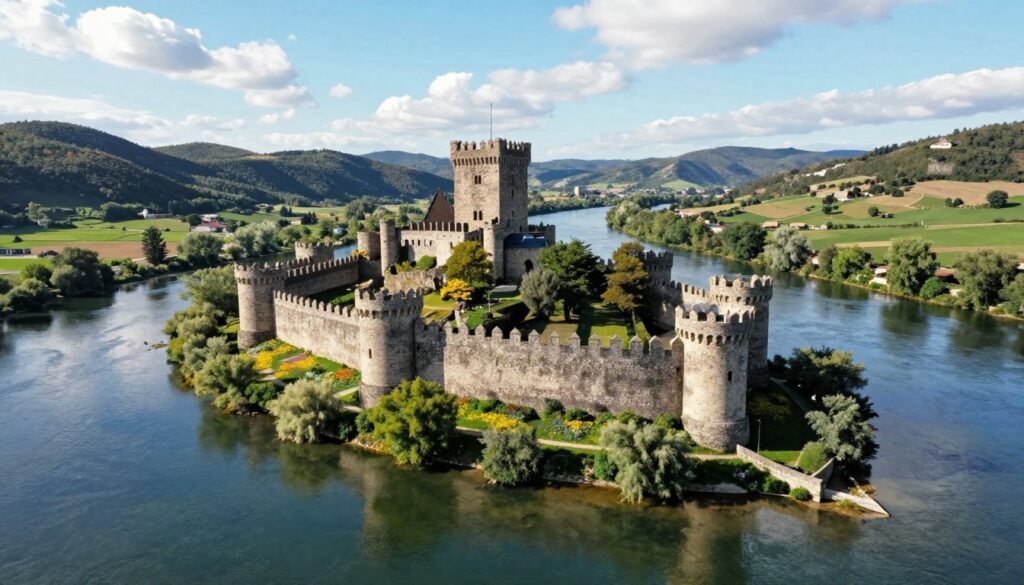
The castle was originally castle built on Roman foundations. The legendary Knights Templar completely reconstructed it during the 12th century. They controlled this strategic position as part of their defensive border line.
| Feature | Castle of Almourol | Castle of Tomar (Convent of Christ) |
|---|---|---|
| Location | Tiny island in Tagus River | Hilltop in Tomar town |
| Primary Builder | Knights Templar (12th century) | Knights Templar (founded 1160) |
| Key Characteristic | Island fortress requiring boat access | UNESCO World Heritage complex |
| Visitor Experience | Romantic boat journey & island exploration | Vast architectural complex with round church |
| Historical Role | Border defense during Reconquista | Portuguese headquarters of Knights Templar |
Nearby, visit the magnificent Tomar complex. This was the Portuguese headquarters of the Knights Templar. The king and Templar leadership worked closely during this century. Together they strengthened Portugal’s border defenses.
Medieval Marvels: Sortelha, Marvão, and Monsanto
The true character of Portugal’s frontier history is best felt in three remarkable sites: Sortelha, Marvão, and Monsanto. These remote fortress communities near the Spanish border offer deeply authentic experiences.
Sortelha’s Off-the-Beaten-Path Experience
Sortelha is a tiny, fortified village. Its compact castle features a climbable tower. The real adventure is walking the string of ancient walls that wrap around the entire town.
You might have this magical place all to yourself. The experience feels genuinely solitary and off-the-grid.
Exploring the Majestic Castle Walls
Nearby Monsanto is famous for its giant boulders. Stone houses are built right into the rock. The castle atop the village offers sweeping views of this unique landscape.
Further east, the Castle of Marvão is immense and well-preserved. You can climb multiple towers and walk long sections of its walls. White-washed houses line the narrow streets inside this breathtaking hilltop village.
Hidden Gems in Central & Douro Portugal
Central Portugal and the Douro Valley conceal intimate medieval castles perfect for a quick historical detour. These lesser-known fortresses offer rewarding stops. They add rich context to your exploration of these beautiful areas.
One charming place is the Castle of Penedono. This tiny fortress sits right in the center of Penedono town. You can climb to the walkway around the top of its walls. The view over the surrounding village and countryside is very nice.
Like many Portuguese castles, Penedono boasts over 1,000 years of history. Its compact size creates a fascinating, intimate setting. You feel close to the medieval past here.
In the Douro Valley, find the Castle of Lamego. This small hilltop castle overlooks one of the region’s most charming towns. Entry is free, and a visit is quick. Walk the short walls and climb its tower for the best views.
This castle one isn’t worth a special trip alone. But if you’re visiting Lamego for its famous sanctuary, it’s an easy add-on. These places provide lovely photo opportunities. The village settings around these castles are often just as appealing as the stone walls themselves.
Family-Friendly Castle Experiences
Planning a castle visit with kids requires a blend of excitement and practical safety awareness. These ancient sites can spark a child’s imagination with tales of knights and adventures. Choosing the right place makes all the difference for a memorable family day.
Fun Activities for Kids
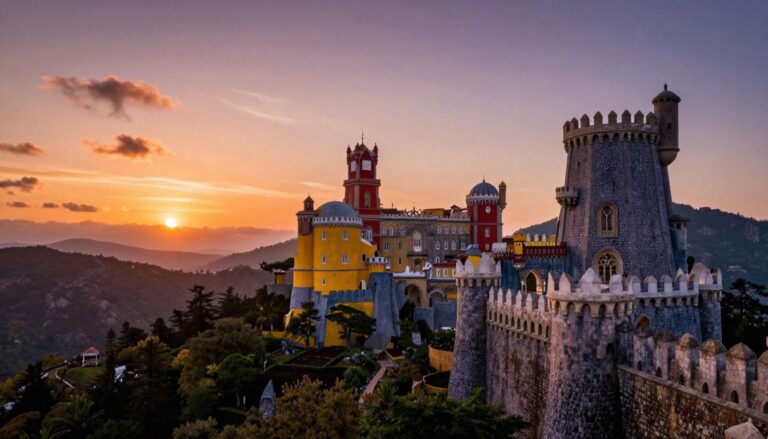
Some fortresses are perfect for young explorers. Pena Palace in Sintra feels like a colorful fairytale come to life. Kids love its whimsical towers and vibrant walls.
São Jorge Castle in Lisbon offers roaming peacocks and interactive exhibits in its small museum. Many locations host special family programs or treasure hunts. These activities turn history into an engaging game.
Safe and Accessible Castle Tours
Safety is a key concern at medieval sites. Some castles have high walls without modern guardrails. Extra vigilance is needed at places like Óbidos, Sortelha, and Monsanto.
For a safer visit, consider the Castle of Marvão or the Castle of Lamego. Their walkways are mostly protected. Lamego is small and quick, perfect for shorter attention spans.
Save time and stress by purchasing your tickets online ahead of your visit. Planning your trip for the morning helps avoid crowds and keeps energy high. This simple step makes your family adventure much smoother.
Architecture and Legends: A Historical Perspective
Portuguese castle architecture is a visual timeline of conquest and cultural fusion. The stone walls you see today often date back to different times. They tell a story of adaptation and artistic expression.
Mix of Gothic, Manueline, and Moorish Influences
The Moorish Castle in Sintra is a prime example. It was castle built between the 8th and 9th century. Its design features strategic walls that follow the mountain’s ridges.
Christian forces later added Gothic elements. This style flourished in the 14th and 15th century. Look for pointed arches and tall, defensive towers.
The unique Manueline style emerged in the 16th century. It added elaborate maritime motifs to fortress decor. Later, King Ferdinand II created the Romantic Pena Palace.
He mixed Gothic, Islamic, and Renaissance styles. The massive Mafra National Palace is another stunning complex. It shows the shift from defense to grand residence.
| Architectural Style | Time Period | Key Features | Prime Example |
|---|---|---|---|
| Moorish | 8th-10th Century | Geometric decor, strategic walls, water cisterns | Moorish Castle, Sintra |
| Gothic | 14th-15th Century | Pointed arches, ribbed vaults, tall towers | Many Christian fortresses |
| Manueline | 16th Century | Maritime stonework, ropes, exotic motifs | Tomar Convent additions |
| Romantic | 19th Century | Eclectic mix, colorful palaces | Pena Palace, Sintra |
Legends of hidden treasures and secret tunnels add mystery. Each castle is a unique blend of influences. This mix reflects Portugal’s history as a cultural crossroads.
Celebrating Culture: Festivals and Local Traditions Near Castles
Beyond their historical significance, many Portuguese castle towns host lively events that celebrate medieval heritage. These gatherings transform quiet streets into vibrant scenes from another era.
You can experience the past in a whole new way. The atmosphere is electric with music, color, and community spirit.
Medieval Festivals and Cultural Events
During festival times, the town around a castle becomes a stage. Costumed performers, artisans, and knights fill the streets. It feels like stepping into the 13th century.
The Castle of Óbidos is famous for its regular medieval shows. You’ll see armored knights, hear traditional singing, and watch craftsmen using tools from a bygone century.
Santa Maria da Feira hosts one of Portugal’s largest events. Its annual festival turns the entire village into a market for five days each August. In 2023, it drew over 150,000 visitors.
Leiria’s Medieval Fair is another major highlight. The whole city becomes a themed playground, with activities centered on its historic fortress.
| Festival Name | Location | Typical Month | Key Features |
|---|---|---|---|
| Óbidos Medieval Market | Castle & Town of Óbidos | July / August | Knight tournaments, period music, artisan demonstrations |
| Santa Maria da Feira Medieval Festival | Santa Maria da Feira Castle | August | Massive market, jousting, falconry, attracts 150k+ visitors |
| Leiria Medieval Fair | Leiria Castle & City | April / May | City-wide transformation, parades, historical reenactments |
Traditional houses are decorated with banners. Food stalls serve recipes from medieval times. These festivals offer a unique, living history lesson you won’t forget.
Planning Your Castle Tour: Insights and Itineraries
Designing your castle adventure in Portugal calls for smart planning to see the best sites without wasting time. On a recent five-week road trip, we visited many fortresses. This list reflects our top picks for overall experience.
Accessibility varies greatly. São Jorge Castle sits right in the capital of Lisbon. Others, like Monsanto, are in remote eastern areas.
A strategic approach makes your visit efficient and rewarding.
Must-See Castles and Time-Saving Tips
Grouping destinations by region saves valuable travel time. For example, the Castle of Almourol pairs perfectly with Tomar. You can add Fátima and the Batalha Monastery for a full central Portugal day.
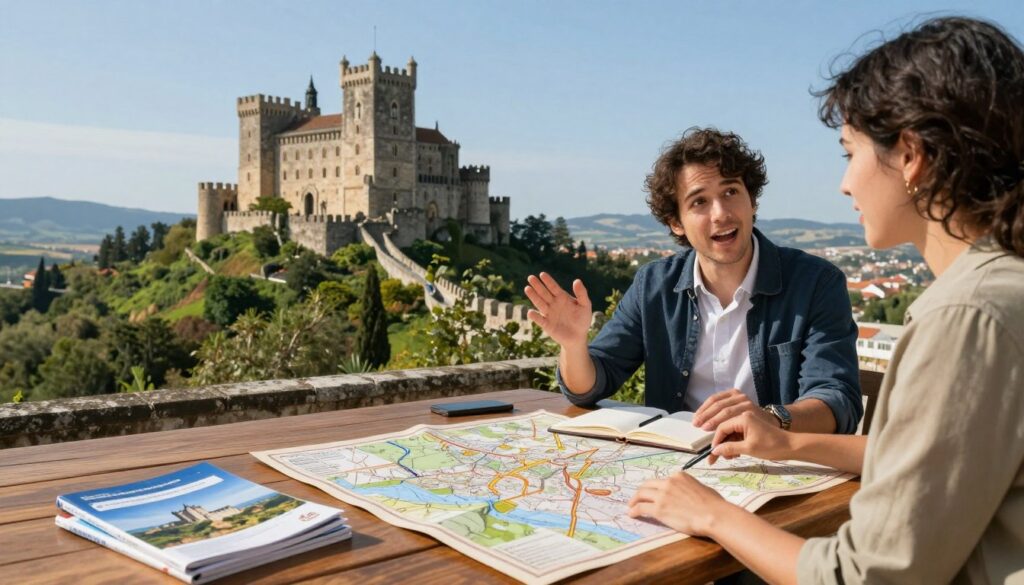
Essential castles for first-timers include São Jorge, Pena Palace, and Guimarães. Óbidos and Almourol are also fantastic. Each place offers a unique feel.
Always buy your tickets online in advance. This avoids long lines at popular spots. It protects your precious vacation time.
Consider a 7-10 day trip focusing on regions. Spend a few days around Lisbon and Sintra. Then explore northern castles near Porto. Finally, discover central Portugal’s hidden gems.
Base yourself in a central town like Lisbon or Porto. Take day trips to surrounding fortresses. This is easier than changing hotels every night.
Allow extra time to explore the charming town around each fortress. There’s often more to see than just the ancient walls. A good plan turns a great visit into an unforgettable journey through castles portugal.
Insider Tips: Making the Most of Your Visit
Unlock the full potential of your Portuguese castle tour with these practical tips. Smart timing and preparation turn a standard visit into a magical journey. You’ll avoid frustration and discover hidden details.
Popular sites like Pena Palace and São Jorge Castle draw big crowds. Arrive right at opening or in the late afternoon. For a peaceful experience, seek out lesser-known fortresses.
Places like the Castle of Sortelha or Monsanto offer solitude. You might have entire walls to yourself. Always buy your ticket online ahead of time.
Booking Tickets and Avoiding Crowds
This simple step saves you from long lines at the gate. It protects precious vacation hours. Once inside, safety is your next priority.
Ancient stone walls often lack modern guardrails. Watch your step, especially with kids. Walking the ramparts is a highlight, offering the best view.
Climb the central tower for an even better panorama. Wear good shoes for narrow, century-old stairs. If the weather turns, head inside to the museum.
Explore around the exterior gate first for great photos. Early morning light is perfect. A local guide can bring the cold walls to life with fascinating stories.
Conclusion
Standing where medieval sentries once kept watch connects you directly to Portugal’s dramatic past. These ancient fortresses offer an unforgettable blend of deep history, impressive architecture, and breathtaking views.
From colorful palaces to rugged border strongholds, castles in Portugal showcase incredible diversity. Each castle represents a unique chapter, from Roman times through Moorish and Christian eras.
Walking through a historic castle is a journey through time. The stunning views from commanding heights reveal strategic military thinking. They are more than beautiful backdrops for photos.
Exploring these historic places provides a true adventure. You can walk, climb, and feel the past in a tangible way. Your journey through magnificent Portuguese castles will be a highlight of your travels.
This castle-focused trip inspires a deeper appreciation for heritage. Each place leaves a lasting memory, inviting you to return.