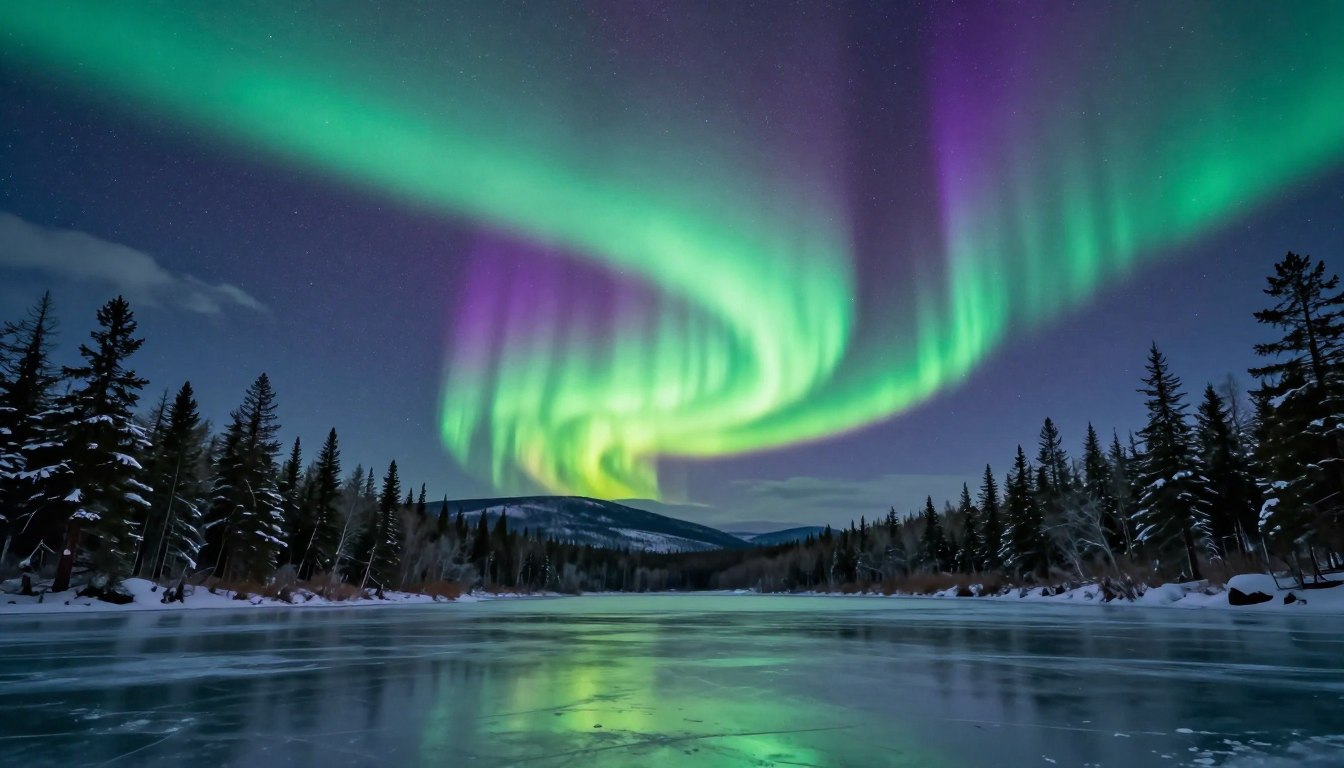
How to Visit Northern Lights in the USA Best Places and Tips
Witnessing the aurora borealis is a majestic and life-changing experience that often triggers an overwhelming emotional reaction. Seeing vibrant colors dance across the dark sky is a dream for many travelers. However, this natural beauty is elusive and requires intentional chasing because sightings are never guaranteed.
Planning a trip for the right destination is essential, and while Fairbanks, Alaska offers a ninety percent success rate over three nights, other places in the United States also provide great views. You must choose the right time and monitor winter weather conditions.
This guide provides practical tips and explains how to visit northern lights, covering everything from aurora science, forecasting, and essential packing gear. We based this advice on February 2024 trips where temperatures reached negative thirty degrees. Understanding solar activity and atmospheric changes will greatly increase your chances of a sighting.
The aurora occurs when charged particles from the sun interact with the atmosphere. By following our advice, you can see the shimmering glow during your next vacation. Pursuing this natural wonder is always worth the effort.
What Are the Northern Lights (Aurora Borealis)?
Behind every breathtaking light display lies a complex interaction between the sun and our planet. This natural phenomenon, also known as the aurora borealis, has amazed people for thousands of years.
While it looks like magic, the glowing ribbons in the sky result from predictable scientific events. Understanding how the northern lights work makes the experience even more meaningful for travelers.
The Science Behind the Celestial Show
The process begins when the sun releases charged particles into space through solar wind. These tiny particles travel millions of miles before reaching Earth’s protective magnetic field. The field then directs them toward the polar regions, creating a ring of light known as the Aurora Oval.
When these charged particles enter our atmosphere, they crash into gases like oxygen and nitrogen. These collisions excite the gas molecules, causing them to release energy in the form of visible light. This scientific activity happens mostly in high-latitude regions near the Arctic Circle.
Interestingly, the same event occurs in the Southern Hemisphere, where experts call it the Aurora Australis. Witnessing the northern lights dance across the horizon often feels like a transformative experience for those watching below.
Understanding Aurora Colors and What Creates Them
The specific colors you see during an aurora depend on the type of gas involved and the altitude. Oxygen is the most common source for the northern lights, producing the famous green glow at lower altitudes. If the collision happens very high up, the oxygen can turn a rare, brilliant red.
Nitrogen creates other stunning shades during intense solar lights. You might see deep blue or vibrant purple hues along the edges of the moving curtains. Many photographers spend years trying to capture all the different colors of the aurora borealis.
| Visible Color | Atmospheric Gas | Typical Altitude |
|---|---|---|
| Green | Oxygen | 60 – 150 miles |
| Red | Oxygen | Above 150 miles |
| Blue/Purple | Nitrogen | Lower atmosphere |
The northern lights remain one of the most beautiful sights in the natural world. Learning the science behind the lights adds a new layer of wonder to your night under the stars.
Best Places to See Northern Lights in the USA
Many travelers wondered where they could find the best views of the shimmering sky within the United States. They discovered that specific northern places provided the clearest vantage points for this natural wonder. To see northern lights, adventurers often traveled far beyond the glow of the city to find true darkness. It was a thrill to see northern displays dance across the dark horizon when the lights finally appeared.
Fairbanks, Alaska – America’s Northern Lights Capital
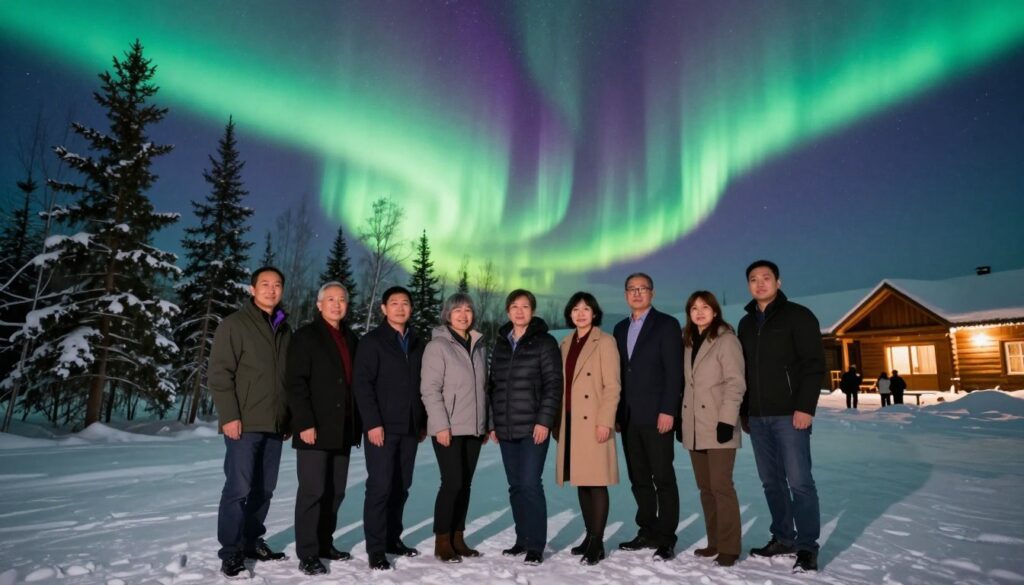
Fairbanks stood out as the premier destination for anyone who wanted to see northern activity. This location sat directly under the Aurora Oval, which made it a legendary spot for aurora hunters. It remained the most reliable place to witness the phenomenon during the cold winter months.
Aurora Pointe and Wiseman Viewing Locations
Visitors often visited Aurora Pointe for its comfortable facilities and low nightly fee of only $50. Those who sought a more remote experience traveled further north to Wiseman to stay at the Arctic Hive. These spots allowed guests to see northern lights without any interference from artificial glow or light pollution.
Why Fairbanks Has 90% Success Rate
Fairbanks boasted a 90% success rate for travelers who stayed at least three nights in the area. The town benefited from very low clouds and frequent clear skies throughout the viewing season. Because the flight from Seattle took only 3.5 hours, it became a very accessible choice for many Americans.
Boundary Waters, Minnesota – Wilderness Aurora Experience
This remote wilderness area sat about four hours north of Minneapolis near the Canadian border. It offered vast, quiet lakes that acted like giant mirrors for the northern lights. The lack of human pollution ensured that the skies stayed perfectly dark all night long.
Upper Peninsula, Michigan – Great Lakes Northern Lights
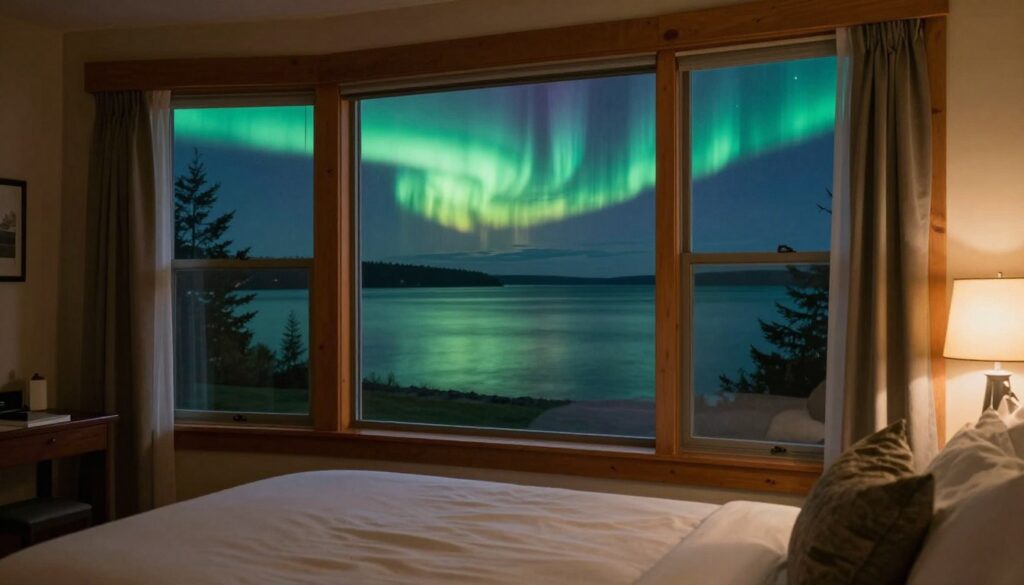
Michigan’s Upper Peninsula served as a hidden gem for catching the northern lights. The shores of Lake Superior and Isle Royale National Park provided stunning, unobstructed views for photographers. Travelers found that these northern places offered some of the best dark-sky conditions in the Midwest.
Northern Washington State
In Washington, the challenge involved moving past the coastal clouds to find the best places for observation. Successful watchers crossed the Cascade Mountains to reach higher elevations. This move helped them find the dark conditions needed to witness the celestial show.
Artist Point, Mazama, and Lake Wenatchee
Popular spots included Artist Point near Mount Baker and the quiet town of Mazama. Many people also gathered at Leavenworth or the shores of Lake Wenatchee for a glimpse of the sky. These spots offered breathtaking backdrops for the colorful ribbons of light.
Northern Maine – Baxter State Park Area
Northern Maine’s Baxter State Park provided a sanctuary with almost zero light pollution. Although it looked different on a map, Maine shared a similar latitude with parts of northern Washington. This eastern area provided a rugged and quiet backdrop for the northern lights.
Northern North Dakota Prairie Skies
The expansive prairie landscapes of North Dakota allowed people to see northern lights with great clarity. The flat horizon offered vast views that felt endless under the flickering lights. Local hospitality and open land made this a see northern transformative experience for many sky watchers.
When Is the Best Time to See Northern Lights
While the northern lights technically occur all year, witnessing their glow requires a perfect mix of timing and darkness. During the summer, the sun stays high in the sky at northern latitudes, making it impossible to see northern lights with the naked eye.
You need to wait for the time of year when the sun dips far enough below the horizon. This period of darkness allows the celestial colors to become visible against the black backdrop of space.
Optimal Months: October Through March
The best time for seeing northern lights generally falls between October and March. These winter months provide the long hours of darkness necessary for a successful aurora hunt.
In high-latitude destinations like Fairbanks, Alaska, the viewing season is quite long. You can often spot the lights from late August until approximately April 15, provided the conditions are clear.
Why September and March Offer Peak Activity
For reasons not fully understood, northern lights are often more active around the autumn and spring equinoxes. This makes the second half of September and the second half of March ideal for chasing activity.
September is a particularly popular choice because it offers a balance of daylight for days spent exploring and enough darkness at night for viewing. You can also capture the aurora reflecting over lakes before the winter ice forms.
Best Time of Night for Aurora Viewing
The aurora moves from east to west and can appear at any time once the sun goes down. Most displays occur between 8 pm and 4 am, depending on your specific location.
The best time to witness a peak display is usually after midnight. Many dedicated aurora hunters stay awake during these late night hours to catch the most intense movement and color.
Understanding Darkness Requirements
To have the best experience, you must find a location far away from city light pollution. Successful northern lights viewing requires a completely dark environment to let the faint colors shine through.
Even if the solar activity is high, poor weather can ruin your plans. Always check the cloud cover forecast, as thick clouds will block your view of the upper atmosphere.
| Season | Aurora Visibility | Average Temperatures | Best Feature |
|---|---|---|---|
| Late Autumn | Very High | 30°F to 45°F | Fall Foliage |
| Deep Winter | Peak Darkness | -20°F to 10°F | Snow Landscapes |
| Early Spring | Very High | 15°F to 35°F | Equinox Spikes |
Remember that nature is unpredictable. Planning a stay of at least three to four nights will significantly increase your chances of witnessing a memorable show.
How to Visit Northern Lights: Step-by-Step Planning Guide
Turning your dream of seeing the aurora into reality starts with a clear five-step plan. This guide simplifies the complex variables of solar physics and local climate into actionable tasks. By following these steps, you can significantly increase your chances of witnessing a spectacular show.
Several factors impact your success, from the 11-year solar cycle to the specific latitude of your destination. You must account for weather patterns and the level of artificial glow in the area. A well-organized planning process ensures you are in the right place at the right time when the sun triggers a display.
Step 1: Choose Your Destination Within the Aurora Oval
Your first task is to select a location situated between the 60 and 75-degree parallels. This region, known as the Aurora Oval, is where the northern lights appear most frequently. Fairbanks, Alaska, stands as the premier choice in the USA because it sits directly under this active band.
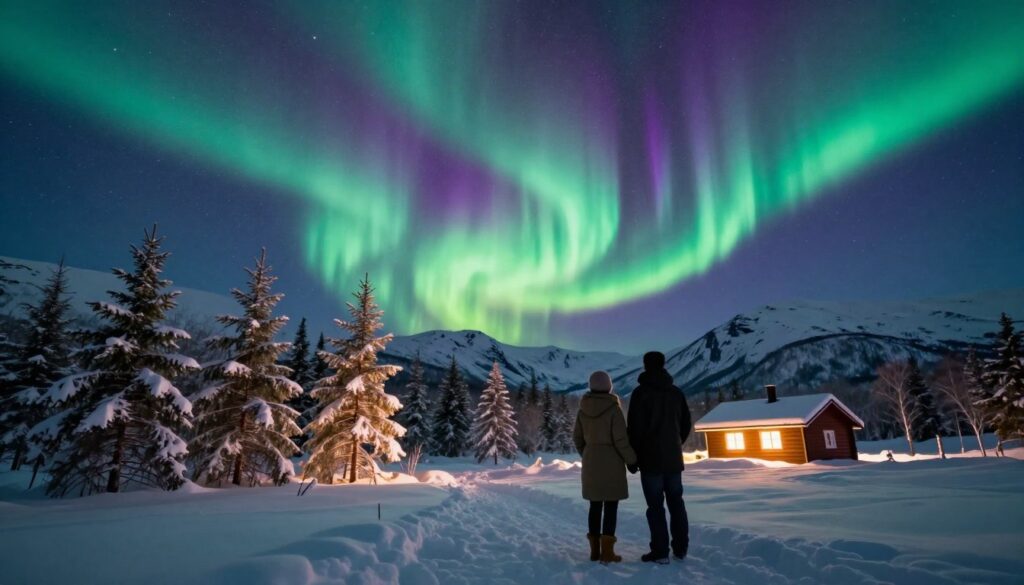
While Alaska offers the highest success rates, other northern states provide excellent alternative trips. Places like northern Minnesota or Michigan’s Upper Peninsula are great options during periods of high activity. Always aim as far north as possible to keep the lights visible on the horizon.
Step 2: Monitor Solar Cycle Activity
The intensity of the northern lights follows an 11-year cycle of solar activity. We are currently near the solar maximum, meaning the displays are more frequent and much brighter than usual. You should check the Space Weather Prediction Center (SWPC) website for current conditions.
High solar activity increases the likelihood of seeing northern lights even further south. Monitor the KP index, which measures geomagnetic storms on a scale from 0 to 9. A higher number indicates a stronger storm and a better show for your trips.
Step 3: Check Long-Range Weather Forecasts
Even the strongest solar storm cannot shine through a thick layer of clouds. Clear skies are the most critical requirement for anyone who wants to see northern lights. Always keep a close eye on the local weather forecast leading up to your departure.
Check satellite maps to find pockets of clear air if your primary spot looks cloudy. Be prepared to drive a few hours to escape localized storm systems. Patience and mobility often reward the most dedicated aurora hunters.
Step 4: Plan for Multiple Nights (Minimum 3-4)
Never book a single-night trip and expect a guaranteed show. You should plan to stay for at least three or four nights to maximize your chances. This timeframe accounts for potential cloudy days or dips in solar activity.
In Fairbanks, visitors who stay for three nights have a 90% success rate. Spreading your visit over several nights reduces the stress of a “now or never” situation. It gives you the flexibility to rest during the day and stay awake for the peak viewing hours.
Step 5: Book Accommodation Away from Light Pollution
Artificial glow from cities can easily wash out a faint aurora. You must choose an accommodation that is far from major light pollution. Look for hotels or lodges located several miles outside of town centers.
Many specialized hotels offer “aurora wake-up calls” to alert guests when the lights appear. Staying in a remote cabin ensures you have a dark, clear view of the northern horizon right from your doorstep. This simple choice makes it much easier to see northern lights in their full glory.
| Planning Step | Main Objective | Pro Tip for Travelers |
|---|---|---|
| Destination | Reach the Aurora Oval | Fairbanks offers a 90% success rate over 3 days. |
| Solar Monitoring | Track the Sun | Use the SWPC website to monitor the KP index. |
| Duration | Increase Success | Book at least 3-4 nights to beat the weather. |
| Lodging | Find Total Darkness | Stay in lodges with north-facing windows. |
How to Track and Forecast Northern Lights in Real-Time
Chasing the shimmering colors across the night sky becomes much easier when you use the right forecasting tools. These digital resources help you decide exactly when to head outside to see northern lights during your trip. This guide provides the essential tips you need to monitor solar events from your phone or laptop in real time.
Understanding KP Index Basics
The KP Index, or Planetarishe Kennziffer, is a scale from 0 to 9 that measures geomagnetic activity. Higher numbers mean the storm is stronger and visible at lower latitudes. If you are in the northern United States, you usually need a KP of 4 or higher.
Travelers already inside the Aurora Oval, like those in Fairbanks, do not need a high KP number. Even a KP of 1 or 2 can create a beautiful display in these far northern regions. Always check the local forecast rather than relying on a single global number.
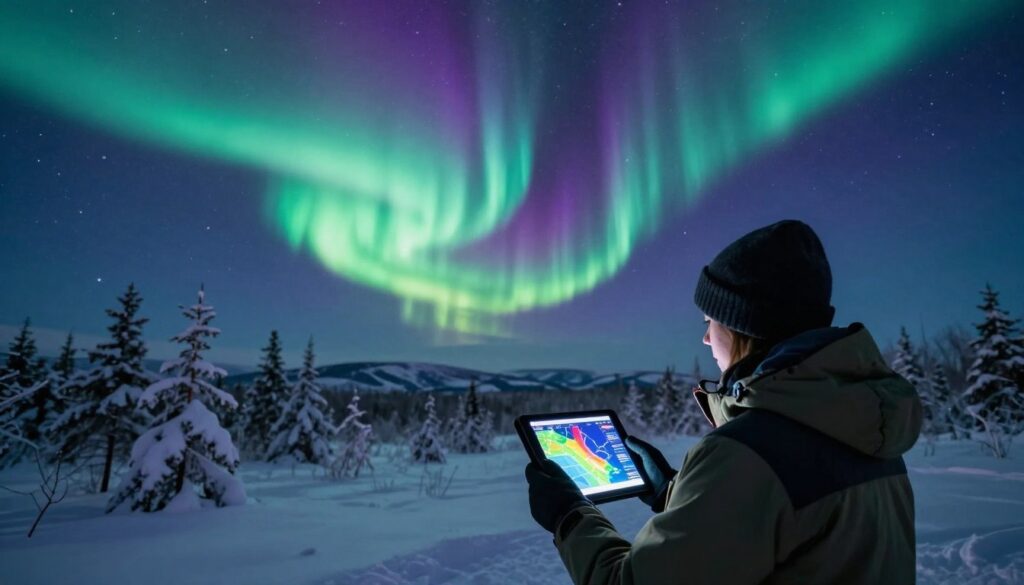
Advanced Tracking: BZ and HP Values
For better accuracy, look at the BZ value, which is the north-south direction of the interplanetary magnetic field. You want to see negative BZ values measured in nanoteslas. A negative “southward” BZ allows solar energy to enter the atmosphere more easily.
The Hemispheric Power (HP) index shows how much total energy is hitting the upper atmosphere. Values between 20-40 GW suggest good viewing conditions. If the HP jumps above 50 GW, prepare for a very intense and bright show.
Solar Wind Speed and Its Impact
Solar wind speed is a major factor in how the aurora behaves. Normal speeds are around 300 km/s, but spectacular shows often happen when speeds exceed 500 km/s. High speeds combined with a negative BZ create the best chances for a memorable night.
| Indicator | Optimal Value | What It Means |
|---|---|---|
| KP Index | 4 or higher | High geomagnetic storm intensity |
| BZ Value | Negative (South) | Solar energy enters the atmosphere |
| Solar Wind | 500+ km/s | Fast-moving particles for a bright show |
| HP Index | 50+ GW | Excellent energy levels for northern lights |
Best Aurora Forecast Websites and Apps
Reliable data is key to a successful hunt. Several specialized organizations provide live updates on solar activity and geomagnetic shifts.
Space Weather Live
Space Weather Live is a fantastic resource that puts all the critical data on one page. You can quickly see the BZ, HP, and solar wind speed without clicking through different sites. It is a favorite among professional photographers and northern lights enthusiasts.
University of Alaska Fairbanks Geophysical Institute
The University of Alaska Fairbanks Geophysical Institute offers detailed maps of the aurora oval. Their short-term forecasts help you visualize where the lights are currently visible. They also provide educational resources to help you understand the space weather science.
Using Live Webcams for Ground Truth
Before you leave your warm hotel, check live webcams in places like Fairbanks or Churchill. These cameras provide “boots on the ground” proof of what the sky actually looks like. A webcam can tell you if there is a cloud blocking the view even if the data looks perfect.
Live feeds from Lapland and northern Norway are also helpful for spotting global trends earlier in the evening. Watching a live aurora stream helps you manage your expectations and time your departure perfectly. Using these tools ensures you spend more time watching the lights and less time waiting in the cold.
What to Expect During Your Northern Lights Experience
Watching the northern lights for the first time is a journey that ranges from subtle glows to explosive colors. Your experience will depend heavily on solar activity and your own persistence throughout the evening.
Every trip is different because nature does not follow a strict schedule. While some nights offer a quiet glow, others provide a life-changing show that stays with you forever.
Strong Displays: The Full Show
During a powerful display, specifically KP7 or higher, the sky literally erupts with movement. First-time viewers often scream with joy and laughter as the northern lights dance in all directions. You might feel a deep connection to the universe as vibrant ribbons swirl overhead.
Personal trips to Fairbanks have shown that persistence pays off over multiple nights. A traveler might see a short show on night three, only to witness a 10/10 masterpiece on night four. During these peak moments, the intense lights can cover the zenith for twenty minutes, followed by a glow that lasts for hours. You will likely find that freezing temperatures feel completely irrelevant when the view is this spectacular.
| KP Level | Visual Intensity | Common Viewer Reaction |
|---|---|---|
| KP 1-3 | Faint green arches or static bands | Quiet curiosity and patience |
| KP 4-6 | Distinct moving ribbons and spikes | Excited cheering and photography |
| KP 7-9 | Rapidly dancing colors across the zenith | Euphoria, laughter, and awe |
Weak Displays: Managing Reality vs Expectations
Sometimes seeing northern lights looks different than the glossy photos in travel magazines. A weak aurora often appears as a faint, greyish cloud to the naked eye. This can be underwhelming for those seeing northern events for the first time.
Many travelers worry that the display is just a mist or light pollution. However, even a subtle lights event is a genuine natural phenomenon caused by solar particles. Staying out longer often reveals that these quiet periods are just the buildup to something bigger.
How Cameras See More Than Human Eyes
A modern camera captures much more detail than the human eye can process in the dark. This technology picks up the aurora colors by gathering light over several seconds. Because of this, the images on the sky often look more vivid in a photo than in person.
This difference leads some to believe that professional photos are fake or photoshopped. In reality, the sensor simply sees the spectrum that our eyes struggle to detect in low-light conditions. You should appreciate both the digital memory and the raw, natural beauty you see with your own eyes.
Typical Duration and Movement Patterns
A display can flare up for five minutes or stretch across the entire night. Most activity moves from east to west, following the magnetic patterns of the Earth. You might see a burst of action at 8pm, followed by silence, only for the show to return at 2am.
This cycle requires you to stay alert and patient during your experience. The northern lights reward those who wait through the cold and keep watching the horizon. Every minute spent in the dark increases your chances of witnessing a world-class performance.
How to Photograph the Northern Lights
Learning to capture the shimmering dance of the northern lights will make your travel experience great. Your camera picks up colors that eyes often miss at night. This guide helps you get the best views of the winter sky. Using the right tips makes all the difference when you are out in the cold.
Essential Camera Settings
Setting up your gear properly is the first step to success. Since the aurora moves, you must balance your exposure to keep the details sharp. If the aurora is moving very fast, you will need a faster speed to avoid a blurry mess of green.
ISO, Shutter Speed, and Aperture
Use a wide aperture like f/1.4 or f/2.8 to let in more light. For a fast-moving display, set your shutter to 2 or 4 seconds. This keeps the moving lights from losing their shape. If the glow is faint, use an ISO between 800 and 3200 to help the sensor see the colors.
Manual Focus Techniques
Auto-focus will not work in the dark. Use live view to zoom in on a bright star. Turn the ring until the star is a tiny, sharp dot. Always triple-check your focus before you start your session for the evening. If you move your lens, check it again to be safe.
Required Photography Gear
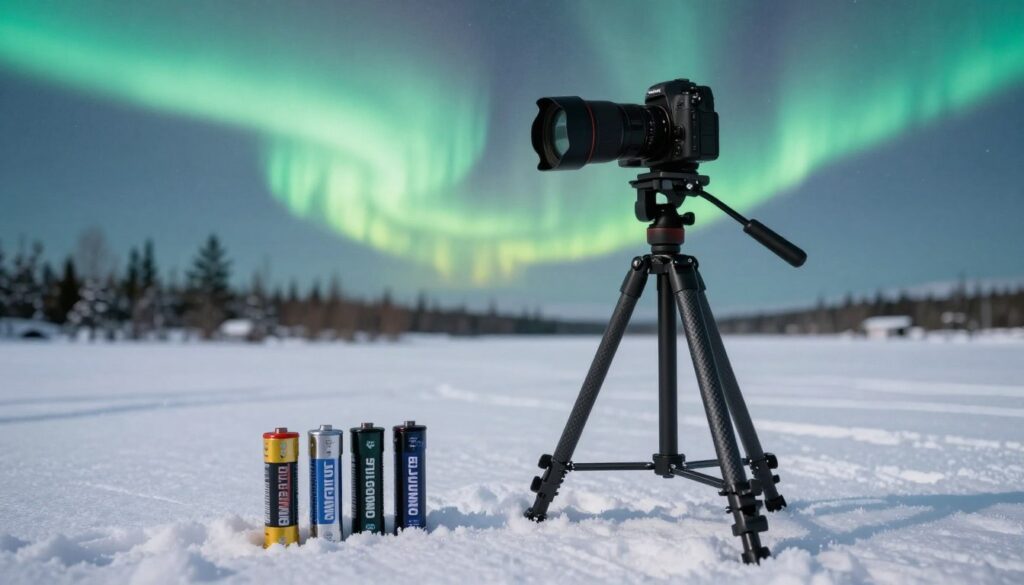
A heavy tripod is the most important tool for long exposures. You need a wide-angle lens, such as a 14mm or 20mm, to fit the whole scene. Bring a remote shutter release to avoid shaking the lens when you press the button. These tips help you prepare for the dark.
Composition and Foreground Elements
Include things like trees, mountains, or a lake to give your photos scale. The northern lights can appear in any part of the horizon at any time. Keep your head on a swivel to see the whole show. Getting away from city lights is the only way to get a clear, natural shot.
Battery Management in Extreme Cold
Extreme cold drains power quickly. Keep your spare batteries in a warm pocket close to your body. Leave your camera outside until you are finished for the session. This stops lens fog from forming when you move between different temperatures. Watch the green lights and enjoy the view. The northern lights are truly a sight to see.
Staying Warm While Chasing Northern Lights>
The secret to a successful northern lights hunt lies in your ability to stay comfortable when the thermometer drops. Standing still for hours in the winter air can drain your body heat quickly. While coastal places like Iceland might hover around 25°F, inland spots like Fairbanks often plunge to -40°F.
You must prepare for these extreme conditions to enjoy the night. Proper clothing ensures you focus on the sky rather than your shivering limbs. Following these tips will help you survive the cold while capturing the perfect shot.
The 4-6 Layer Clothing System
A multi-layer strategy is the gold standard for any Arctic experience. This system traps air between layers to provide maximum insulation.
Base Layers and Thermal Underwear
Start with moisture-wicking thermal underwear for both your top and bottom. This layer keeps sweat away from your skin to prevent a chill. Avoid cotton, as it holds moisture and makes you colder.
Insulating Mid-Layers
Add a thick fleece or a wool sweater over your base. For extreme temperature drops, a down or synthetic insulated jacket is essential. These materials trap the bulk of your body heat effectively.
Outer Shell Protection
Your final layer should be a waterproof and windproof shell. Use a heavy winter parka and snowboarding pants to block the biting wind. Don’t forget a warm beanie and a facemask to protect your skin.
Critical Accessories for Sub-Zero Temperatures
Small items often make the biggest difference when you are out in the cold. Keeping your extremities warm is just as important as protecting your core.
Hand Warmers and Toe Warmers
Chemical hand and toe warmers are absolutely clutch for long sessions. Slide them into your gloves and boots to maintain circulation. They provide a steady heat source that helps you endure the freezing lights display.
Winter Insulated Boots
Regular waterproof hiking boots are completely inadequate for the Arctic. You need winter boots specifically rated for sub-zero weather. Wear a thin liner sock under a thick wool sock to maximize warmth without restricting blood flow.
Dealing with -25°F vs 25°F Conditions
The environment changes how you should approach your hunt. “I’d much rather have 25°F!” is a common sentiment among aurora chasers. Use this table to understand the differences:
| Feature | Coastal (25°F) | Inland (-25°F) |
|---|---|---|
| Typical Locations | Norway, Iceland | Alaska, North Dakota |
| Layer Count | 3-4 Layers | 5-6 Layers |
| Warm-up Needs | Moderate | Frequent Breaks |
Always keep a hot drink nearby to stay hydrated and warm from the inside out. If the lights become spectacular, the excitement might distract you from the winter chill. However, you should still retreat to a warm vehicle periodically to stay safe.
Top International Northern Lights Destinations
For those ready to stamp their passports, these global hotspots offer the best views of the dancing lights. Many international places sit much higher in the Aurora Oval than the continental United States. This geographical advantage leads to more frequent and intense displays of the northern lights.
Iceland – Easy Access and Dramatic Landscapes
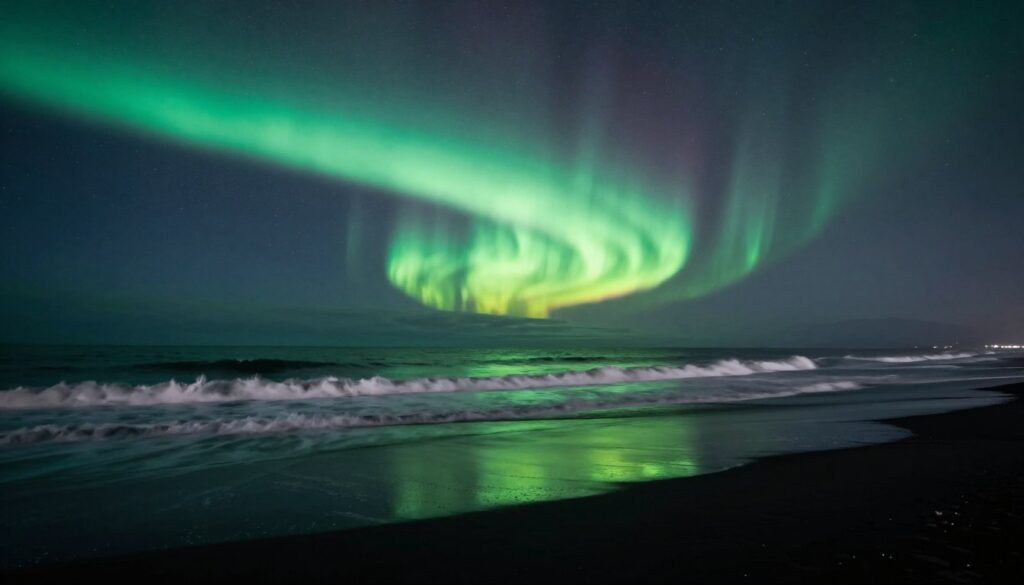
Iceland is a fantastic choice for travelers who want to see northern lights with minimal travel stress. You can often spot the glow as early as September while staying at local campgrounds. The island combines volcanic scenery with easy accessibility from major American cities.
Northern Norway
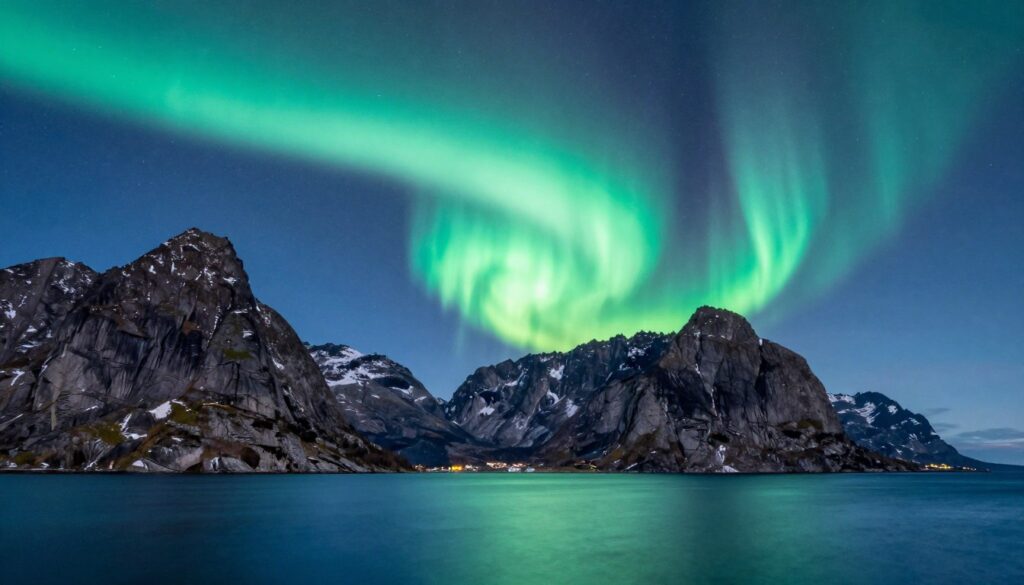
Northern Norway is a premier destination for anyone chasing the Arctic glow. This region offers a spectacular coastline filled with dramatic fjords. Many travelers prefer Northern Norway over other spots because the mountains provide a stunning natural frame for every photo.
Tromsø – Gateway to the Arctic
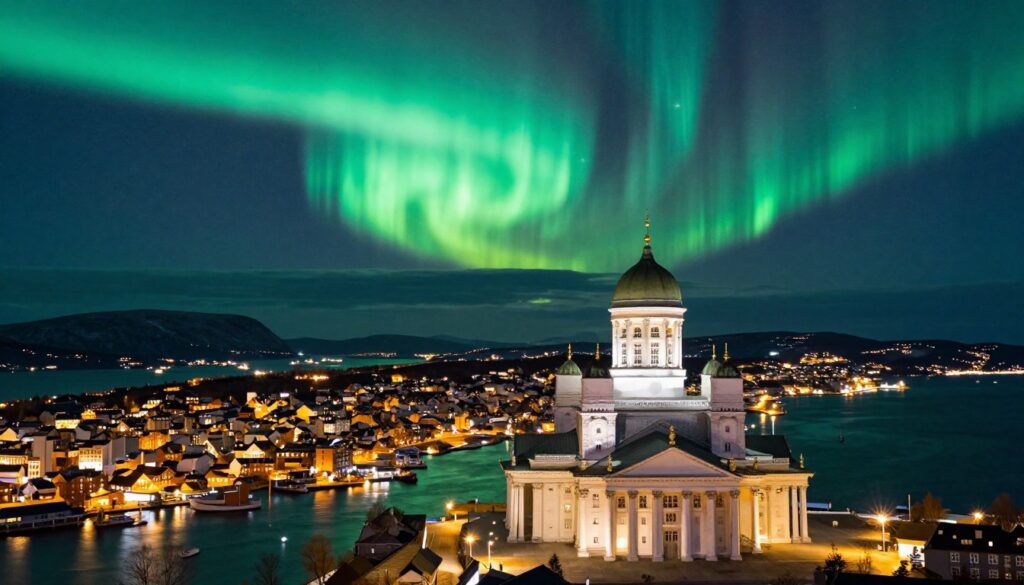
Tromsø offers a complete Arctic experience without the need for a rental car. Tours from this place often drive long distances to find clear skies and escape the coastal clouds. It is a bustling hub that serves as a perfect base for your northern norway adventure.
Alta – Hidden Gem with Clear Skies
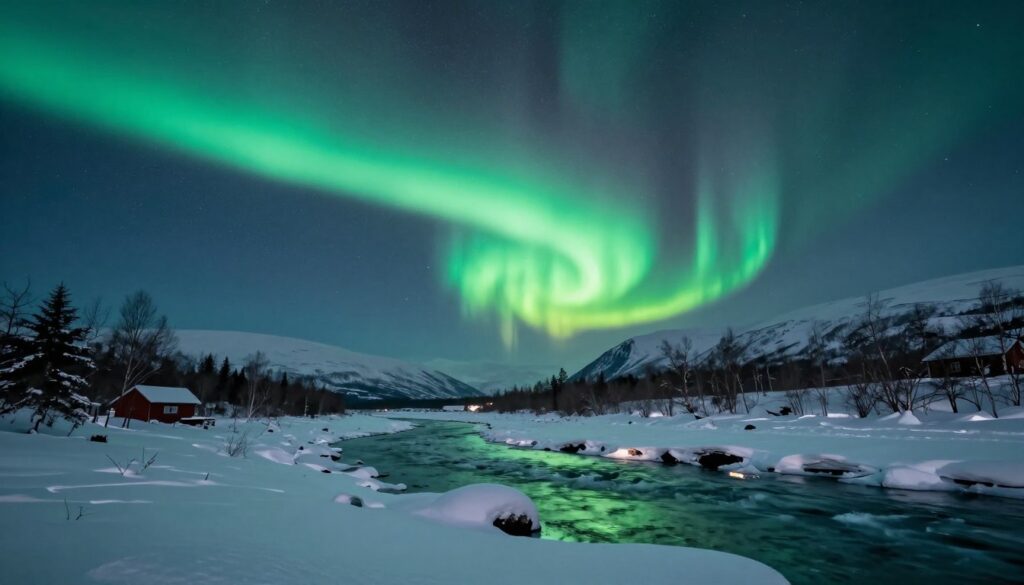
Alta is a quiet town that just delivers consistent results. Most tours include convenient hotel pickups, so you do not have to drive far to find darkness. The walkable center makes it an easy and relaxing spot for a winter trip.
Lofoten Islands – Fjord Photography Paradise
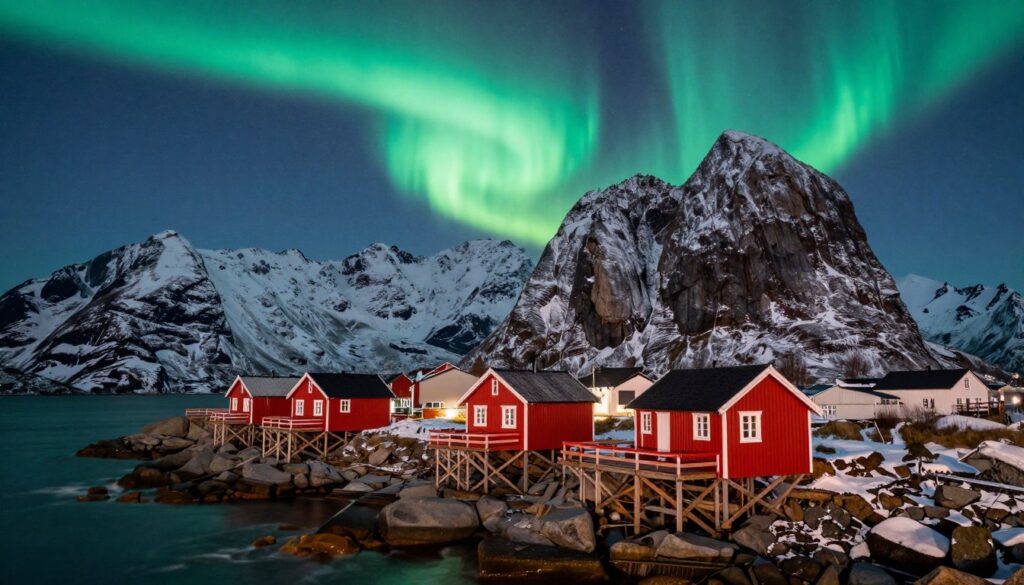
The Lofoten Islands are famous for their fjords and steep mountains. You can often see the lights dancing directly overhead while standing on a snowy beach. It is a dream location for photographers looking for unique foreground elements.
Swedish Lapland
Sweden offers stable weather and several unique places to stay during the winter. It is a great spot to see aurora activity while enjoying traditional Nordic culture. Many hotels in this area cater specifically to aurora hunters.
Abisko National Park and the Blue Hole
Abisko is home to the famous “blue hole,” a unique microclimate that keeps the sky clear. This stable weather makes it one of the most reliable spots on Earth to witness the northern lights. You can easily reach this park by taking a direct train from nearby Kiruna.
Kiruna Ice Hotel Experience
Staying in an ice hotel is a bucket-list item for many travelers. These hotels are built entirely from snow and ice each year. They offer a cold but magical experience right in the heart of the Swedish wilderness.
Finland’s Glass Igloo Hotels
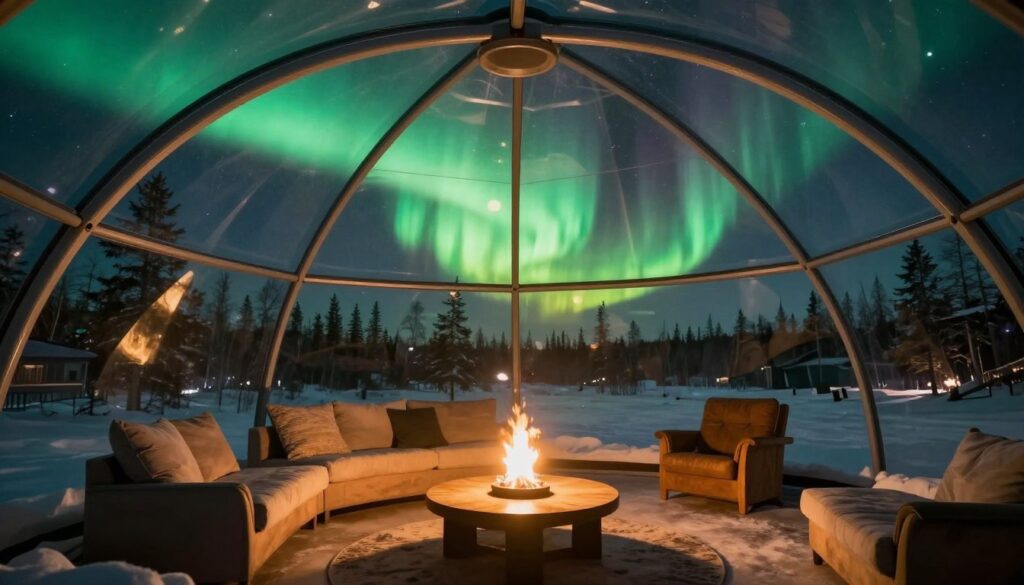
Finland is famous for its luxurious glass igloo hotels. These structures allow you to see aurora displays from the comfort of a warm bed. These hotels provide a perfect blend of modern luxury and raw Arctic nature.
Canadian Arctic
Canada provides some of the best places for northern lights viewing in North America. The vast wilderness ensures that light pollution is never an issue. You can find incredible lights and dark skies across several northern territories.
Churchill, Manitoba
Churchill is known as the polar bear capital of the world. It offers incredible subarctic views and a very high chance of sightings. You can combine your aurora search with a unique wildlife safari.
Whitehorse, Yukon
Whitehorse is a prime location for those who want to escape the crowds. The Yukon Territory provides easy access to deep wilderness. It is an excellent spot to watch the lights in total silence.
Banff National Park
The mountains of the Canadian Rockies create a majestic backdrop for the aurora. Banff offers a stunning mix of pine forests and frozen lakes. Watching the lights reflect off the glacial water is a memory that stays with you forever.
Guided Tours vs Self-Guided Northern Lights Hunting>
Deciding between a professional tour and a solo adventure is a major step in planning your aurora excursion. This choice affects your safety, budget, and the quality of your nightly views. Both methods offer unique ways to witness the sky, but they cater to very different travel styles.
Benefits of Joining Guided Northern Lights Tours
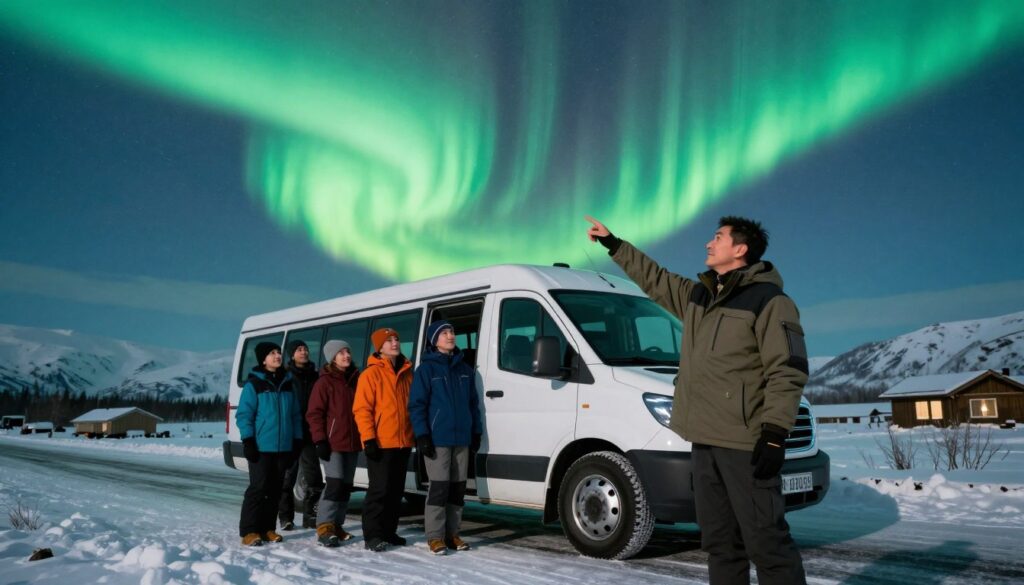
Many travelers find that northern lights excursions are much easier with a professional at the helm. These experts handle all the navigation through sub-zero temperatures and snowy landscapes while you stay warm. You can simply relax and watch the shimmering lights through the window.
Joining organized trips removes the immense pressure of making complex route decisions in the dark. It turns a potentially stressful journey into a relaxing adventure for everyone in your group. This is especially helpful for solo travelers or those visiting for just a few nights.
Real-Time Weather and Cloud Tracking
Guides use high-tech tools and satellite data to monitor the weather and cloud cover in real time. They move the group to different locations to ensure you have the best chances to see northern lights. This dynamic routing often makes the difference between a grey sky and a vivid show.
Local Expert Knowledge
A local guide understands the specific microclimates that official forecasts often miss. They know exactly which hidden valleys stay clear when the rest of the region is overcast. Their knowledge of secret viewing spots provides a safer and more successful outing than solo attempts.
Independent Aurora Chasing Advantages
If you prefer complete freedom, independent chasing allows you to set your own nightly pace. You can spend as many hours as you want at one location without worrying about a group schedule. This path offers total flexibility to adjust your plans based on your own personal research.
Car-Free Northern Lights Experiences
Seeing northern displays doesn’t always require a personal rental vehicle. Choosing a compact base like Alta or Abisko allows for a car-free experience where the shimmer appears right above your lodge. These destinations specialize in hotel pickup services, making logistics incredibly simple.
Following these tips helps you avoid the high costs and risks of winter navigation. You can focus entirely on the magical northern lights without worrying about icy roads or insurance. Vibrant lights are often just a short walk or a guided shuttle ride away from your warm bed.
Where to Stay for Best Northern Lights Viewing>
Selecting the right place to rest is a critical factor that can make or break your adventure. It determines how often you can step outside to check the sky during the freezing night. One underrated advantage of car-free travel is it pushes you to choose a better-situated location.
When it is -30°F outside, it is awesome to come inside to warm up and then head out again when the northern lights intensify. Strategic choices eliminate the need for long midnight drives. They also reduce your exposure to the extreme cold for better overall success.
Choosing Hotels Outside City Light Pollution
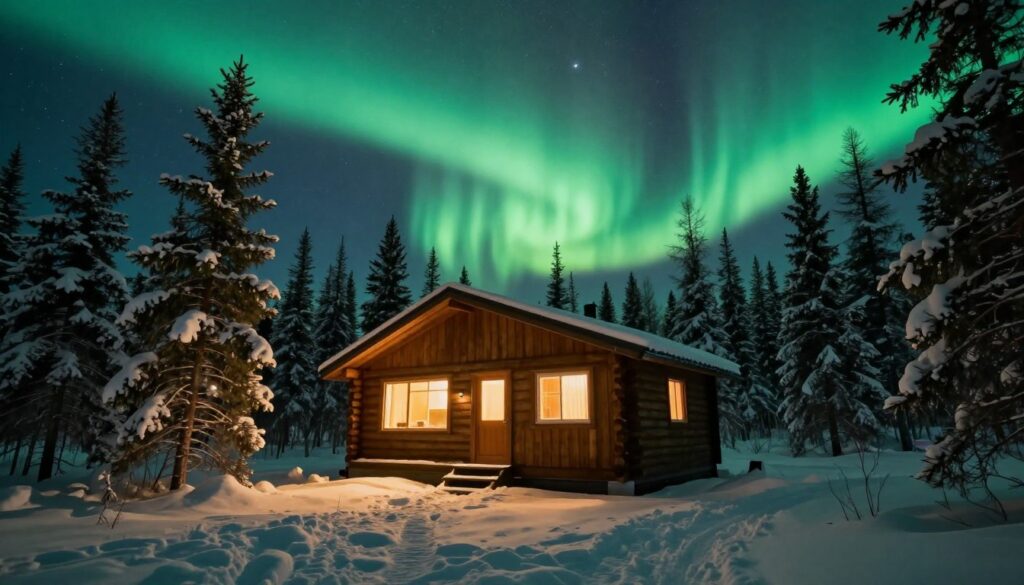
Look for smaller hotels or lodges situated outside dense city centers. This helps you avoid the heavy light pollution that hides faint aurora displays. You should seek properties with minimal street lighting and clear views toward the northern horizon.
Frozen lakes or open fields offer the best unobstructed vantage points for your experience. Prioritize a dark site over luxury amenities for the best results. A modest lodge in total darkness often produces a much better show than a bright downtown room.
Lodges with Aurora Alert Services
Many specialized hotels offer wake-up services to notify guests when the lights appear. This means you do not have to stay awake all night staring at the sky. It allows you to rest comfortably until the celestial show actually begins.
In regions like Alta or Abisko, witnessing the aurora directly from your room is very common. These services ensure you never miss a display while you are sleeping. This turns a stressful hunt into a relaxing and magical northern lights trip.
Recommended Accommodations in Key US Locations
Several hotels in the United States cater specifically to those who want to see northern displays. Strategic choices allow you to focus on the sky rather than transportation. Proper positioning ensures you are ready when the solar lights dance.
Fairbanks Hotel Options
Aurora Pointe near Fairbanks is a great choice that costs around $50 per night. It sits specifically outside the city limits for better viewing. This budget-friendly option provides easy access to the dark skies of the northern lights zone.
Upper Peninsula Lodging
Michigan’s Upper Peninsula has various spots that balance comfort with dark skies. These lodges help you see northern activity without sacrificing warmth. Choosing these hotels increases your chances of a successful multi-night hunt.
Conclusion>
Chasing the cosmic glow across the United States is a journey that transforms every traveler who looks upward. After witnessing the northern lights in Alaska, you realize this is a bucket-list experience you simply cannot miss. It is easily the most exhilarating moment you will ever have under the open sky.
While Fairbanks remains the top destination, other places like Minnesota or Maine offer great chances to see aurora activity. You should plan for several days and monitor solar storm data to ensure success. This guide helps you find the right time and provides the best tips for your trips.
Remember that the lights reward those who wait through long hours in the cold. Do not let the planning of seeing northern wonders stop you from going. You will see the aurora borealis dance when you combine preparation with a bit of luck.
See northern displays as part of the magic of the wild. These things change you forever, so take the leap and see northern lights for yourself.
You should see northern beauty at least once. The reward of the lights dancing makes every bit of effort worthwhile. Witnessing the lights after a long wait is a gift, and the northern lights are a miracle. Your northern lights adventure starts now.
## FAQ
### Q: What creates the aurora borealis?
A: Solar storms from the sun release charged particles. These tiny particles strike Earth’s atmosphere. This clash produces a colorful display across the dark sky.
### Q: Where are the top places for seeing this aurora?
A: Fairbanks, Alaska offers great chances. Travelers also find success in Boundary Waters, Minnesota. Alaska Airlines flies travelers near these prime area spots frequently.
### Q: Which best time of year works for a trip?
A: The late winter months offer the darkest skies. October until March provides excellent weather for your experience. Deep night hours yield the clearest views.
### Q: Why is light pollution a problem?
A: Bright city glow masks the faint celestial glow. Finding a remote destination near town improves your experience. Dark location choices ensure the display stays visible.
### Q: What camera gear should enthusiasts bring?
A: Use a Nikon or Sony with manual settings. A sturdy tripod prevents blurry image results during long exposures. Extra batteries help in extreme cold conditions.
### Q: Does northern Norway offer storm views?
A: Yes, the Arctic coast features dramatic fjords and mountains. This part of the world has high activity levels. It remains a famous place for trips.
### Q: Do cloud layers ruin the experience?
A: Thick cloud cover blocks the celestial light. Always check local weather forecasts before driving. Clear skies are necessary for those seeking a see aurora event.
### Q: What things and tips help for staying warm?
A: Wear Smartwool layers and heavy parkas. The winter air in the mountains feels very biting. Proper clothing allows for many hours of outdoor waiting.
### Q: Are glass igloo hotels worth the price?
A: These hotels in Finland offer a unique sky view. You can watch the aurora from your warm bed. It makes for a comfortable and memorable experience.
### Q: Is a guide required for finding the aurora?
A: A guide provides expert knowledge about location and weather. Staying for several days improves your chances. Both methods offer a high chance of a storm sighting.