What to Wear in Portugal: Fashion Tips for Your Trip
As you prepare for your trip to Portugal, understanding the local style can make a significant difference in your travel experience. Portugal’s unique blend of traditional and modern styles, influenced by its Mediterranean climate and cultural heritage, offers a fascinating backdrop for fashion exploration.
From the sunny Algarve to the trendy streets of Lisbon, knowing what to pack is crucial. In this article, we will guide you through the essentials of a packing list for Portugal vacation, helping you pack like a pro and enjoy your trip to the fullest.
Key Takeaways
- Understand the local style to enhance your travel experience
- Pack according to Portugal’s Mediterranean climate
- Explore traditional and modern styles in Portugal
- Essential items for a stylish and comfortable trip
- Tips for packing like a pro for your Portugal vacation
Understanding Portuguese Fashion Culture
Understanding Portuguese fashion culture requires a look into its historical and geographical context. Portuguese fashion is deeply rooted in its Mediterranean heritage, characterized by a preference for lightweight, breathable fabrics and a relaxed, effortless style.
The Mediterranean Influence on Portuguese Style
The Mediterranean influence on Portuguese style is evident in the emphasis on comfort and practicality. Lightweight fabrics such as cotton and linen are staples in Portuguese wardrobes, suitable for the mild climate. As noted by fashion expert,
“The Portuguese style is all about simplicity and elegance, reflecting the country’s laid-back Mediterranean lifestyle.”
This simplicity is a hallmark of Portuguese fashion, making it easy to blend in with locals.
How Portuguese Fashion Differs from American Style
Portuguese fashion differs significantly from American style in its approach to elegance and comfort. While American fashion often leans towards bold statements, Portuguese fashion is more subdued, focusing on timeless pieces. The table below highlights some key differences:
| Aspect | Portuguese Fashion | American Fashion |
|---|---|---|
| Style Approach | Subdued, Elegant | Bold, Statement-making |
| Comfort Priority | High | Variable |
| Fabrics Preferred | Lightweight, Natural | Diverse, Often Synthetic |
By understanding these nuances, travelers can better appreciate the cultural context of Portuguese fashion and dress appropriately.
Seasonal Fashion What to Wear in Portugal
The Portuguese climate varies significantly throughout the year, making seasonal fashion a crucial consideration. As you plan your trip, understanding the seasonal variations will help you pack appropriately and enjoy your time in Portugal to the fullest.
Summer Attire (June-September)
Summer in Portugal is characterized by warm weather, especially in the interior regions. Lightweight, breathable clothing is a must during this period.
Breathable Fabrics and Sun Protection
Opt for cotton, linen, or rayon fabrics that allow for airflow and help keep you cool. Don’t forget sun protection accessories like hats, sunglasses, and sunscreen to shield yourself from the sun.
Evening Layers for Coastal Breezes
Evenings, especially in coastal areas, can be cool due to the sea breeze. Bring a light jacket or sweater to layer over your outfit as the sun sets.
Winter Essentials (November-March)
Winters in Portugal can be mild, particularly in the Algarve region, but still require warmer clothing, especially in the mornings and evenings. Layering is key, with thermal tops, sweaters, and a waterproof coat being essential items.
Spring and Fall Transitional Clothing
During the spring and fall, the weather is generally mild and pleasant, making it ideal for outdoor activities. Pack transitional clothing that can be layered, such as lightweight sweaters and waterproof jackets, to adapt to the changing temperatures.
As a local once said,
“Dressing for the season in Portugal is all about being prepared for the unexpected.”
By considering the seasonal variations and packing accordingly, you’ll be well-prepared for your trip to Portugal.
City-Specific Fashion Guidelines
As you travel through Portugal, you’ll notice that each city has its own fashion vibe, reflecting the local culture and lifestyle. Whether you’re strolling through the historic neighborhoods of Lisbon, exploring the charming streets of Porto, or relaxing on the beaches of Algarve, understanding the local fashion can enhance your travel experience.
Lisbon’s Trendy Urban Style
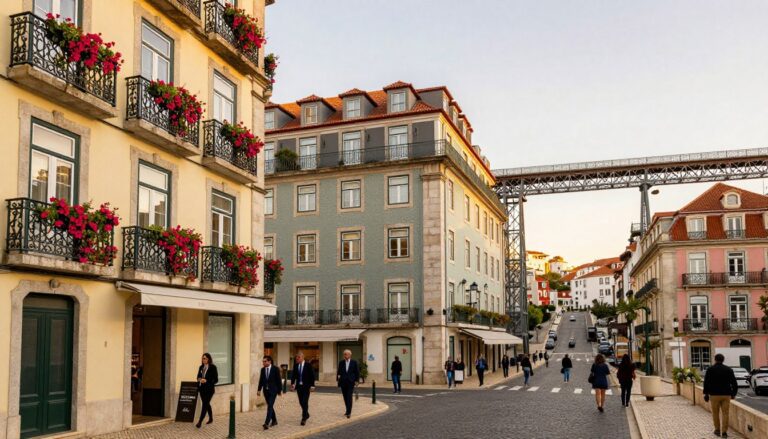
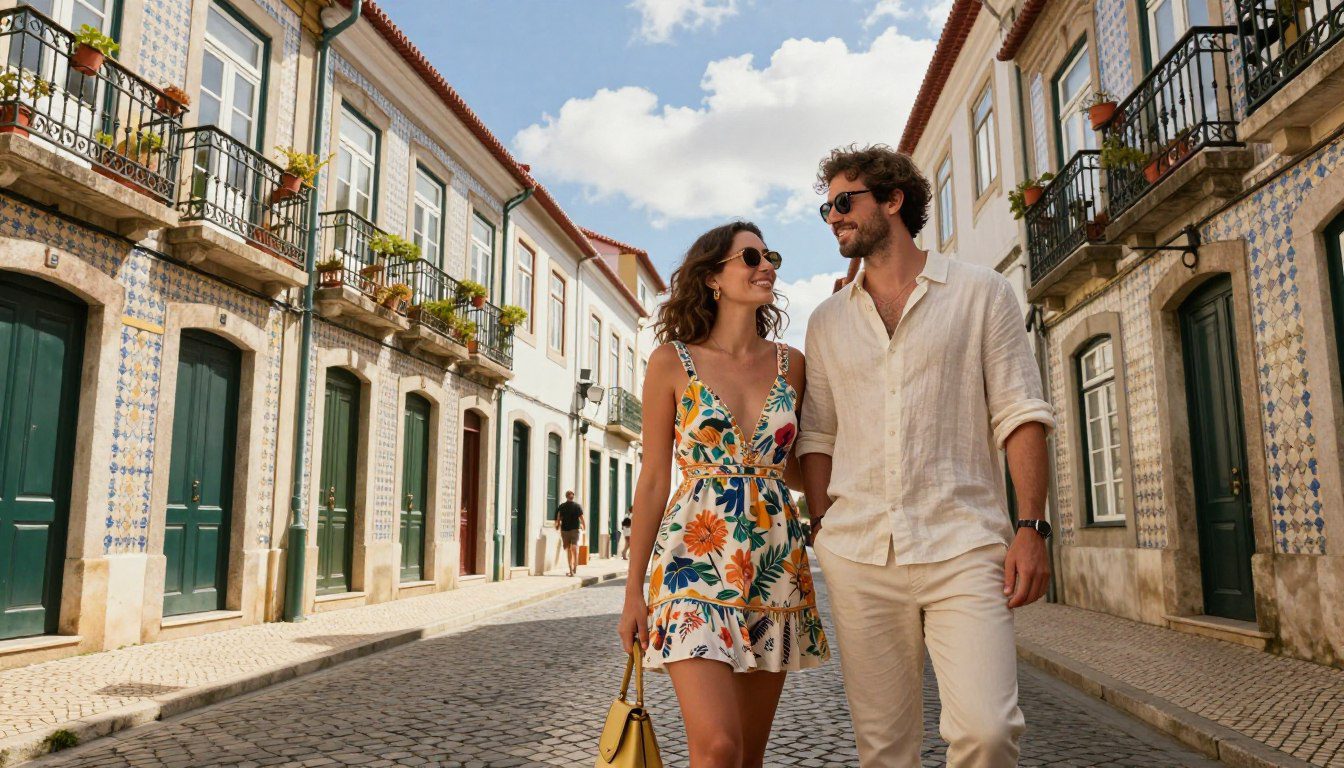
Lisbon, the capital city, is known for its trendy and urban fashion sense. Locals and visitors alike embrace the latest fashion trends, often mixing high-end designer pieces with more affordable, trendy items. To fit in, consider packing clothing that is both stylish and comfortable, as Lisbon is a city best explored on foot.
Key pieces for Lisbon: Statement jackets, fashionable sneakers, and chic dresses.
Porto’s Classic Elegance
Porto, on the other hand, exudes a classic elegance that is hard to miss. The city’s fashion is characterized by timeless, sophisticated pieces that reflect its rich history and cultural heritage. When visiting Porto, opt for clothing that is elegant yet understated, suitable for the city’s more traditional and conservative atmosphere.
Essential items for Porto: Tailored trousers, quality knitwear, and leather accessories.
Algarve’s Beach-Ready Fashion
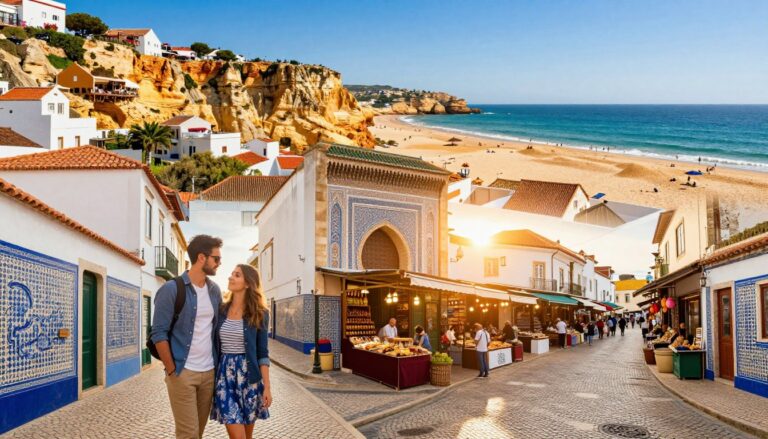
The Algarve region is all about beach-ready fashion, focusing on comfort and practicality for a relaxed, seaside lifestyle. Visitors can expect to see a lot of swimwear, casual beach cover-ups, and comfortable sandals. When packing for Algarve, prioritize items that are suitable for beach activities and outdoor explorations.
| City | Fashion Style | Key Pieces |
|---|---|---|
| Lisbon | Trendy Urban | Statement jackets, fashionable sneakers |
| Porto | Classic Elegance | Tailored trousers, quality knitwear |
| Algarve | Beach-Ready | Swimwear, casual beach cover-ups |
Essential Items for Your Portugal Packing List
Packing for Portugal requires a thoughtful approach to ensure you’re prepared for the country’s diverse climate and cultural experiences. A well-curated packing list can make a significant difference in your travel experience.
Versatile Basics That Work Everywhere
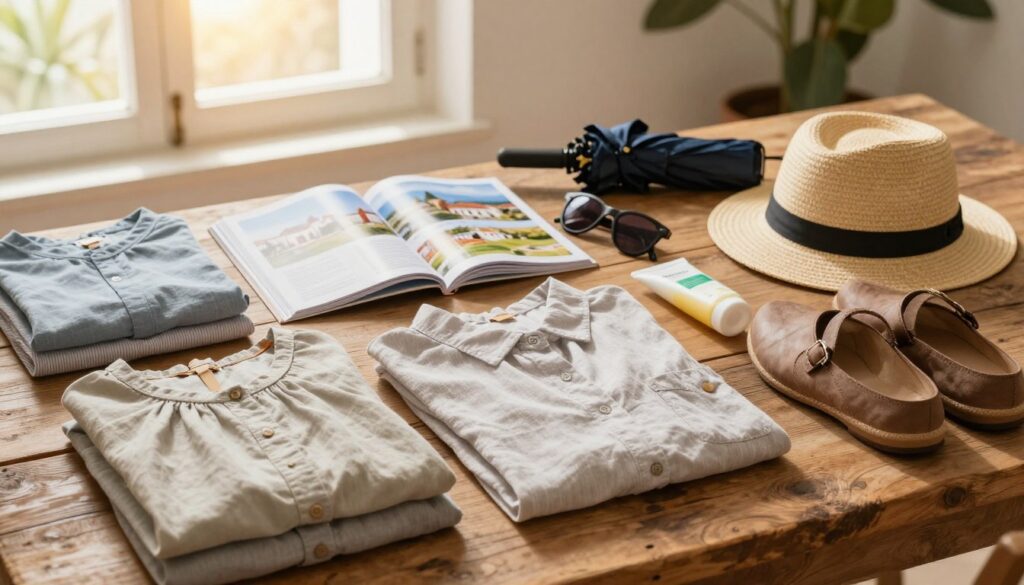
When it comes to packing for Portugal, versatile basics are key. These are items that can be mixed and matched to create a variety of outfits suitable for different occasions. Consider packing lightweight clothing that can be layered for varying weather conditions.
For women, a few essential tops, a couple of pairs of pants or skirts, and a lightweight dress can form the foundation of your wardrobe. For men, packing a few versatile shirts, a pair of jeans, and some lightweight trousers can be very useful.
Accessories That Elevate Your Look
Accessories can significantly elevate your outfits, adding a touch of personality and style. Scarves, hats, and jewelry are great ways to accessorize. For Portugal, consider bringing a sun hat and sunglasses for sun protection, as well as a light scarf for cooler evenings.
Comfortable Yet Stylish Footwear Options
Portugal is known for its beautiful landscapes and historic sites, many of which require walking. Therefore, comfortable footwear is a must. Look for stylish options that are also comfortable for walking, such as loafers or sneakers.
Bags and Accessories for Day-to-Night Transitions
Having the right bags and accessories can make transitioning from day to night outfits easier. A versatile bag that can be dressed up or down is essential, as are simple accessories like a watch or a simple necklace.
Dressing Appropriately for Cultural Sites
Understanding the dress code for cultural sites in Portugal can enhance your travel experience. When visiting historical sites, churches, and museums, it’s essential to dress respectfully to show appreciation for the local culture.
Church and Museum Dress Codes
When visiting churches and cathedrals, dress modestly by covering your shoulders and knees. Avoid revealing clothing like shorts, tank tops, or flip-flops. Museums generally have a more relaxed dress code, but it’s still a good idea to dress neatly. Consider packing versatile clothing that can be easily mixed and matched for different occasions.
Evening Attire for Fado Shows and Fine Dining
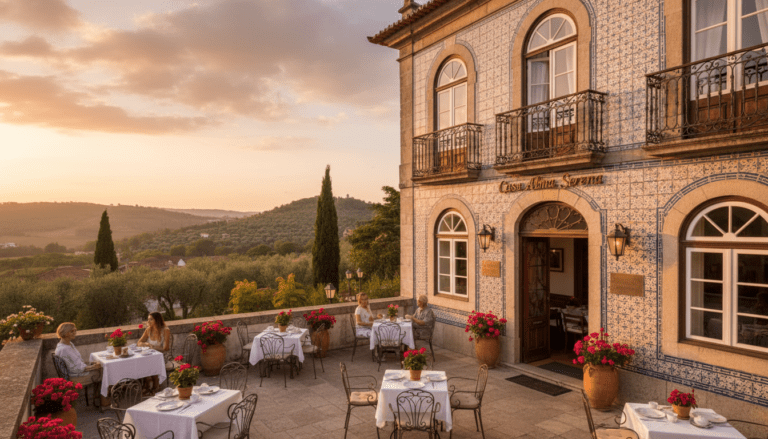
For Fado shows and fine dining experiences, smart casual attire is usually appropriate. Men can wear dress pants and a button-down shirt, while women can opt for a dress or a nice blouse with trousers. Avoid overly casual clothing like jeans or sneakers for these events. Instead, elevate your look with accessories like jewelry or a quality watch.
By dressing appropriately for cultural sites and evening events, you’ll not only show respect for the local culture but also enhance your overall experience in Portugal.
Activity-Based Outfit Ideas
From wine tasting to coastal explorations, Portugal’s diverse landscapes demand versatile outfits. Whether you’re touring the historic sites, relaxing on the beach, or sampling the country’s renowned wines, dressing appropriately can enhance your experience.
Wine Tasting in Douro Valley
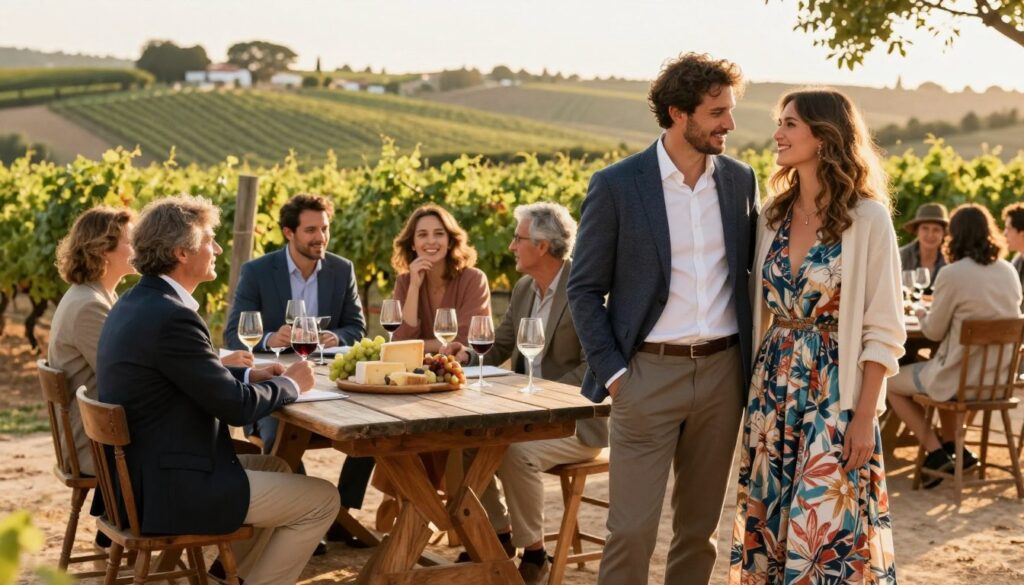
For a wine tasting tour in Douro Valley, consider dressing in layers. A lightweight, breathable shirt paired with comfortable trousers is ideal. Adding a blazer or a stylish cardigan can elevate your look for the wine tastings. Don’t forget a pair of comfortable shoes for walking through the vineyards.
Coastal Explorations and Beach Days
Portugal’s coastline offers a variety of beaches and coastal paths perfect for exploration. For beach days, pack lightweight, quick-drying clothing like sundresses, shorts, and tank tops. A wide-brimmed hat and sunglasses will protect you from the sun, while a light cover-up can add a stylish touch.
City Walking Tours and Sightseeing
When exploring Portugal’s cities, such as Lisbon and Porto, comfortable walking shoes are a must. Pair these with versatile, breathable clothing like t-shirts and leggings or lightweight pants. Adding a stylish scarf or hat can add a pop of color to your outfit while keeping you comfortable during your city adventures.
Shopping for Fashion in Portugal
Portugal’s fashion scene is a treasure trove of local brands, unique souvenirs, and stylish products that reflect its cultural heritage. Whether you’re looking to update your wardrobe or bring home a piece of Portugal, the country’s shopping experiences offer something for everyone.
From traditional clothing to modern accessories, Portugal’s fashion is a blend of the old and the new. You can find everything from intricately designed azulejo-inspired jewelry to contemporary clothing lines that embody the Portuguese spirit.
Local Brands Worth Discovering
Portugal is home to several local brands that are worth discovering. Brands like Salsa and Zara‘s lesser-known sibling, Massimo Dutti, offer high-quality, stylish clothing. Additionally, local designers are making a mark with their unique, culturally inspired designs.
Souvenirs with Style: What to Bring Home
When it comes to souvenirs, Portugal offers a range of stylish options. You can consider bringing home traditional items like filigrana jewelry, handmade pottery, or even a beautifully crafted cobbler’s product. These souvenirs not only reflect Portugal’s rich cultural heritage but also make for thoughtful gifts.
Conclusion
As you prepare for your trip to Portugal, understanding the local fashion culture can greatly enhance your travel experience. By incorporating the fashion tips for your Portugal trip, you’ll be well-equipped to navigate the country’s diverse fashion landscape with confidence and style.
Portuguese fashion culture is characterized by a Mediterranean influence, and being mindful of the season is crucial. Whether you’re exploring Lisbon’s trendy urban style, Porto’s classic elegance, or Algarve’s beach-ready fashion, dressing appropriately for different activities and cultural sites will make your trip more enjoyable.
With these travel style advice and guidelines, you’ll be able to pack the right clothing for your trip and make the most of your time in Portugal. So, get ready to immerse yourself in the unique charm of Portuguese fashion and make unforgettable memories.