Silves Castle: Uncover the History and Beauty of Portugal
Planning a journey to southern Portugal’s sun-drenched Algarve region? You’re in for a treat. This area is home to one of the country’s most remarkable historic landmarks.
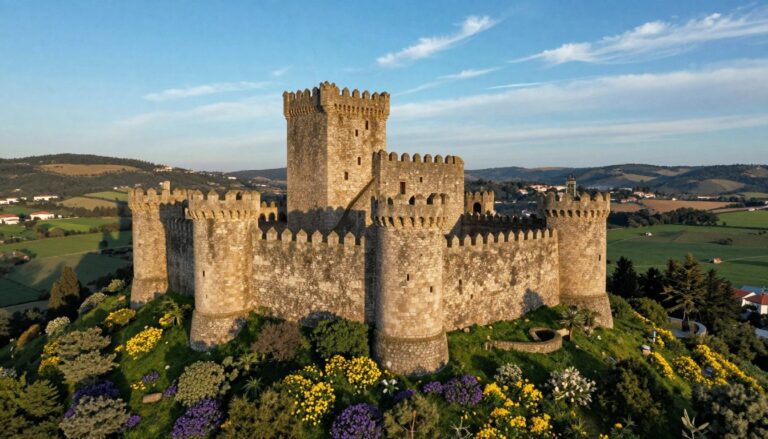
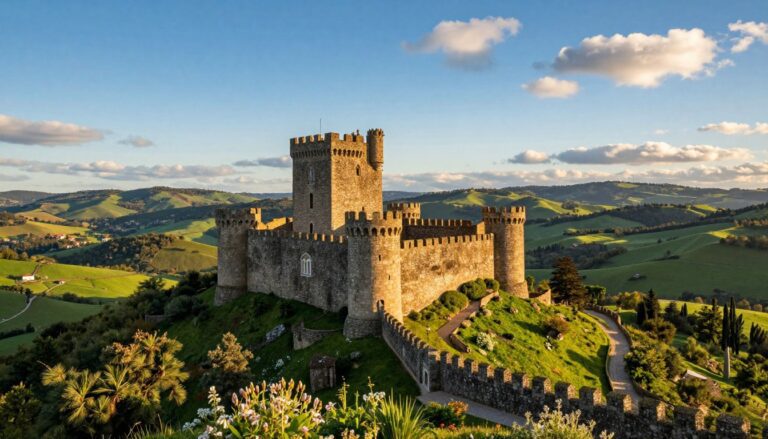
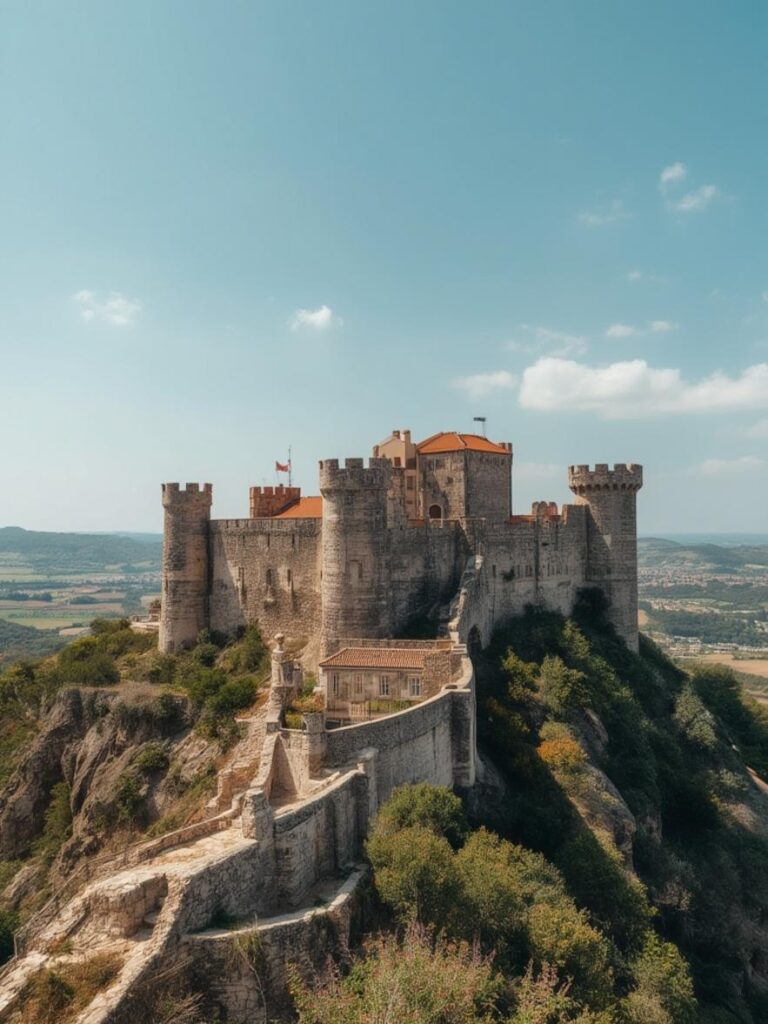
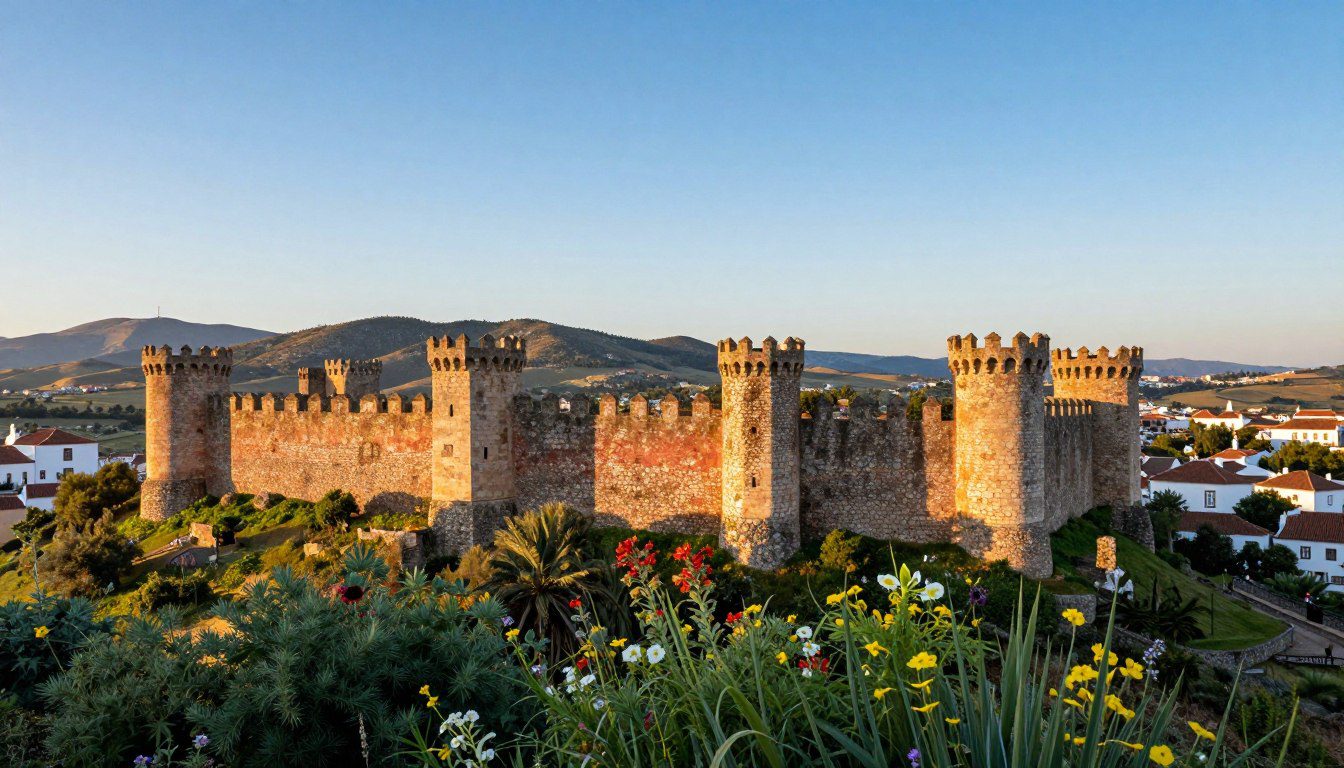
This iconic fortress stands as a powerful testament to the many civilizations that have shaped this landscape through the ages. From Moorish rulers to Christian kings, each left a unique mark on its sturdy red sandstone walls.
A visit here offers more than just stunning panoramic views. It provides a tangible connection to a rich medieval past. You can walk the same paths ancient soldiers once patrolled.
Exploring this site gives you a deeper understanding of the Iberian Peninsula’s architectural evolution. You’ll appreciate the strategic importance this location held for centuries. It’s a perfect way to spend your time, blending education with awe-inspiring scenery.
Every traveler finds something special here. Whether you’re a history buff or simply seeking beauty, this destination delivers an unforgettable experience.
Historical Evolution of Silves Castle
The story of this iconic landmark is a layered tale, beginning long before its famous red walls rose. Its strategic importance made it a prize fought over for centuries.
Each era left its distinct mark on the site’s development. Understanding these phases enriches any visit to this remarkable location.
Early Origins and Roman Influence
Roman legions first secured this hilltop around 201 BC. They established a trading post and military outpost here.
The Romans recognized the spot’s defensive advantages. Their early fortifications formed the foundation for all future developments at this location.
Arab Occupation and Medieval Battles
From the 8th through 13th centuries, Arab rulers transformed the town. They expanded it into a major cultural and administrative city.
The defensive structures were massively reinforced during this time. In 1189, King Sancho I captured the citadel after a hard siege.
Final Christian control came in the 13th century under Afonso III. This ended centuries of conflict over the vital fortress.
| Period | Dominant Power | Key Development | Lasting Impact |
|---|---|---|---|
| c. 201 BC | Roman Empire | Establishment of fortified commercial center | Laid the physical and strategic foundation |
| 8th-13th Century | Arab Caliphates | Major expansion of walls and urban infrastructure | Created the iconic red sandstone fortifications |
| 1189 & 13th Century | Portuguese Kingdom | Christian conquests by Sancho I and Afonso III | Secured the site for Portugal, shaping regional history |
Architectural Marvels and Structural Details
Beyond its historical narrative, the site stands as a masterpiece of medieval military architecture. Its design blends formidable defense with ingenious resource management.
Every corner reveals the clever thinking of its ancient builders. The materials and layout tell a story of survival and adaptation.
Red Sandstone Walls and Defensive Battlements
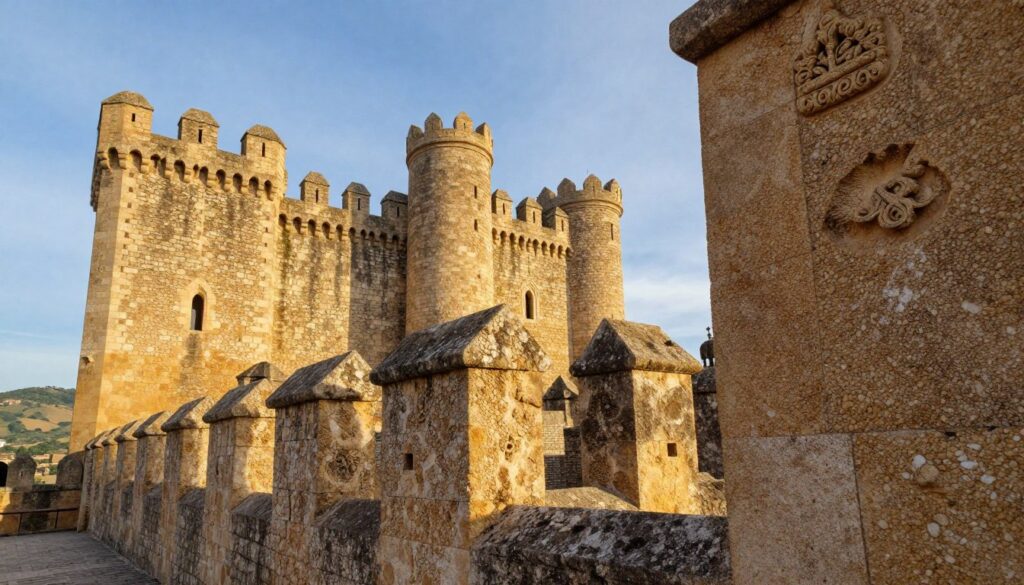
The fortress is famous for its red sandstone walls. This local stone gives the entire structure a warm, distinctive glow, especially at sunset.
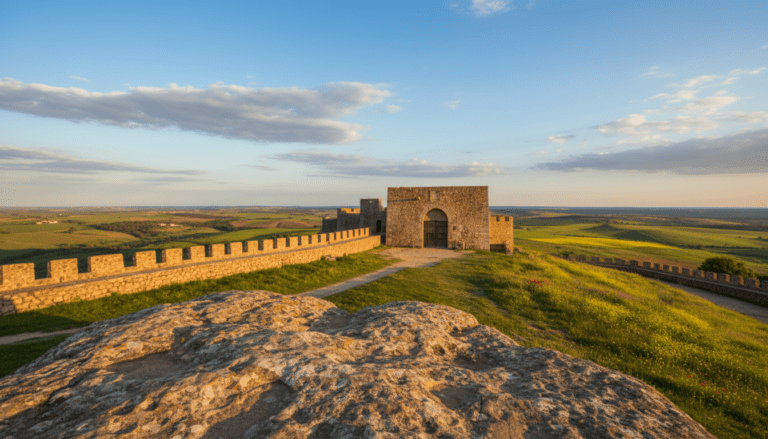
These high walls were built for maximum protection. Soldiers once patrolled the wide defensive battlements along the top.
From this elevated walkway, they had a commanding view of the entire surrounding area. This was a key strategic advantage for spotting approaching forces.
Subterranean Cisterns and Unique Architectural Features
Below the central courtyard lies an engineering wonder: the Cistern of Moura. This massive underground reservoir was vital for storing water during sieges.
The cistern covers a superficial area of 820 square meters. It soars to an impressive height of 10 meters.
Its roof is held up by four orders of columns forming semi-circular arches. A unique wall walk allows you to circle the entire perimeter, offering different perspectives on the sandstone masonry.
| Architectural Feature | Primary Material / Function | Notable Detail |
|---|---|---|
| Perimeter Walls | Red Sandstone / Defense | Provide the structure’s iconic color and formidable barrier. |
| Defensive Battlements | Stone / Soldier Patrol | High walkways designed for surveillance and protection. |
| Cistern of Moura | Stone & Mortar / Water Storage | 820 m² area, 10m height, with column-supported arches. |
| Wall Walk | Integrated Masonry / Visitor Access | Allows a full circuit around the fortress top. |
Cultural and Historical Significance
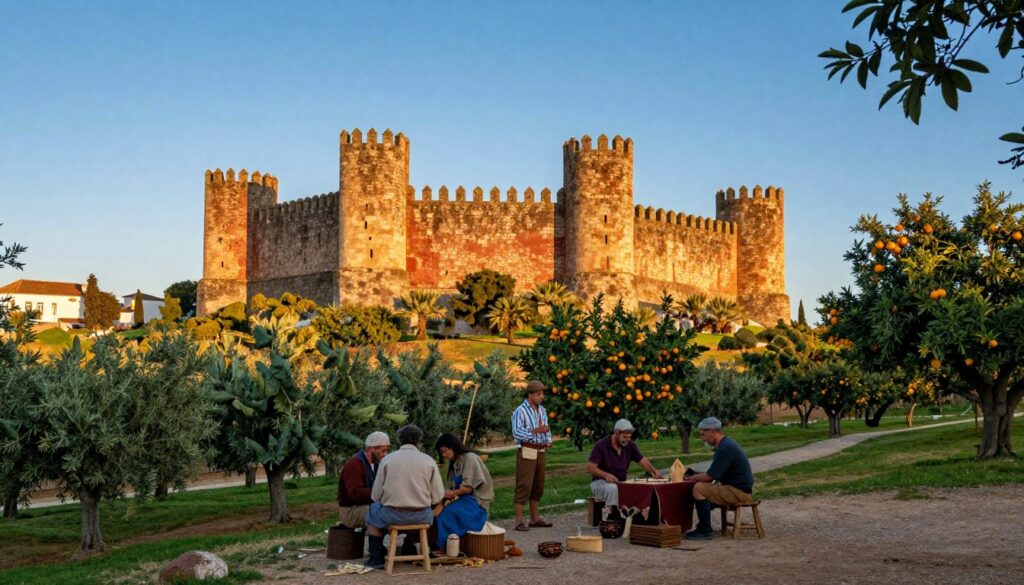
More than a military stronghold, this landmark became a symbol of cultural exchange and conflict. Its story is woven into the very fabric of the Algarve’s identity.
Impact on the Reconquista and Local Heritage
The city was a primary target during the long Christian reconquest. A pivotal moment came in 1191. A large army under Amir al-Mu’minin retook it after a fierce siege.
This event at castle silves led to significant changes. Its reconstruction influenced local heritage for the next century. Control of this site meant control of the region.
The strategic walls were key to defense. They allowed defenders to hold out during a turbulent time. This struggle shaped the area’s political and cultural landscape.
Today, historians study how these shifts affected regional development. The legacy is a central part of local identity. It reflects the diverse influences that define the area.
Visiting Silves Castle: Tips and Insights
A day spent at this historic stronghold is unforgettable, especially when you follow these practical insights. The location offers a rich journey through time.
Exploring the Castle Walls and Courtyard
Walking along the high battlements provides a stunning view of the surrounding area. This landscape has been cultivated for many years.
Explore the central courtyard to find remnants of ancient water systems. These are among the most interesting things to see.
The 1755 Lisbon earthquake damaged many buildings and walls. Yet, the site remains a popular place for visitors today.
Travel Tips and What to Expect During Your Visit
Bring a detailed map. The castle silves is one of the largest castles in the region.
The best way to experience it is to walk the entire wall perimeter. This helps you appreciate the fortress’s true scale.
This location is highly recommended for history lovers. You can learn about ongoing restoration efforts in the area.
| Tip Category | Recommendation | Why It’s Useful |
|---|---|---|
| Navigation | Use a detailed site map | Helps you navigate the extensive grounds efficiently. |
| Views | Walk the full battlements | Offers panoramic vistas of the historic landscape. |
| History | Explore the courtyard water systems | Reveals ingenious ancient engineering and survival tactics. |
silves castle portugal: Restoration, Archaeological Finds, and Preservation
Designation as a National Monument in 1910 marked a turning point for the site’s long-term protection. This status ensures the historic walls and structures are maintained for future generations.
Ongoing Excavations and Preservation Efforts
Major digs started in 2005, led by archaeologists Rosa and Mário Varela Gomes. They uncovered an 11th-century governor’s palace within castle silves. This find gives a clear view into how the city functioned during centuries of Moorish rule.
Current work focuses on the iconic sandstone structures and the massive water reservoir. This cistern dates back to the 12th or 13th centuries. Stabilizing buildings damaged in the 1755 earthquake is a top place for conservation today.
You can see these efforts firsthand. The municipal museum in town displays artifacts, a great way to spend a day. Planning a trip to see this location is one of the best things to do when exploring Algarve castles. Every map highlights the site, reflecting years of dedicated care over a long time.
| Era / Initiative | Key Action | Impact for Visitors |
|---|---|---|
| 1910 | Classified as a National Monument | Guaranteed long-term preservation of the entire historic site. |
| 2005 Excavations | Uncovered the 11th-century governor’s palace | Provides a tangible connection to the site’s medieval administrative life. |
| Ongoing Work | Stabilizing sandstone & the ancient water cistern | Ensures structural safety and reveals ingenious ancient engineering. |
| Modern Curation | Artifacts displayed in the local museum | Offers a deeper, contextual understanding of finds from the area. |
Conclusion
Standing atop the ancient ramparts, you feel the weight of centuries in the sun-warmed stone. This historic site offers a unique window into the diverse cultural evolution of the town surrounding it.
Whether planning a short trip or a full day of discovery, your visit promises an unforgettable experience. A good map is invaluable for navigating the expansive grounds of this castle and uncovering its many secrets.
We hope this guide helps make your time here truly memorable. The enduring beauty and historical significance of this landmark ensure it will inspire visitors for another century to come.