Explore Stunning Moorish Castles on Your Portugal Trip
Did you know that nearly 80% of Sintra’s visitors head straight to the colorful Pena Palace, often missing the ancient fortress right next door? This hidden gem offers a completely different adventure, one steeped in deep history and breathtaking scenery.
Welcome to your guide to discovering these magnificent historic sites. While the famous palace grabs attention, the older moorish castle provides a quieter, more spread-out experience. It focuses on outdoor exploration along ancient stone walls.
This guide will show you why adding these fortifications to your travel plans is essential. You will learn about medieval history, stunning views, and authentic architecture. We draw from real visitor experiences to give you practical insights.
Many travelers are surprised by these spots and wish they had planned more time. Our friendly advice covers everything from history to logistics. Get ready to capture amazing photos and find peaceful corners away from the crowds on your next trip.
Discover Portugal’s Moorish Heritage
The story of Portugal’s architectural heritage begins with the Moors, whose influence shaped the very foundations of the country’s most historic sites. Their centuries-long presence left a remarkable legacy that travelers can explore today.
Introducing Portugal’s Fascinating Past
When the Moors occupied the Iberian Peninsula, they constructed strategic fortifications across the landscape. These structures served as military strongholds and cultural centers.
The Castelo dos Mouros represents one of the finest examples from this era. This ancient fortress changed hands multiple times throughout history. It housed different communities before eventually falling into disuse.
King Ferdinand II recognized the historical value of these ruins in the 1800s. His restoration efforts preserved the site for future generations. Today, visitors can appreciate the layered history embedded in every stone.
Overview of Iconic Castles and Historical Landmarks
Portugal offers numerous Moorish sites worth exploring during your travel adventures. The Sintra area contains some of the most prominent examples. These locations provide authentic historical immersion beyond typical tourist attractions.
Understanding this background enriches the visiting experience tremendously. It transforms a simple sightseeing trip into a journey through time. Planning several days allows for proper exploration of these significant landmarks.
This information helps travelers appreciate not just the physical structures but the centuries of stories they contain. Each site offers unique insights into Portugal’s multicultural past.
The Rich History and Legacy of Moorish Castles
Constructed during the early medieval period, this strategic stronghold served as a crucial defensive position overlooking vital trade routes. Its story reveals how military needs shaped architectural choices in ways that still impress visitors today.
A Brief History from the 8th & 9th Centuries
The origins of this remarkable fortress date to the 8th and 9th centuries. Muslim forces built it as a military installation to protect their territories. The location high in the serra sintra provided natural advantages for defense.
Unlike later decorative palaces, this moorish castle prioritized function over beauty. Its rugged design reflects purely strategic thinking. Guards could monitor approaching threats from miles away.
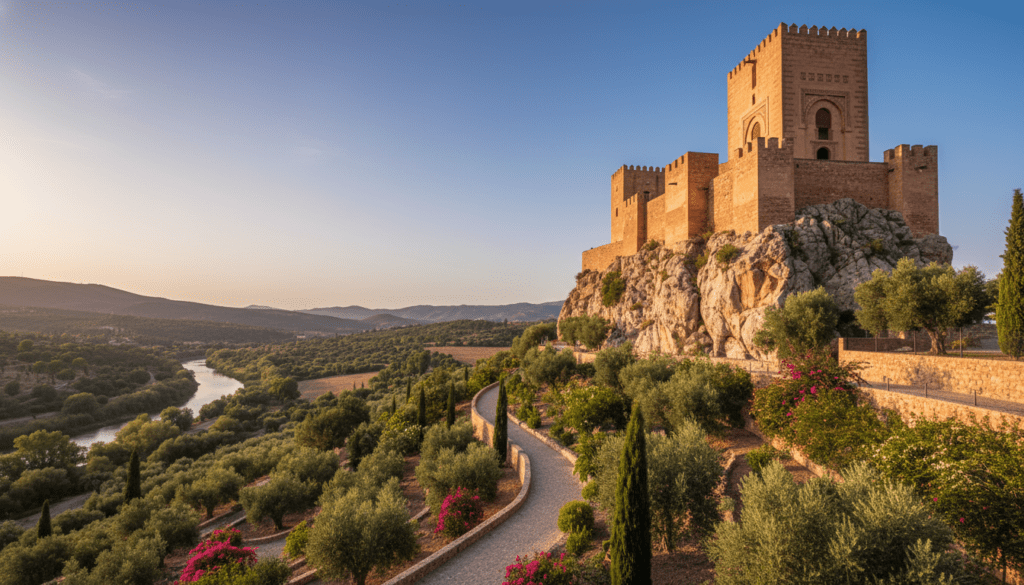
Over many centuries, the fortress changed hands multiple times. Different rulers controlled it throughout various periods. Eventually, it was abandoned and fell into ruin before restoration.
How Moorish Defenses Shaped the Region
The strategic placement of these fortifications influenced regional development significantly. Controlling high ground meant controlling access to surrounding areas. This defensive approach defined settlement patterns for generations.
Walking along the ancient stone walls today offers a tangible connection to this history. Visitors experience how communities protected themselves in that time. The preserved pathways show the strategic thinking behind every design choice.
| Feature | Strategic Fortress | Decorative Palace | Primary Purpose |
|---|---|---|---|
| Location | High hilltops for defense | Accessible valleys | Military vs residential |
| Construction | Rugged stone walls | Ornate decorations | Durability vs beauty |
| Layout | Defensive positioning | Aesthetic arrangement | Security vs comfort |
| Access Points | Limited, controlled entries | Multiple grand entrances | Protection vs welcome |
The restoration work in the 19th century preserved these authentic features. Today’s visitors can appreciate the original strategic design. This castle represents a fascinating chapter in regional history.
Moorish Castles You Can Visit in Portugal
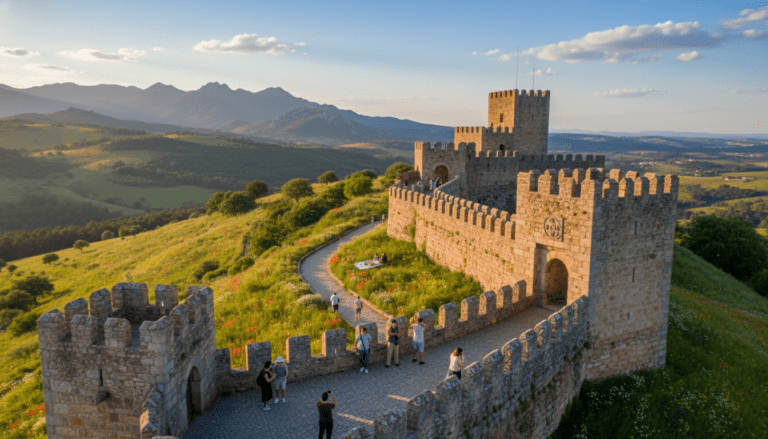
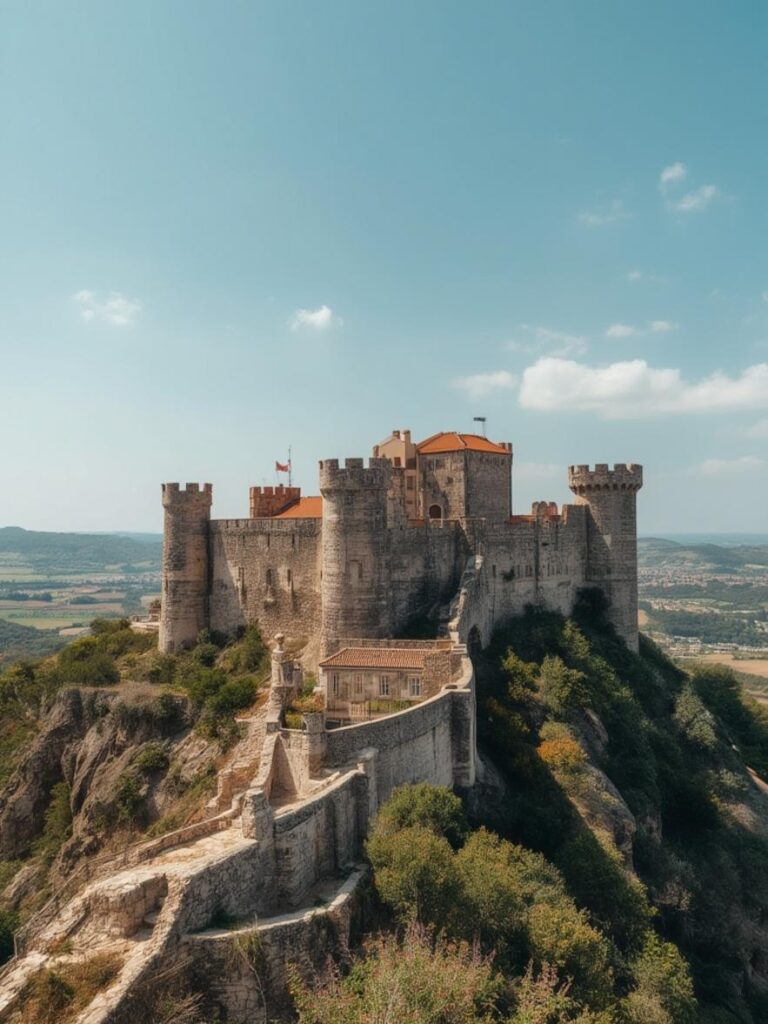
Perched dramatically on the ridge above the town, the Moorish Castle silhouette is one of the region’s most iconic and photographed sights. This historic site provides a completely different adventure from its famous neighbor.
Noteworthy Castles in Sintra and Beyond
The castle Sintra is a premier example of medieval fortifications. Its impressive 10th-century stone structure snakes along the hillside. Visitors walk along ancient paths and towering walls for an authentic experience.
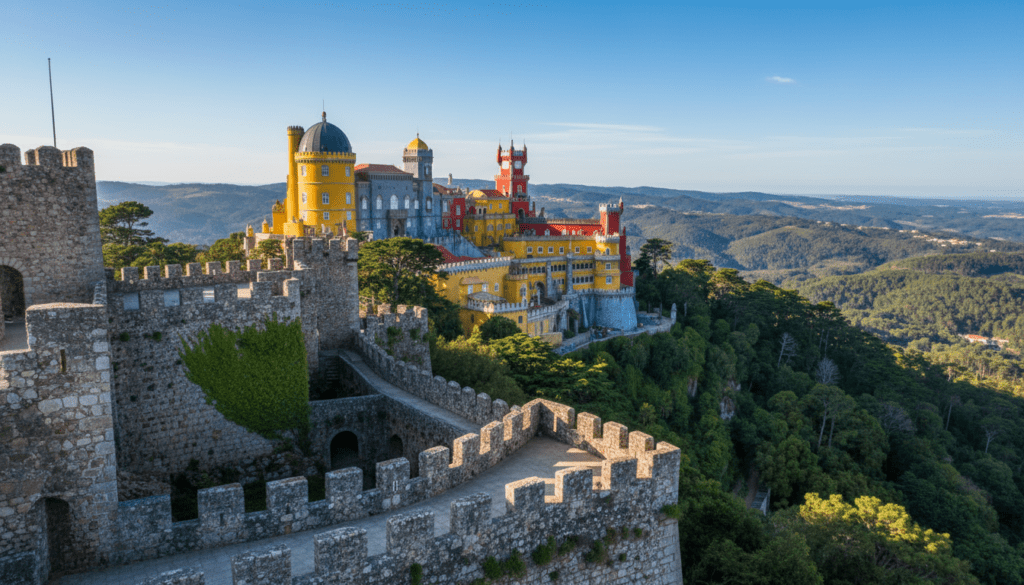
While this location is a highlight, other notable sites exist across the country. Exploring them offers a broader understanding of the architectural heritage.
Contrasts with Pena Palace and Other Landmarks
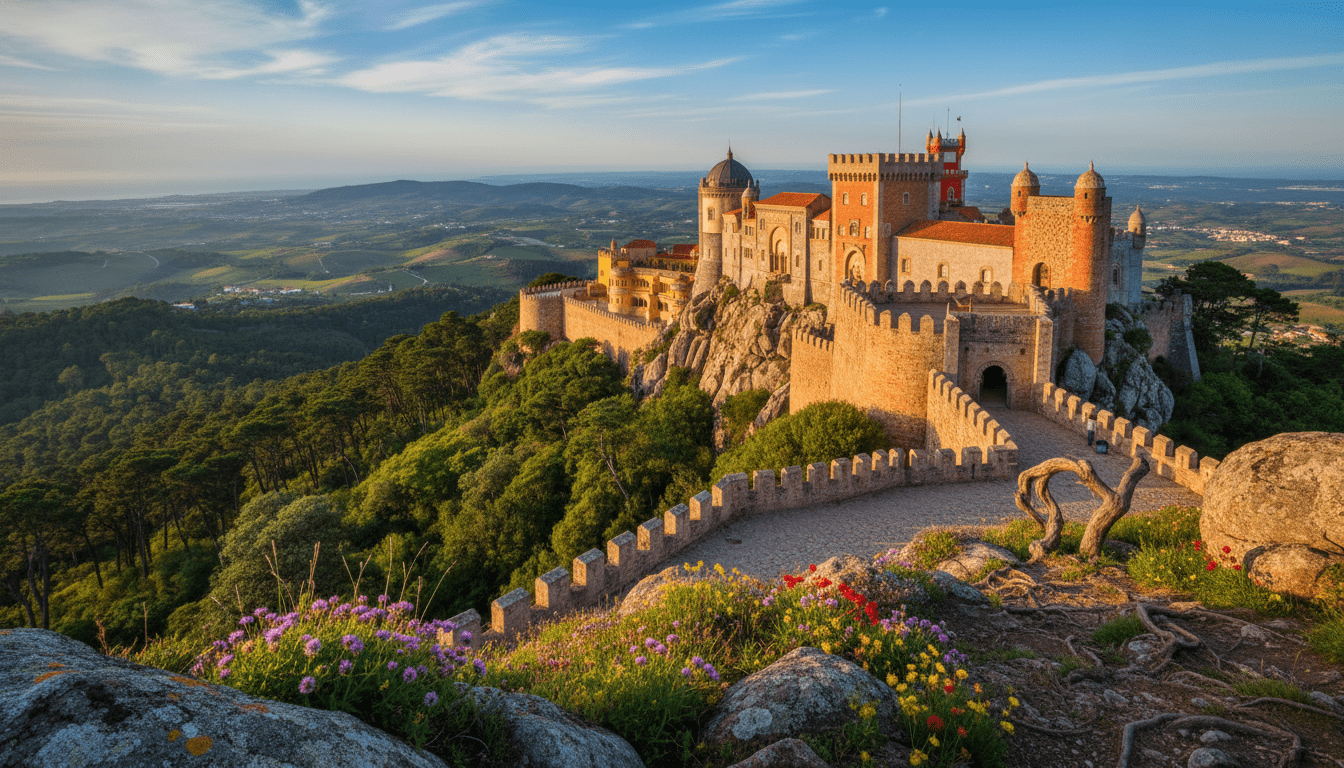
The Pena Palace sits just a short distance away. Despite their proximity, the two landmarks feel worlds apart. One focuses on military history and rugged exploration.
The other celebrates royal luxury and ornate interiors. This contrast makes visiting both essential for a complete Sintra experience.
| Feature | Moorish Castle | Pena Palace |
|---|---|---|
| Primary Focus | Military Defense & History | Royal Residence & Romance |
| Architectural Style | Rugged, Medieval Fortress | Colorful, Romanticist |
| Visitor Experience | Outdoor Exploration & Views | Interior Opulence & Detail |
| Overall Atmosphere | Ancient & Strategic | Whimsical & Ornate |
Many travelers efficiently combine both sites in one day. This strategy maximizes time while offering two distinct perspectives. The castle provides a unique, panoramic view from the top of the ridge.
It stands as a testament to a different era compared to the more famous palace. This makes a visit here particularly rewarding for history enthusiasts.
Planning Your Visit: Tickets, Routes, and Timing
Unlike many popular attractions, visiting this landmark doesn’t require strict scheduling. This makes it a stress-free addition to any Sintra day trip. A little planning ensures you maximize your time exploring the ancient walls.
Understanding your transport choices and ticket options is the first step. This guide covers everything from the train station to the entrance castle.
How to Secure Your Entry Tickets and Best Times to Visit
Purchasing your tickets is simple. Adult admission costs 7.6€. Youth and senior tickets are 6.5€, and children under six enter free.
You can buy them online or at the kiosk right at the entrance. There are no timed entry windows. This offers great flexibility for your day.
For the best experience, aim for an early morning or late afternoon time. These periods often have smaller crowds and beautiful light for photos. Plan for at least 45 minutes to explore, though many visitors stay up to two hours.
Transportation Tips: Shuttle, Train, Walking & Taxi Options
Reaching the site is easy. From Lisbon, the train ride to Sintra takes about one hour. From the train station, you have several choices to get up the hill.
The most popular option is the 434 bus. It costs 7.6€ for a round trip and stops at the main attractions.
- Bus: The convenient and economical choice.
- Taxi or Rideshare: Offers a direct and faster ride.
- Walking: A scenic but steep 15-minute uphill path from the entrance kiosk.
If you drive, note that parking is very limited. There are only a few small lots on the one-way road. Public transport or a taxi is often more practical.
Total travel time from Lisbon to the castle entrance is roughly 90 minutes using public transport. This helps you plan your day effectively.
Family-Friendly Itinerary and Activities in Sintra
Exploring historic sites with young children requires special planning to ensure everyone has a great time. Families with kids as young as two can absolutely enjoy this adventure, but smart preparation makes all the difference.
Kid-Approved Walking Paths and Safety Tips
The stone path from the entrance to the castle gate is bumpy and uphill. This fifteen-minute walking section makes strollers impractical. A baby carrier works much better for toddlers.
Once inside, castle walls present important safety considerations. One side has protective barriers while the other has open drops. Parents must hold children’s hands constantly during exploration.
The Torre Real tower climb involves 500 steps. Young kids often tire partway up. Be prepared to carry exhausted children or split your group.
Feral cats roam the grounds. While spotting them is fun, teach kids to look without touching. These animals can bite unexpectedly.
Must-Have Essentials for a Family Outing
Packing the right items transforms your day. Comfortable shoes are essential for everyone given the lot walking involved. Bring plenty of snacks and water to maintain energy levels.
Arms Square offers perfect break space. This open area lets kids run freely while adults relax. It’s ideal for lunch or snack breaks away from crowded areas.
Consider spreading your visit across multiple days. Trying to see both castles in one day can overwhelm little ones. A fresh morning start works best for the historic fortress.
With proper planning, your family can create wonderful memories exploring this remarkable site together.
Insider Recommendations: Scenic Views and Hidden Gems
For photography enthusiasts and peace-seekers alike, this location provides unparalleled opportunities away from the main crowds. The experience here revolves around discovering perfect vantage points and quiet corners that most people overlook.
Top Viewpoints and Quiet Corners Along the Castle Walls
The views are unquestionably the highlight of exploring this historic site. From the elevated walls, you can see all the way to the Atlantic Ocean on clear days. The extensive stone pathways allow visitors to spread out naturally.
Torre Real tower offers the absolute top viewpoint with 360-degree panoramas. Be prepared for the 500-step climb to reach this spectacular spot. The Cistern near the café serves as a hidden gem that provides cool relief from the sun.
Unlike the crowded Pena Palace, this fortress encourages a slower pace. You can linger at various viewpoints without feeling rushed. Many people miss this castle entirely, making it feel more intimate.
Local Tips for Capturing Spectacular Photos
Early morning light creates soft tones perfect for landscape shots. Late afternoon produces dramatic shadows across the ancient stone walls. These times offer the best photographic conditions.
For unique perspectives, shoot from the Pena Palace grounds toward the fortress. The snaking silhouette against the sky makes for dramatic images. Strategic tips include focusing on both wide landscapes and architectural details.
Visiting after the Pena Palace allows for comparison shots when light is optimal. This visit provides a calmer experience perfect for thoughtful photography. The layout naturally guides you to the best views.
This information helps photographers make the most of their time. The peaceful atmosphere lets you capture images without crowds blocking your shots. These tips ensure you leave with memorable photographs.
Conclusion
Making time for the historic fortress overlooking Sintra consistently proves to be one of the most rewarding decisions travelers make. This ancient site offers a quieter, more authentic experience compared to the bustling Pena Palace. Most visitors spend about 45 minutes to an hour exploring, making it a manageable addition to any day trip.
The castle Sintra sits high on a hill above the town, easily reached by bus, taxi, or walking. Tickets are reasonably priced and available at the entrance without timed entry restrictions. The fifteen-minute uphill path requires comfortable shoes.
While ambitious travelers can combine multiple sites in one day, spreading visits across two days works better, especially with kids. Walking down the hill to Sintra town is highly recommended for beautiful views.
Those who explore this remarkable fortress find it becomes a highlight of their Portugal travel experience. Use this information to plan your perfect visit to these stunning historic sites.