Castles with Towers You Can Climb in Portugal
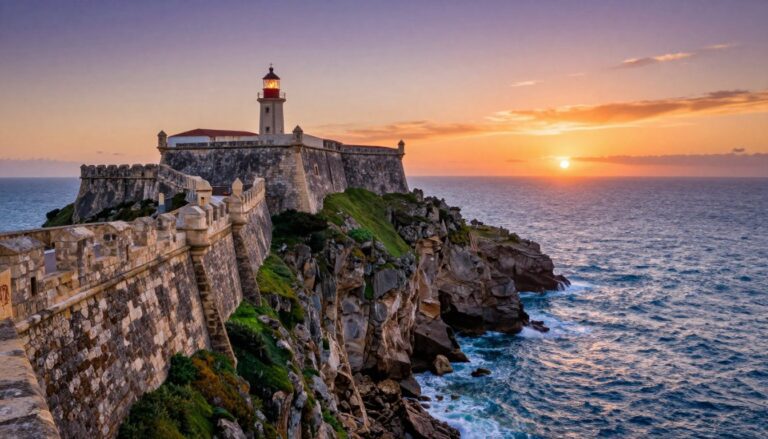
Welcome to a journey where medieval history becomes an adventure. This guide unlocks magnificent fortresses where you can ascend ancient stone structures for breathtaking panoramic vistas.
This nation is dotted with over 200 historic strongholds. Each one tells a unique story of conquest, defense, and royal heritage.
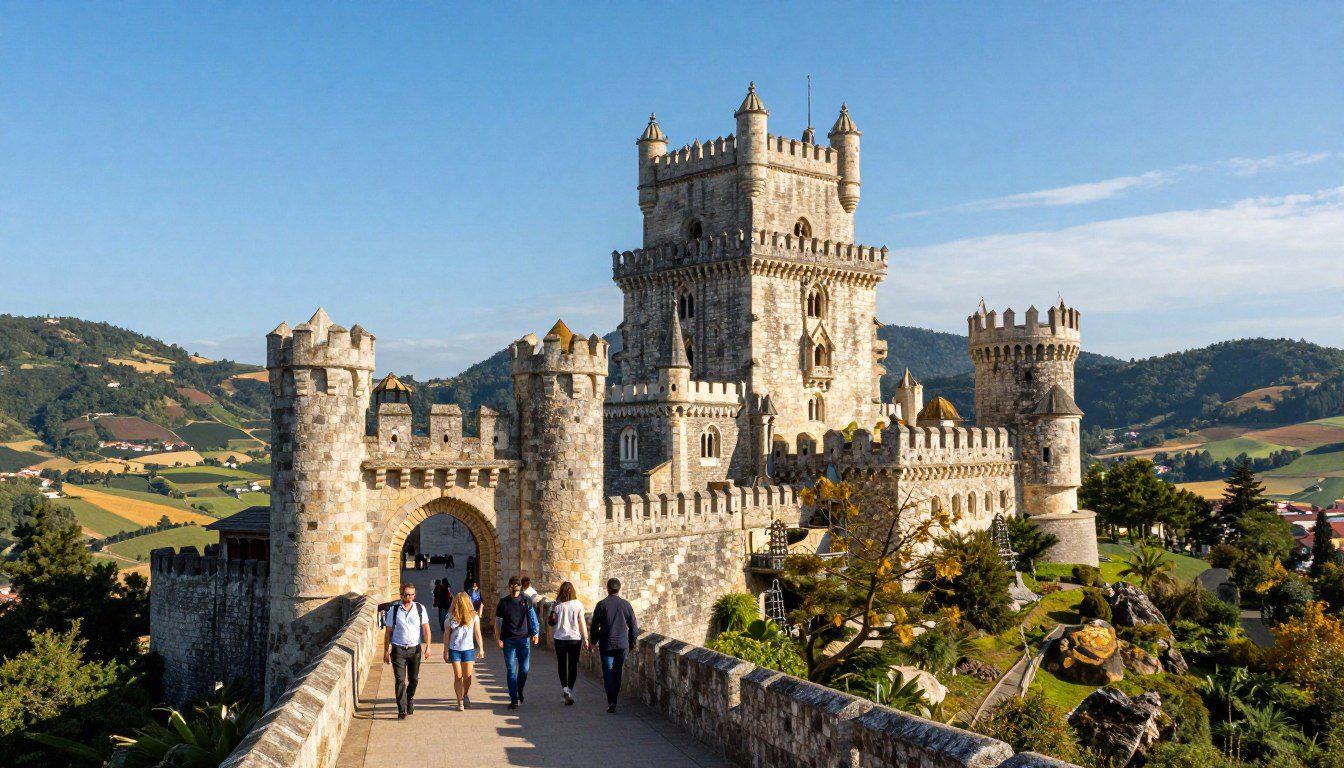
These impressive fortifications offer a rare chance. You can physically climb their towers and walk along historic ramparts. This creates an immersive experience far beyond a typical museum visit.
From bustling cities to remote hilltops, these accessible sites let you literally step into the footsteps of knights and royalty. Our comprehensive guide highlights the most rewarding locations.
Every selected site promises architectural significance and stunning views. This adventure is perfect for history fans, photographers, and explorers alike.
Overview of Portugal’s Historic Castles
To understand Portugal’s soul, one must look to its castles, silent sentinels of history. Over 200 stone fortresses are scattered across the country. They are enduring monuments to a dramatic past.
A Glimpse into Medieval Heritage
These strongholds were built over hundreds of years, primarily from the 8th to 14th century. Their design evolved with the times. You can see Moorish, Gothic, and later Manueline influences in their walls.
This varied architecture tells a story of cultural change. Each region’s character is captured in the local castle’s stonework. They are a physical record of occupation, conquest, and development.
The Role of Castles in Shaping Portuguese History
These citadels were vital during the Christian Reconquista. Portuguese forces reclaimed land from Moorish rule over several centuries. Castles secured borders and controlled vital trade routes.
Military orders like the Knights Templar shaped their construction. A single site often served multiple roles. It could be a military fortress, a royal home, and a symbol of noble power all at once.
Today, this precious heritage offers a tangible link to the past. Visitors from around the world come to connect with this fascinating history.
Exploring Castles With Towers You Can Climb in portugal
For a hands-on historical adventure, few sites compare to these three remarkable strongholds.
Each offers a distinct journey into the past. You can climb their ancient structures for unforgettable views.
Historic Highlights: São Jorge, Almourol, and Marvão
São Jorge Castle dominates Lisbon’s skyline. Its foundations date back to the 12th century.
Walk the impressive walls for a panorama of the city and the Tagus River.
The Castle of Almourol rises from a river island. It was built by the Knights Templar on Roman ruins.
You need a boat to reach this iconic site. Its tall keep is a powerful sight.
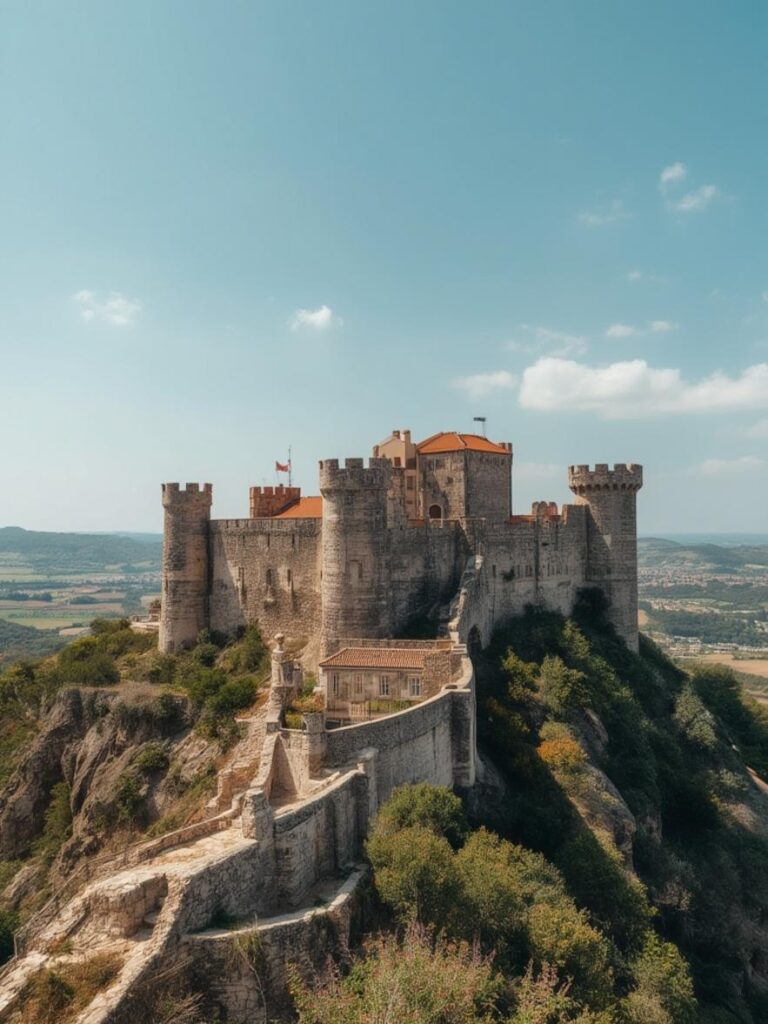
Castelo de Marvão is a large, well-preserved fortress. It dates back to the 9th century.
Unique Features and Tower Climbing Experiences
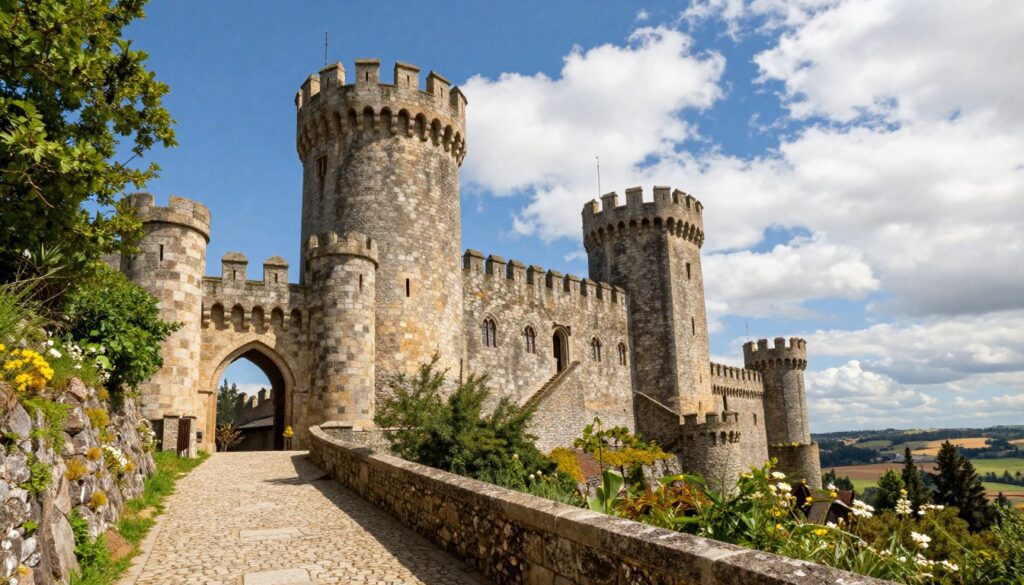
Every location provides a special climbing experience. The rewards are breathtaking views.
From urban vistas to remote landscapes, these adventures highlight medieval architecture.
| Castle | Location & Era | Tower Climbing Experience |
|---|---|---|
| São Jorge Castle | Lisbon hilltop; 12th-century foundations | Accessible ramparts lead to multiple scenic towers with city panoramas. |
| Castle of Almourol | Tagus River islet; Knights Templar stronghold | Boat access to a romantic island fortress with a narrow, tall keep to ascend. |
| Castelo de Marvão | Granite escarpment; 9th-century origins | Multiple towers and extensive walls to walk, offering views over empty plains. |
Architectural Wonders and Historical Insights
Portuguese castle architecture is a physical timeline, showcasing the convergence of Moorish ingenuity, Templar innovation, and later ornate styles. The stone walls tell a story of adaptation and artistic expression over hundreds of years.
Moorish and Manueline Influences in Castle Design
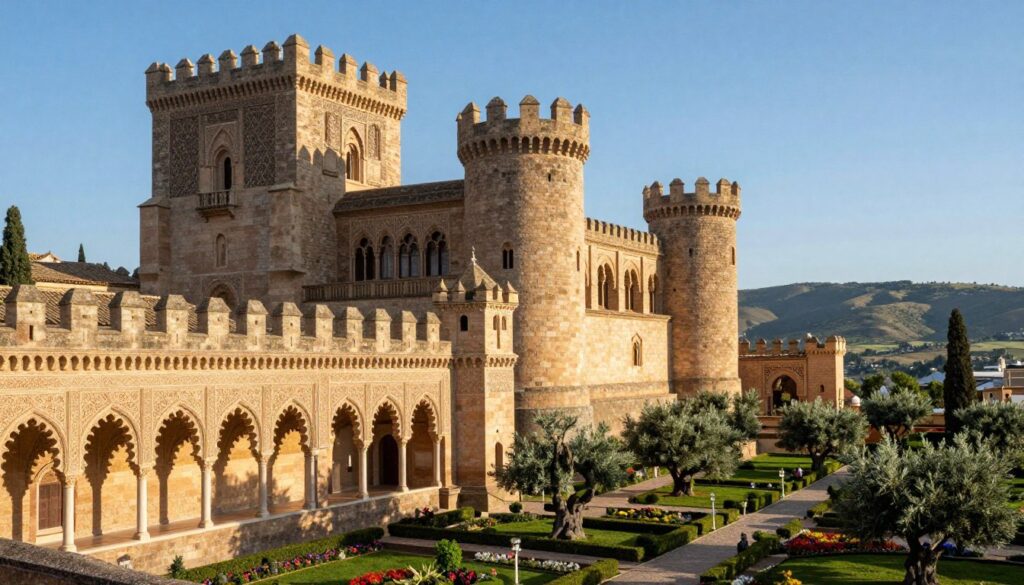
Early Moorish builders in the 8th and 9th century prioritized clever defense. They engineered sophisticated underground cisterns to store water during long sieges.
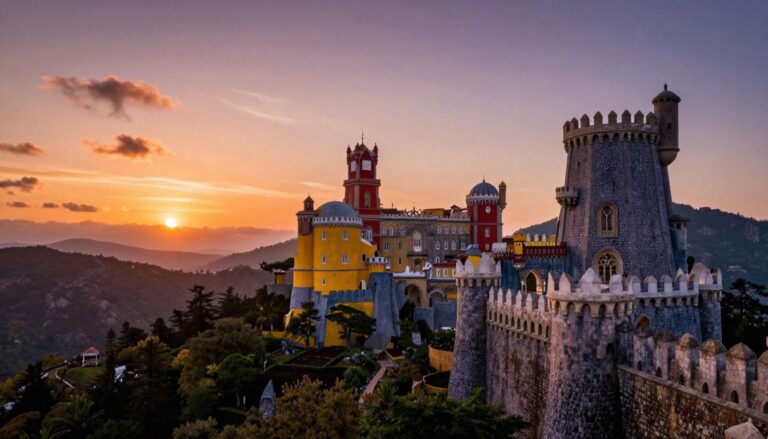
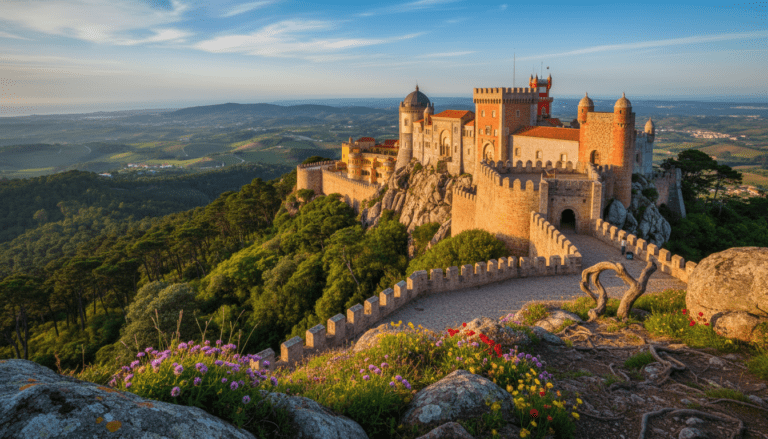
Centuries later, the unique Manueline style emerged. It added elaborate decorative elements and maritime motifs to existing fortress structures, as seen at the National Palace of Pena.
The Legacy of Knights Templar and Medieval Fortresses
The Knights Templar left a bold mark in the 12th century. At Tomar, they broke tradition with rounded towers and built a unique monastery-fortress complex.
Its centerpiece, the Charola, is a remarkable circular church. Medieval design focused on defense, featuring thick stone walls, battlements, and strategic high ground.
| Architectural Style | Key Features | Representative Site | Defensive Innovation |
|---|---|---|---|
| Moorish | Geometric patterns, robust gates, water cisterns | Castle of the Moors | Underground water storage systems |
| Knights Templar (Medieval) | Rounded towers, complex layouts, religious integration | Castle of Tomar | Concentric defense & the fortified Charola church |
| Manueline | Ornate stonework, maritime ropes & windows, vivid colors | National Palace of Pena | Decorative battlements transforming military aesthetics |
Recognizing these styles enriches a visit. You can identify different eras while exploring the ancient walls and towers.
Scenic Views and Climbing Adventures
The ultimate reward for navigating ancient staircases is a panoramic spectacle that medieval sentries guarded fiercely.
This experience connects you directly to the past while showcasing stunning landscapes.
Breathtaking Panoramic Vistas from Tower Tops
Each fortress offers a unique visual feast. The Castle of the Moors provides a stunning view of Sintra, Pena Palace, and the distant Atlantic.
From its winding walls, the perspective constantly shifts. Castelo de Marvão sits on a dramatic hill.
Its towers reveal endless Alentejo plains. Walking the ramparts at Óbidos gives a charming town view.
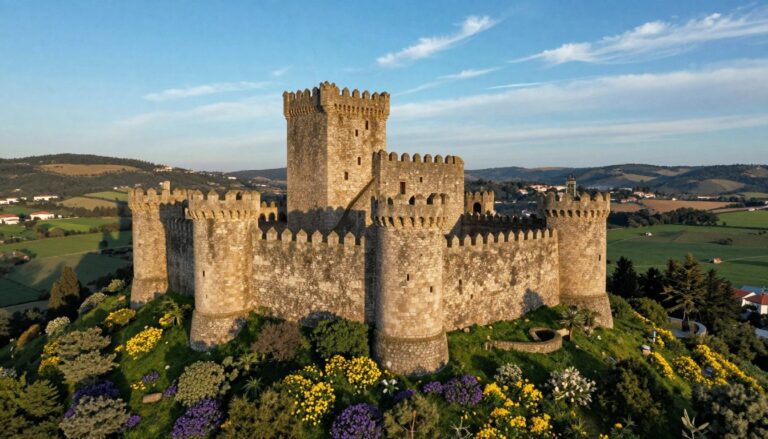
At Guimarães, climbing to the top of its crenelated towers is essential. The effort is rewarded with spectacular views.
Tips for Capturing the Perfect Climbing Moment
Lighting is key for great photos. Visit during early morning or late afternoon for golden hour.
This creates beautiful contrast on ancient stone walls. Bring a wide-angle lens for expansive views from the top.
A telephoto lens helps capture distant details. Always exercise caution on hill-top locations.
Many historic castle ramparts lack modern rails. Plan to spend time at each lookout point to fully absorb the scene.
| Castle/Location | Key Panorama | Best Time of Day |
|---|---|---|
| Castle of the Moors (Sintra) | Views of Pena Palace, town, & Atlantic coast | Late afternoon for warm light |
| Castelo de Marvão (Alentejo) | 360-degree vistas over empty plains | Early morning for clear visibility |
| Guimarães Castle (North) | Panoramic town and valley views from the keep | Mid-day for full sun on the landscape |
Local Culture and Visitor Experiences
Exploring a castle is only half the story. The other half is discovered wandering through the adjacent village, where past and present seamlessly blend.
This cultural immersion is an essential part of your journey. The historic towns provide context and vibrant life around the ancient stones.
Exploring Medieval Towns and Traditional Streets
Places like Óbidos offer a perfect example. Its castle walls encircle a beautifully preserved village.
You will find narrow, cobblestone streets lined with whitewashed houses. Colorful flowers adorn windows and hidden alleyways.
This area is filled with artisan shops and cozy cafes. In Monsaraz, local workshops continue centuries-old crafts like pottery.
Taking time to explore these streets is rewarding. You will discover quiet plazas and historic churches that feel untouched by time.
Festivals, Local Cuisine, and Welcoming Communities
Annual medieval festivals make these towns truly come alive. The city of Santa Maria da Feira is famous for its event.
Streets transform with knights, musicians, and bustling market stalls. It is a living history experience for several days.
Local cuisine is another highlight. In Silves, you can enjoy regional dishes at great spots like Parsley & Thyme.
The welcoming communities take great pride in their heritage. They are often eager to share stories with visitors.
Seasonal festivals and weekly markets are a regular part of life here. They showcase local products and make any visit special.
Planning Your Adventure Through Portugal’s Castles
To maximize your adventure, consider grouping these ancient sites by geographic region for efficient travel. This approach lets you explore clusters of history without excessive backtracking.
Ideal Itineraries for Historic Castle Tours
Logical routes connect monumental fortress sites. Start in the capital of Lisbon with São Jorge Castle, buying tickets online to skip lines.
A classic day trip goes to Sintra, a UNESCO World Heritage site. For a deeper dive, a northern Portugal loop is superb.
| Region/Route | Key Sites & Highlights | Ideal Duration |
|---|---|---|
| Lisbon & Sintra | São Jorge Castle (city views), Sintra’s Moorish Castle & Pena Palace | 2-3 days |
| Northern Portugal Loop | Guimarães Castle (10th century birthplace of King Afonso Henriques), Penedono, Douro Valley | 3-4 days |
| Central Templar Route | Tomar monastery-fortress, Almourol island fortress on the Tagus River | 2 days |
| Alentejo & Eastern Frontier | Remote hilltop sites like Marvão, Monsanto, and Sortelha | 2-3 days |
Practical Travel Tips and Best Times to Visit
The best time for a trip is spring or fall. Pleasant weather and smaller crowds make exploration more enjoyable.
Always wear sturdy shoes for climbing old stone walls. Renting a car is essential for reaching remote areas.
Planning is a key part of the journey. It ensures you see the best these historic castles portugal has to offer.
Conclusion
Few travel experiences blend physical activity, deep history, and stunning scenery as perfectly as exploring Portugal’s ancient castles. Ascending these historic towers offers an unparalleled way to engage with medieval heritage while soaking in panoramic views.
From bustling city centers to quiet mountain villages, each fortress provides a distinct window into the country’s past. Walking the well-preserved walls connects you directly to centuries of strategic importance.
This journey creates lasting memories, combining adventure, education, and cultural immersion. Portugal stands as an ideal destination for anyone seeking to touch history while enjoying breathtaking landscapes from legendary vantage points.