Uncover the Allure of Portugal’s Coastal Fortresses
Get ready for an exciting journey. Imagine ancient stone walls standing guard over crashing waves. These are the mighty sentinels of the shoreline, holding stories from over two thousand years.
This nation’s unique position created a rich military heritage. Its western edge faces the vast Atlantic Ocean. This exposure led to the development of impressive defense systems.
For modern explorers, this means an incredible chance to step back in time. You can enjoy breathtaking ocean views from these historic sites. It’s a travel experience unlike any other in Europe.
Our guide will take you from the green northern shores near Porto to the sunny Algarve. We’ll uncover famous landmarks and hidden ruins most tourists miss.
The mighty Atlantic shaped more than just military architecture. It influenced local culture, cuisine, and the character of seaside communities. This creates a perfect blend of historical exploration and coastal adventure.
Are you a history buff or an architecture lover? Maybe you’re a beachcomber or just seeking unique trips. These oceanfront strongholds offer something magical for everyone.
We’ll explore the evolution of these fortifications. You’ll also discover the best ways to visit them today, from walking tours to culinary stops.
Introduction to Portugal’s Coastal Fortresses
The allure lies in the perfect fusion of dramatic seascapes and deeply layered historical narratives. These sites form a unique chapter in world history.
Setting the Scene: A Unique Blend of History and Coastal Beauty
Picture whitewashed villages tumbling toward the sea. Ancient stone walls frame vistas that have changed little over time. This creates a magical, timeless atmosphere.
Local people are famously welcoming. They often share personal stories about these landmarks. Their pride in their heritage enriches every visit.
Why Portugal’s Fortresses Continue to Captivate Travelers
Walking the same ramparts as medieval soldiers is an immersive history lesson. You get panoramic ocean views alongside the past. This blend is powerfully captivating.
Many sites are easy to visit but feel authentic. They are not overly commercialized. You connect with the human spirit that built them.
The design of these structures tells a story of cultural exchange. The table below highlights key influences:
| Influence | Key Feature | Period | Legacy in Design |
|---|---|---|---|
| Roman | Robust stone engineering | 2nd C. BC – 5th C. AD | Durable foundations and walls |
| Moorish | Geometric fortifications | 8th C. – 13th C. | Innovative defensive layouts |
| Maritime Empire | Strategic coastal placement | 15th C. – 17th C. | Towers for ocean surveillance |
This unique architecture sets Portugal’s defenses apart. A visit can easily pair with beach exploration or wine tasting. The friendly people and stunning settings make it unforgettable.
The Historical Evolution of Fortifications in Portugal
Military architecture here evolved dramatically over two thousand years. Each era left its distinct mark on the landscape.
Roman Foundations and Early Defensive Strategies
Early Celtic Lusitanians built simple stone walls around their villages. The Romans later occupied the land for over 400 years.
They revolutionized local defenses with organized military outposts. High walls and strong towers were placed on strategic hilltops.
Moorish Influences and Architectural Innovations
Beginning in 711 A.D., Islamic builders introduced advanced stonework. They used the taipa technique of rammed earth.
Their legacy includes the Castle of Silves. Its original walls and square towers are beautifully preserved.
The Medieval Reconquista and Kingdom Fortresses
The Christian Reconquista saw a building boom. King Afonso Henriques granted lands to the Templar Knights.
These knights introduced the central keep to portugal castles. Almourol castle is a stunning example on a river island.
Later, King Denis rebuilt major strongholds with multiple walls. This medieval era ended when cannons changed warfare for good.
Coastal Fortresses Along Portugal’s Coast
Discovering these historic sites reveals a fascinating spectrum. You will find world-famous landmarks and quiet, forgotten ruins.
Iconic Castles and Lesser-Known Ruins
Iconic sites like Lisbon’s Castle of São Jorge offer breathtaking city views. The medieval castle town of Óbidos is another must-see wonder.
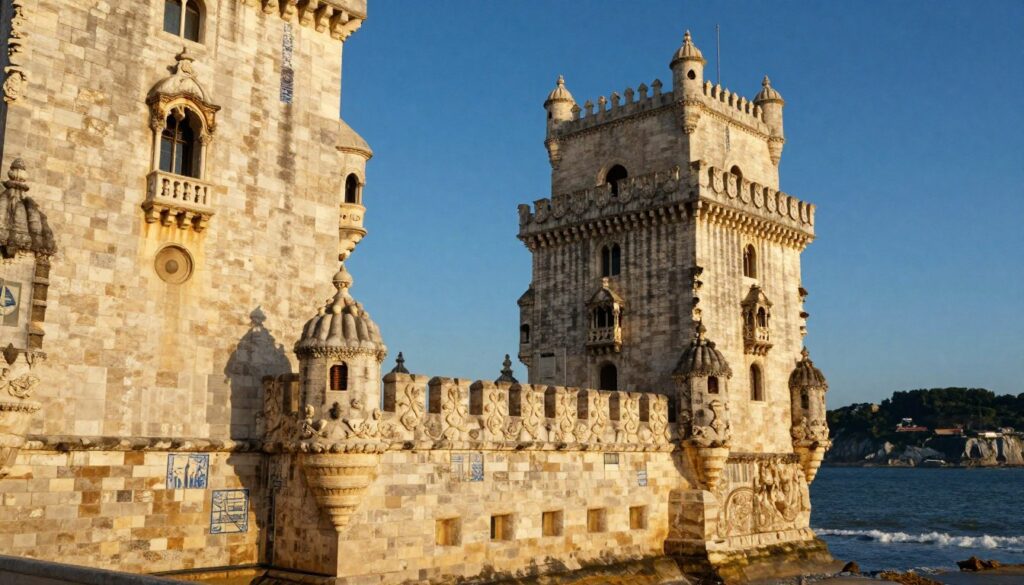
Belém Tower is a world heritage site symbolizing maritime discovery. These are the postcard-perfect destinations.
Venture further for hidden gems. The Castle of Silves in the Algarve region showcases stunning Moorish red walls.
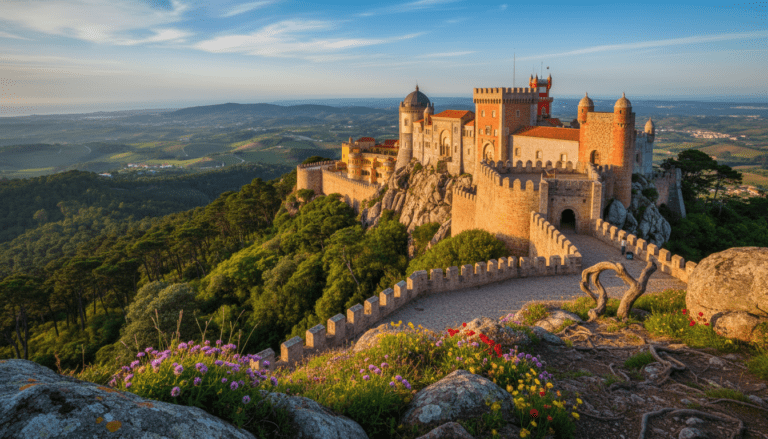
Sintra’s Castle of the Moors provides epic mountain vistas. These spots offer a more intimate historical feel.
Preservation Efforts and Cultural Significance
Many portugal castles now serve new purposes. They have become museums, cultural centers, and even unique hotels.
This adaptive reuse protects their stonework for the future. It also makes history accessible and engaging for all visitors.
These structures are powerful symbols of national identity. They tell stories of defense, exploration, and cultural exchange.
| Site Type | Notable Example | Key Feature | Visitor Experience |
|---|---|---|---|
| Iconic Landmark | Belém Tower | UNESCO World Heritage status | Photography, history of discoveries |
| Hilltop Castle | Castle of São Jorge | Panoramic urban views | Walking ramparts, visiting archaeological site |
| Moorish Fortress | Castle of Silves | Best-preserved Islamic walls in the region | Exploring cisterns, learning about Al-Garb |
Architectural Highlights and Timeless Design
From rugged granite ramparts to star-shaped bastions, the design evolution here is a testament to human adaptation. The architecture tells a story of constant innovation against new threats.
Medieval Castles, Templar Keeps, and Modern Restorations
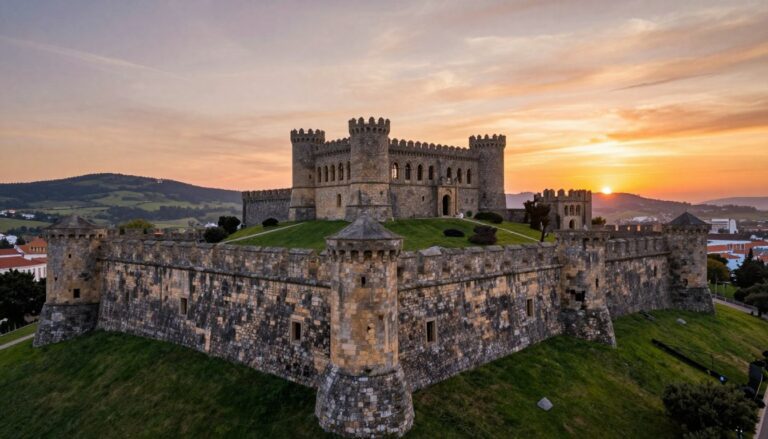
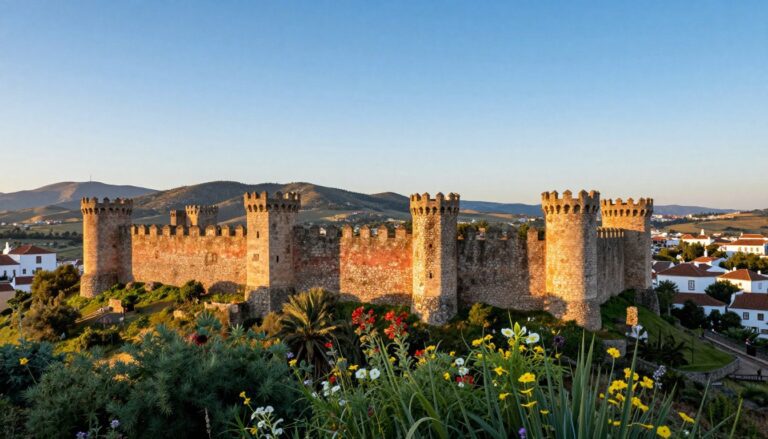
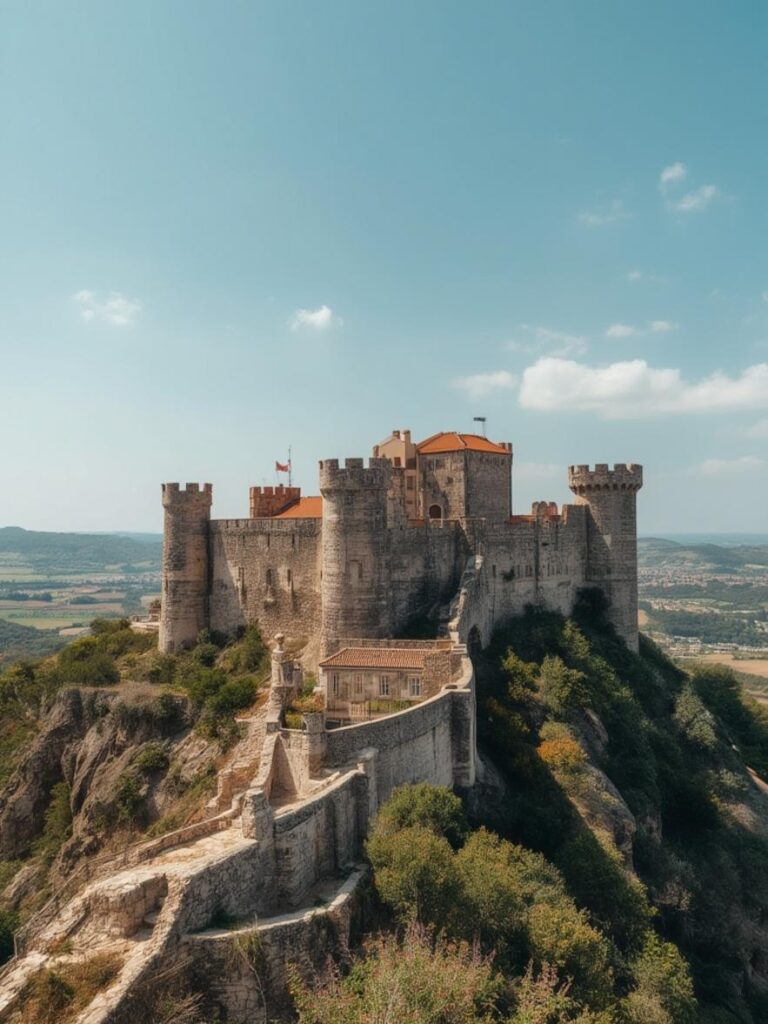
Early strongholds relied on sheer height. Their towering walls of local granite rose from the rocks below. Iconic dual-towered gatehouses made a powerful statement.
Inside, sophisticated cisterns collected rainwater. This allowed garrisons to survive long sieges. Today, careful restoration keeps these buildings safe for visitors.
Distinctive Building Techniques and Stonework
Moorish builders introduced taipa, a method using rammed earth and stone. This created incredibly durable structures. Later Gothic additions included clever defensive details.
Archers’ loops were cut into pointed castle walls. Hidden oil spouts allowed defenders to pour hot liquids on attackers. Decorative pepper pot towers added a touch of flair.
Influence of Maritime and Defensive Architecture
The age of cannons changed everything. High walls became vulnerable. Engineers designed low, star-shaped forts with angled bastions.
These geometric wonders deflected cannonballs beautifully. The finest examples are found in towns like Almeida and Elvas. Lessons from defending overseas port territories also influenced these designs.
| Architectural Era | Signature Feature | Defensive Purpose | Prime Example |
|---|---|---|---|
| Medieval | High Granite Walls | Deter climbing attacks | Templar Castles |
| Moorish & Gothic | Horseshoe Gates & Decorative Towers | Withstand sieges, show power | Castle of Silves |
| Gun Fort (16th-17th C.) | Star-shaped, Low Stone Bastions | Deflect cannon fire | Fortress of Almeida |
This blend of styles created unique buildings. Their legacy continues to inspire. Exploring a historic port reveals this amazing architectural journey.
Exploring Coastal Landscapes and Seascapes
The true magic of these historic sites is often found in the wild landscapes that surround them. The shoreline here is a masterpiece of natural drama.
Stunning Shorelines and Rugged Cliffs
From the north’s rocky, wave-battered promontories to the south’s gentle golden beaches, the scenery shifts constantly. The Algarve is famous for its glowing red cliffs and hidden sea caves.
Further north, the Atlantic Ocean puts on a show at Nazaré. Gigantic waves crash here from fall through winter. You can watch this power from clifftop views.
For a unique wildlife sight, look for storks. They build nests on rocky ocean islets. The Alentejo coast features dramatic black cliffs that change color with the light.
Hidden Beaches and the Quest for Sea Glass
Many fortresses guard secret coves. Follow a footpath to find your own private beach. These spots offer peace and amazing scenery.
Beachcombing here can be a treasure hunt. Look for frosted sea glass near old ruins. Centuries of history have left colorful fragments in the sand.
The best finds are on rocky shorelines. Search where sandy beaches meet cliffs. You might find unique blue or green glass smoothed by the waves.
| Region | Cliff & Beach Type | Key Activity | Unique Sight |
|---|---|---|---|
| Northern Shores | Rugged rocks, powerful surf | Wave watching, hiking | Historic lighthouses on promontories |
| Central Portugal | Pine-backed sandy beaches | Swimming, family outings | White limestone formations |
| The Algarve | Golden & red cliffs, sandy coves | Cave exploring, sunset views | Turquoise waters in hidden grottos |
| Alentejo Coastal Area | Dark volcanic cliffs, dunes | Photography, solitude | Stork nests on sea rocks |
Cultural and Culinary Experiences Near the Fortresses
After exploring ancient ramparts, treat your taste buds to the nation’s rich culinary heritage. The local food culture is a highlight of any visit.
Traditional Seafood and Local Pastries
Fresh seafood defines the traditional portuguese diet. Grilled octopus, shrimp, and cod are staples in small fishing communities.
Restaurants follow a farm-to-table philosophy. They use vegetables from nearby farms and fish caught that morning. Dishes are dressed with fragrant local olive oil.
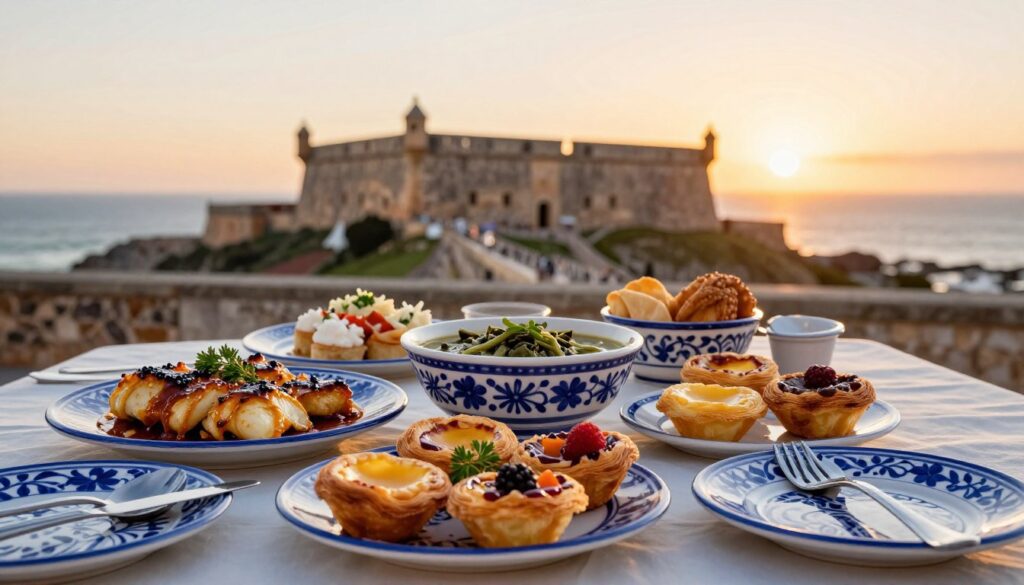
For dessert, seek out the legendary pastel de nata. The Pastéis de Belém bakery in Lisbon has used a secret recipe since 1837. Other convent sweets like creamy rice pudding are heavenly.
Vibrant Village Life and Artisanal Crafts
Whitewashed houses line narrow streets in charming fishing villages. Local life here moves at a gentle pace.
In Porto, tour riverside lodges for wine tasting of famous port. Sip Ginjinha, a cherry brandy, from chocolate cups in Óbidos.
For a unique experience, visit Morgado Do Quintão vineyard. Dine under a 2,000-year-old olive tree. The food comes from generations-old family recipes.
Artisans keep craft traditions alive. The village of São Pedro do Corval is known for its beautiful pottery workshops.
| Experience Type | Prime Example | Location | Key Highlight |
|---|---|---|---|
| Iconic Pastry | Pastéis de Belém | Lisbon | Secret monastery recipe custard tarts |
| Fortified Wine | Port Wine Lodges | Gaia, Porto | Riverside tastings with historic views |
| Rural Wine & Olive Oil | Morgado Do Quintão | Algarve | Dinner under an ancient olive tree |
| Local Spirit | Ginjinha de Óbidos | Óbidos Village | Sour cherry brandy in edible chocolate cups |
Guided Tours and Hiking Adventures Along the Coast
Walking tours offer the perfect blend of physical activity, cultural immersion, and breathtaking scenery. They let you experience historic sites and wild landscapes at your own pace.
Walking Tours Through Historic Villages and Natural Trails
An 8-day tour in the Alentejo region covers about 100 km. Each day brings new discoveries. Your luggage is transferred, and meals are included.
Walk from a farmhouse into Évora’s ancient city center via a Roman aqueduct. Enjoy a wine tasting among the vineyards. The next day, hike to the hilltop village of Monsaraz for stunning lake views.
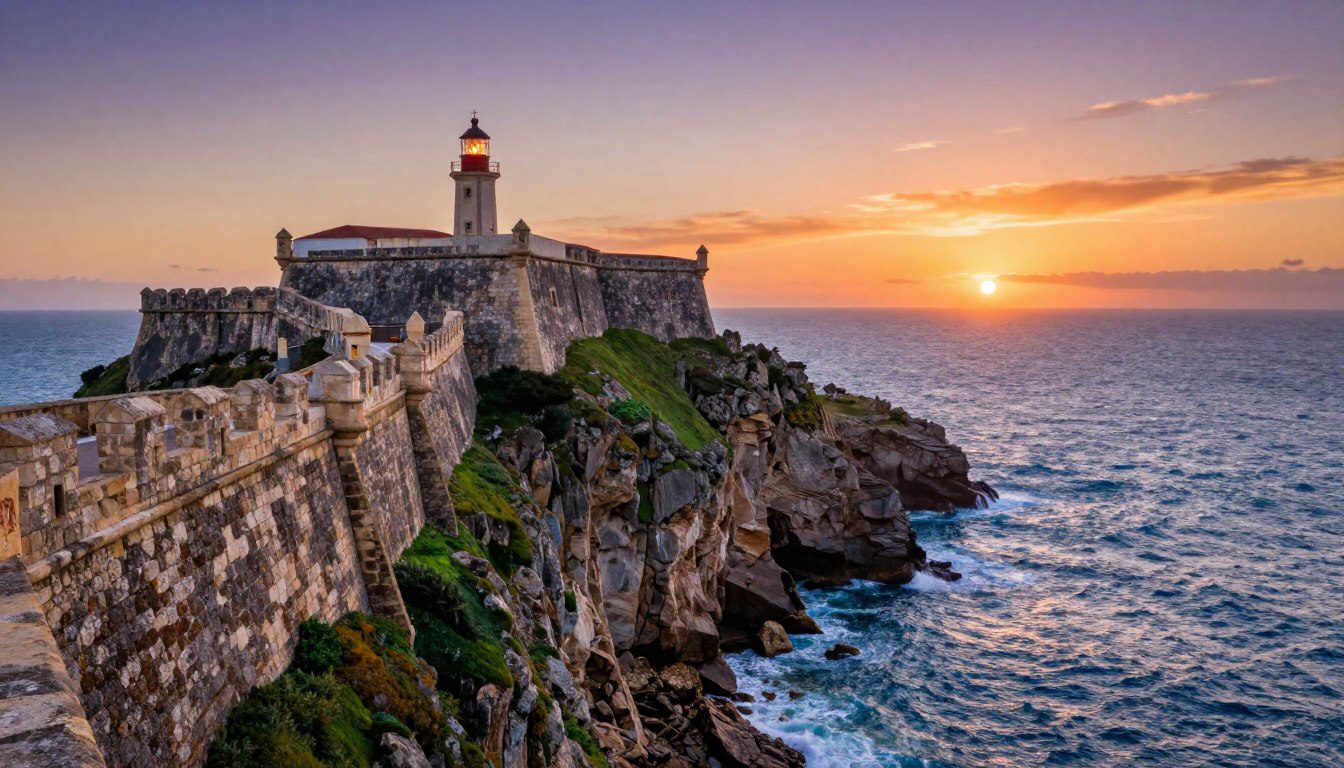
The coastal section is dramatic. Trails from Porto Covo pass towering cliffs and hidden beaches. You’ll see the Pessegueiro Island fort.
Near Almograve, walk through shifting sand dunes. Watch storks nesting on rocky ocean islets. The final day features the blackest cliffs in Portugal at Cape Sardão.
Excellent day trips are also available. Visit Sintra’s Pena Palace, a UNESCO site with incredible views. Explore Ericeira, a World Surf Reserve.
Head to Peniche to see a 16th-century fortress. Or drive to the remote rock village of Monsanto. Fishing villages along the way offer fresh seafood.
| Tour Type | Best For | Key Feature | Sample Destination |
|---|---|---|---|
| Multi-Day Walking | Immersive exploration | Luggage transfers & tastings | Alentejo 8-day tour |
| Guided Day Trip | History & sightseeing | Expert local guide | Sintra’s Pena Palace |
| Self-Guided Adventure | Independent travelers | Marked trails & flexibility | Alentejo coastal path |
| Special Experience | Unique perspectives | Kayak caves or chairlift rides | Benagil or Gaia district |
Plan your trip for April to see wildflowers. Visit from October to March for giant waves. A guided tour provides insider access to special places.
Conclusion
From local villages to global outposts, the architectural genius born on these shores left an indelible mark on world history. As Europe’s first nation to solidify its modern borders, its focus turned outward.
Defensive principles honed here were adapted for use around the world. You can find their legacy from South America to Asia.
This journey offers a unique window into the past amid spectacular scenery. Be sure to reserve time to wander these living monuments.
The warmth of the local people enriches every visit. They share stories with genuine pride.
Plan your travel adventure to touch ancient stone and walk historic ramparts. The travel memories you make, and the people you meet, will inspire you long after you return home.