Quick Way to Grow Your List of 7 UNESCO World Heritage Castles in Portugal
Discovering Portugal’s Ancient Strongholds: A Journey Through Time
Introduction
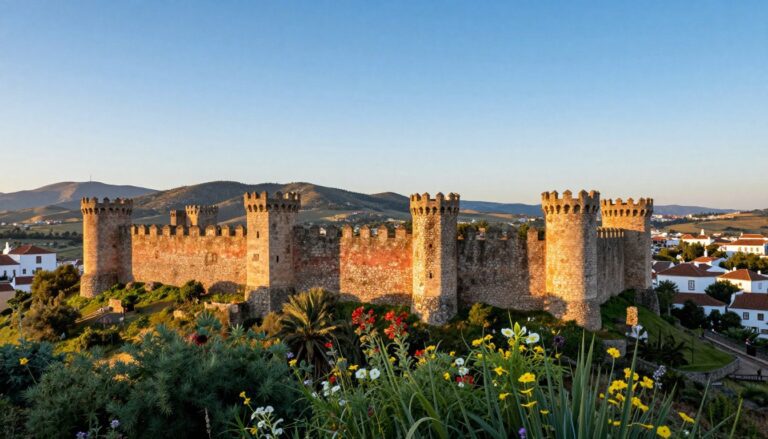
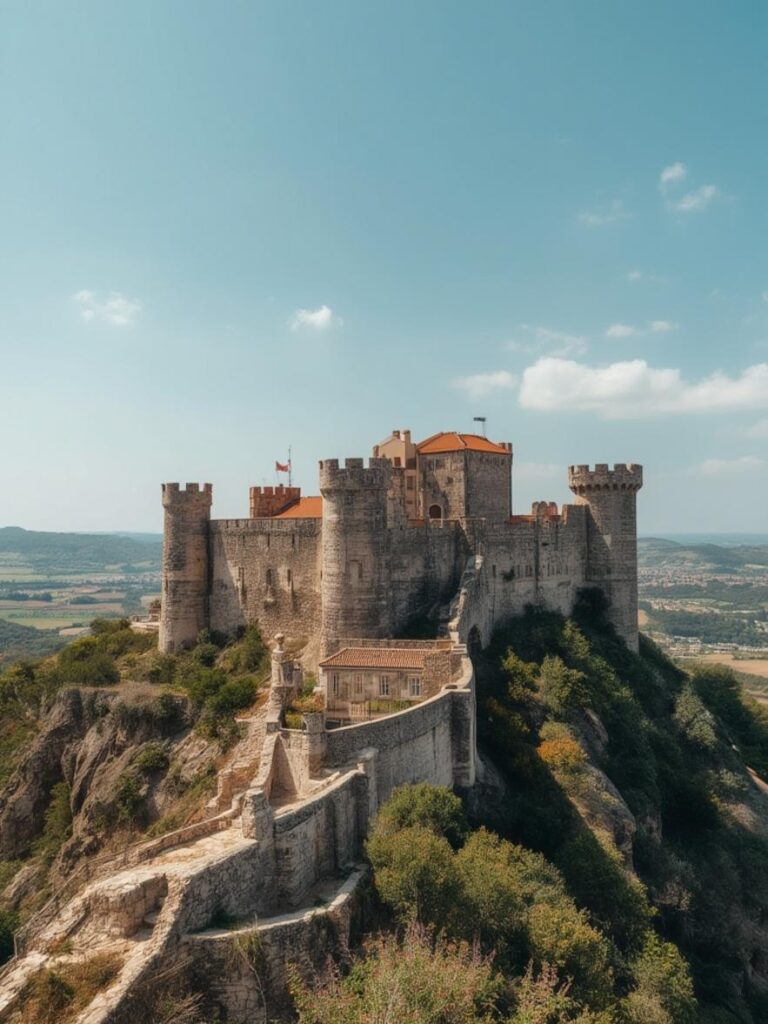
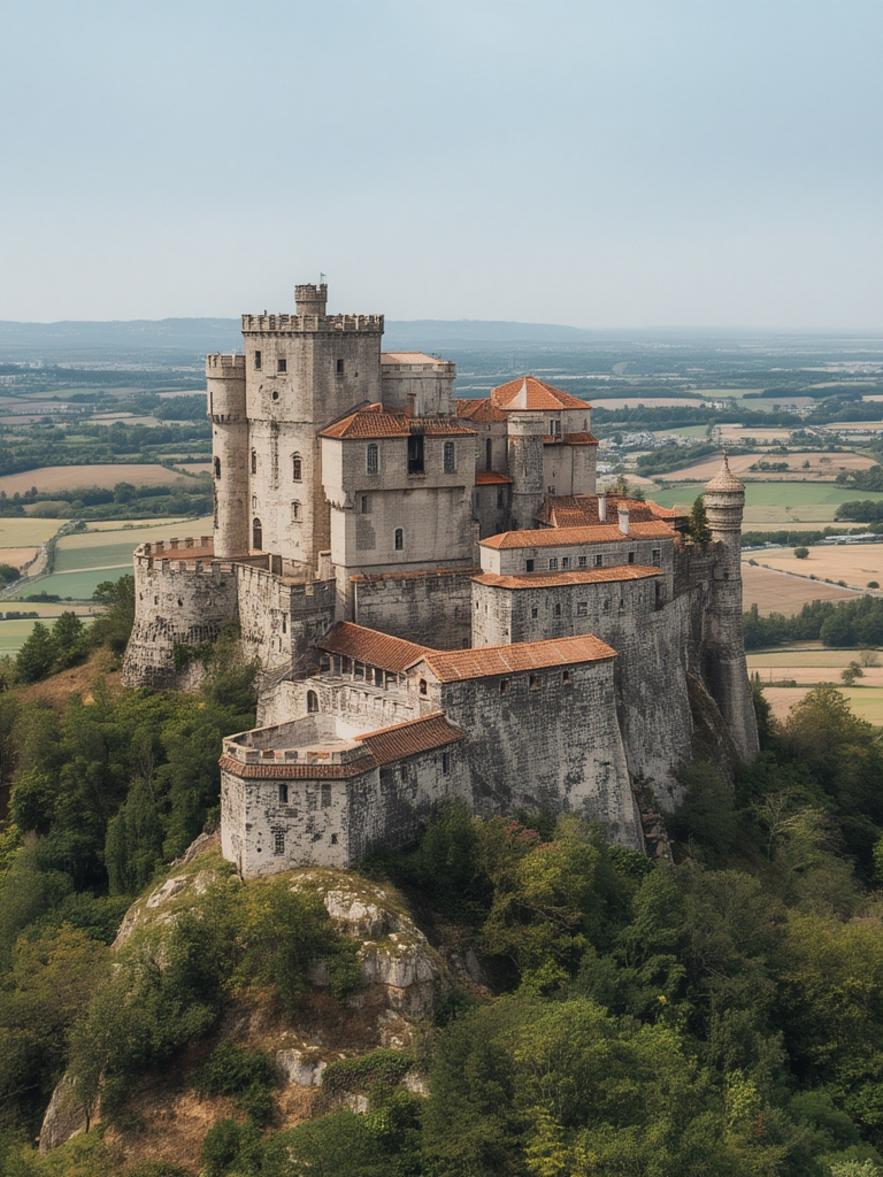
Portugal’s landscape is dotted with magnificent stone sentinels that have guarded its borders for centuries. The UNESCO World Heritage Castles in Portugal represent some of the finest examples of medieval military architecture in Europe, showcasing the country’s rich defensive heritage. Equally impressive are the Medieval fortresses in Portugal, which tell stories of conquest, reconquest, and the formation of a nation. These historic structures not only protected the emerging Portuguese identity but continue to captivate visitors with their dramatic settings and well-preserved features. Let’s explore these architectural treasures that have withstood the test of time.
Step-by-Step Instructions for Exploring Portugal’s Historic Castles
1. Start in Guimarães: Begin your castle journey at Guimarães Castle, often called the birthplace of Portugal. This 10th-century structure is among the most significant UNESCO World Heritage Castles in Portugal and features well-preserved battlements and a central keep.
2. Visit Óbidos Castle: Travel to the walled town of Óbidos to experience one of the finest Medieval fortresses in Portugal. Walk the complete circuit of walls for panoramic views of whitewashed houses and the surrounding countryside.
3. Explore Silves Castle: Head south to the Algarve region to discover the impressive red sandstone castle at Silves, a Moorish masterpiece with eleven towers and vast cisterns.
4. Discover Belém Tower: Visit Lisbon to see this 16th-century defensive structure at the mouth of the Tagus River, combining military functionality with ornate Manueline style decoration.
5. End at Almourol Castle: Marvel at this fairy-tale castle perched on a tiny island in the middle of the Tagus River, accessible only by boat and representing the Templar legacy in Portugal.
Tips for Castle Explorers
– Visit during shoulder seasons (April-May or September-October) to avoid crowds and experience comfortable temperatures.
– Wear sturdy shoes with good grip, as castle steps and pathways can be uneven and slippery.
– Bring a wide-angle camera lens to capture the full grandeur of these structures.
– Purchase a combined ticket when possible, as many castles are managed by the same authorities.
– Engage local guides who can provide historical context that brings these stone structures to life.
– Check opening hours in advance, as many sites close for lunch or have seasonal schedules.
Alternative Methods of Experiencing Portugal’s Castle Heritage
– Follow Themed Routes: The Castle Route of the Middle Tagus or the Templar Route provide focused itineraries connecting multiple sites with similar historical threads.
– Attend Medieval Fairs: Many castle towns host annual medieval festivals with period costumes, traditional foods, and historical reenactments.
– Take a River Cruise: View castles like Almourol or Belém Tower from the water for a different perspective on their defensive positioning.
– Stay Overnight: Several castles have been converted into luxury pousadas (historic hotels), allowing you to experience these monuments after most tourists have departed.
– Explore Virtual Tours: If travel isn’t possible, many Portuguese castles offer detailed virtual tours with 360° views and historical information.
Conclusion
From the northern border defenses to the Moorish strongholds of the south, the UNESCO World Heritage Castles in Portugal represent an unparalleled opportunity to experience European medieval military architecture. Whether you’re scaling the walls of Óbidos or contemplating the strategic genius behind the Medieval fortresses in Portugal, these monuments provide tangible connections to the country’s complex past. They stand as testaments to Portugal’s determination to establish and maintain its independence through centuries of conflict and change. By following this guide, you’ll uncover the most impressive examples of Portugal’s castle heritage and gain insights into the forces that shaped this fascinating corner of the Iberian Peninsula.