What to Visit in Rome Top Attractions and Hidden Gems
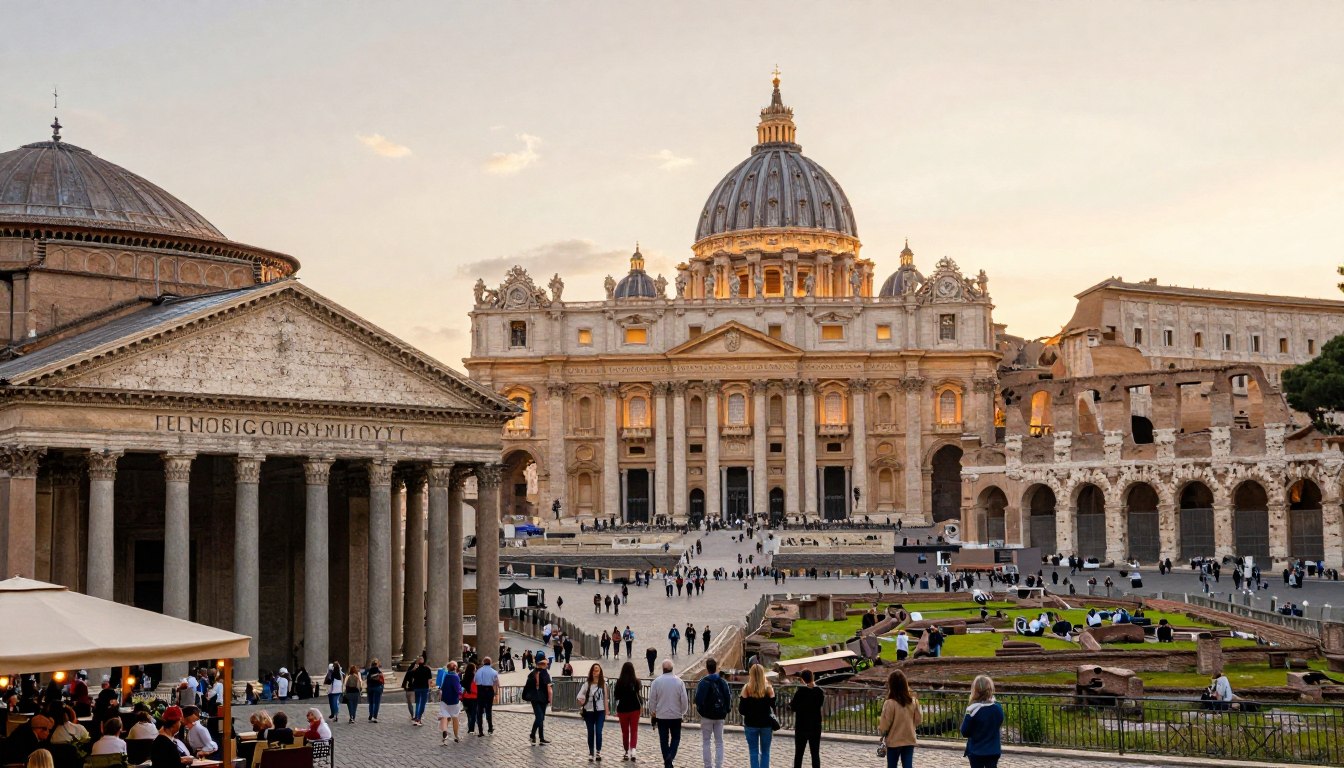
Greetings from the Eternal City, where ancient ruins meet lively modern culture across every street corner. This destination has 2,800 years of history and offers a unique experience for every traveler seeking beauty. You will find a captivating blend of historical depth and vibrant energy here.
Rome attracts 10 million people each year, far exceeding its local population of only 4 million residents. Because of these massive crowds, planning your travel remains essential for a smooth and pleasant visit. This guide helps you navigate the overwhelming array of landmarks and neighborhood secrets.
You will discover top landmarks like the Colosseum alongside quiet neighborhoods that local residents love. Exploring the city feels like walking through a massive outdoor museum where time stands still. Millennia-old ruins stand proudly beside Renaissance churches and contemporary cafes.
There are many things worth seeing, from Renaissance art to cozy hidden squares. This guide ensures your trip feels manageable by covering 16 major sections. We highlight must-see attractions while sharing off-the-beaten-path discoveries for a complete experience.
Whether you love food or history, you can craft a perfect Italian holiday using our curated advice. It is truly a magnificent city that rewards those who prepare for its vast scale. History enthusiasts and art lovers alike find endless inspiration within these ancient walls.
We provide practical advice assisting your journey through this historic landscape. Prepare yourself for an adventure that blends old world charm with contemporary energy. Authentic neighborhood experiences await those seeking genuine discoveries beyond the main tourist gates.
1. The Colosseum: Step Into Ancient Rome’s Greatest Arena
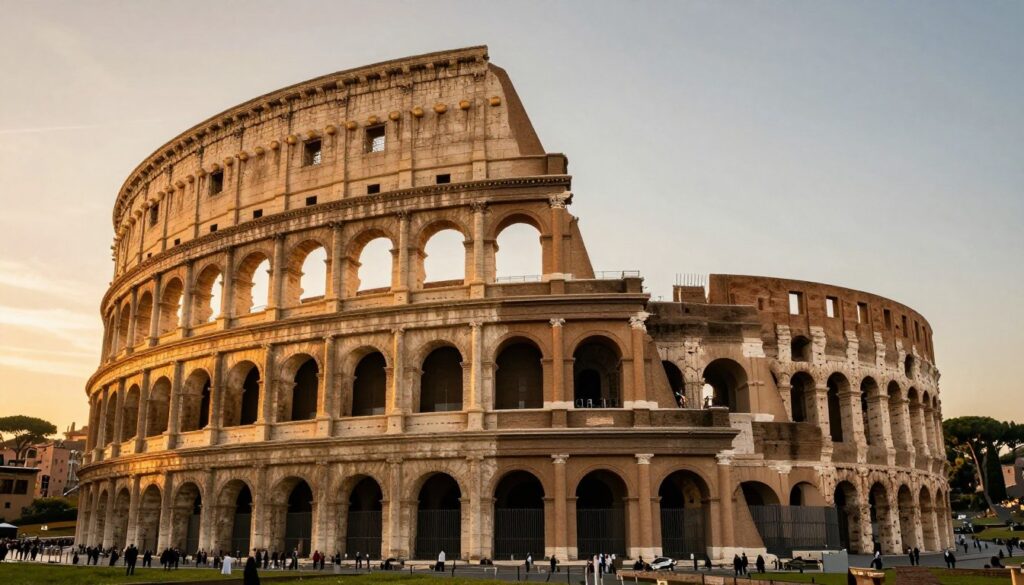
Stepping into the Colosseum feels like traveling back in history to an era of gladiators and grand Roman spectacles. This iconic symbol has stood proudly for nearly 2,000 years as the largest ancient amphitheater in the world.
Built around 70-80 AD, it once held up to 80,000 people who gathered to watch intense battles and mock naval games. Standing where legendary fighters once stood is one of the most powerful things rome offers every traveler today.
The massive stone walls remain a testament to the entertainment center of the ancient empire. Experience the sheer scale of this arena by walking through the same arches that Roman citizens used centuries ago.
Underground and Arena Floor Access
To truly feel the power of the arena, you should explore the restricted areas. Special tickets allow you to walk directly onto the reconstructed arena floor where the action happened.
From there, you can look down into the hypogeum, a complex and dark tunnel system. This is where gladiators and wild animals waited in the shadows before their dramatic entrances into the light.
These areas reveal the engineering genius of the Roman era. You will see how trap doors and wooden lifts once raised fierce beasts to surprise the audience above.
Night Tours and Special Experiences
If you want an off-the-beaten-path adventure, consider a night tour. The crowds thin out, and the air turns cool as the sun sets over the city.
Dramatic lighting transforms the stone arches of these ruins into a mystical and hauntingly beautiful sight. It is a peaceful way to experience the structure away from the daytime heat.
A moonlit tour provides a different perspective on the ancient stone. You can hear the echoes of the past more clearly when the modern city noise fades away.
Best Times to Visit and Avoiding Crowds
The Colosseum stays busy year-round, so you must time your visit carefully. Arriving early in the morning or late in the afternoon helps you avoid the largest tour groups.
Waiting in line can take hours, which is why booking skip-the-line tickets is an absolute necessity. Having a plan saves you from standing in the hot sun for half the day.
We recommend hiring a guide to bring the structure to life with stories of combat. A professional tour ensures you understand the social hierarchy and the daily life of ancient Romans.
2. Vatican Museums and Sistine Chapel: A Masterpiece Collection
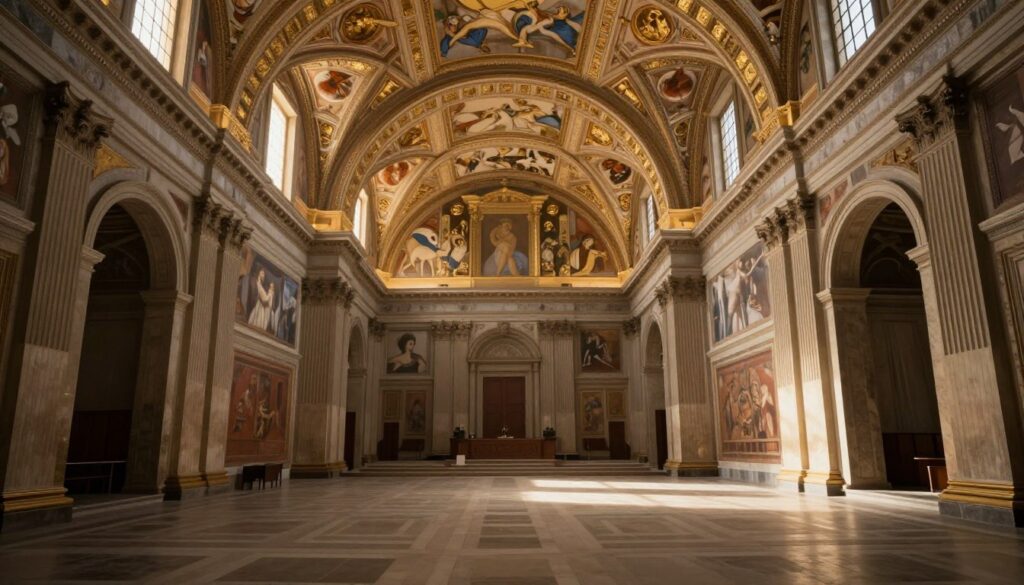
Located within the world’s smallest city-state, the Vatican Museums offer a breathtaking display of artistic history. Walking through these halls feels like a journey through centuries of human creativity. You will find room after dazzling room filled with world-class art.
From the intricate map galleries to ancient Egyptian relics, every corner holds a secret. This museum is truly a feast for the eyes and a must-see for anyone visiting Rome. The sheer scale of the collection is enough to leave any traveler in awe.
The Key Masters Tour: Opening the Museums at Dawn
For a truly magical experience, look for Vatican Museums early access tours Rome options. The Key Masters experience allows you to enter at 6:30 AM with a tiny group. You walk alongside the Clavigero as he opens the heavy doors for the morning.
Watching the lights flicker on in these silent galleries is absolutely unforgettable. You get to stand in the Sistine Chapel completely alone before the public arrives. This specialized tour removes all time pressure, letting you soak in the genius of the space.
Raphael Rooms and Sistine Chapel Highlights
The Sistine Chapel is the crown jewel, featuring Michelangelo’s frescoes from the early 1500s. These paintings create one of the most moving art experiences you can imagine. Nearby, the Raphael Rooms showcase the famous “School of Athens,” which celebrates history’s greatest thinkers.
A professional guide can help you understand the deep meaning behind these complex works. These apartments were once private papal quarters and represent the peak of High Renaissance style. Every ceiling and wall tells a story of power, faith, and beauty.
Booking Tips and Tour Options
Buying your tickets in advance is essential to avoid long lines at the entrance. You should consider a skip-the-line tour to make the most of your day. Many visitors choose a package that includes St. Peter’s Basilica to save travel hours.
If you prefer a quieter atmosphere, look for VIP after-hours tickets. These allow you to explore the galleries after the main crowds have left. Strong planning ensures you spend more time looking at masterpieces and less time waiting in the heat.
3. St. Peter’s Basilica and St. Peter’s Square
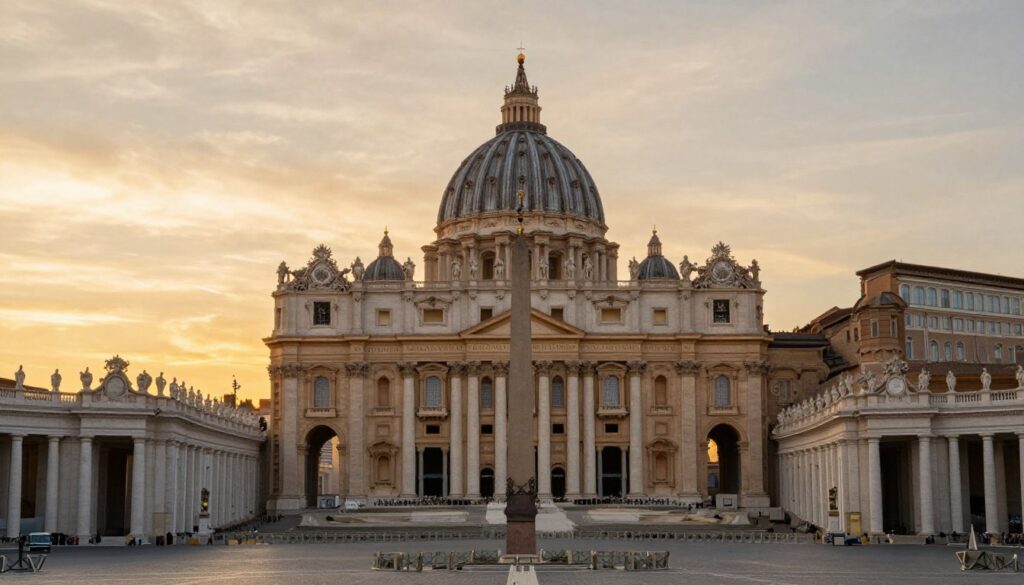
As the epicenter of the Catholic faith, st. peter basilica offers a blend of divine art and historical majesty that transcends religion. This architectural masterpiece serves as the spiritual heart of the Catholic world. It leaves every visitor breathless with its sheer scale and intricate details.
Even before you step inside, the immense St. Peter’s Square creates a sense of wonder. Gian Lorenzo Bernini designed this space to welcome pilgrims from across the globe. The square opens like a giant set of arms to embrace people as they approach the holy church.
Climbing the Dome: 551 Steps to Heaven
For many, the ultimate challenge is the climb to the very top of the dome. Michelangelo designed the massive structure, and Giacomo della Porta eventually completed the work. You can take an elevator to skip the first 231 steps, but a long climb still awaits you.
The final stretch is a narrow, winding staircase where you must lean at an angle against the slanted walls. Once you reach the summit, the panoramic views over Vatican City and the Roman skyline are truly spectacular. This is easily one of the best photo opportunities in the entire city.
Michelangelo’s Pietà and Interior Treasures
Inside the st. peter basilica, you will find a world of Baroque drama and gold-adorned ceilings. The interior features priceless masterpieces at every turn. Many visitors come specifically to see the famous tomb of st. peter located beneath the high altar.
One absolute must-see is Michelangelo’s Pietà. This moving marble sculpture depicts the Virgin Mary cradling Jesus after the crucifixion. The st. peter legacy lives on through these emotional works and the massive columns that support the roof.
Attending a Papal Audience or Sunday Blessing
To see the Pope in person, plan your visit for a Wednesday morning or a Sunday at noon. Papal Audiences begin at 9 AM, but security lines move slowly. You should arrive by 7 AM to secure a good spot on the square. On Sundays, the Pope offers a blessing from his window to the crowds below.
Arriving at least two hours early is essential if you want a clear view. While entry to the st. peter basilica is free, the lines are often very long. We recommend booking a guided tour to navigate the crowds and explore the crypt. A specialized tour of the st. peter site provides deep insight into the history of the peter basilica. Many travelers find that the peter basilica is the highlight of their trip. No matter your background, the peter basilica remains a powerful symbol of human achievement.
4. The Pantheon: Rome’s Best-Preserved Ancient Building
Hidden behind modest alleyways, the Pantheon suddenly appears, offering a jaw-dropping glimpse into the grandeur of the ancient world. This incredible structure dates back to 126 AD and remains the most complete building from the era of Imperial Rome. It has stayed in continuous use for nearly 2,000 years, surviving while many other structures fell into ruin.
Walking through the massive bronze doors feels like stepping back into living history. The sheer scale of the porch and the massive granite columns prepare you for the architectural wonders inside. It is truly a miracle that such a massive monument remains so perfectly intact after all this history.
The Magnificent Oculus and Unreinforced Dome
The dome is a true masterpiece of engineering. Even today, it holds the record as the largest unreinforced concrete dome on the planet. When you step inside, your eyes immediately travel upward to the mesmerizing oculus.
This circular opening at the very top is the building’s only source of natural light. It creates a magical atmosphere as the sun moves across the sky throughout the day. If you visit during a storm, the sight of rain falling through the ceiling is absolutely spectacular.
The original Roman drainage system still works perfectly after thousands of years. Small, nearly invisible holes in the marble floor whisk the rainwater away. It is a brilliant example of how ancient builders planned for every detail.
Tomb of Raphael and Interior Highlights
Beyond its architecture, the Pantheon serves as a sacred place and an active church. You will find the tomb of the famous Renaissance master Raphael here. His burial in this ancient site highlights the deep connection between classical Roman design and Renaissance art.
Beautiful statues and ornate paintings decorate the interior walls. Take some time to explore the following features during your visit:
- The High Altar: A focal point for modern religious services.
- Royal Tombs: The final resting places of Italian kings, including Victor Emmanuel II.
- Side Chapels: Small alcoves filled with 15th-century frescoes and sculptures.
- Marble Floors: Complex geometric patterns made from stones brought from across the empire.
Admission Details and Visiting Hours
For a long period, entry was free, but now visitors must purchase tickets to enter. It is best to arrive early in the morning to enjoy the quiet beauty before the crowds arrive. The current pricing is straightforward and helps maintain this incredible monument.
| Visitor Category | Entry Fee | Requirement |
|---|---|---|
| Adults (Over 25) | 5 EUR | Standard Admission |
| Youth (18-25) | 3 EUR | Valid ID Required |
| Minors (Under 18) | Free | Valid ID Required |
The building generally opens daily from 9:00 AM to 7:00 PM. Since it is still a working church, access might be limited during Sunday Mass or special religious events. Always check for local holiday closures to ensure you don’t miss out on this extraordinary experience.
5. Roman Forum and Palatine Hill: Walking Ancient Streets
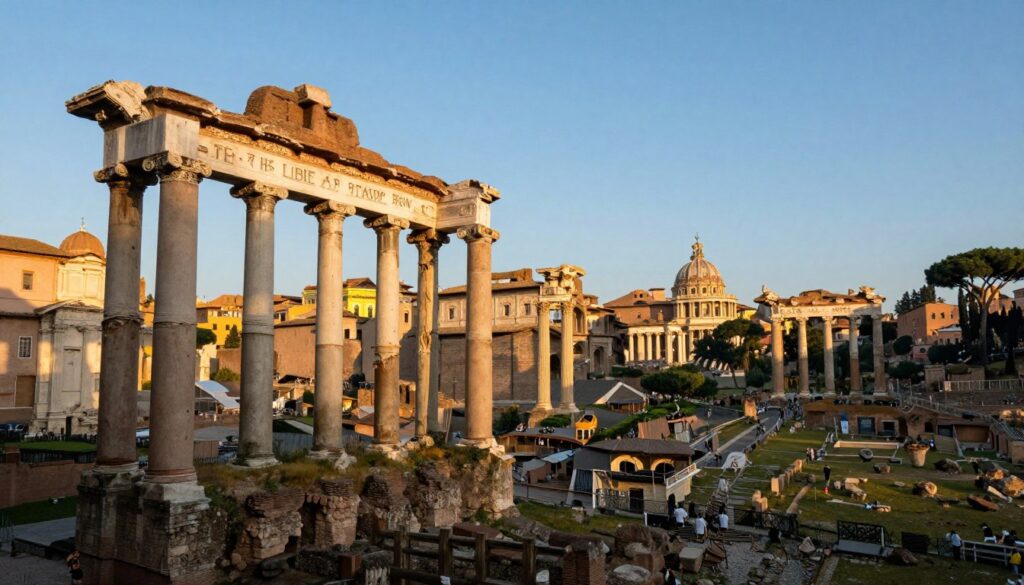
Step off the modern pavement and into the sprawling archaeological wonders of the roman forum. This area served as the beating heart of the city for hundreds of years. It was the center of political, commercial, and social life in the ancient world.
As you wander these pathways, you walk the same stones as emperors and senators did. It is a massive open-air museum that brings history to life. You can almost hear the echoes of ancient debates as you explore the crumbling ruins.
Must-See Ruins: Temple of Saturn and House of Vestal Virgins
Start your exploration at the Temple of Saturn, one of the most photographed sites in the area. These iconic columns have stood the test of time and offer a glimpse into past glory. Nearby, you will find the House of the Vestal Virgins.
This was the sacred home for the priestesses who kept the eternal flame of Rome burning. Seeing these sites helps you understand the religious importance of the roman forum. Every arch and pedestal tells a story about the city’s power.
Palatine Hill Views and Imperial Palaces
Next, head up the back staircases to reach the legendary palatine hill. This is one of the original seven hills where emperors built their massive, lavish palaces. The scale of these ancient residences is truly impressive.
From the top, you are rewarded with the best views of the entire valley. Looking down over the ruins makes the layout of the old city very clear. It is the perfect day for capturing stunning photos of the roman forum from above.
Combined Tickets with the Colosseum
Visiting the roman forum and palatine hill is easy because they share tickets with the Colosseum. Most travelers prefer a guided tour to navigate the massive site. A professional guide helps you connect the dots between these interconnected locations.
Be sure to wear comfortable shoes because the terrain is uneven. There is very little shade, so bring plenty of water and sun protection. Taking a tour ensures you do not miss the palatine hill highlights during your visit.
6. Trevi Fountain and the Coin-Tossing Tradition
The 18th-century Trevi Fountain is perhaps the most iconic water feature in the world and a true gem of the city. This Baroque masterpiece draws millions of visitors who want to see its intricate marble figures and rushing water. However, you should prepare for thick crowds at almost all times of the day.
Patience is key when visiting this landmark, as everyone wants the perfect shot near the water. Instead of rushing, try to find a small spot on the steps to enjoy the view. Watching the sheer scale of the sculpture is a highlight of any Rome trip.
Legend of the Three Coins
Participating in the coin-tossing tradition is a must for every visitor at the trevi fountain. To do it correctly, hold the coin in your right hand and toss it over your left shoulder with your back to the water. This romantic gesture is more than just a game for tourists; it carries a deep local meaning.
Legend dictates your future based on how many coins you throw into the basin. Visitors toss over 3,000 euros into the water every single day. Twice a week, the city collects these funds to support a local supermarket that serves residents in need.
| Number of Coins | The Romantic Meaning |
|---|---|
| One Coin | You will return to Rome |
| Two Coins | You will find new love |
| Three Coins | You will marry your love |
Best Times to Visit Without Crowds
Experiencing this place without a sea of people requires a very early wake-up call. Arriving at dawn is your best chance to see the fountain in a more peaceful and quiet state. Even then, you will likely share the view with a few dedicated professional photographers.
Late night visits also offer a different perspective as the statues glow under bright spotlights. The atmosphere feels much more intimate once the large tour groups leave for dinner. Check the local times for sunset to plan a magical evening stroll.
Nearby Attractions and Photo Spots
After you see the trevi fountain, take a slow stroll through the nearby narrow cobblestone alleys. These charming streets house some of the best gelato shops and small boutiques in the historic center. Wandering away from the main square allows you to discover the quieter side of the neighborhood.
You can find unique photo angles by exploring the streets that lead into the square. Look for framed views of the fountain between the old buildings for a creative shot. These hidden corners often provide a much-needed break from the busy tourist hub.
7. What to Visit in Rome for Art Lovers: Galleria Borghese
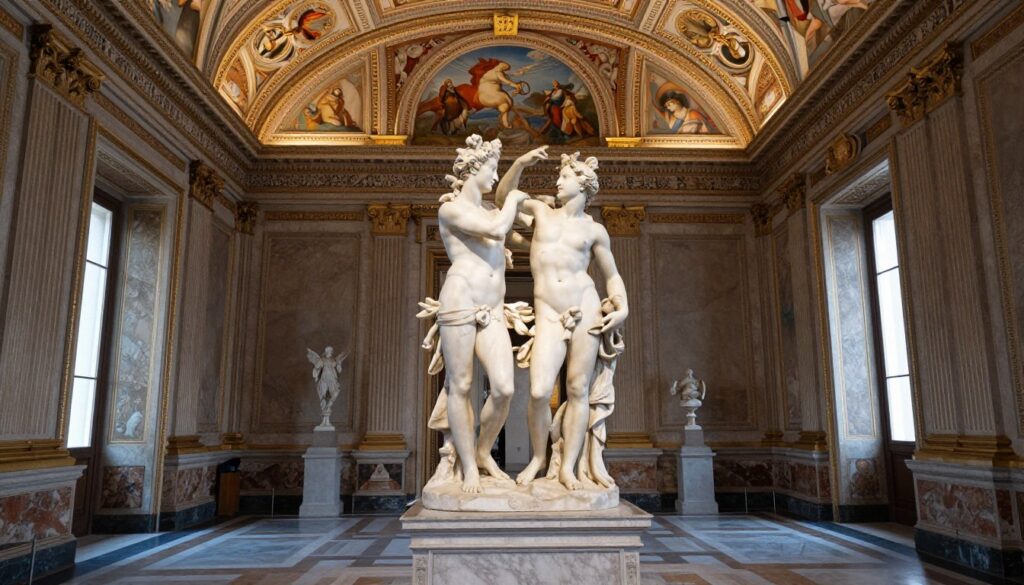
Walking into the Galleria Borghese feels like stepping inside a literal jewelry box filled with world-class masterpieces. This intimate museum offers a spectacular experience that many tourists unfortunately miss while rushing through the city.
Because the gallery limits the number of visitors to protect the art, you must plan ahead. It is absolutely vital to secure your tickets for a specific entry time weeks or even months in advance.
Bernini’s Baroque Masterpieces: Apollo and Daphne
Seeing Gian Lorenzo Bernini’s work in person is a spiritual experience. His sculpture of “Apollo and Daphne” captures a breathtaking mythological transformation in solid marble.
You will see details that no photograph can ever fully show. Look closely to find the delicate marble leaves sprouting from Daphne’s fingers as she turns into a tree.
The sheer emotion on Apollo’s face creates a sense of movement. You might forget you are looking at cold stone rather than living, breathing figures.
Caravaggio and Renaissance Collections
The gallery also holds an exceptional collection of works by Caravaggio. This master changed the world of art forever with his revolutionary use of dramatic, dark lighting.
His realistic human subjects look like they could step right out of the canvas. You can join a guided tour to learn about his wild life and his massive influence on history.
Exploring these rooms feels like a comprehensive journey through Italian mastery. Each hallway offers a new discovery from the greatest creative minds of the Renaissance.
Villa Borghese Gardens and Grounds
Outside the gallery walls, you will find the Villa Borghese Gardens. Often called Rome’s version of Central Park, this massive green space offers a peaceful escape from the crowded hours of sightseeing.
You can wander through picturesque woods or enjoy a relaxing picnic under the shade of ancient trees. The gardens feature a beautiful pond where you can rent boats to row in front of a classic Roman temple.
This park is the perfect place to reflect on your tour of the gallery. It allows you to enjoy nature and silence before returning to the busy streets of Rome.
8. Trastevere: Rome’s Most Charming Bohemian Quarter
Trastevere translates to “across the Tiber,” which perfectly describes its location just a short walk from the historical center. Syrians and Jewish boatmen originally settled this area, giving it a unique identity that remains strong today. This neighborhood serves as a lively hub for university students and hip locals who love its bohemian spirit.
Santa Maria in Trastevere and Piazza Life
The Basilica of Santa Maria in Trastevere is a highlight of any walking tour. This ancient church dates back to the 4th century, though much of its current structure is from the 1100s. Builders used materials taken from the Baths of Caracalla to finish the walls and columns.
The piazza right in front of the building is the heartbeat of the area. It is the perfect place to sit and watch the city move by on a warm summer evening. Ancient Latin carvings decorate the entrance and show the area’s long history.
Best Restaurants, Trattorias, and Wine Bars
You will find endless choices when it comes to delicious food in these narrow lanes. Many trattorias display fresh catches in fish tanks right out front to tempt hungry guests. It is easy to find a cozy spot to enjoy a glass of local wine while sitting outdoors.
The variety of food here ranges from classic Roman pasta to modern fusion dishes. Many spots offer intimate seating that is great for couples or groups of friends. Whether you want a full meal or just a snack, this area has it all.
Evening Strolls and Local Atmosphere
At night, the cobblestone streets come alive with energy and music. The golden lighting makes the medieval buildings look like a movie set. It is a wonderful time to see people gathering for drinks or simply enjoying a slow stroll.
Even though it is popular with visitors, the area keeps its local soul. You can still see laundry hanging between windows in the quieter alleys. Sipping a glass of wine at a small bar is the best way to end your day.
| Feature | Description | Best Time to Visit |
|---|---|---|
| Santa Maria Church | 4th-century mosaics and stolen Roman stones | Early Morning |
| Dining Scene | Fresh seafood, classic pasta, and outdoor cafes | Dinner Time |
| Piazza Life | Vibrant social hub with street performers | Late Evening |
9. Monti Neighborhood: Hidden Gem for Food and Nightlife
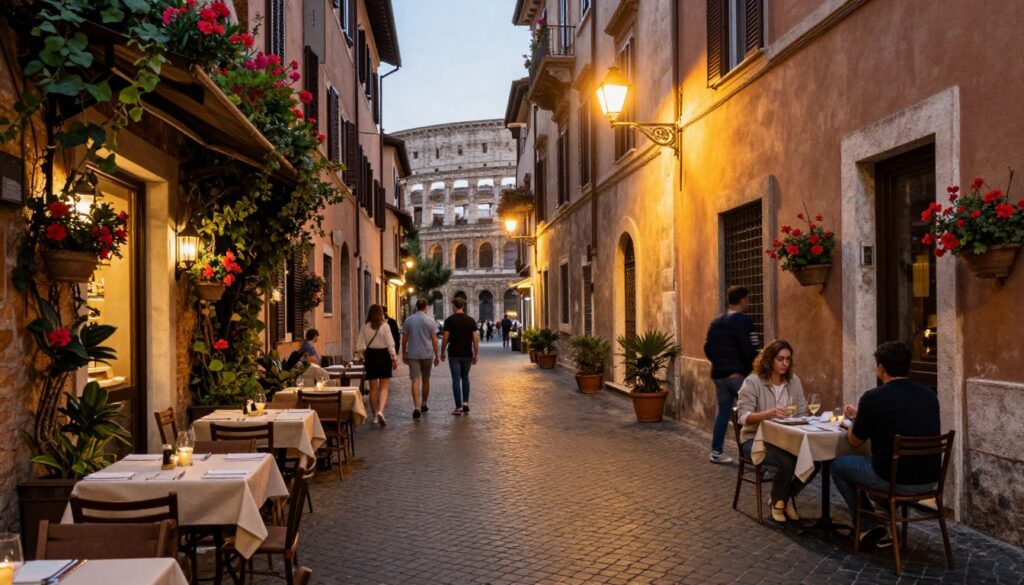
Nestled right next to ancient ruins, the Monti neighborhood offers an authentic vibe that most tourists miss. You only need to walk a few blocks from the Colosseum to escape the loud crowds. Here, ivy-covered buildings and quiet alleys replace the busy souvenir stands.
This district feels like a secret village tucked inside a massive city. It is the perfect place to experience how modern Romans actually live. Locals gather in the small squares to share stories and enjoy the relaxed pace of life.
Independent Food Crawl Recommendations
Monti is a paradise for anyone who loves high-quality food. You can easily spend an entire evening wandering through the cobblestone streets to find hidden culinary treasures. We suggest starting with a light snack at a family-run bakery.
Moving through the area is one of the most exciting things rome has for hungry travelers. Many small restaurants serve creative takes on traditional Roman classics. You can find handmade pasta that tastes like it came straight from a grandmother’s kitchen.
Boutique Shopping and Artisan Shops
If you enjoy unique finds, you will love the local shopping scene. The area is famous for its artisan shops and independent boutiques. You can discover handmade leather bags, vintage clothing, and jewelry designed by local artists.
These stores offer a refreshing change from the big commercial brands found on the main roads. Most owners are happy to chat about their craft while you browse. It is the best way to find a one-of-a-kind souvenir to take home.
Best Wine Bars and Gelaterias
As the day turns into night, the atmosphere becomes even more vibrant. Grab a glass of local wine at a cozy bar that focuses on organic labels. These spots often stay open late, allowing for long conversations in a friendly setting.
Finish your adventure with a visit to a craft gelateria for a sweet treat. They use small-batch methods to ensure the wine of flavors remains pure and intense. Enjoying your gelato by a stone fountain is a classic local experience.
| Activity Type | What to Expect | Best Time |
|---|---|---|
| Dining | Creative Roman pasta and snacks | Evening |
| Shopping | Vintage clothes and handmade leather | Afternoon |
| Socializing | Natural wine and craft gelato | Late Night |
10. Castel Sant’Angelo: Fortress with Panoramic Views
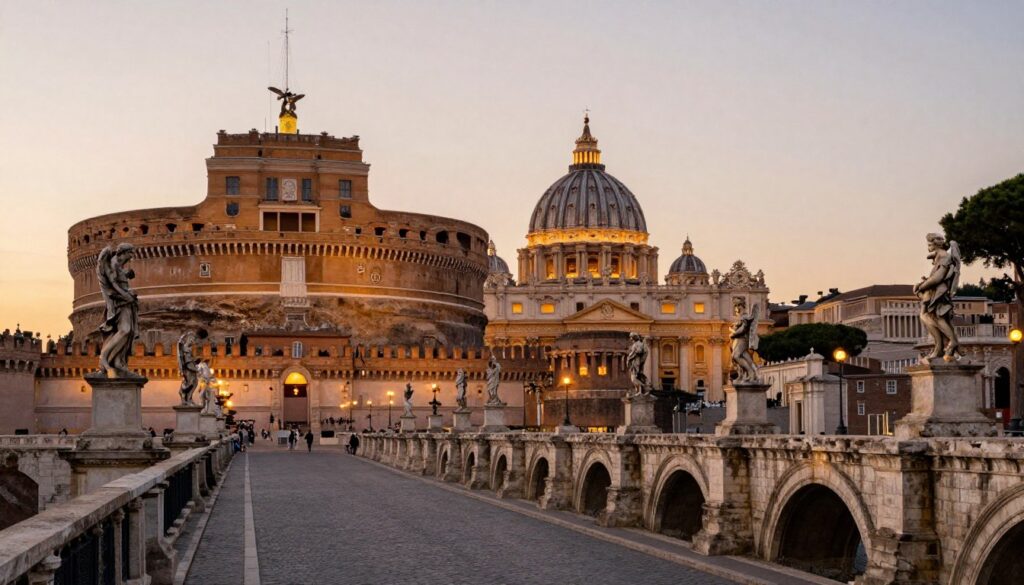
For a perfect blend of ancient history and breathtaking skylines, make your way to the iconic Castel Sant’Angelo. This massive circular monument stands proudly on the banks of the Tiber River.
The history of this unique place spans nearly two thousand years of change. It was first built as a resting place for an emperor but later became a vital shield for the papacy.
From Mausoleum to Papal Fortress
The building began its life as the grand tomb of Emperor Hadrian in the second century. Over time, it was transformed into a powerful fortress to protect the Vatican.
A secret raised passage, known as the Passetto di Borgo, connects the castle directly to St. Peter’s. This hidden corridor allowed popes to escape to safety during times of war or invasion.
Today, this structure serves as a national museum. It displays everything from ancient ruins to lavish Renaissance rooms used by past popes.
Sunset Terrace Overlooking St. Peter’s
The crowning jewel of the castle is the rooftop terrace. It offers some of the most famous views in the entire city.
From the top, you can look straight down the Via della Conciliazione toward the massive dome of the Vatican. Watching the sun dip behind the horizon while sipping wine at the rooftop cafe is an unforgettable experience.
The castle stays open until 7:30 PM, but keep in mind it is closed on Mondays. If you visit in March, you will have plenty of time to catch the sunset before the doors close.
Museum Collections and Secret Passages
Inside the galleries, you can wander through rooms filled with historical weapons and beautiful frescoes. These spaces show how the fortress doubled as a treasure vault and a residence.
A guided tour is highly recommended to fully appreciate the complex layout of the building. You will learn about the darker side of its past, including its use as a prison.
This visit is an excellent choice for a late afternoon activity. It provides a peaceful escape from the daytime crowds while offering a deep dive into the soul of Rome.
11. Roman Catacombs: Journey Beneath the Eternal City
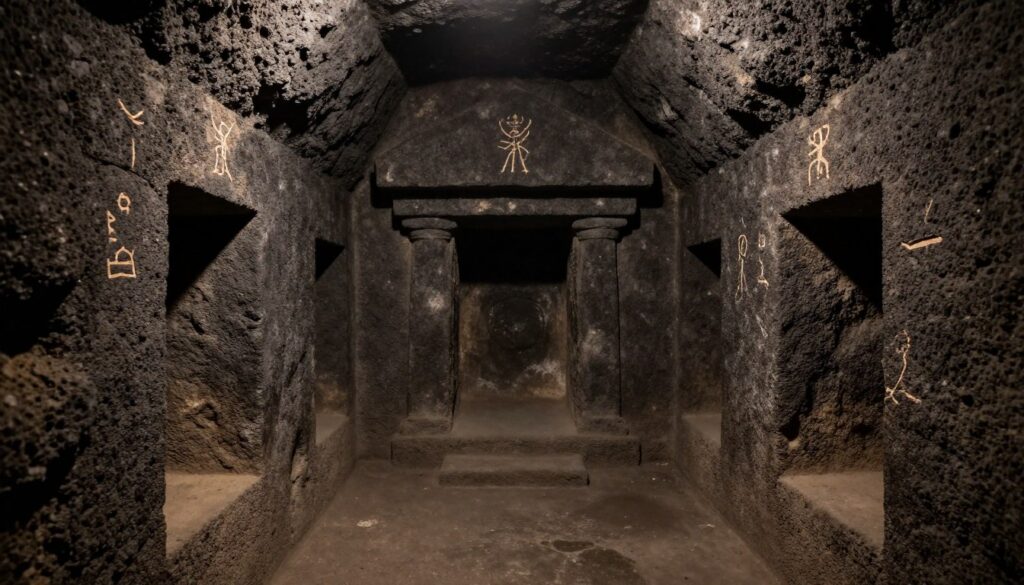
Exploring the Roman catacombs offers a fascinating journey deep into the hidden layers of the eternal city. Descend into the cool, quiet tunnels that have rested beneath modern streets for nearly two millennia. This unique site provides a tangible connection to the past and the city’s religious transformation.
San Callisto, San Sebastiano, and Domitilla Catacombs
Three major locations are open to the public, each with its own unique charm. San Callisto is the largest and most famous network, housing the tombs of many early popes. If you enjoy seeing ancient art, San Sebastiano features impressive frescoes that have survived for centuries.
Meanwhile, the Domitilla catacombs represent the oldest and most extensive burial grounds. They stretch for miles in a complex maze deep underground. These sites show the humble origins of a faith that would eventually change the world.
Early Christian History and Underground Tombs
As you walk through these dimly lit passages, you will see burial niches carved directly into volcanic rock. Early Christians often held secret services here during times of persecution. Look closely at the walls to find ancient symbols and faded paintings depicting biblical scenes.
These underground chambers tell a moving story of history that remains well-preserved in the dark. Walking past the tombs of martyrs makes the ancient past feel incredibly real. It is a powerful contrast to the grand basilicas located above ground.
After-Hours Private Tours
You cannot explore these maze-like tunnels alone for safety and preservation reasons. Every visitor must join a guided tour to receive essential context and avoid getting lost in the dark. This ensures you understand the deep cultural meaning of every chamber you visit.
For a more intimate experience, consider booking special after-hours private tours. These sessions allow you to experience the haunting atmosphere of the eternal city without the usual daytime crowds. It is the best way to see the city from a completely different and silent perspective.
12. Food Experiences You Can’t Miss in Rome
To truly understand Rome, you must taste the rich history served on every plate. The culinary traditions here span thousands of years, offering iconic dishes that simply taste better in their birthplace. Food is one of Rome’s greatest attractions because it focuses on quality ingredients and perfect technique rather than complex recipes.
You will find that many classic dishes contain just three or four simple components that create culinary magic. Navigating the overwhelming dining scene is easier when you focus on authentic, local neighborhoods. These areas offer a glimpse into the daily life and traditions of the Roman people.
Best Food Tours: Trastevere and Testaccio Market
Booking a Rome food tours Trastevere historic center experience is the best way to find hidden gems. You might visit a funky beer shop or a Neapolitan bakery with cloud-like pastries that visitors usually walk right past. Some adventures even end on a private rooftop where you make an Aperol spritz at sunset.
For a truly local vibe, a tour of the Testaccio Market shows you where Romans shop for their daily meals. This food tour experience provides insider access to authentic eateries that showcase the heart of the city. Each tour allows you to sample various snacks while learning the stories behind them.
Pasta and Pizza Making Classes

Signing up for a Rome pasta making cooking class is a fantastic day activity for any traveler. You will learn the secrets of perfect dough and traditional sauces from a local guide or professional chef. These classes provide valuable skills you can recreate at home as a lasting souvenir of your trip.
Many sessions include a glass of local wine to enjoy while you roll out your dough. It is a fun, hands-on way to appreciate the local food culture while making new friends. You will leave with a full stomach and the confidence to host your own Italian dinner party.
Mercato Centrale and Street Food Favorites
Located near Termini station, Mercato Centrale is a trendy food hall featuring dozens of incredible restaurant fronts. You must try the famous trappizini, which are cone-shaped bread pockets filled with savory fillings. Another highlight is the decadent pasta carbonara topped with freshly grated black truffles from the specialty truffle stall.
This vibrant spot is perfect for a quick and delicious food stop after a long day of sightseeing. The hall offers both Roman favorites and international dishes in a high-energy atmosphere. It is an excellent place to sample multiple flavors in one convenient location.
Traditional Roman Dishes to Try
You cannot leave without trying authentic carbonara made with guanciale, egg, pecorino, and black pepper. The simple but transcendent cacio e pepe is another must-try masterpiece that relies entirely on cheese and pepper. Don’t forget supplì, which are delicious deep-fried rice balls with melting cheese centers.
In the Jewish Quarter, look for deep-fried artichokes that are crispy, golden, and perfectly seasoned. During the warmer months, a fresh-squeezed spremuta orange juice is incredibly refreshing. These dishes reflect the soul of Rome through their bold and honest flavors.
Most of these heavy, flavorful meals pair perfectly with a crisp white wine from the Lazio region. For a deeper flavor, many locals prefer a bold red wine to complement the salty pecorino cheese. Enjoying these pairings is a vital part of the Roman experience.
13. Spanish Steps, Piazza di Spagna, and Luxury District
To witness the true meaning of la dolce vita, you must head to the world-famous Spanish Steps and the nearby boutiques. This theatrical 18th-century staircase connects the vibrant Piazza di Spagna with the Trinità dei Monti church at the top. It remains one of the most iconic landmarks in the entire city.
Climbing the Spanish Steps
Climbing the 135 steps is a rite of passage for every visitor. You can find a spot to sit midway for people-watching or take stunning photos overlooking the elegant piazza below. The architectural flow of the stairs makes it feel like a grand outdoor stage.
Visit early in the morning for the best light and fewer crowds. In the evening, the area transforms into a romantic place filled with warm lights and a lively atmosphere. It is the perfect spot to capture the essence of Roman charm during your trip.
Via Condotti Shopping and High-End Boutiques
Once a bohemian artists’ quarter, this district now serves as Rome’s luxury shopping hub. International fashion houses cluster along the elegant streets, drawing style enthusiasts from around the world. The transition from art history to high fashion is seamless here.
Walk down Via Condotti, which is Rome’s equivalent to Paris’s Champs-Élysées. You will find flagship stores for Gucci, Prada, and Bulgari lining the pavement. Even if you are only window shopping, the window displays are works of art themselves.
Hotel Hassler Rooftop and Nearby Views
For a refined experience, visit the hotel Hassler perched right at the crest of the staircase. They provide excellent service and a delicious breakfast spread for guests staying in the heart of the action. Their rooftop terrace offers breathtaking panoramic views of Rome while you enjoy a cocktail or coffee.
At the base of the Spanish Steps, you will find Piazza di Spagna and its famous boat-shaped fountain. This spot is perfect for enjoying a cold gelato and watching the fashionable crowds pass by. This area represents an essential experience that combines historic architecture with an upscale lifestyle.
| Area Highlight | Primary Activity | Key Feature |
|---|---|---|
| Spanish Steps | People-watching | 135 historic stairs |
| Via Condotti | High-end shopping | Luxury fashion houses |
| Hotel Hassler | Scenic relaxation | Rooftop terrace |
| Piazza di Spagna | Gelato breaks | Bernini’s fountain |
14. Off-the-Beaten-Path Hidden Gems
Discovering hidden gems allows you to experience the Eternal city without the usual hustle of the main tourist tracks. These unique spots offer a deep dive into history while letting you escape the busiest streets of the center. Locals treasure these locations, as they represent some of the coolest things rome provides for those willing to wander.
Exploring these lesser-known areas reveals the layers of history that typical tours often miss. You can find quiet corners filled with art, architecture, and local life. These destinations prove that there is always something new to see, even in an ancient capital.
Aventine Hill: The Famous Keyhole View
Climbing the Aventine Hill leads you to a magical and quiet surprise. Visitors wait to peer through the Knights of Malta keyhole to see a perfectly framed vista. This tiny hole reveals St. Peter’s dome at the end of a garden path.
It is truly one of the most stunning and secret views in the entire world. The manicured gardens frame the dome with absolute precision. This spot offers a peaceful moment away from the energetic pace of the nearby Roman Forum.
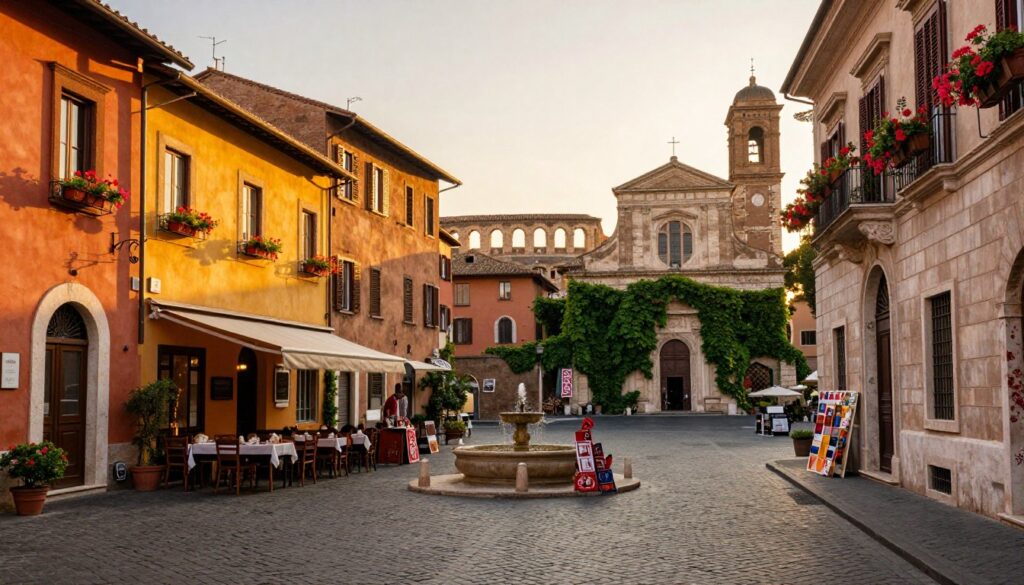
Centrale Montemartini: Ancient Statues Meet Industrial Design
This site is one of the most surprising museums you can find in Italy. It sits inside an old power plant where classical marble statues stand next to massive industrial machinery. The contrast between ancient art and diesel engines creates a striking atmosphere.
The museum remains uncrowded, making it a peaceful place to visit during your day. Cognoscenti in Rome rave about the unique juxtaposition found here. You can admire fine details of Roman craftsmanship without any crowds blocking your view.
Quartiere Coppedè: Rome’s Art Nouveau Quarter
Quartiere Coppedè is a neighborhood that feels like a fairy tale come to life. This small place features fantastical buildings covered in intricate mosaics and whimsical sculptures. It looks like the “Barcelona of Rome” because of its dreamlike architecture.
The fountains and chandeliers hanging over the roads add to the magical feeling. Every building tells a story through its weird and wonderful details. It is a perfect spot for photography lovers seeking something different.
Pyramid of Cestius and Protestant Cemetery
You might not expect to find an actual Egyptian-style pyramid in the middle of a modern neighborhood. Built in 12 BC, the Pyramid of Cestius stands as a massive tomb near a major metro station. Exploring this historic area is one of the most unique things rome has for history buffs.
Right next to the pyramid lies the peaceful Protestant Cemetery. Famous Romantic poets like Keats and Shelley rest here under the shade of tall cypress trees. The cemetery offers a quiet, garden-like setting that feels worlds away from the traffic outside.
Campo de’ Fiori Market
Campo de’ Fiori is the most famous and best market in the capital. Vendors set up abundant produce booths every morning, continuing a tradition that dates back centuries. You should start your day here to see Romans shopping for the freshest ingredients.
When the produce stalls close down in the afternoon, the square changes its character. Lively sidewalk cafes pop up where the market once stood. It is a great spot to enjoy a drink and watch the local world go by.
| Hidden Sites | Main Highlight | Vibe |
|---|---|---|
| Aventine Keyhole | Perfectly framed dome | Romantic |
| Centrale Montemartini | Statues and engines | Industrial |
| Coppedè District | Art Nouveau design | Whimsical |
Seeking out these off-the-beaten-path sites offers a necessary relief from heavy tourist crowds. These locations provide fascinating glimpses into the different layers of history. You will leave with a much deeper appreciation for the local side of the Eternal City.
15. Day Trips from Rome Worth Taking
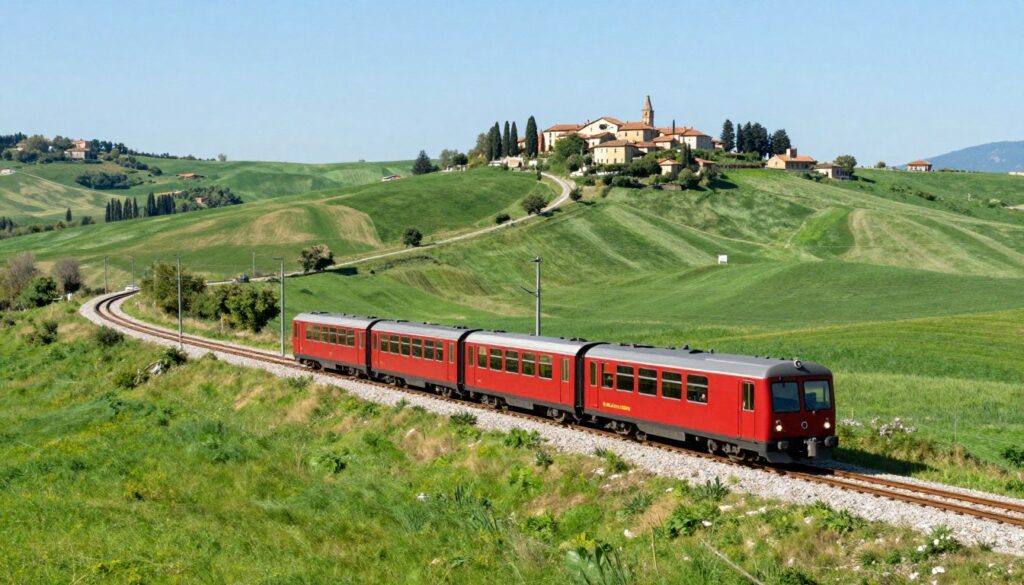
Escaping the urban bustle for a trip is a wonderful way to see Italy. You can experience different aspects of history and culture while keeping Rome as your base. These excursions offer a peaceful break and reveal the beauty of the surrounding regions.
You can trade the energy of the capital for quiet hills or coastal views in under two hours. Most destinations are easily reachable by the efficient national rail system. Taking a short break from the landmarks allows you to appreciate the slower pace of Italian life.
Orvieto: Medieval Hilltop Town and Cathedral
Orvieto is a stunning medieval town 90 minutes north of Rome by train. It sits dramatically on a high outcrop of volcanic rock. This natural height provided essential protection for the town’s inhabitants for many centuries.
Visitors usually arrive via a funicular railway from the station. You can wander narrow streets lined with artisan shops, wine bars, and local restaurants. The cathedral is the main highlight, featuring one of the most intricate facades in the entire country.
Ostia Antica: Ancient Roman Port City Ruins
Ostia Antica serves as a less crowded alternative to Pompeii for history fans. This ancient port city is just one hour away and showcases remarkably well-preserved ruins. It once functioned as a vital naval base for the Roman Empire.
The extensive sites include a large theater, public bathhouses, and ancient apartment buildings. Walking through these streets provides clear insight into the daily life of ancient citizens. You can explore the old temples and government buildings at your own pace.
Tivoli: Villa d’Este Gardens and Hadrian’s Villa
Tivoli was the popular vacation choice for many Roman emperors throughout history. It is located approximately 40 minutes outside the city and offers a refreshing mountain breeze. You can visit two famous UNESCO World Heritage locations in one afternoon.
Villa d’Este features lush Renaissance gardens with hundreds of impressive fountains. Nearby, Hadrian’s Villa sprawls across a massive area of 120 hectares. Emperor Augustus also enjoyed the summer air here, and the palace remains are still visible today.
If you have extra travel time, the amalfi coast is a breathtaking option to consider. While the amalfi coast is further away, it is possible for a long day excursion. However, the amalfi coast usually requires an overnight stay to truly soak in the views. This specific amalfi coast region is famous for its colorful villages perched on steep cliffs.
Escaping the intensity of the capital for a day is very rewarding for any traveler. Ensure you check the train connections before you depart to make the most of your trip. Most of these historic locations require at least five hours to explore thoroughly.
16. Essential Tips for Visiting Rome
Successfully navigating Rome involves more than just a map; it requires understanding the unique rhythm of the city. To enjoy a stress-free trip, you should plan to spend at least 4-5 days here. This allows you to soak in the culture without rushing through the narrow streets.
Getting Around: Metro, Walking, and Transportation
Rome is fundamentally a walking city best explored on foot. While the metro system has two main lines that reach most landmarks, walking reveals the best hidden gems. Renting a car is not recommended due to limited parking and aggressive local driving.
The RomaPass costs 38 euros and provides 72 hours of unlimited travel on public transport. However, most visitors find that comfortable shoes are more important than a transit pass. Use the metro for long distances, but save your energy for the historic cobblestones.
Best Times to Visit and Seasonal Considerations
The best time of year to visit is during the spring or fall. These times offer mild weather in the 60s°F and fewer crowds than the peak summer months. If you are also visiting the Amalfi Coast on this journey, the shoulder season is perfect for both locations.
| Season | Avg Temp (°F) | Crowd Level | Best For |
|---|---|---|---|
| Spring | 60-70 | Moderate | Sightseeing |
| Summer | 80-95 | Very High | Evening Walks |
| Fall | 60-75 | Moderate | Food Tours |
Summer is the high season, bringing hot temperatures and more expensive pricing. Enjoy the sunny days by planning outdoor activities for the early morning. Many museums stay open later during the summer to accommodate the heat.
Skip-the-Line Strategies and Advance Booking
You must book your tickets for top attractions weeks or even months in advance. Limiting yourself to 1-2 major things per day ensures you don’t spend all your time in long queues. This guide recommends starting your day at 7 AM to beat the heavy rush.
Many museums close on Mondays, and some churches have limited hours on Sundays. Planning your schedule around these closures is a smart way to avoid disappointment. Always check the official website of each site before you head out for the day.
Dress Codes, Tipping, and Cultural Etiquette
Shops often close from 1 PM to 3 PM for a siesta, so plan your shopping accordingly. Covering your shoulders and knees in churches is mandatory for all visitors. Bring a light scarf to use as a quick cover-up when entering sacred spaces.
Dinner starts late, usually around 8 PM, and is a slow, multi-hour experience. Tipping is not expected, but leaving 1 euro per person is a generous way to show appreciation for excellent service. Remember to ask for “il conto” when you are ready to pay.
Where to Stay: Best Neighborhoods
Staying in a central neighborhood like Monti or Trastevere provides a more local feel. If it is your first trip, a hotel near the historic center is the most convenient way to see everything. This ensures you spend your days exploring rather than sitting on a bus.
For a quieter experience, consider residential areas like Parioli or Aventino. These spots offer a peaceful retreat after many days of walking through the busy center. This guide suggests booking early to secure the best rates during any part of the year.
Conclusion
Your journey through the eternal city might reach its end, but the connection you build with Rome often lasts a lifetime. This city has a unique way of transforming travelers into voracious learners. Many visitors find that a single trip changes them forever, making them long for that signature golden glow again and again.
Rome wears its decay like a fine linen suit, blending ancient history with modern life effortlessly. Even after following this guide, you will barely scratch the surface of its many treasures. Whether you explore the ruins of palatine hill or a quiet neighborhood, the experience rewards both first-time and returning visitors.
The best strategy to visit rome is to accept that you cannot see everything at once. Focus on the things that matter most to you and leave room for spontaneous discovery. If you book in advance and start your day early, your travel plans will feel much more relaxed and enjoyable.
Rome bridges the gap between the ancient world and vibrant contemporary culture. No matter how long your trip lasts, the eternal city will work its magic on your heart. Plan to visit rome again soon, as there is always something new to learn on your next trip.