What to Visit Madrid Guide for an Unforgettable Trip
Welcome to the heart of Spain. This capital welcomes millions of people every year with open arms. It offers a mix of historic places and a modern vibe that feels like a regal version of New York.
Gran Via shines like Times Square but maintains a sophisticated charm. This city feels less like a tourist trap and more like an authentic community. You can easily imagine living here rather than just passing through on a travel break.
This guide helps you find the best attractions across the region. From world-class museums alongside local tapas bars, there are many things madrid offers every guest. You will love how historic palaces meet modern rooftop bars during your stay.
Plan your trip and see the best of this lively city. Whether you love art or late-night fun, our list of what to visit madrid ensures an amazing stay in this stunning city. Experience true Spanish life while exploring these famous streets.
Why Madrid Should Be Your Next European Destination
Stepping onto the streets of Madrid feels like entering a world where tradition meets a high-energy future. This capital city is often called the “New York City of Europe” because of its grand scale and constant movement. However, the madrid city atmosphere remains far more regal and less commercial than Times Square.
You will find that the city balances a fast pace with a deep respect for slow living. The true magic of this destination lies in its remarkable authenticity. Unlike some other global hubs, this city does not feel like a manufactured tourist trap.
You can visit family-run tapas bars that have served local people for several generations. These cozy spots offer an unhurried café culture that invites you to sit back and enjoy the moment. Authenticity is the pulse of every neighborhood here.
The local people are incredibly welcoming and diverse. They embrace visitors while preserving their own daily rhythms and vibrant traditions. You will quickly notice how the food scene reflects this mix of old and new styles.
From traditional Spanish recipes to modern gastronomic inventions, the food here is world-class. Chefs use fresh ingredients to create dishes that rival any major European destination. Every meal feels like a celebration of Spanish life.
| Feature | Madrid Experience | Typical Tourist Hubs |
|---|---|---|
| Atmosphere | Authentic and Regal | Overly Commercialized |
| Dining Vibe | Family-run Tapas Bars | Generic Fast Food Chains |
| Daily Rhythm | Unhurried Café Culture | High-stress Sightseeing |
Walking down the Gran Via allows you to admire the stunning architecture of the historic buildings. The bustling streets are filled with energy during the day and even more life after dark. It is truly a place that never seems to sleep.
There are so many things to do that appeal to culture seekers and adventure travelers alike. You can spend your morning in a quiet park and your night in a vibrant club. The energy is infectious yet remains grounded in local history.
Madrid provides world-class attractions like royal palaces and renowned art museums. These landmarks offer a rich history without the overwhelming commercialization found in other major spots. It is an essential stop for anyone seeking the real heart of Spain.
Planning Your Madrid Trip: Best Time to Visit and Getting Around
Getting the most out of your stay in the Spanish heartland starts with mastering the local clock and the transit map. Planning ahead ensures you do not miss out on the vibrant culture and hidden gems of the capital.
You should prepare for a culture that is authentically Spanish, where English is not always widely spoken. Downloading a translator app like Google Translate will be a lifesaver during your hours spent exploring local neighborhoods. This tool helps you with the following tasks:
- Reading complex restaurant menus with ease.
- Asking for directions in quiet residential areas.
- Understanding transit signs and warnings.
- Interacting with local shopkeepers.
When to Visit Madrid for the Best Experience
Choosing the right time is crucial for your comfort and overall enjoyment of the trip. The seasons in Central Spain can vary wildly, affecting everything from your wardrobe to your daily itinerary.
Spring and fall offer the most ideal temperatures for a visit to this historic region. During these months, the weather is mild and pleasant, making it perfect for long strolls through the winding streets. You can enjoy the city without the extreme conditions often found in the peak of summer.
| Season | Weather Condition | Atmosphere |
|---|---|---|
| Spring | Mild and Sunny | Perfect for walking |
| Summer | Very Hot (100°F) | Crowded and intense |
| Fall | Cool and Crisp | Golden landscapes |
| Winter | Chilly | Festive (Christmas) |
In contrast, July is incredibly hot, with temperatures often reaching a scorching 100°F. This intense heat makes exploring the streets during the day quite difficult for many travelers. If you travel then, make sure to stay hydrated and take frequent breaks in air-conditioned spaces.
Winter months are usually a bit more drab and quiet, but they have their own charm. The Christmas season transforms the streets with beautiful lights and festive markets. It is a magical experience that makes holiday travel worth considering for those who enjoy a festive atmosphere.
Madrid’s Transportation System
The most authentic way to see this destination is undoubtedly on foot. Much of the central area is remarkably walkable, allowing you to discover charming shops and plazas that cars simply cannot reach. If you stay in the heart of the capital, you might find that you rarely need a motorized vehicle.
However, keep in mind that some walks can be deceptively long for the average tourist. For instance, walking from the lush El Retiro Park to the lively La Latina district takes about 40 minutes. Wearing comfortable shoes is a must to keep your feet happy throughout the journey.
For longer distances, the local Metro system is efficient, clean, and very easy to navigate. You can easily purchase tickets at digital machines located in every station entrance. Using the subway is a great travel choice when you need to cross the town quickly or reach outer neighborhoods.
Madrid Barajas Airport to City Center
Most international travelers will arrive at Madrid Barajas Airport, the main gateway to the region. Taking the subway directly from the airport to the city center is a smart move that saves you significant money. It is a reliable option that avoids the high costs of taxis or private rideshare services.
The Metro runs frequently, providing a local’s perspective on navigating the urban sprawl from the moment you land. Make sure to check the time of the last train if your flight arrives late in the evening. This ensures you have a smooth transition from the terminal to your hotel doorstep.
Planning your arrival well ensures you start your first day in Spain feeling refreshed and organized. Every time you choose the local transit, you get a better sense of the local rhythm. You will soon feel like a true resident as you glide through the tunnels to your next adventure.
Where to Stay in Madrid: Neighborhood Guide
Finding the right neighborhood can completely transform your Spanish vacation experience. Madrid’s vibrant spirit spreads across several unique districts, each offering a different atmosphere for your stay. Your choice of lodging determines how easily you can explore the city’s winding streets and historic sites.
Choosing a place to stay depends on your personal travel style. Whether you want luxury shopping or a quiet spot near the park, the diverse neighborhoods of the capital have something for everyone. This guide helps you navigate the best hotels in Madrid city center.
Sol – The Heart of Madrid
Sol serves as the perfect base for first-time visitors who want to be in the absolute heart of the action. This central spot keeps Plaza Mayor and the famous Gran Via literally on your doorstep. Many travelers consider this the center of Madrid where the sun is the center of the universe.
Since it is the most central place to stay, the energy here never fades. You will find endless shopping, theaters, and landmarks within walking distance. Keep in mind that this central area tends to be more touristy, and hotel prices often reflect its popular status.
Staying here means you are steps away from the “Kilometer Zero” stone slab. It is truly exciting to wake up and see the historic architecture from your window. This district provides the commercial energy many city lovers crave.
La Latina – Best for Foodies
La Latina emerges as the top choice for those seeking an authentic Spanish atmosphere. This district offers vibrant lanes lined with traditional tapas bars and the famous Mercado de San Miguel. It is widely known as the best neighborhood for food lovers.
The winding alleys create a charming and local feel just 15 minutes away from the main square. You will find bright, vibrant plazas where locals meet for a “caña” and small bites. It feels like a small village tucked inside a massive city.
This neighborhood is famous for its “castizo” or traditional soul. On Sundays, the nearby flea market adds even more life to the surroundings. It is a vibrant and soulful location for any traveler.
Barrio de las Letras – Literary and Cultural Hub
The historic barrio las letras provides a cultural haven for art enthusiasts. This neighborhood sits near the Prado Museum and the lush green space of El Retiro Park. Staying in the barrio las allows you to walk the same paths as literary giants like Hemingway.
The historic Literary Quarter features charming squares filled with excellent restaurants and cafes. Walking through las letras feels like stepping back into the Spanish Golden Age. Many tourists prefer the quiet elegance of the barrio las letras over the noisy main avenues.
You can find quotes from famous writers engraved right into the pavement. Exploring the barrio las is a delight for those who appreciate history and fine dining. For many, las letras is the most romantic and peaceful district in the city center.
Other Neighborhoods Worth Considering
Several other areas offer unique experiences depending on your interests. The Salamanca district is glamorous and upscale, perfect for those who want high-end designer stores. It provides a more sophisticated and quiet environment for luxury travelers.
If you prefer a multicultural and lively vibe, consider Lavapiés. This intercontinental district is very close to the Reina Sofía museum and offers a diverse local experience. It is a lively and artistic choice for younger travelers.
Finally, Chueca stands out as a flamboyant and LGBTQ+ friendly district. It is bright and flamboyant, filled with trendy boutiques and amazing nightlife. Each neighborhood offers its own unique thread in the beautiful tapestry of Madrid.
What to Visit Madrid: Essential Landmarks and Attractions
Discovering the essential sights of Spain’s capital is an adventure that blends centuries of history with modern flair. The city presents an incredible concentration of things to see within a compact area. You will find that these essential attractions span centuries of history, offering unique insights into Spanish royal and civic life.
Start your journey at the majestic Royal Palace, one of Europe’s most impressive landmarks. This massive structure stands as a testament to the power of the Spanish monarchy. Right next to it, you can explore the 400-year-old Plaza Mayor, a historic square that once hosted everything from markets to royal ceremonies.
Walking through the center makes it possible to visit multiple major spots in a single day. You will surely enjoy the local atmosphere while moving between these historic sites. The vibrant energy of the streets keeps you engaged at every turn.
A short walk leads you to Puerta del Sol, famously known as Kilometer Zero. This is the symbolic heart of Spain where all major radial roads begin. It is one of the many things that make the urban center feel so connected and alive.
From there, head to Gran Via, often called the street that never sleeps. This grand avenue serves as a showcase of early 20th-century architecture. You will see buildings that range from Baroque-inspired facades to stunning Art Deco masterpieces.
Madrid also boasts a world-famous collection of museums known as the “Golden Triangle of Art.” These institutions house some of the most significant things in the art world. Use the table below to plan which of these iconic places fits your schedule best.
| Museum Name | Main Focus | Key Masterpiece |
|---|---|---|
| The Prado | Classical European Art | Las Meninas by Velázquez |
| Reina Sofía | Modern and Contemporary | Guernica by Picasso |
| Thyssen-Bornemisza | Private Collection Variety | Portraits by Hans Holbein |
If you need a break from the urban bustle, El Retiro Park offers a beautiful green escape. It was once a royal retreat and now serves as the city‘s favorite backyard. You can row a boat on the lake or marvel at the stunning Crystal Palace.
Planning a well-rounded tour depends on your personal interests and how much time you have. You might choose to spend a full morning in a museum or enjoy a quick walk through various neighborhoods. Combining major sites with local exploration creates the most authentic experience.
Whether you love royal history or artistic masterpieces, the capital caters to every type of traveler. A self-guided walking tour is often the best way to soak in the atmosphere at your own pace. Enjoy the mix of grand architecture and the lively spirit that defines this Spanish gem.
The Royal Palace of Madrid and Surroundings
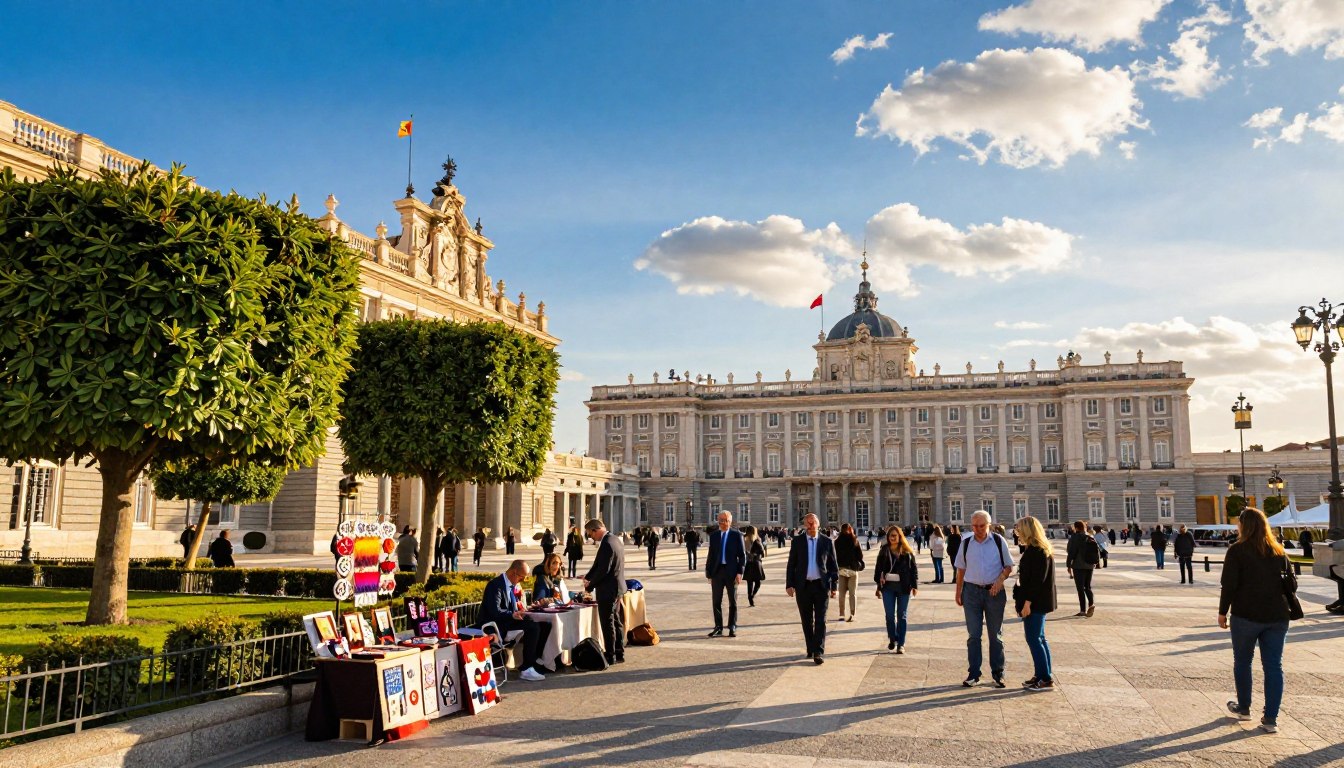
Visiting the majestic Royal Palace and its nearby treasures is a highlight of any trip to Spain’s capital. This massive neoclassical structure serves as the official residence for the Spanish monarchy. Even though the king and queen live elsewhere, the state still uses it for grand ceremonies.
The architecture of this monument is truly breathtaking. It sits on a high ridge overlooking the river valley, offering a commanding presence over the city’s western edge. You can spend hours simply admiring the detailed stone carvings and the scale of this historic site.
Exploring the Opulent Interior
Stepping inside the grand residence reveals a world of luxury that few places can match. You ‘ll find incredibly opulent rooms decorated with large chandeliers and gold accents. These details cover nearly every wall and ceiling, showcasing centuries of Spanish wealth and refined taste.
To see these wonders for yourself, you should buy your tickets in advance. This helps you skip the long lines that often form during the busy summer months. Most people prefer the official tour, which guides you through the Royal Armory and the massive Throne Room.
A standard tour takes about 90 minutes to complete. You can choose a guided group or use an audio guide for more flexibility. Both options provide fascinating stories about the paintings and decorative elements that fill these historic halls.
Campo del Moro Gardens
The free-to-access Campo del Moro gardens sit directly behind the palace. This lush garden offers a peaceful green space perfect for photos and relaxation. It provides a unique perspective of the royal palace from the valley below.
While walking the paths, you can enjoy views of the grand buildings that make up the complex. You might even spot a few peacocks wandering across the emerald lawns. It is a quiet escape that feels miles away from the busy streets of central Madrid.
Many visitors choose to visit these grounds after finishing their indoor palace visit. The shaded benches offer a great spot to rest your feet. It is the best place to capture the full scale of the residence in a single photograph.
Almudena Cathedral
Adjacent to the royal palace, the colossal Almudena Cathedral surprises every visitor who walks through its doors. While the outside looks traditional, the interior features modern artistic elements. The bright colors and geometric patterns on the ceiling create a stunning contrast with the Neo-Gothic style.
Entrance to the main cathedral is free, though a small donation is always welcome. You can explore the vast nave and admire the massive scale of the pillars. The modern stained glass windows let in beautiful patterns of light during the late afternoon.
Plaza de Ópera and Teatro Real
Just five minutes north of the residence, you arrive at Plaza de Ópera. This square is home to the 19th-century Teatro Real, one of the world’s most famous opera houses. It stands as a symbol of the cultural richness that surrounds the royal palace.
You can purchase tickets for a world-class performance or take a behind-the-scenes visit. These visits explain how the complex stage machinery works for modern shows. The square itself is a lively spot where street musicians often perform for the passing crowds.
Plaza Mayor and Puerta del Sol: Madrid’s Historic Squares
Exploring Madrid starts with the grand red facades of Plaza Mayor and the vibrant energy of Puerta del Sol. These two landmarks sit just a short walk from each other in the historic center. They act as the social and geographic hub of the entire city.
You can spend hours wandering between these spots and still find something new. Whether you want to enjoy a coffee or find the exact center of Spain, these squares offer it all. They represent the true soul of the Spanish capital.
Plaza Mayor – 400 Years of History
This grand square stands as one of Madrid’s most iconic landmarks. It boasts over 400 years of history etched into its red brick facades. You will find ornate balconies and elegant porticoes that create a perfectly symmetrical rectangular space.
This is the perfect place to see where Spanish life has unfolded for centuries. In the winter, the area is lit up with lovely lights and hosts a festive Christmas market. You can access the plaza mayor via beautiful arched entranceways that lead you into a different era.
The atmosphere remains unbeatable at all hours, even if it feels quite touristy. Strongly consider trying a famous bocadillo de calamares at one of the local bars. This traditional fried calamari sandwich is a staple for anyone visiting the plaza mayor for the first time.
Many visitors love to sit at the outdoor cafés under the porticoes. You can sip a tinto de verano while people-watching in the heart of the plaza mayor. It is a dynamic space that transforms from a quiet morning spot into a bustling evening destination.
Puerta del Sol – Kilometer Zero
Puerta del Sol functions as the absolute center point of the city. It is among the oldest areas and stays lively at any time of day or night. This square is the symbolic heart of both the capital and the nation.
You will find the famous Kilometer Zero marker on the ground here. This plaque marks the starting point for all major Spanish roads. Many people take photos of their feet on the stone to remember their journey to the plaza mayor and beyond.
The area features the beloved statue of El Oso y El Madroño. This bear and strawberry tree statue is the official symbol of Madrid. Nearby, the historic Clock at Casa de Correos draws massive crowds every New Year’s Eve to eat twelve grapes.
La Mallorquina Pastry Shop
Before leaving the area, you must visit La Mallorquina. This famous pastry institution has been in operation since the 1800s. It sits right on the edge of the square where many busy streets meet.
Be ready to push through the crowded shop for an authentic experience. You should try their signature chocolate napolitana or a sweet ensaimada. It is a delicious way to fuel up before you continue your walk through the historic district.
| Feature | Plaza Mayor | Puerta del Sol |
|---|---|---|
| Primary Vibe | Grand, historic, and symmetrical | Bustling, energetic, and central |
| Must-See Landmark | Statue of Felipe III | El Oso y El Madroño |
| Key Tradition | Calamari sandwiches | New Year’s Eve clock countdown |
| Historical Age | Over 400 years old | One of the oldest city sectors |
Gran Via: The Street That Never Sleeps
Often called Madrid’s “Broadway,” Gran Via is a magnificent avenue that showcases the true cosmopolitan spirit of the Spanish capital. This broad artery serves as the pulse of the city, connecting the historic center with the modern sprawl. Walking down this stretch feels like entering a movie set where regal elegance meets high-energy urban life.
While some compare it to Times Square, Gran Via maintains a much more sophisticated and timeless atmosphere. It is the perfect place to spend your time if you want to feel the real heartbeat of Madrid. The constant movement and bright lights ensure that there is never a dull moment on these famous streets.
Architecture and Buildings Along Gran Via
The architecture along Gran Via represents a stunning era of early 20th-century grandeur. As you walk, you will notice gleaming white limestone facades that create a majestic, canyon-like effect. These massive buildings tower over the sidewalks, showing off ornate details and elaborate carvings from a bygone era.
One of the most iconic buildings is the Metrópolis Building, which stands proudly at the corner of Calle de Alcalá. Its gold-leafed dome and striking statues make it one of the most photographed spots in the world. Walking here feels like stepping back into a time of great luxury and bold urban planning.
Shopping on Gran Via
For many visitors, shopping is the primary reason to visit this bustling thoroughfare. You will find everything from massive flagship stores of international brands to charming Spanish boutiques. It is a retail paradise that offers endless therapy for those looking to refresh their wardrobe or find unique gifts.
The street is home to one of the largest department stores in Europe and several historic theaters. You should budget extra time to explore the multi-story shops, as many are housed in beautifully restored interiors. Every corner offers something new, from high-street fashion to local craftsmanship.
| Activity Type | Top Recommendation | Best Feature |
|---|---|---|
| Retail | Primark Flagship | Historic interior design |
| Entertainment | Lope de Vega Theater | Spanish musical productions |
| Sightseeing | Metrópolis Building | Iconic gold-leafed dome |
Gran Via at Sunset and Night
Experiencing Gran Via at sunset is truly a magical moment that you will never forget. As the sky turns shades of pink and orange, the white stone reflects the golden light beautifully. It is easily the prettiest time to see the city skyline transform into a glowing masterpiece.
Once the sun disappears, the night life truly begins to pulse with even more energy. The street transforms into a river of neon and glowing windows that rivals the romance of Paris or New York. Seeing the avenue lit up at night gives you a sense of its old-world cosmopolitan style.
A full walk from Plaza de España to Plaza de Cibeles only takes about 20 minutes on foot. However, you should allow yourself much longer to soak in the incredible atmosphere. Whether you are hunting for deals or admiring the skyline, Gran Via never fails to impress its guests.
Retiro Park: Madrid’s Beautiful Green Escape
Escaping the urban noise is easy once you enter the gates of the magnificent Retiro Park. This massive natural oasis sits right in the heart of the city and gives off major Central Park vibes. It is a beloved sanctuary where you can forget you are in a bustling European capital.
Recently, this green space gained global recognition by joining the UNESCO World Heritage List. Together with the nearby Paseo del Prado, it represents the cultural soul of Madrid. It is truly the perfect place to spend a quiet afternoon away from the busy streets.
You will find the entrance is gorgeous and welcoming to all who visit. Many locals come here to breathe fresh air and enjoy the lush surroundings. Whether you want to exercise or nap, this park provides the ideal backdrop.
Crystal Palace and Gardens
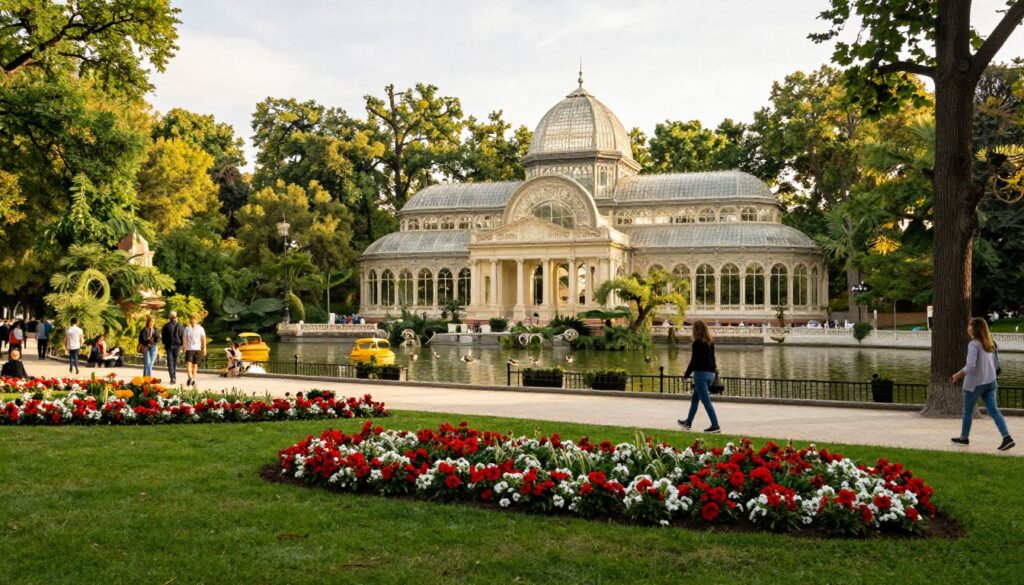
Deep inside the grounds, you will discover the enchanting Crystal Palace. This elegant structure, built in 1887, is made almost entirely of glass and metal. It reflects the sunlight beautifully across the surrounding waters and greenery.
Today, the palace serves as a unique venue for rotating art exhibitions. Walking inside feels like entering a transparent world where nature and art collide. The surrounding garden areas offer benches where you can sit and admire the architecture.
Photographers love this spot for its symmetry and classic Victorian style. It remains one of the most iconic landmarks within the retiro park grounds. Be sure to check the exhibition schedule before you arrive.
Monument to Alfonso XII and Lake
The park’s most famous feature is a picturesque lake that draws crowds throughout the day. Standing tall over the water is the magnificent Monument to Alfonso XII. This grand colonnade is a masterpiece of Spanish sculpture and design.
Many visitors choose to rent rowboats to glide peacefully across the water. It is a fantastic way to enjoy the sunshine while looking up at the historic statues. Spending time here allows you to appreciate the scale of this royal landscape.
The atmosphere at the lake is always lively and cheerful. You might hear street musicians playing Spanish guitar nearby. It is a wonderful spot to soak in the local culture while resting your feet.
Rose Garden and Hidden Pathways
If you head toward the back of the grounds, you will find the stunning Rosaleda. This rose garden explodes with color and fragrance during May and early June. It is the best time to see thousands of roses in full bloom.
Even if you visit later in the year, the landscaping remains perfectly maintained. The park is massive and filled with winding, hidden pathways that lead to secret fountains. You can easily get lost in nature while wandering through the various groves.
Wandering through these paths is the best way to discover the park’s hidden gems. Every turn reveals a new statue or a quiet corner for reflection. The retiro park truly rewards those who take the time to explore.
Activities in Retiro Park
There are countless ways to enjoy a relaxing day in this urban forest. You will see people having picnics on the grass or reading books under ancient trees. It is also a popular spot for runners and yoga enthusiasts seeking peace.
Because the park is so large, you should budget at least two to three hours for your visit. However, you could easily spend a whole afternoon discovering its many treasures. From people-watching to bird-watching, the retiro park never feels boring.
- Rowing: Rent a boat and see the Alfonso XII monument from the water.
- Picnicking: Join the locals and bring some snacks to enjoy on the grass.
- Art: Visit the Crystal Palace or Velázquez Palace for free exhibitions.
- Walking: Explore the many pathways that wind through the 350-acre grounds.
The retiro park offers something for everyone, whether you want adventure or quiet. It is an essential stop for any traveler who wants to see the authentic side of Madrid. Make sure to wear comfortable shoes so you can explore every corner of the retiro park comfortably.
| Park Landmark | Main Attraction | Best Feature |
|---|---|---|
| The Great Pond | Rowboat Rentals | Scenic Lake Views |
| Crystal Palace | Art Exhibitions | Glass Architecture |
| La Rosaleda | Flower Garden | Fragrant Rose Blooms |
| Casita del Pescador | Small House | Quiet Photography Spot |
Madrid’s World-Famous Art Museums
Exploring the vibrant streets of Madrid eventually leads every traveler to its world-renowned “Golden Triangle of Art.” This city is incredibly museum-heavy, offering a deep dive into centuries of human creativity. You will see why these institutions are the pride of the nation.
Visitors can easily spend days wandering through massive galleries filled with legendary masterpieces. It is a good idea to plan your schedule around the opening hours of each location. Smart travelers often look for a Madrid museum pass and tickets to save time and money.
Museo Nacional del Prado
The prado museum is the most important cultural institution in Spain. It is one of the greatest art museums on the planet. You can see a massive collection of European art here.
You should buy your prado museum tickets early to skip the long lines. This museum is famous for housing Spanish masters like Velázquez and Goya. Many people spend at least three hours exploring its vast halls.
Taking a guided tour is a great way to understand the history of the paintings. A professional tour helps you spot details you might miss on your own. You will love seeing “Las Meninas” in person at the prado museum.
The prado museum also features works by El Greco and Hieronymus Bosch. It is truly an essential stop for any traveler. Make sure to wear comfortable shoes because the prado museum is enormous.
Reina Sofía Museum
At the reina sofia, you will find the best collection of modern and contemporary works. This museum is located in a stunning former hospital building. It serves as a perfect contrast to the classical style of the Prado.
Inside the reina sofía, you’ll find Picasso’s famous painting, Guernica. This massive anti-war piece is the undisputed highlight for many visitors. You can feel the power of the art as you stand before it.
The reina sofia also displays masterpieces by Salvador Dalí and Joan Miró. It is a dream destination for lovers of the Spanish avant-garde. The reina sofía tells the story of 20th-century Spanish history through its galleries.
Don’t forget to check the upper floors of the reina sofia for rotating exhibitions. You’ll find unique installations that push the boundaries of modern art. The reina sofía experience is always fresh and exciting.
Thyssen-Bornemisza Museum
The Thyssen-Bornemisza completes the famous trio of museums in the city center. This private collection fills the gaps left by other institutions. It offers a wonderful journey from the 13th century to the late 20th century.
You can see Impressionist and Pop art works that are rare in other parts of Spain. A guided tour here provides a clear view of how painting styles changed over time. It is a very accessible museum for all ages.
Many visitors prefer the Thyssen because it is less crowded than the reina sofia. You can enjoy the art at your own pace. Be sure to book your tickets online to guarantee your entry time.
Banksy Museum
For a change of pace, the Banksy Museum offers a cool street art experience. This spot showcases the work of the mysterious artist whose identity remains unknown. It is not unique to Madrid, but it is definitely worth a visit.
A tour through these galleries feels like walking through the streets of London or New York. You will see satirical and political messages that reflect modern society. It is a great alternative to the more traditional museums nearby.
You can grab your tickets easily and spend about an hour inside. It is a fun way to wrap up your tour of the city’s art scene. The reina sofía may have the classics, but Banksy has the modern edge.
Exploring Madrid’s Diverse Neighborhoods
Discovering the soul of the Spanish capital requires a deep dive into its eclectic and vibrant neighborhoods. While the central landmarks are stunning, the true magic of Madrid resides in the unique personality of its various districts. As you wander, you will notice how the neighborhood feel changes from one block to the next.
Every corner of the city offers something special for visitors. The barrio las zones are filled with history and modern local life. From trendy shops to quiet literary corners like las letras, there is a place for everyone to enjoy. Exploring these areas allows you to see the authentic character that residents love so much.
Chueca – LGBTQ+ Friendly District
Chueca pulses with vibrant LGBTQ+ pride all year long. It is easily one of Madrid’s most welcoming and colorful areas. You will know you have arrived when you see rainbow flags and banners hanging from almost every balcony. This area celebrates diversity with a lively and flamboyant energy that is hard to match.
The neighborhood is packed with fun bars, trendy restaurants, and inclusive shops. It reaches its peak energy during the famous Pride Weekend festivities each summer. The atmosphere is always festive and open, making it a favorite spot for people seeking a progressive and friendly spirit in the heart of the city.
Malasaña – Hipster and Trendsetter Haven
Just a short walk away is Malasaña, a district with a rebellious and creative history. It earned its name honoring Manuela Malasaña, a brave 15-year-old seamstress. She became a symbol of Spanish resistance during the 1808 uprising. Today, that same independent spirit lives on through vintage shops and alternative cafes.
The streets around Fuencarral are perfect for those who love hipster fashion and unique places to shop. You will find many artists and young people gathering in laid-back coffee shops to share ideas. It is a great spot to experience local culture away from the typical tourist crowds. This district often reminds visitors of the historic charm found in the barrio las letras.
Lavapiés – Multicultural Madrid
Lavapiés represents the multicultural side of the city at its very best. This lively barrio las community mixes traditional Spanish customs with influences from all over the world. It creates a diverse tapestry of international restaurants and bustling street life. You will find this intercultural area conveniently located near the Reina Sofía museum.
Walking through the streets here is like taking a quick trip around the globe. You can smell spices from distant lands and hear many different languages. People love the sense of community and the affordable, delicious food found in the local markets. It is an essential stop for anyone wanting to see the true variety of modern Madrid.
Salamanca – Glamorous and Upscale
If you are looking for luxury, the barrio las Salamanca district is the place to be. This upscale neighborhood contrasts sharply with the bohemian vibes of other districts. It offers glamorous, tree-lined avenues where the city’s elite spend their time. Here, you will find high-end designer stores and some of the most refined restaurants in Spain.
The places here are perfect for luxury shopping and elegant people-watching. It is a very clean and quiet area compared to the bustling center. Even if you aren’t shopping for jewelry or couture, a walk through these streets is a lovely way to spend an afternoon. It provides a glimpse into the more sophisticated side of Madrid life.
Finally, no trip is complete without visiting the barrio las letras. Known as the Literary Quarter, this is where famous Spanish authors once lived and worked. You can still see literary quotes embedded in the sidewalks as you walk through las letras. It is a historic neighborhood that sits right near the Prado Museum and El Retiro Park.
| District Name | Main Vibe | Top Feature |
|---|---|---|
| Chueca | Inclusive & Lively | Rainbow Flags |
| Malasaña | Hipster & Trendy | Vintage Shops |
| las letras | Historic & Literary | Writer Quotes |
| Salamanca | Glamorous & Luxury | Designer Brands |
Whether you are exploring the barrio las letras or the chic boutiques of Salamanca, each district reveals a different facet of the city. Taking the time to visit these diverse places helps you understand why Madrid is so captivating. Make sure to keep your camera ready for the unique streets and friendly faces you will meet along the way.
El Rastro Flea Market: Sunday Shopping Tradition
Every Sunday, the streets of La Latina transform into a shopper’s paradise known as El Rastro, the city’s most iconic flea market. This massive outdoor bazaar is a true Madrid tradition that brings together locals and tourists alike. You will find hundreds, if not thousands, of vendors lining the sidewalks with unique treasures.
The market spreads across several main roads like Calle de Toledo and Calle de Embajadores. It also fills lively town squares such as Plaza de General Vara del Rey and Plaza de Campillo del Mundo Nuevo. This is the perfect place to soak in the local atmosphere while hunting for a bargain.
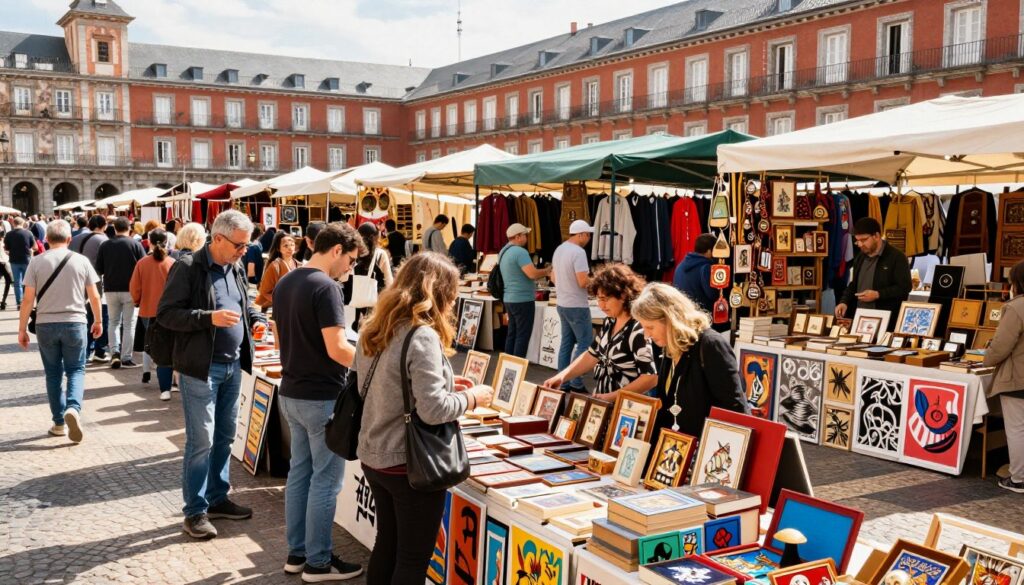
Most vendors set up their stalls around 9:00 am and stay until roughly 3:00 pm. It is best to arrive early in the day if you want to avoid the heaviest crowds. By mid-morning, the narrow streets become packed with people and energy, making navigation a bit slower but much more exciting.
Another early day visit allows you to have the first pick of the best items. You can find almost anything here, from vintage purses and handmade jewelry to quirky art and antiques. It is one of the best things to do for anyone seeking inexpensive souvenirs or a new favorite flea market outfit.
While the jewelry might not always be high-end, many of the clothing items are stylish and very affordable. Make sure you bring plenty of cash for your shopping adventure. Many vendors do not take credit cards, and having small bills makes the process much smoother. Don’t be afraid to haggle a bit, as negotiating is common at these types of markets.
Spending time at El Rastro is about more than just buying goods. It is a social event where friends gather to chat and enjoy the fresh air. Later in the day, follow the crowds to the nearby tapas bars in La Latina to grab a drink and a bite to eat.
This legendary Sunday event captures the heart of authentic Madrid life. It offers a unique look at the city’s culture that you won’t find in a standard shopping mall. Make sure to keep an eye on your belongings while you navigate the busy market and enjoy the vibrant scene.
| Category | Details | Expert Advice |
|---|---|---|
| Operating Hours | 9:00 AM to 3:00 PM | Arrive before 10:00 AM to beat the rush. |
| Payment Method | Primarily Cash | Carry small denominations for easier haggling. |
| Top Locations | Calle de Toledo & Plazas | Explore the side streets for better antiques. |
| What to Buy | Clothes, Art, Souvenirs | Look for local leather goods and vintage prints. |
Madrid Food Scene: Tapas, Markets, and Dining Culture
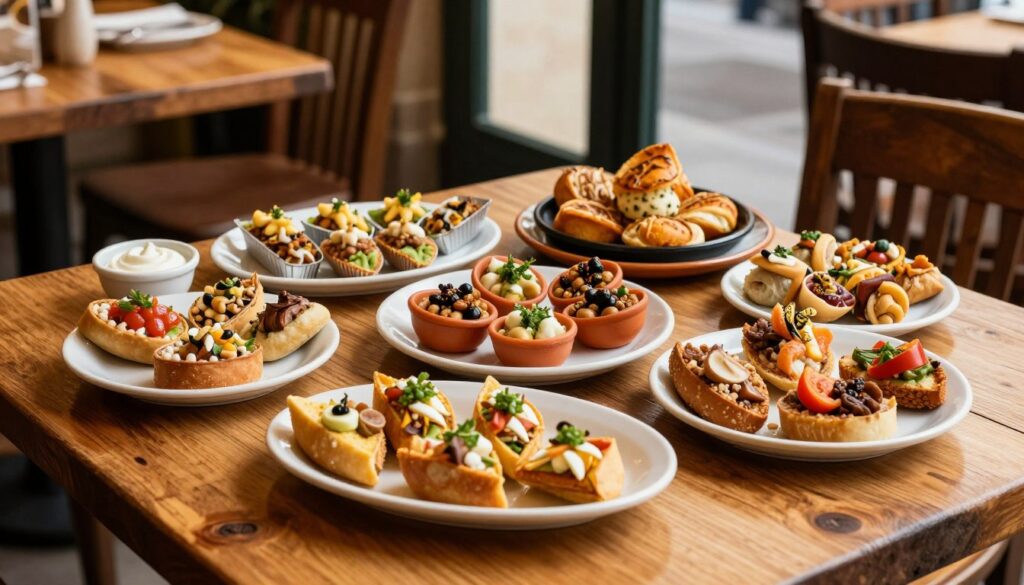
Tasting your way through Madrid’s bustling markets and historic bars is an essential part of the local experience. The food scene in the city ranks among the very best in Europe. It is built on a social culture where sharing is the main event.
Essentially, tapas are small plates of delicious snacks meant to be shared among friends. This style of dining turns every single meal into a lively celebration. You get to try many different flavors in one sitting without feeling too full.
Mercado de San Miguel
The Mercado de San Miguel is the city’s premier gastronomic destination. It is one of the most beautiful markets you will ever see. The elegant iron and glass architecture houses dozens of high-quality vendors.
Inside the san miguel market, you ‘ll find everything from fresh oysters to gourmet chocolate. It feels very similar to the famous Time Out Market in Chicago or Brooklyn. I spent a lot of time here just wandering from stall to stall.
The san miguel aesthetic is perfect for photos, but the tapas are the real stars. It is an ideal spot for indecisive travelers. You can grab a small bite of food from five different places in one hour. The san miguel market is truly a foodie paradise.
Traditional Tapas Bars in La Latina
If you want a more local vibe, head straight to the La Latina neighborhood. This area is famous for its tapas culture and historic narrow streets. It is widely considered the best “foodie” district for authentic Spanish food.
Many traditional bars here are standing-room only, especially on weekends. Locals gather after work to enjoy tapas and cold drinks. It is a convivial atmosphere where everyone feels like a friend. You should definitely join a tapas crawl here to see the best spots.
Understanding Spanish Dining Hours
To eat like a local, you must understand the unique Spanish hours. Spain operates on a much later schedule than the United States. Many restaurants do not even start serving breakfast until 10:00 am.
Lunch usually happens between 2:00 pm and 4:00 pm. However, the biggest surprise is dinner time. It is completely normal to start your dining experience at 9:00 pm or even 10:00 pm.
If you try to eat at 6:00 pm, you might find the tapas spots are mostly empty. Eating during these late hours prevents you from being marked as a typical tourist. It allows you to soak in the true energy of the city at night.
Must-Try Spanish Foods and Wines
There are certain flavors that define the food in this city. Joining a guided tour can help you navigate the menus. You will learn the cultural significance behind every bite of tapas you order.
Bocadillo de Calamares
The bocadillo de calamares is the quintessential Madrid street food. It is a simple sandwich filled with crispy fried calamari. You will find it in many bars around the historic Plaza Mayor.
This sandwich is unpretentious and very filling. It is the perfect snack while you are out exploring the city. Pair it with a cold drink for the ultimate tapas experience on the go.
Spanish Wine and Cava
Spain is world-famous for its deep red wines, but you should also try Cava. Cava is a Spanish sparkling white wine that tastes like a hybrid of wine and champagne. It is strong and refreshing, making it great with salty tapas.
Pretty much any wine you order here will be of high quality and reasonably priced. The wine culture is deeply integrated into daily life. You strongly should take the opportunity to sample different regions during your stay.
Flamenco Shows: Experience Authentic Spanish Culture
Immerse yourself in the raw emotion and rhythmic power of a traditional Spanish performance while exploring the capital. This art form represents the passionate heart of the nation through intense singing and complex guitar playing. Many visitors immediately recognize the iconic flamenco dresses with their tiered, ruffled designs and vibrant red colors.
Watching professional dancers move in these elaborate costumes adds massive visual drama to the experience. This show offers more than just movement; it captures the deep history of the Spanish people. You will feel the energy of every rhythmic hand clap and soulful vocal melody during your visit.
Best Flamenco Venues in Madrid
The most authentic experiences happen in intimate venues called tablaos rather than on large, distant stages. These smaller settings allow you to feel the dancers’ energy and hear the subtle notes of the guitar. Joining a specialized tour is a great way to find these hidden cultural gems in the city.
Top-rated venues offer a truly captivating atmosphere where the performance feels personal and raw. You can choose from popular options like Tablao “Las Tablas” or the famous Las Carboneras. These locations are essential stops on many cultural tours because they prioritize art over tourist-heavy spectacles.
You should consider buying tickets for “Emociones” or La Cueva de Lola to see world-class talent. A local guide can help you navigate these choices to ensure you see serious artists. Most tours include a drink, and some even offer a full dinner for a complete evening out.
Booking your tickets in advance is a smart move since these intimate venues fill up very quickly. Secure your tickets early to get the best view of the stage and the dancers’ footwork. This tour of Spanish rhythm will likely become the highlight of your entire vacation.
What to Expect at a Flamenco Performance
Expect your evening tour to last about an hour, showcasing various styles known as palos. The mood shifts from joyful and fast-paced to slow and melancholy throughout the show. This variety ensures you experience the full emotional range of this unique guide to Spanish history.
Most performances start between 9:00 and 11:00 PM, fitting perfectly into the local late-night culture. This is the best time to attend if you want to eat dinner like a local first. Many tours recommend arriving early to soak in the historic ambiance of the venue.
Please remember that venues often prohibit photography to maintain an intimate environment for the artists. Following these tours allows you to respect the tradition while making lasting memories. Spending your night watching a flamenco master is an authentic way to connect with the city’s spirit.
Rooftop Bars and Scenic Viewpoints
Gazing over the terracotta roofs and grand boulevards offers a perspective that street-level wandering simply cannot match. Madrid’s skyline transforms as you ascend, revealing the sprawling beauty of its historic architecture and green spaces.
Taking the time to see the capital from above helps you understand its layout and grandeur. Whether you want a luxury cocktail or a quiet park bench, the city offers several spots to enjoy the horizon.
RIU Plaza España 360º Rooftop
Hotel RIU Plaza España is a fancy hotel near Sol that hosts the most spectacular rooftop bar experience in town. This spot features a dramatic glass floor where you can look straight down at the traffic below while sipping expertly crafted drinks.
The circular design allows you to walk the entire perimeter of the building. This makes it an absolute must-visit place for sunset when the sky turns pink and orange over the elegant buildings. You can see the city spread out in every direction, providing incredible photo opportunities from every angle.
Since this popular spot draws heavy crowds, timing your visit is crucial. Arriving around 7:00 pm on weeknights usually means shorter waits at the elevator. We visited on a Sunday night at 7:00 pm and got in quickly, but the line was huge by 8:30 pm.
Temple of Debod at Sunset
The Temple of Debod offers a completely different kind of experience. This is an authentic 2nd-century B.C. Egyptian temple that was gifted to Spain and rebuilt in a local park. It creates surreal moments as ancient columns frame the modern skyline of the city.
You can still see hieroglyphics and sculptures inside the stone structures. Keep in mind that some carvings are not perfectly clear because workers had to transport and rebuild the temple. The area surrounding it provides beautiful elevated views without the high drink prices of rooftop lounges.
Many locals gather on the grass here to watch the sunset for free. It is a peaceful spot where you can see the sky change colors behind the Royal Palace. The reflection of the temple in the nearby water makes it a favorite for photographers.
Other Notable Viewpoints
Beyond the RIU and the temple, you ‘ll find other notable spots like the Círculo de Bellas Artes rooftop. This venue offers a cultural atmosphere along with wide panoramas of the city. It provides multiple options for capturing Madrid from above during a different time of day.
Budgeting some extra effort to reach these heights is always worth it. Seeing the white limestone buildings and grand boulevards from above provides a perspective you cannot get from the ground. These views will create lasting memories of your Spanish adventure.
Whether you choose a rooftop lounge or a historic park, the vertical side of Madrid is stunning. Make sure to check if certain bars require Madrid rooftop bars reservations during peak holiday seasons to ensure you get a seat.
Day Trips from Madrid You Shouldn’t Miss

Escaping the modern energy of the city for a day trip can transport you back through centuries of fascinating Spanish history. Taking these journeys opens up incredible opportunities to explore medieval Spanish cities that feel worlds away from the capital. These destinations are often just an hour or two away by bus or train.
Madrid serves as the perfect base for exploring the heart of Spain. You can easily add historic destinations to your itinerary without changing hotels. Most travelers find that these excursions provide a refreshing contrast to the busy atmosphere of the Gran Via.
Spending a few days exploring the surroundings reveals a different side of Spanish culture. You will find ancient stone walls, Roman ruins, and fairytale castles. These sites are well-preserved and offer a deep dive into the country’s rich heritage.
Toledo – Medieval Splendor
Toledo stands as the most popular choice for travelers leaving the capital for the afternoon. You will step back into medieval times while walking cobblestone streets beneath ancient stone arches. The architecture here is dramatically different from the neoclassical style you see in Madrid.
Booking a guided tour to this city proves worthwhile for any history lover. A knowledgeable guide can explain the fascinating history of Christian, Muslim, and Jewish coexistence. You will feel like you are stepping back in time as you explore the winding alleys.
We highly recommend finding a day excursion that includes tickets to the magnificent cathedral. This landmark is a masterpiece of Gothic design and holds incredible art treasures. Exploring the city with an expert ensures you do not get lost in the labyrinthine streets.
Segovia – Roman Aqueduct and Alcázar
Segovia offers another spectacular option for a memorable trip outside the city. It features one of Europe’s best-preserved Roman aqueducts that towers over the town center. It is a stunning sight to visit and serves as a testament to ancient engineering.
The city is also home to the fairytale Alcázar castle. This fortress reportedly inspired Disney’s Cinderella Castle with its pointed towers and deep moat. It is the perfect spot for anyone who loves architecture and legends.
Many tours from Madrid include tickets to enter the Alcázar. This allows you to see the royal chambers and enjoy panoramic views of the valley. It is a great way to spend one of your days in the region.
Ávila – Walled City
Ávila presents a compelling option with its completely intact medieval walls encircling the old town. These massive stone ramparts create one of Spain’s most photogenic historic sites. You can actually walk along the top of the walls to see the city from above.
The best way to experience this city is by joining a specialized tour. Walking the ramparts allows you to imagine life in medieval times. It is a peaceful destination that offers a truly unique atmosphere compared to the capital.
How to Book Day Trip Tours
The best way to maximize your time is by booking combination tours. These often visit both cities in one long day. This allows you to experience two UNESCO World Heritage sites without the hassle of arranging separate transport.
Most of these tours depart from central Madrid early in the morning. They use comfortable coaches and include an English-speaking guide to make the experience stress-free. You will usually return to the city by evening, just in time for dinner.
When booking, look for options that include entrance tickets to major sites. This saves you from waiting in long lines at the cathedral or castle. Using a professional guide ensures you learn the most important stories during your days of exploration.
These organized tours fit perfectly into a 3-5 day itinerary. They provide a tour experience that is both educational and relaxing. You can sit back and enjoy the scenery while someone else handles the driving.
Madrid’s Nightlife and Entertainment Scene
If you think you’ve seen nightlife, wait until you step into the streets of Madrid during the small hours of the morning. This city earns its legendary status by keeping the energy high until the sun literally peeks over the horizon. You will find people filling the streets and bars at 4:00 am as if it were midday.
The variety of the night scene ensures there is something for every mood and style. Each area of the center offers a different vibe, from historic taverns to modern dance floors. Exploring the nightlife here is not just an activity; it is a fundamental part of the local lifestyle that visitors must experience.
Wine and Cocktail Bars
Madrid operates on a late schedule, making it the perfect city for a relaxed evening crawl. You can start in the La Latina area, where traditional taverns serve excellent Spanish reds and crisp cava. Pretty much all wine in Madrid tastes fantastic, whether you choose a famous Rioja or a local house blend.
Walking around and popping into interesting places for a quick glass is a fun way to spend the evening. Many bars also offer creative cocktails using premium spirits and fresh ingredients. This casual wine culture allows you to sample different neighborhoods like Malasaña or Barrio de las Letras in a single evening.
Live Music and Jazz Venues
If you prefer a soulful atmosphere, the local live music scene offers incredible world-class performances. Venues like Café Central provide intimate settings where people can enjoy jazz while sipping a drink. These spots attract a sophisticated crowd of both locals and tourists looking for artistic flair.
You can find everything from indie rock bands to traditional Spanish guitarists throughout the center. These venues offer a great alternative to the loud clubbing scene. They allow for conversation and a deeper connection to the creative pulse of the Spanish capital.
Madrid’s Late-Night Culture
Understanding the local time is the secret to enjoying yourself like a true Madrileño. Locals typically enjoy dinner between 9:00 and 10:00 pm, so heading out too early marks you as a tourist. Clubs usually don’t even begin to fill up until 2:00 or 3:00 am.
Because the party lasts for so many hours, many visitors find that a late afternoon siesta is essential. This strategy gives you the stamina to keep up with the local nightlife until dawn. It is a unique experience to see the metro stations crowded with revelers just as the early commuters begin their day.
| Neighborhood | Best For | Vibe | Late-Night Level |
|---|---|---|---|
| Malasaña | Indie Music | Hipster & Alternative | High |
| Chueca | Dance Clubs | Inclusive & Vibrant | Very High |
| La Latina | Wine & Tapas | Traditional & Social | Medium |
| Sol | Mainstream Bars | Busy & Energetic | High |
Conclusion
Your upcoming exploration of this sun-drenched metropolis is sure to leave a lasting impression on your soul. Your trip promises to be truly unforgettable when you follow this comprehensive guide. It covers everything from iconic landmarks to the world-class museums that define the local culture.
Whether you are spending three days, five days, or a full seven days here, there are endless things madrid offers to discover. You can explore the grandeur of the Royal Palace or find intimate tapas bars in La Latina. Every type of traveler will find a unique experience that matches their specific interests.
The way the capital blends historic treasures with modern energy creates a unique European capital visit. You will feel enchanted by centuries-old architecture sitting right next to contemporary street life. This destination rewards both structured sightseeing and spontaneous wandering through its diverse districts.
Planning your travel using this guide helps you maximize your time in the madrid city. You can understand the best neighborhoods to explore and which tour options provide the greatest value. It is also wise to purchase tickets in advance for a popular tour, as having these tickets ready saves a lot of stress.
Remember that experiencing the city authentically means embracing the late dining hours and lingering over coffee. You should enjoy getting lost in winding streets and absorbing the local atmosphere. This way, you allow yourself to deviate from rigid plans when you find an inviting plaza or an intriguing bar.
The various tours, museums, and rooftop bars provide a great framework for your journey. However, the true magic of the city often reveals itself in unplanned moments between scheduled activities. You might find it while walking between a scheduled tour or observing the daily rhythm of the city during organized museum tours.
From your first glimpse of Plaza Mayor to your final sunset over Gran Via, this madrid city guide equips you. You will have everything needed to craft a trip filled with cultural enrichment and culinary delights. These authentic memories will likely inspire you to plan another visit in the future.
Engaging with local tours can give you a deeper perspective on the history of the winding streets. You might choose a walking tour to see the hidden gems or select specialized tours for art lovers. Each individual tour adds a new layer to your understanding of this magnificent and historic place.
Safe travel to everyone, and remember to pack your most comfortable walking shoes. Keep this guide handy as you navigate the streets and prepare to fall in love with the local charm. You ‘ll find yourself recommending this incredible experience to everyone back home once you return.