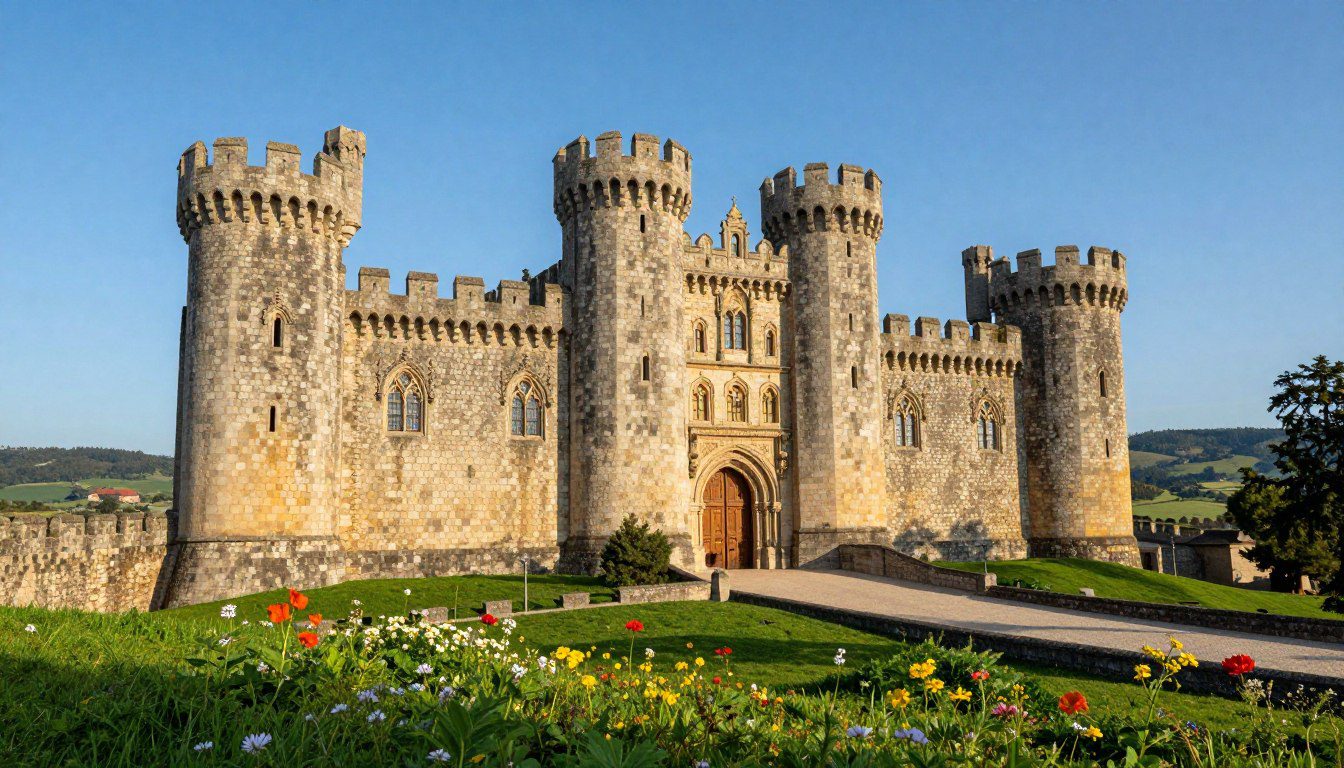
Visit Tomar Castle: A Must-See in Portugal
Are you planning an exciting trip to Southern Europe soon? You should definitely add this stunning site to your personal travel list. It is one of the most famous historic landmarks portugal offers to modern travelers today.
This ancient site tells a vivid story of brave knights and rich mystery. Walking through the tall stone gates feels like stepping back into the medieval era. It is truly a magical experience that connects you with the deep roots of the local culture.
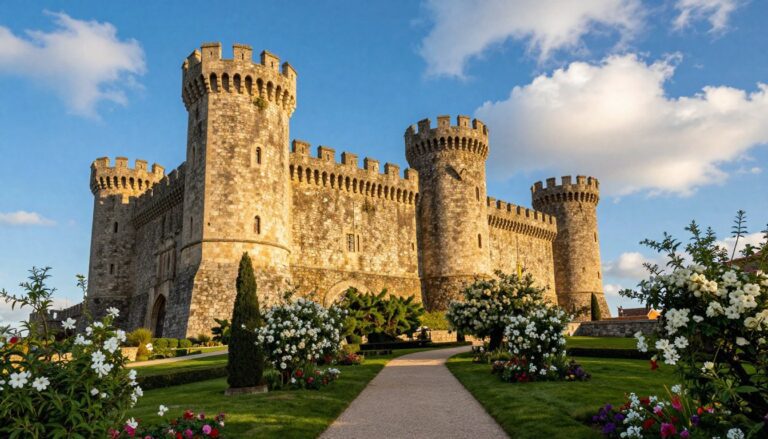
Visitors often enjoy the intricate architecture and peaceful gardens found within the heavy walls. Many travelers say that this destination provides a unique and fascinating look into a legendary world. The atmosphere here is warm and inviting for families and solo trekkers alike.
Make sure to bring your camera to capture the golden light on the old stones. Each hidden corner of this fascinating destination possesses a secret waiting for your discovery. Start your journey today and explore the wonders of this iconic heritage site.
Why Tomar Castle Should Be on Your Portugal Itinerary
Tomar Castle, a monumental testament to the Knights Templar’s legacy, is an unmissable destination on any Portugal itinerary. This historic stronghold is not just a relic of the past; it’s a vibrant testament to the country’s rich history and architectural heritage.
The castle’s association with the Knights Templar is a significant draw for history enthusiasts. As a Knights Templar stronghold, Tomar Castle played a pivotal role in the Order’s history in Portugal, serving as a military and spiritual center.
The historical significance of Tomar Castle is multifaceted. It was founded in 1160 by Gualdim Pais, a Portuguese knight who was part of the Knights Templar. Over the centuries, it has served various purposes, from a military fortress to a religious center, reflecting the changing tides of history.
One of the compelling reasons to visit Tomar Castle is its unique blend of architectural styles. The castle and its surrounding convent, the Convent of Christ, showcase a mix of Romanesque, Gothic, and Manueline styles, reflecting the various periods of its construction and renovation.
| Aspect | Description | Significance |
|---|---|---|
| Historical Significance | Founded in 1160 by Gualdim Pais as a Knights Templar stronghold | Pivotal in the history of the Knights Templar in Portugal |
| Architectural Style | Blend of Romanesque, Gothic, and Manueline styles | Reflects the various periods of construction and renovation |
| Tourist Attraction | UNESCO World Heritage Site since 1983 | Recognized globally for its cultural and historical importance |
In conclusion, Tomar Castle is more than just a historical site; it’s an immersive experience into Portugal’s rich cultural and historical tapestry. Its significance as a Templar castle and its architectural uniqueness make it a must-visit destination for anyone traveling to Portugal.
The Fascinating History of Tomar Castle Portugal
The history of Tomar Castle is a fascinating tale of military prowess, religious devotion, and cultural heritage. This castle, located in the heart of Portugal, has witnessed the rise and fall of empires, the evolution of architectural styles, and the transition from a military stronghold to a revered religious center.
The Knights Templar Stronghold: Origins in 1160
In 1160, Tomar Castle was founded by the Knights Templar, a military order known for their bravery and strategic prowess. The castle served as a crucial stronghold for the Templars, providing a secure base for their operations against the Moors.
Key features of the castle during this period included:
- Robust defensive walls and towers
- A strategic location that controlled access to the surrounding region
- A charola, or Templar rotunda, which served as a place of worship
From Military Fortress to Religious Center
Over the centuries, Tomar Castle underwent significant transformations. As the need for military strongholds diminished, the castle’s role evolved, and it became a prominent religious center. The Convent of Christ, built within the castle grounds, became a hub of religious activity.
The castle’s transition was marked by:
- The construction of additional religious buildings
- The incorporation of various architectural styles, reflecting the cultural influences of the time
- A shift in focus from military defense to religious and cultural practices
UNESCO World Heritage Recognition and Significance
In recognition of its historical and cultural significance, Tomar Castle was designated a UNESCO World Heritage site. This acknowledgment underscores the castle’s importance as a cultural and historical landmark.
The castle’s UNESCO status highlights its:
- Architectural uniqueness, blending various styles
- Historical significance as a Knights Templar stronghold and later as a religious center
- Cultural impact on the region and Portugal as a whole
Understanding the Castle’s Medieval Architecture
The medieval architecture of Tomar Castle is a fascinating blend of defensive and religious elements. This blend is a result of its complex history, having served both as a military stronghold and a religious center.
The Impressive Defensive Walls and Towers
The castle’s defensive walls and towers are a testament to its original purpose as a Knights Templar stronghold. The walls are robust and imposing, designed to withstand sieges and protect its inhabitants. The towers, strategically placed, provided vantage points for surveillance and defense.
Romanesque and Gothic Architectural Elements
Tomar Castle’s architecture is characterized by a mix of Romanesque and Gothic elements. The Romanesque style is evident in the simple and robust construction of the early buildings, while the Gothic elements introduce a level of complexity and ornamentation, reflecting the evolution of architectural styles over the centuries.
The Unique Charola: The Templar Rotunda
One of the castle’s most significant architectural features is the Charola, or Templar Rotunda. This unique and fascinating structure is a testament to the Templars’ architectural innovation and spiritual beliefs. The Charola’s design is characterized by its circular shape and intricate ornamentation, making it a standout example of Templar architecture.
Exploring the Tomar Convent of Christ Within the Castle Grounds
Nestled within the historic walls of Tomar Castle lies the magnificent Convent of Christ, a testament to Portugal’s rich medieval heritage. This architectural marvel is not just a significant historical landmark but also a reflection of the country’s cultural and religious evolution over the centuries.
The Convent of Christ is a masterpiece of medieval architecture, showcasing a blend of Romanesque, Gothic, and Manueline styles. Its construction began in the 12th century by the Knights Templar, and over the years, it has been embellished with various architectural elements, making it a unique cultural treasure.
The Manueline Window: Portugal’s Most Famous Architectural Detail
One of the Convent’s most striking features is the Manueline Window, an exemplary piece of Portugal’s most famous architectural detail. This intricate window is adorned with maritime motifs and symbols of the Age of Discoveries, reflecting the era’s spirit of exploration and cultural exchange.
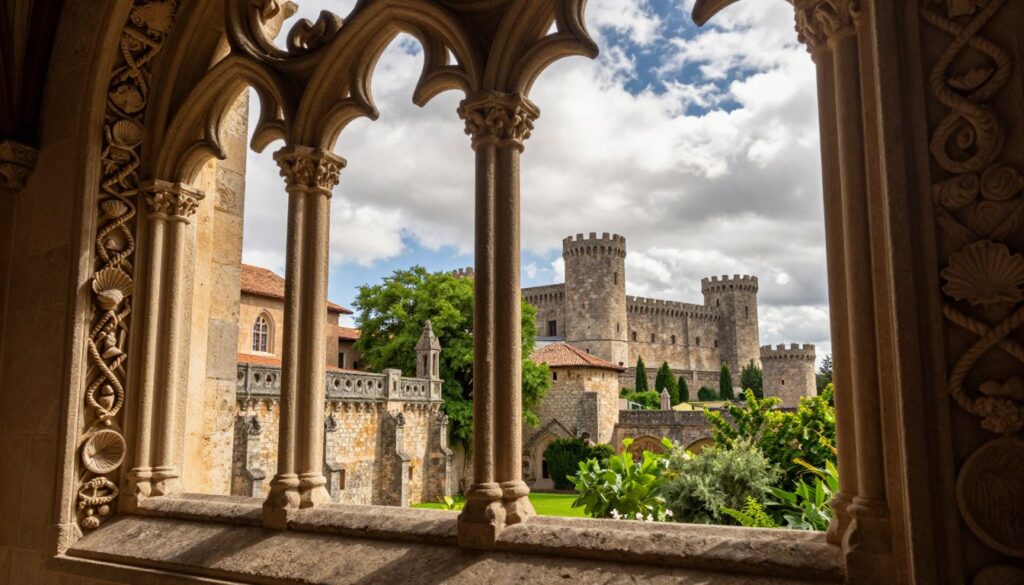
Eight Distinctive Cloisters to Discover
The Convent of Christ is home to eight distinctive cloisters, each with its unique character and historical significance. These cloisters, built over different periods, offer a serene atmosphere and a glimpse into the monastic life of the past.
Visitors can explore the varied architectural styles and the tranquil gardens within these cloisters, gaining insight into the spiritual and daily lives of the monks who once inhabited the Convent.
The Chapter House and Monastic Spaces
The Chapter House is another significant area within the Convent, known for its beautiful Manueline ornamentation and historical importance. It served as a meeting place for the monks to discuss important matters and make decisions.
Exploring the monastic spaces provides a deeper understanding of the daily routines and spiritual practices of the religious orders that lived within the Convent’s walls. These areas are rich in history and offer a unique perspective on the religious and cultural heritage of Portugal.
Top Historic Landmarks and Attractions Inside Tomar Castle
Within the walls of Tomar Castle lies a treasure trove of historical attractions waiting to be explored. This medieval fortress, steeped in templar castle history, is a must-visit destination for anyone interested in historic landmarks Portugal has to offer.
The Templar Church and Its Sacred Symbolism
The Templar Church, a central attraction within Tomar Castle, is renowned for its sacred symbolism and historical significance. This Romanesque church, built by the Knights Templar in the 12th century, features a unique octagonal design symbolizing the Templars’ connection to the Holy Land.
The church’s interior is adorned with intricate stone carvings and symbolic motifs, reflecting the Templars’ mystical and religious beliefs. Visitors can explore the church’s serene atmosphere, gaining insight into the spiritual practices of the Templar Order.
Walking the Castle Keep and Battlements
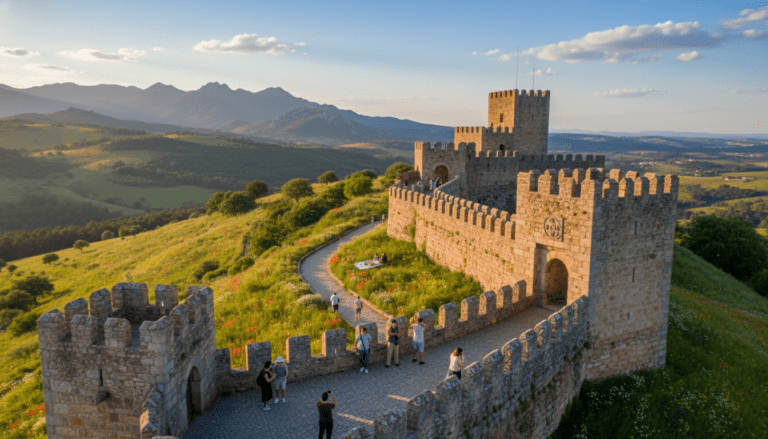
A visit to Tomar Castle is not complete without walking along its imposing keep and battlements. The castle’s defensive structures offer breathtaking views of the surrounding landscape and provide a glimpse into the military architecture of the medieval period.
As visitors stroll along the battlements, they can appreciate the strategic importance of the castle’s location and its role in defending against invaders. The panoramic views from the top are particularly stunning, making it a photographer’s paradise.
The Chapter Window and Manueline Ornamentation
The Chapter Window, a masterpiece of Manueline architecture, is another highlight within Tomar Castle. This exquisite window is adorned with intricate stone carvings, featuring maritime motifs and symbols of the Age of Discoveries.
The Chapter Window is considered one of Portugal’s most famous architectural details, showcasing the country’s rich cultural heritage. Visitors can marvel at the window’s beauty and learn about its historical context and significance.
The Peaceful Gardens and Interior Courtyards
Apart from its historical and architectural attractions, Tomar Castle also boasts serene gardens and interior courtyards. These peaceful spaces offer a tranquil retreat for visitors, allowing them to relax and reflect on the castle’s history.
The gardens and courtyards are meticulously maintained, featuring a variety of flora and architectural elements that add to the castle’s charm. They provide a serene contrast to the castle’s more imposing structures, creating a well-rounded visitor experience.
Planning Your Visit: Tickets, Hours, and Accessibility
A well-planned visit to Tomar Castle Portugal is key to enjoying its historical and cultural treasures. To make the most of your trip, it’s crucial to be informed about the practical aspects of visiting this significant site.
Before heading to this iconic tourist attraction in Tomar, Portugal, understanding the admission process, operating hours, and accessibility features can greatly enhance your experience.
Admission Prices and Available Ticket Options
Tomar Castle offers various ticket options to cater to different visitors. The admission prices are structured to accommodate various groups:
| Category | Admission Price |
|---|---|
| Adults | €12 |
| Reduced Rate (25-64 years with valid Portuguese residence permit) | €6 |
| Children under 14, Seniors over 65, and Special Days | Free |
Opening Hours and Seasonal Variations
The castle’s opening hours vary by season. Typically, it is open from 9:00 AM to 6:00 PM. However, it’s advisable to check the current hours before visiting as they can change.
Accessibility Information for All Visitors
Tomar Castle is committed to being accessible to all. The castle has pathways and facilities designed for visitors with mobility issues, ensuring an inclusive experience.
By being aware of these details, you can plan a more enjoyable and stress-free visit to this remarkable tourist attraction in Tomar, Portugal.
How to Get to Tomar Castle from Major Portuguese Cities
Reaching Tomar Castle is straightforward, with various transportation options available from major Portuguese cities. Whether you’re coming from Lisbon, Porto, or other nearby destinations, you can easily plan your trip to this historic site.
Traveling from Lisbon to Tomar
The journey from Lisbon to Tomar is approximately 140 kilometers and can be completed in about 1.5 hours by car via the A1 motorway. You can also take a train from Lisbon’s Santa Apolónia or Oriente stations to Tomar’s railway station, which is a convenient option. Trains are operated by Comboios de Portugal, and the journey takes around 2 hours.
Making the Journey from Porto
If you’re traveling from Porto to Tomar, the distance is about 200 kilometers, and the drive typically takes around 2 hours via the A1 motorway. You can also take a train from Porto’s Campanhã station to Tomar, although this may involve a change of trains at a major station like Coimbra. The train journey takes approximately 2.5 to 3 hours.
Getting Around Tomar and Reaching the Castle
Once you arrive in Tomar, getting to the Tomar Castle is relatively easy. The castle is located within the city, and you can walk there from the train station or your accommodation. Taxis and local buses are also available for shorter journeys. The castle’s proximity to the city center makes it an accessible destination for all visitors.
Insider Tips for Making the Most of Your Visit
Discover the secrets to an unforgettable Tomar Castle visit with our insider advice. To fully appreciate the rich history and stunning architecture of this historic landmark in Portugal, it’s essential to plan your visit strategically.
Best Times to Visit Throughout the Day and Year
Visiting Tomar Castle at the right time can significantly enhance your experience. Early morning or late afternoon visits are recommended to avoid the peak tourist hours and enjoy a more serene atmosphere. Additionally, consider visiting during the spring or autumn seasons when the weather is mild and pleasant, making it ideal for exploring the castle grounds and taking in the templar castle history.
The castle is open year-round, but the best time to visit is from March to October when the weather conditions are favorable. If you’re looking for a more peaceful experience, avoid visiting during national holidays and summer weekends when the site tends to be more crowded.
Photography Spots You Cannot Miss
Tomar Castle offers numerous breathtaking photography opportunities. The Charola, with its intricate stone carvings and stunning architecture, is a must-capture. The Manueline Window, a masterpiece of Portuguese architecture, is another iconic spot that should be on your photography list.
Don’t miss the opportunity to capture the castle’s imposing walls and towers from various angles, especially during the golden hour when the light adds a magical touch to your photos. The peaceful gardens and interior courtyards also provide a serene backdrop for your photography.
Choosing Between Guided Tours and Self-Guided Exploration
Deciding whether to opt for a guided tour or explore Tomar Castle on your own depends on your personal preference and what you hope to gain from your visit. Guided tours offer in-depth insights into the castle’s history, architecture, and significance, providing a richer understanding of the site.
On the other hand, self-guided exploration allows you to discover the castle at your own pace, spending as much time as you wish at each location. With the help of informational signage and mobile guides, you can still gain a comprehensive understanding of the castle’s history and importance.
- Guided tours are ideal for those who want detailed historical context and expert insights.
- Self-guided tours offer flexibility and the ability to explore at your own pace.
Other Tourist Attractions in Tomar Portugal Worth Exploring
While Tomar Castle is a must-visit, the city itself holds many more secrets and attractions that showcase its rich history and charm. Tomar, Portugal, is a city that seamlessly blends its historical heritage with modern-day vibrancy, offering visitors a plethora of experiences.
The Charming Historic Town Center
The historic town center of Tomar is a maze of narrow streets and picturesque alleys, lined with buildings that date back centuries. Visitors can stroll through the town, taking in the architectural beauty and historical significance of the area. The town center is also home to numerous shops, cafes, and restaurants, making it a perfect place to spend an afternoon.
Igreja de São João Baptista and Praça da República
Igreja de São João Baptista, located in the heart of Tomar on Praça da República, is one of the city’s most important religious landmarks. This church is known for its beautiful architecture and historical significance, making it a must-visit for anyone interested in history and culture. Praça da República, the square in which the church is situated, is a bustling hub of activity, surrounded by cafes and shops.
The church’s architecture is a fine example of the Manueline style, with intricate details that reflect the rich cultural heritage of Portugal. Visitors can admire the church’s facade and interior, and take a moment to appreciate the tranquility of Praça da República.
The Impressive Aqueduct of Pegões
The Aqueduct of Pegões is another significant landmark in Tomar, showcasing the engineering prowess of the 16th century. This impressive structure, built to supply water to the Convent of Christ within Tomar Castle, stretches over 6 kilometers and is an engineering marvel of its time.
Visitors can walk along parts of the aqueduct, enjoying the scenic views and learning about its history. The Aqueduct of Pegões is not only an impressive feat of engineering but also a testament to the historical significance of Tomar as a major religious and cultural center.
| Attraction | Description | Location |
|---|---|---|
| Historic Town Center | A charming area with narrow streets and historical buildings | Central Tomar |
| Igreja de São João Baptista | A significant religious landmark with Manueline architecture | Praça da República |
| Aqueduct of Pegões | A 16th-century aqueduct showcasing engineering prowess | Pegões, Tomar |
Conclusion
Tomar Castle Portugal is a testament to the country’s rich history and architectural heritage. As explored throughout this article, the castle’s fascinating history, stunning medieval architecture, and significant cultural importance make it a must-visit destination in Portugal.
From its origins as a Knights Templar stronghold to its current status as a UNESCO World Heritage Site, Tomar Castle has captivated visitors for centuries. The castle’s unique blend of Romanesque, Gothic, and Manueline styles, along with its impressive defensive walls and towers, offers a glimpse into Portugal’s storied past.
Whether you’re a history buff, architecture enthusiast, or simply looking to explore one of Portugal’s most iconic landmarks, Tomar Castle is sure to leave a lasting impression. So why not start planning your visit to Tomar Castle Portugal today and experience the magic of this incredible destination for yourself?