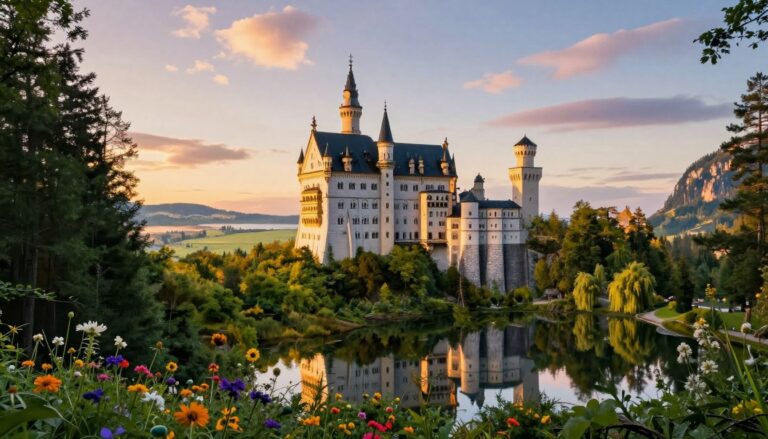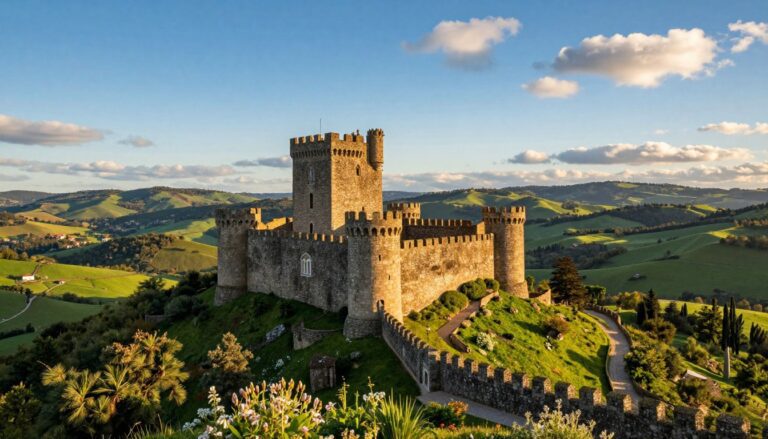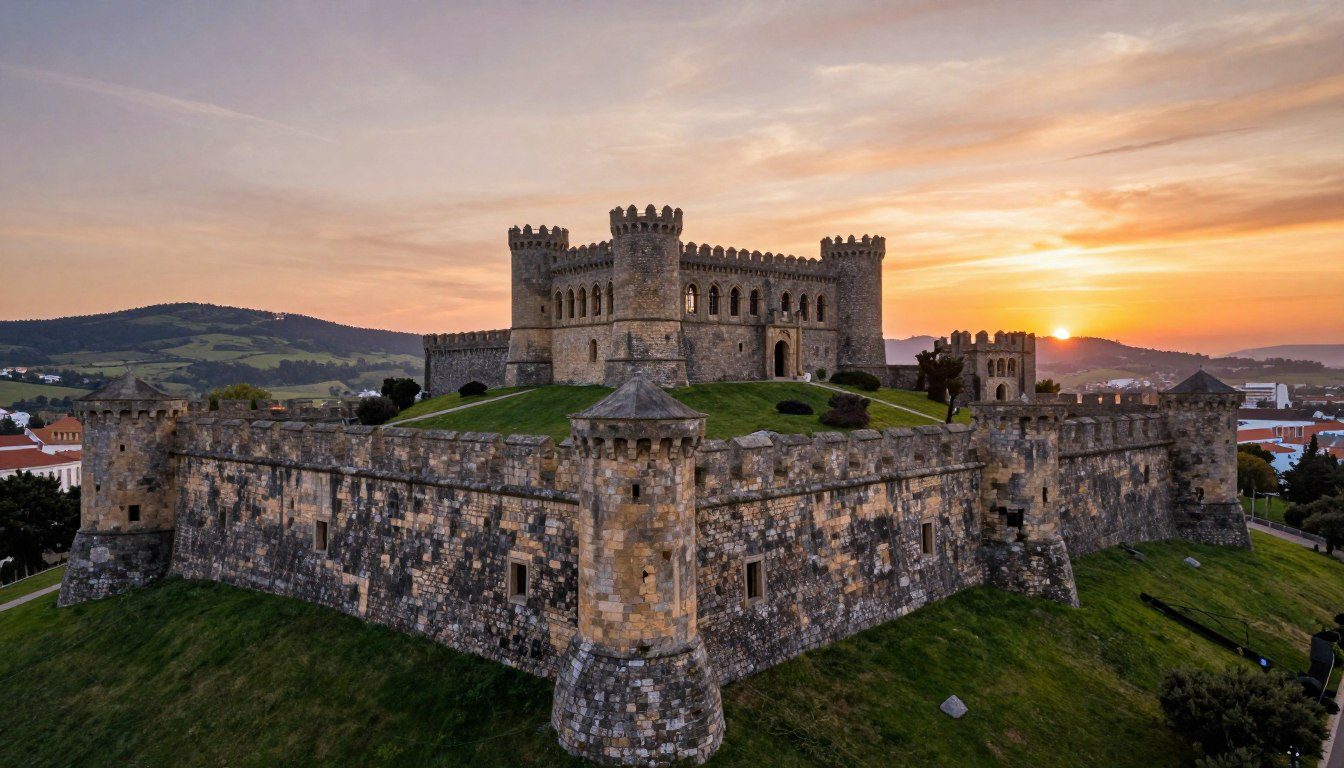
Top Castles to Visit in Portugal
Portugal is renowned for its iconic fortresses that dot the landscape, telling tales of a rich history and architectural grandeur. These medieval structures, with their stone walls and towers, are a testament to the country’s strategic importance throughout the centuries. Visitors from around the world are drawn to these historic sites, eager to explore their grandeur and significance.
From the moment you step into one of these fortified castles, you’re transported back in time. Each castle has its unique story, reflecting the era and culture of its builders. Whether you’re a history buff, an architecture enthusiast, or simply a curious traveler, Portugal’s castles offer a journey through time, showcasing the country’s diverse heritage.
Key Takeaways
- Discover Portugal’s most impressive castles
- Explore the historical significance of these fortresses
- Learn about the architectural styles that define them
- Find out which castles are considered must-visit destinations
- Get insights into the cultural impact of these medieval structures
The Rich History of Portuguese Castles
Portugal’s historic fortresses are a testament to the country’s rich and complex history. These structures not only reflect the architectural styles of their time but also tell the story of Portugal’s strategic importance and cultural heritage.
The Moorish Influence on Portuguese Fortifications
The Moorish occupation of the Iberian Peninsula left a lasting legacy on the architecture of Portuguese castles. Many of these fortifications were originally built by the Moors, who introduced advanced engineering techniques and distinctive design elements such as the use of taipa (rammed earth) and azulejos (glazed tiles).
The influence of Moorish architecture can be seen in the layout and design of many Portuguese castles, particularly in the Algarve region. The use of merlons and embrasures for defensive purposes, as well as the incorporation of Islamic geometric patterns, adds to the unique character of these historic sites.
The Role of Castles in the Reconquista
During the Reconquista, the Christian reconquest of the Iberian Peninsula from the Moors, castles played a crucial role as military outposts and strongholds. They were used to secure key territories and to launch further campaigns against Moorish-controlled areas.
The strategic importance of these castles cannot be overstated, as they often served as the frontline defense against invading forces. Their location on hilltops or near important rivers made them ideal for surveillance and defense.
Medieval Architecture and Defensive Innovations
As medieval warfare evolved, so too did the architecture of Portuguese castles. The introduction of new defensive technologies and strategies led to innovations such as the use of keep towers and moats. These features significantly enhanced the defensive capabilities of the castles, making them more secure against siege warfare.
The architectural style of these castles also reflects the influence of various military orders, such as the Knights Templar, who played a significant role in the construction and defense of many of these fortifications.
Castelo de São Jorge: Lisbon’s Iconic Fortress
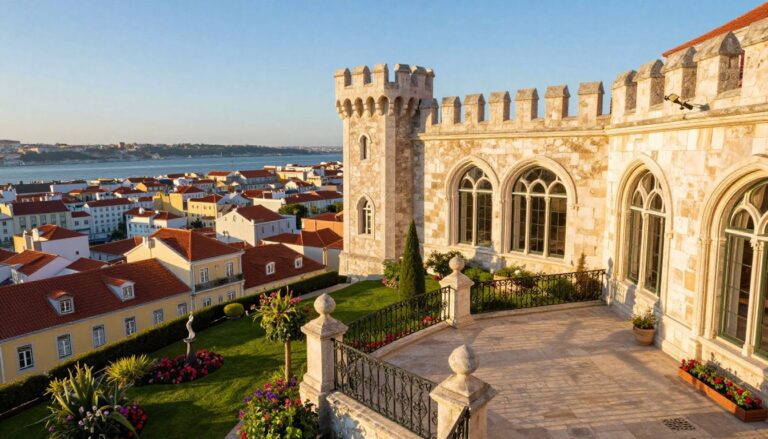
Among Portugal’s top castle destinations, Castelo de São Jorge in Lisbon stands out for its historical significance and panoramic views. This ancient fortress has been a silent witness to the city’s evolution, from its Moorish origins to its current status as a beloved historical landmark.
Historical Significance and Moorish Origins
Castelo de São Jorge’s history dates back to the Moorish occupation in the 11th century. The castle’s strategic location made it a crucial stronghold during the Reconquista. Visitors can explore the castle’s Moorish roots through its architecture and the remnants of the old walls.
Panoramic Views of Lisbon
One of the highlights of visiting Castelo de São Jorge is the breathtaking view it offers of Lisbon. From its ramparts, visitors can see the Tagus River, the city’s historic neighborhoods, and the picturesque rooftops. It’s a perfect spot for photography and taking in the city’s layout.
Visitor Information and Nearby Attractions
Castelo de São Jorge is open to visitors throughout the year, with guided tours available in multiple languages. Here is some practical information for planning your visit:
| Information | Details |
|---|---|
| Opening Hours | 9:00 AM – 9:00 PM (April – September), 9:00 AM – 6:00 PM (October – March) |
| Ticket Price | $15 ( Adults), $7.50 (Concessions) |
| Nearest Metro | Santa Justa Lift (follow signs to the castle) |
| Nearby Attractions | Lisbon Cathedral, Alfama Neighborhood |
After visiting the castle, exploring the nearby Alfama neighborhood is highly recommended. Its narrow streets, Fado music, and historic sites make it a charming area to wander.
Pena Palace: A Romantic Masterpiece in Sintra
Pena Palace, located in the picturesque town of Sintra, is a breathtaking example of Romantic architecture in Portugal. This stunning palace is a must-visit attraction for anyone exploring Portuguese castles.
The Colorful Architecture and Design
The vibrant colors and eclectic design of Pena Palace make it a standout among Portugal’s historical monuments. The palace’s architecture is a mix of Manueline, Gothic, and Moorish styles, creating a unique visual experience. The use of bright colors and intricate details adds to its charm, making it a photographer’s paradise.
Royal History and Cultural Significance
Pena Palace has a rich royal history, having served as a summer residence for the Portuguese royal family in the 19th century. The palace’s cultural significance extends beyond its architecture, representing the Romantic era’s influence on Portuguese culture. Visitors can explore the palace’s opulent interiors, gaining insight into the lives of Portugal’s royal family.
Exploring the Palace Grounds and Gardens
The grounds and gardens of Pena Palace are just as impressive as the palace itself. Visitors can wander through the lush forests, exploring the various pathways and taking in the stunning views of the surrounding landscape. The palace grounds offer a serene atmosphere, perfect for those looking to escape the hustle and bustle of daily life.
In conclusion, Pena Palace is a true gem among Portugal’s castles, offering a unique blend of history, architecture, and natural beauty. As one of the must-visit castles in Portugal, it is an essential stop for anyone looking to explore the country’s rich cultural heritage.
The Best Castles in Portugal for History Enthusiasts
For those fascinated by history, Portugal offers a plethora of castles that are steeped in rich historical narratives. These structures not only showcase the country’s architectural prowess but also provide a glimpse into its complex past.
Castelo de Óbidos: The Wedding Gift Castle
Castelo de Óbidos is one of Portugal’s most iconic castles, known for its picturesque setting and historical significance. This medieval castle has been used as a royal residence and even a wedding gift from King Denis to his wife, Queen Elizabeth. Its well-preserved architecture and charming surroundings make it a must-visit for history enthusiasts.
The castle’s history dates back to the Moorish occupation, and it played a significant role during the Reconquista. Visitors can explore its walls, towers, and the church within its premises.
Castelo de Guimarães: Birthplace of Portugal
Castelo de Guimarães is another historical gem that is often referred to as the birthplace of Portugal. This castle was crucial in the country’s fight for independence from the Kingdom of León. Its robust structure and strategic location made it a key stronghold during the medieval period.
The castle’s architecture is a testament to its historical importance, with features such as thick walls and a keep. Visitors can also explore the surrounding historic town of Guimarães, which is a UNESCO World Heritage Site.
Castelo de Almourol: The Island Fortress
Located on the Tagus River, Castelo de Almourol is a striking example of a medieval fortress. Its picturesque setting on a granite outcrop makes it a unique historical site. The castle’s history is tied to the Knights Templar, and it has been well-preserved over the centuries.
Visitors can take a boat tour to reach the castle and enjoy its stunning views of the surrounding landscape. The castle’s architecture and the river’s tranquil waters create a captivating experience for history enthusiasts.
| Castle | Historical Significance | Must-see Features |
|---|---|---|
| Castelo de Óbidos | Used as a royal residence and wedding gift | Well-preserved architecture, charming surroundings |
| Castelo de Guimarães | Birthplace of Portugal, crucial in the fight for independence | Thick walls, keep, surrounding historic town |
| Castelo de Almourol | Tied to the Knights Templar, picturesque setting | Stunning views of the Tagus River, unique granite outcrop |
These castles are not just relics of the past; they are living testaments to Portugal’s rich history and cultural heritage. Visiting them provides a unique opportunity to step back in time and experience the country’s medieval past.
“The castles of Portugal are a window into the soul of the nation, revealing its history, its struggles, and its triumphs.”
Northern Portugal’s Medieval Treasures
For those interested in exploring Portugal’s rich medieval heritage, the northern region offers a trio of castles that are not to be missed. These medieval treasures not only showcase the region’s historical significance but also highlight the architectural prowess of the time.
Castelo de Bragança: The Border Sentinel
Castelo de Bragança stands as a testament to the region’s strategic importance during the medieval period. This 12th-century fortress was crucial in defending against invaders from neighboring Spain. Its robust walls and towers still evoke the sense of a bygone era.
- Strategically located on a hilltop
- Features a mix of Romanesque and Gothic architectural styles
- Offers panoramic views of the surrounding landscape
Castelo de Santa Maria da Feira: The Oldest Castle
Dating back to the 11th century, Castelo de Santa Maria da Feira is one of Portugal’s oldest castles. Its historical significance is matched by its architectural grandeur, featuring a unique blend of Romanesque and Gothic styles. Visitors can explore the castle’s towers and battlements, gaining insight into medieval military architecture.
Castelo de Montalegre: The Remote Fortress
Perched in the mountains, Castelo de Montalegre is a remote fortress that has witnessed centuries of history. This medieval stronghold played a pivotal role in the region’s defense against foreign invaders. Today, it stands as a monument to the region’s rich cultural heritage, attracting visitors from around the world.
The castles of Northern Portugal are a must-visit for anyone fascinated by medieval history and architecture. Each castle offers a unique glimpse into the past, making them among the top castle destinations in Portugal.
Central Portugal’s Historic Fortifications
Central Portugal is home to some of the most impressive and historic fortifications in the country. The region’s strategic location made it a crucial area for defense throughout history, resulting in the construction of numerous castles that still stand today.
One of the most notable castles in Central Portugal is Castelo de Leiria, known as “The Royal Residence.” This castle played a significant role in the history of Portugal, serving as a royal residence during the 12th to 14th centuries. Its architecture reflects various styles, from Romanesque to Gothic, showcasing the evolution of medieval fortifications.
Castelo de Leiria: The Royal Residence
Castelo de Leiria is not only historically significant but also offers stunning views of the city of Leiria and the surrounding landscape. Visitors can explore the castle’s well-preserved walls and towers, gaining insight into the lives of the royalty who once resided there.
Castelo de Tomar: Knights Templar Legacy
Another iconic castle in Central Portugal is Castelo de Tomar, a testament to the Knights Templar legacy in Portugal. Built in the 12th century, this castle is one of the best-preserved Templar strongholds in Europe, featuring unique architectural elements such as the Charola (a circular church).
The castle’s history is deeply intertwined with the Order of Christ, which succeeded the Knights Templar. Visitors can explore the castle’s complex, including the Convent of Christ, a UNESCO World Heritage Site.
Castelo de Porto de Mós: The Gothic Wonder
Castelo de Porto de Mós is another significant fortification in the region, known for its Gothic architecture. This 14th-century castle stands out for its well-preserved keep and walls, offering panoramic views of the surrounding countryside.
To better understand the historical context and significance of these castles, let’s examine some key facts in the following table:
| Castle | Century Built | Notable Features |
|---|---|---|
| Castelo de Leiria | 12th | Royal residence, mixed architectural styles |
| Castelo de Tomar | 12th | Knights Templar legacy, Charola circular church |
| Castelo de Porto de Mós | 14th | Gothic architecture, well-preserved keep |
Central Portugal’s castles are a treasure trove of history, architecture, and natural beauty, making them a must-visit for anyone interested in exploring Portuguese castles. Whether you’re on a castle tours Portugal or simply exploring the region, these fortifications are sure to leave a lasting impression.
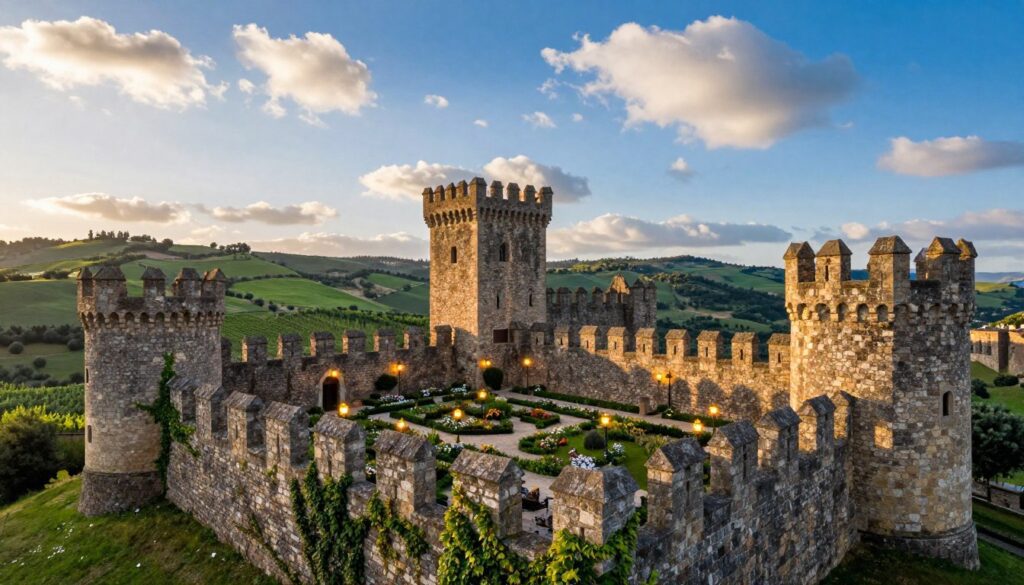
Alentejo and Algarve’s Stunning Strongholds
Portugal’s Alentejo and Algarve regions boast an array of stunning strongholds that are a must-visit for any castle enthusiast. These regions are rich in history and offer a glimpse into Portugal’s medieval past through their well-preserved castles.
Castelo de Marvão: The Eagle’s Nest
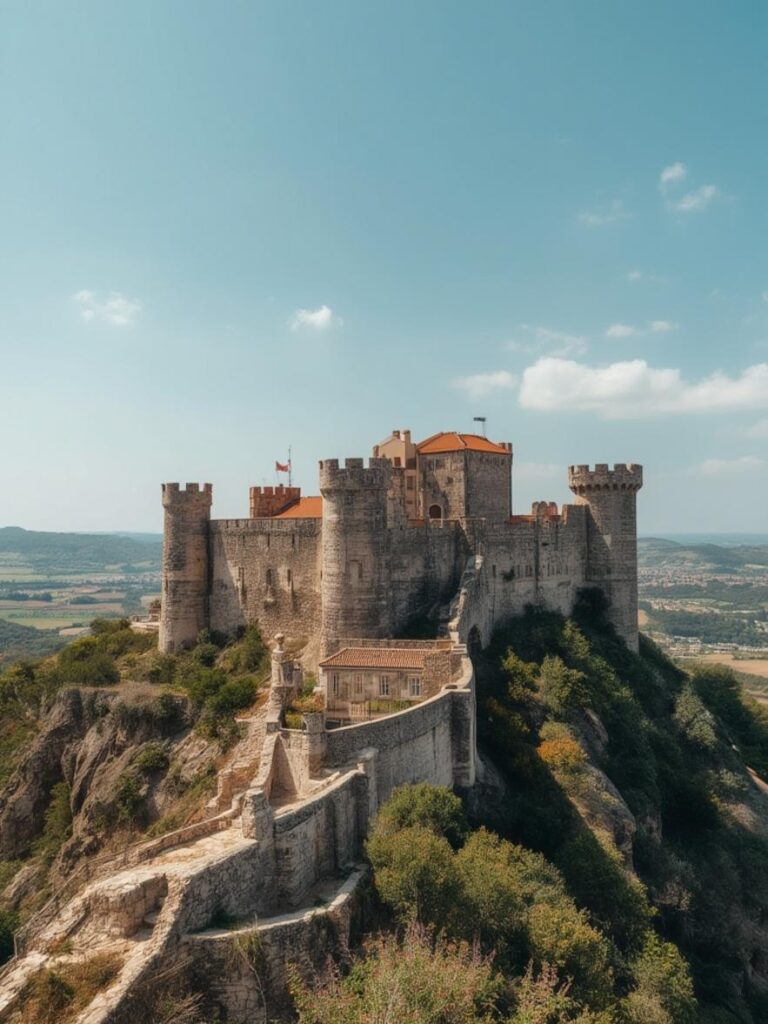
Perched atop a granite crag, Castelo de Marvão is a striking example of medieval military architecture. This 13th-century castle is known for its impressive walls and towers, offering breathtaking views of the surrounding landscape. Visitors can explore the castle’s battlements and enjoy the panoramic views, making it a highlight of any trip to Alentejo.
Castelo de Monsaraz: The Whitewashed Fortress
Castelo de Monsaraz is another gem in the Alentejo region, famous for its whitewashed houses and the imposing castle that dominates the village. The castle’s origins date back to the 14th century, and it has been beautifully restored. Visitors can wander through the castle’s walls and enjoy the stunning views of the Guadiana Valley.
Castelo de Silves: The Red Sandstone Marvel
Located in the Algarve region, Castelo de Silves is a striking red sandstone fortress that dates back to the Moorish occupation. The castle’s architecture is a testament to the region’s rich cultural heritage, with its robust walls and imposing towers. Visitors can explore the castle’s museum and enjoy the views from its battlements.
The castles in Alentejo and Algarve are not just historical monuments; they are gateways to understanding Portugal’s rich cultural and military history. Here is a comparison of these three castles:
| Castle | Region | Century Built | Notable Feature |
|---|---|---|---|
| Castelo de Marvão | Alentejo | 13th | Panoramic views from its battlements |
| Castelo de Monsaraz | Alentejo | 14th | Whitewashed houses and village views |
| Castelo de Silves | Algarve | Moorish period | Red sandstone architecture |
Each of these castles offers a unique experience, from the rugged landscape of Castelo de Marvão to the historical significance of Castelo de Silves. They are must-visit destinations for anyone interested in exploring Portugal’s medieval heritage.
Practical Tips for American Travelers Visiting Portuguese Castles
American travelers can discover the magic of Portugal’s castles, from Moorish fortresses to romantic palaces. To make the most of your trip, it’s essential to plan ahead.
Best Seasons and Times to Visit
The best time to visit Portugal’s castles is during the spring (March to May) and autumn (September to November), when the weather is mild and pleasant. Summer can be quite hot, especially in the Alentejo region, while winters are generally mild but can be rainy.
Transportation Options from Major Cities
Portugal has a well-connected transportation network. You can reach most castles by car, bus, or train. For instance, Lisbon’s Castelo de São Jorge is easily accessible by public transport, while castles in more remote areas like Marvão might require renting a car.
| Castle | Nearest City | Transportation |
|---|---|---|
| Castelo de São Jorge | Lisbon | Public Transport (Bus/Tram) |
| Castelo de Marvão | Portalegre | Car or Private Tour |
| Pena Palace | Sintra | Train and Bus |
Guided Tours and Language Considerations
Guided tours can enhance your experience, providing insights into the history and significance of the castles. Many tour companies offer English-speaking guides.
Recommended Tour Companies
- Viator
- GetYourGuide
- Gray Line Portugal
English-Speaking Guide Availability
Most major castles have English-speaking guides available. It’s advisable to check in advance, especially during peak season.
Photography Tips and Etiquette
When photographing, be respectful of other visitors and any rules in place at the castle. Early morning and late afternoon are ideal times for capturing stunning photos without harsh light.
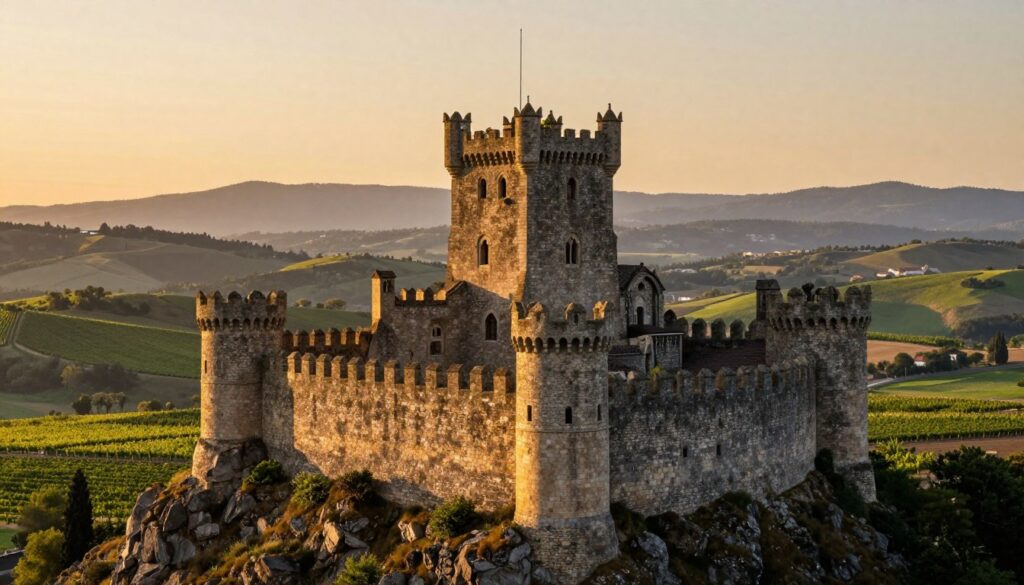
Conclusion: The Timeless Appeal of Portugal’s Magnificent Castles
Portugal’s historic fortresses are a testament to the country’s rich history and architectural heritage. From the Moorish-influenced Castelo de São Jorge in Lisbon to the romantic Pena Palace in Sintra, each castle offers a unique glimpse into the past. As we’ve explored throughout this guide, these top castle destinations in Portugal are not just relics of a bygone era but vibrant cultural landmarks that continue to captivate visitors from around the world.
The historic fortresses of Portugal are a treasure trove of medieval architecture, defensive innovations, and royal history. Whether you’re a history enthusiast, an architecture buff, or simply a traveler looking for inspiration, Portugal’s castles have something to offer. As you plan your trip to explore these magnificent sites, you’ll discover that each castle is a window into the country’s storied past, offering breathtaking views, cultural significance, and unforgettable experiences.
With their timeless appeal, Portugal’s castles are sure to leave a lasting impression on all who visit. So why not start planning your journey to discover the magic of these historic fortresses in Portugal?