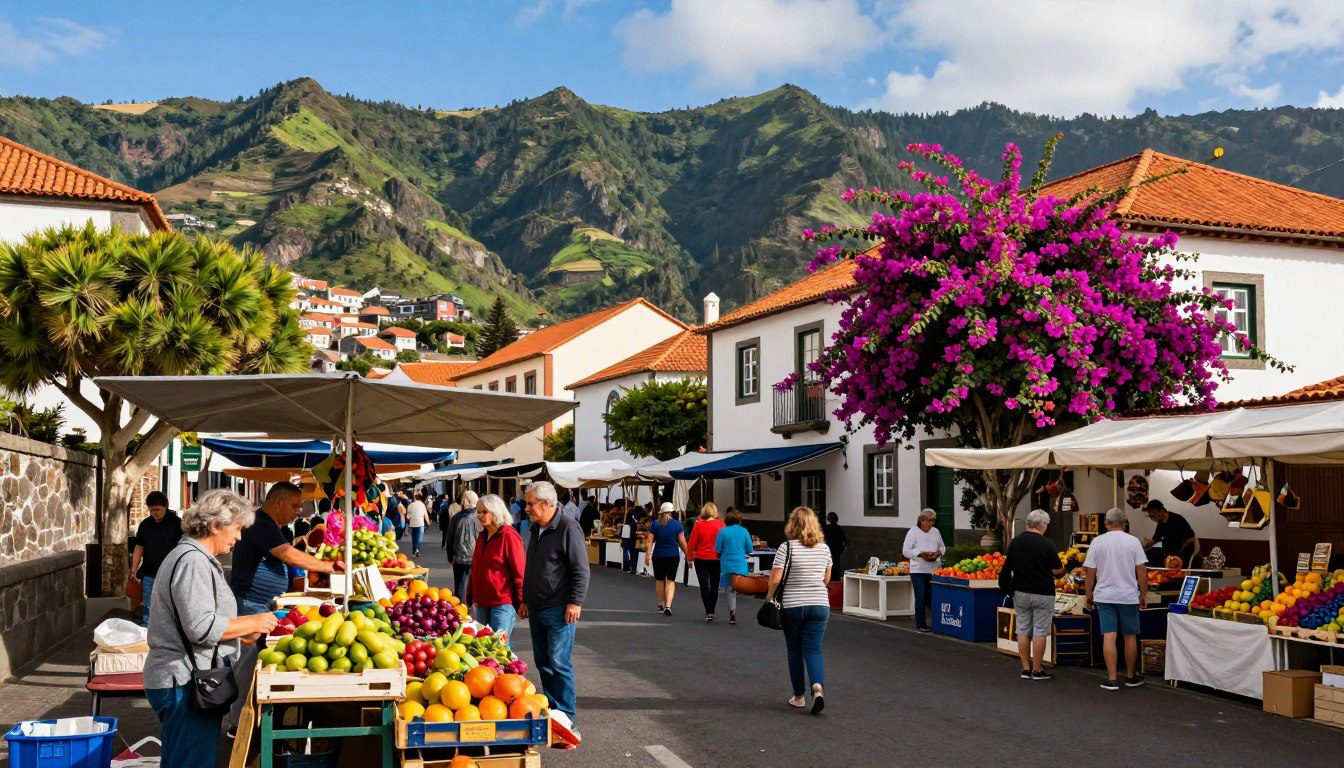
Exploring the Cost of Living in Madeira, Portugal
Madeira, Portugal, is a haven for those seeking a tranquil and picturesque lifestyle. With its mild climate and rich cultural heritage, it’s no wonder that this island has become a magnet for expats and tourists alike.
The economic stability of Madeira, coupled with its low unemployment rate, makes it an attractive destination for individuals and families looking to relocate. As you consider making Madeira your home, understanding the nuances of the local economy and lifestyle is crucial.
Key Takeaways
- Madeira offers a unique blend of natural beauty and cultural richness.
- The island boasts a mild climate year-round.
- Economic stability and low unemployment make it attractive for expats.
- Understanding local cost structures is essential for a smooth transition.
- Madeira’s lifestyle is characterized by a relaxed and welcoming atmosphere.
Overview of Madeira’s Economy and Living Standards
Madeira’s economy and living standards are influenced by its strategic location in the Atlantic, fostering a diverse and resilient economy. The island’s economic health is a crucial factor for individuals considering relocation.
Madeira’s Economic Profile
Madeira’s economy is characterized by a strong service sector, with tourism being a significant contributor. The island’s unemployment rate is relatively low compared to other European regions, making it an attractive location for job seekers. According to recent statistics, Madeira’s GDP growth has been steady, supported by investments in infrastructure and tourism.
Quality of Life Indicators
The quality of life in Madeira is considered high, with low crime rates and a pleasant climate. Residents enjoy a relaxed lifestyle, with numerous outdoor activities and cultural events. The island’s healthcare system is also well-regarded, providing quality medical services to residents.
“Madeira offers a unique blend of natural beauty and cultural richness, making it an ideal location for those seeking a high quality of life.”
General Cost Expectations
Living in Madeira comes with certain cost expectations. While the island is generally more affordable than mainland Portugal, prices for housing and food can vary depending on the location and lifestyle choices. Overall, Madeira offers a competitive cost of living compared to other European destinations, making it an attractive option for expats and digital nomads.
Understanding these factors is crucial for individuals planning to move to Madeira, as they directly impact the overall cost of living and quality of life.
The Cost of Living in Madeira Portugal Compared to the US
The cost of living in Madeira, Portugal, is an attractive feature for many, but a comparison with the US reveals some interesting insights. Madeira offers a unique blend of lifestyle and affordability that is worth exploring for expats and digital nomads.
General Price Comparison
When comparing the general price level in Madeira to that in the US, several factors come into play. Overall, Madeira is considered to have a lower cost of living. Consumer prices, including rent, are significantly lower in Madeira. For instance, the rent for a one-bedroom apartment in the city center can be substantially less in Madeira compared to major US cities.
Purchasing Power Differences
The purchasing power in Madeira is relatively high compared to many US cities. This means that expats and digital nomads can enjoy a comfortable lifestyle without breaking the bank. Goods and services are generally affordable, making it easier for foreigners to maintain their standard of living.
Comparison with Major US Cities
Let’s dive deeper into how Madeira compares with major US cities.
East Coast vs. Madeira
Cities like New York or Boston have a very high cost of living. In contrast, Madeira offers a more affordable lifestyle. For example, dining out or grocery shopping in Madeira can be significantly cheaper than on the East Coast.
West Coast vs. Madeira
Even cities like San Francisco or Los Angeles, known for their high living costs, are outpriced by Madeira in many aspects. Housing, in particular, is more affordable in Madeira, making it an attractive option for those looking to relocate.
In conclusion, Madeira presents a compelling case for those considering a move from the US, offering a lower cost of living without compromising on quality of life.
Housing Costs in Madeira
The cost of housing in Madeira, Portugal, varies significantly across different regions and types of accommodations. Understanding these variations is crucial for individuals and families considering a move to this island.
Rental Market Overview
The rental market in Madeira offers a range of options to suit different budgets. Rental prices can vary based on the location, size, and condition of the property.
Apartment Rental Prices
Apartment rentals are a popular choice, especially in urban areas like Funchal. Prices for a one-bedroom apartment can start from around €400-€600 per month. Larger apartments or those in prime locations can cost significantly more.
House Rental Prices
Renting a house in Madeira can be more affordable than buying, with prices starting from around €600-€1,000 per month for a three-bedroom house, depending on the location and amenities.
Property Purchase Prices
For those looking to invest in property, Madeira offers a range of options. The cost of purchasing a property varies widely depending on the location, size, and type of property.
Here are some approximate price ranges for different types of properties in Madeira:
- Apartment in city center: €120,000 – €250,000
- Apartment outside city center: €80,000 – €180,000
- House in city center: €250,000 – €500,000
- House outside city center: €150,000 – €350,000
Popular Areas and Their Cost Variations
Different areas in Madeira have distinct characteristics that affect housing costs.
Funchal and Surroundings
Funchal, the capital, has a more vibrant rental market and higher purchase prices compared to other areas. Surrounding areas like Câmara de Lobos and Santa Cruz offer more affordable options.
Coastal Areas
Coastal areas like Caniço and Machico are popular for their scenic views and relatively affordable housing options, with a mix of apartments and houses available.
Rural Options
Rural areas offer more affordable housing, with traditional houses available at lower prices. However, they may require renovation and can be further from amenities.
Food and Grocery Expenses
Understanding the cost of food and groceries is crucial for anyone considering Madeira, Portugal as a potential place to live. The island offers a diverse range of dining and shopping experiences that can fit various budgets.
Supermarket Prices
Supermarket prices in Madeira are generally reasonable, with a basket of basic goods costing between €20-€50 per week for a single person. Some examples of common grocery items include:
| Item | Price (€) |
|---|---|
| Milk (1L) | 0.60-1.00 |
| Bread (loaf) | 0.80-1.20 |
| Eggs (dozen) | 1.20-2.00 |
| Chicken breast (kg) | 4.50-6.00 |
Local Markets and Produce
Madeira is known for its vibrant local markets, where fresh produce, fish, and traditional products are available. Shopping at these markets not only provides an authentic experience but can also be cost-effective. For instance, fresh fruits and vegetables are abundant and reasonably priced.
Fresh produce like bananas, apples, and potatoes are widely available, with prices starting from €1-€2 per kilogram for many items.
Dining Out Costs
Dining out in Madeira can range from affordable to very expensive, depending on the type of restaurant and its location.
Budget Restaurants
Eating at budget-friendly restaurants or cafes, a meal can cost between €5-€10 per person. Traditional dishes like “espetada” (beef skewers) are often priced around €8-€12.
Mid-range Dining
For mid-range dining, expect to pay €15-€30 per person for a meal. Restaurants in this category often offer a variety of local and international dishes.
Fine Dining Options
Fine dining experiences, especially in high-end restaurants or those with a focus on gourmet cuisine, can cost €40-€60 or more per person. Some top-rated restaurants may charge even higher prices.
Overall, the cost of food and groceries in Madeira can be managed within a variety of budgets, making it an attractive location for both locals and expats.
Transportation Expenses
When planning your budget for Madeira, it’s essential to consider the various transportation expenses. Understanding these costs can help you navigate the island efficiently and make informed decisions about your lifestyle.
Public Transportation Options and Costs
Madeira has a reliable public transportation system that covers most areas of the island. The primary mode of public transport is buses, operated by Horários do Funchal. A single ticket costs around €1.75, but you can also purchase a rechargeable card for more convenience. For frequent travelers, a monthly pass is available, costing approximately €30.
Car Ownership Expenses
For those who prefer the flexibility of having their own vehicle, car ownership is a viable option. However, it comes with several expenses.
Purchase Costs
Buying a car in Madeira can be costly due to import taxes. The cost of a new car can be significantly higher than in other European countries. For example, a new Volkswagen Golf might cost around €25,000.
Insurance and Maintenance
Car insurance is mandatory, with average annual costs ranging from €400 to €800, depending on the vehicle’s value and your driving history. Maintenance costs, including servicing and repairs, should also be budgeted for, potentially adding another €500 to €1,000 per year.
Fuel Prices and Considerations
Fuel prices in Madeira are generally higher than the European average due to the island’s remote location. As of the latest data, a liter of gasoline costs around €1.50. For those planning to travel extensively, this can significantly impact your budget.
Inter-island and International Travel Costs
Madeira is well-connected by air and sea. Inter-island flights within the archipelago and to mainland Portugal or international destinations can vary greatly in cost, depending on the time of booking and travel season. Budget airlines offer competitive prices, but it’s wise to book in advance to secure the best deals.
Utility Costs in Madeira
When considering a move to Madeira, it’s essential to factor in the costs associated with utilities. Understanding these expenses can help you budget more effectively and avoid any unexpected costs.
Electricity and Water Bills
The average monthly cost for electricity and water for a typical household is relatively low. Electricity costs around €50-€100 per month for an 85m² apartment, while water bills are approximately €20-€50 per month.
Internet and Phone Services
Internet services are widely available, with costs ranging from €20 to €50 per month, depending on the provider and the speed of the connection. Phone services, including mobile and landline, add another €20-€50 to the monthly bill.

Seasonal Variations in Utility Costs
Utility costs can vary seasonally, with higher electricity bills during the winter months due to increased heating needs. However, the mild climate in Madeira means that these costs remain relatively manageable.
Waste Management and Other Municipal Services
Waste management is generally included in the municipal taxes, which are around €100-€200 per year for a typical household.
| Utility | Average Monthly Cost |
|---|---|
| Electricity | €50-€100 |
| Water | €20-€50 |
| Internet | €20-€50 |
| Waste Management (Annual) | €100-€200 |
Healthcare Expenses for Expats
Expats moving to Madeira need to be aware of the healthcare options available and the associated costs. Madeira offers a well-regarded healthcare system, with both public and private sectors providing comprehensive services.
Public Healthcare System Access
The public healthcare system in Madeira is of a high standard, with access granted to residents, including expats who register with the local health service. The quality of care is generally on par with other European countries.
Private Healthcare Costs
Private healthcare is also an option, offering shorter waiting times and a wider range of services. Costs can vary, but on average, a specialist consultation can range from €50 to €100.
Doctor Visits and Specialists
Visits to general practitioners and specialists are relatively affordable, with costs comparable to those in other European countries.
Hospital Procedures
Hospital care is generally of a high standard, with both public and private hospitals available. Costs for hospital procedures can vary significantly depending on whether you use public or private healthcare.
Health Insurance Considerations
Having health insurance is crucial for expats to cover unexpected medical expenses. Options include both local and international insurance providers.
Prescription Medication Costs
Prescription medication costs can vary, but generally, they are relatively affordable, especially with a doctor’s prescription.
Visa Requirements and Residency Costs
Understanding the visa requirements and associated costs is crucial for anyone planning to move to Madeira, Portugal. The process involves several options, each with its own expenses.
Tourist Visa Options
For those visiting Madeira as tourists, a Schengen visa is typically required, allowing stays up to 90 days within a 180-day period. The application fee for a Schengen visa is around €80 for adults and €40 for children aged 6-12. Children under 6 years old are exempt from the fee.
D7 Visa and Residency Permit Expenses
The D7 visa is suitable for individuals who wish to reside in Portugal, including Madeira, provided they have sufficient income. The application fee is approximately €50, and after arrival, a residency permit (autorização de residência) is required, which costs around €50-€100, depending on the circumstances.
Golden Visa Investment Requirements
The Golden Visa program requires investment in Portugal, such as in real estate, which can start at €500,000. The application fee for the Golden Visa is €5,325 for the main applicant, with additional fees for family members.
Legal and Administrative Fees
Additional costs include legal and administrative fees, which can range from €1,000 to €3,000, depending on the complexity of the application and the services required.
In conclusion, the total cost for obtaining a visa and residency in Madeira can vary widely, from a few hundred euros for a tourist visa to significant investments for a Golden Visa.
Digital Nomad and Remote Work Considerations
Madeira, Portugal, has emerged as a haven for digital nomads seeking a blend of work and leisure. The island offers a unique blend of natural beauty and modern infrastructure that caters to the needs of remote workers.
Internet Infrastructure and Reliability
Madeira boasts reliable and fast internet connectivity, a crucial factor for digital nomads. The average internet speed is competitive, allowing for seamless video conferencing and data transfer.
Co-working Spaces and Their Costs
The island is home to several co-working spaces that offer a range of amenities. Costs vary, but on average, a monthly membership can range from €100 to €300. Some popular co-working spaces include:
- Co-working Madeira
- WorkinFunchal
- Madeira CoWork

Digital Nomad Visa Options
Portugal offers a Non-Habitual Residence (NHR) visa that can be beneficial for digital nomads. This visa provides certain tax exemptions and is valid for up to 10 years.
Banking and Financial Services for Remote Workers
Remote workers can easily open a bank account in Portugal, facilitating financial management. Banks like CGD and Millennium BCP offer services tailored to expats and digital nomads.
Taxes and Financial Considerations
The tax landscape in Madeira offers various incentives for residents and non-residents alike. Understanding these tax implications is crucial for effective financial planning.
Income Tax for Residents and Non-Residents
Madeira’s income tax rates vary based on residency status. Residents are taxed on their worldwide income, while non-residents are taxed only on their Portuguese-sourced income. The progressive income tax rates range from 14.5% to 48%.
Property Taxes
Property taxes in Madeira include the Municipal Property Tax (IMI), which is based on the property’s value, and the Municipal Tax on Property Transactions (IMT), applicable during property purchases. The IMI rates range from 0.3% to 0.45%.
Special Tax Regimes for Expats
Madeira offers attractive tax regimes for expatriates, notably the Non-Habitual Resident (NHR) program.
Non-Habitual Resident (NHR) Program
The NHR program provides a favorable tax status for 10 years, potentially exempting certain foreign income from taxation or applying a flat 20% rate.
Tax Benefits for Retirees
Retirees may benefit from the NHR regime, enjoying tax exemptions on foreign pensions and income.
Banking Services and Fees
Banking in Madeira is generally straightforward, with various banks offering services tailored to expats. Fees vary, so it’s essential to compare services.
| Banking Service | Average Fee |
|---|---|
| Account Maintenance | $5-$10/month |
| ATM Withdrawal | $1-$3/transaction |
| International Transfer | $10-$30/transfer |
Budgeting for Different Lifestyles in Madeira
From budget-conscious travelers to luxury seekers, Madeira caters to diverse lifestyles with its varied cost structures. Understanding the costs associated with different lifestyles is crucial for effective budgeting.
Budget Living in Madeira
Living on a budget in Madeira is feasible, with affordable accommodation options and low-cost dining available. A budget-conscious individual can expect to spend around €800-€1,200 per month on basic expenses, including rent, food, and transportation.
Moderate Lifestyle Costs
For those adopting a moderate lifestyle, Madeira offers a balance between affordability and comfort. Moderate lifestyle expenses include €1,500-€2,500 per month for a single person, covering a wider range of activities and possibly a larger apartment.
Luxury Living Expenses
Luxury living in Madeira comes with a higher price tag, with expenses ranging from €4,000 to €6,000 or more per month. This includes high-end accommodations, fine dining, and exclusive activities.
Seasonal Variations in Expenses
Seasonal changes can impact expenses in Madeira. Understanding these variations is key to managing your budget effectively.
High Season vs. Low Season
During the high season (summer and early autumn), prices for accommodations and tourist activities tend to rise. In contrast, the low season offers more competitive pricing and fewer tourists.
Holiday Period Considerations
Holiday periods, such as Christmas and New Year’s, see increased prices and demand for services. Planning ahead for these periods can help mitigate additional costs.
Effective budgeting in Madeira requires an understanding of these lifestyle and seasonal factors. As one resident noted,
“The key to enjoying Madeira is flexibility and being prepared for the seasonal changes.”
Conclusion: Is Madeira’s Cost of Living Right for You?
Madeira, Portugal, offers a unique blend of affordability and quality of life, making it an attractive destination for expats and digital nomads. The cost of living in Madeira Portugal is relatively lower compared to other European destinations, but it’s essential to consider various factors before making a decision.
When evaluating the practicalities of living in Madeira, housing, food, transportation, and utility costs are significant factors. Rental prices vary depending on the location, with popular areas like Funchal being more expensive. Food and grocery expenses are relatively affordable, with a mix of local markets and supermarkets available.
To determine if Madeira is the right fit for you, consider your lifestyle and budget. If you’re looking for a relaxed, Mediterranean lifestyle with a lower cost of living, Madeira might be an excellent choice. However, it’s crucial to research and understand the local costs, including healthcare expenses, visa requirements, and taxes, to ensure a smooth transition.
Ultimately, Madeira’s cost of living can be an attractive option for those seeking a balance between affordability and quality of life. By carefully evaluating your expenses and lifestyle, you can make an informed decision about whether Madeira is the right destination for you.
FAQ
What is the overall cost of living in Madeira, Portugal?
How does the cost of housing in Madeira compare to the US?
FAQ
What is the overall cost of living in Madeira, Portugal?
The cost of living in Madeira is generally lower compared to many Western European countries and major US cities, but it’s still a bit higher than in other parts of Portugal. Expenses like housing, food, and transportation contribute to the overall cost, but Madeira’s mild climate and lower utility costs can help offset some expenses.
How does the cost of housing in Madeira compare to the US?
Housing costs in Madeira vary significantly depending on the location, type, and size of the property. Generally, renting an apartment in Funchal, the capital, can range from €400 to €800 per month for a one-bedroom apartment. In comparison, similar apartments in major US cities can cost significantly more, often ranging from
FAQ
What is the overall cost of living in Madeira, Portugal?
The cost of living in Madeira is generally lower compared to many Western European countries and major US cities, but it’s still a bit higher than in other parts of Portugal. Expenses like housing, food, and transportation contribute to the overall cost, but Madeira’s mild climate and lower utility costs can help offset some expenses.
How does the cost of housing in Madeira compare to the US?
Housing costs in Madeira vary significantly depending on the location, type, and size of the property. Generally, renting an apartment in Funchal, the capital, can range from €400 to €800 per month for a one-bedroom apartment. In comparison, similar apartments in major US cities can cost significantly more, often ranging from $1,000 to $2,000 or more per month.
What are the typical costs for food and dining out in Madeira?
Eating out in Madeira can be affordable, with meals at local restaurants (known as “tascas”) costing around €8 to €15 per person. Mid-range restaurants typically charge between €20 to €40 per person. Groceries are also reasonably priced, with a basket of basic items costing around €30 to €50 per week for one person.
How do transportation costs in Madeira compare to other European destinations?
Public transportation in Madeira is relatively affordable, with a monthly pass costing around €30 to €40. Owning a car can be more expensive due to fuel costs, insurance, and maintenance, but it’s still comparable to or slightly lower than in many other European countries.
What are the utility costs like in Madeira?
Utility costs, including electricity, water, and internet, are generally moderate. For a typical apartment, monthly utility bills can range from €100 to €200, depending on consumption and the size of the apartment.
Are there any specific costs associated with living in Madeira as a digital nomad?
Digital nomads can find Madeira appealing due to its reliable internet infrastructure. Co-working spaces are available, with prices ranging from €100 to €300 per month, depending on the amenities and location. Madeira also offers a digital nomad visa, which simplifies the process of living and working on the island.
How do taxes work for expats in Madeira, particularly under the Non-Habitual Resident (NHR) program?
The NHR program offers significant tax benefits for expats, potentially exempting certain types of income from Portuguese taxation or reducing the tax rate. To qualify, applicants must meet specific criteria, including not being considered a tax resident in Portugal for the previous five years. It’s advisable to consult a tax professional to understand the implications and benefits fully.
What are the healthcare costs for expats in Madeira?
Madeira has a public healthcare system that is generally of good quality. Expats who are residents can access the public healthcare system, and many also opt for private health insurance to cover additional costs or for more specialized care. Private healthcare costs can vary, but it’s possible to find comprehensive insurance for a few hundred euros per month.
Can you provide an overview of the budgeting required for different lifestyles in Madeira?
Budgeting in Madeira can vary significantly based on lifestyle. For a modest lifestyle, €1,500 to €2,500 per month can be sufficient for one person, covering housing, food, transportation, and other expenses. For a more comfortable or luxury lifestyle, budgets can range from €3,000 to €5,000 or more per month, depending on personal choices and preferences.
,000 to ,000 or more per month.
What are the typical costs for food and dining out in Madeira?
Eating out in Madeira can be affordable, with meals at local restaurants (known as “tascas”) costing around €8 to €15 per person. Mid-range restaurants typically charge between €20 to €40 per person. Groceries are also reasonably priced, with a basket of basic items costing around €30 to €50 per week for one person.
How do transportation costs in Madeira compare to other European destinations?
Public transportation in Madeira is relatively affordable, with a monthly pass costing around €30 to €40. Owning a car can be more expensive due to fuel costs, insurance, and maintenance, but it’s still comparable to or slightly lower than in many other European countries.
What are the utility costs like in Madeira?
Utility costs, including electricity, water, and internet, are generally moderate. For a typical apartment, monthly utility bills can range from €100 to €200, depending on consumption and the size of the apartment.
Are there any specific costs associated with living in Madeira as a digital nomad?
Digital nomads can find Madeira appealing due to its reliable internet infrastructure. Co-working spaces are available, with prices ranging from €100 to €300 per month, depending on the amenities and location. Madeira also offers a digital nomad visa, which simplifies the process of living and working on the island.
How do taxes work for expats in Madeira, particularly under the Non-Habitual Resident (NHR) program?
The NHR program offers significant tax benefits for expats, potentially exempting certain types of income from Portuguese taxation or reducing the tax rate. To qualify, applicants must meet specific criteria, including not being considered a tax resident in Portugal for the previous five years. It’s advisable to consult a tax professional to understand the implications and benefits fully.
What are the healthcare costs for expats in Madeira?
Madeira has a public healthcare system that is generally of good quality. Expats who are residents can access the public healthcare system, and many also opt for private health insurance to cover additional costs or for more specialized care. Private healthcare costs can vary, but it’s possible to find comprehensive insurance for a few hundred euros per month.
Can you provide an overview of the budgeting required for different lifestyles in Madeira?
Budgeting in Madeira can vary significantly based on lifestyle. For a modest lifestyle, €1,500 to €2,500 per month can be sufficient for one person, covering housing, food, transportation, and other expenses. For a more comfortable or luxury lifestyle, budgets can range from €3,000 to €5,000 or more per month, depending on personal choices and preferences.