Earthquake Risks in Portugal: What You Need to Know
Portugal’s geographical location makes it a region of significant seismic activity. The country’s history with earthquakes has been marked by several devastating events, raising concerns about its earthquake risk.
Understanding the risks associated with earthquakes in Portugal is crucial for residents and visitors alike. The country’s vulnerability to seismic events necessitates awareness and preparedness. This article aims to provide insights into Portugal’s seismic profile and the measures in place to mitigate the impact of earthquakes.
Key Takeaways
- Portugal is considered a region with significant seismic activity.
- The country’s history includes several major earthquakes.
- Awareness and preparedness are key to mitigating earthquake risks.
- Understanding Portugal’s seismic profile is essential for residents and visitors.
- There are measures in place to reduce the impact of seismic events.
Portugal’s Seismic Profile: Understanding the Basics
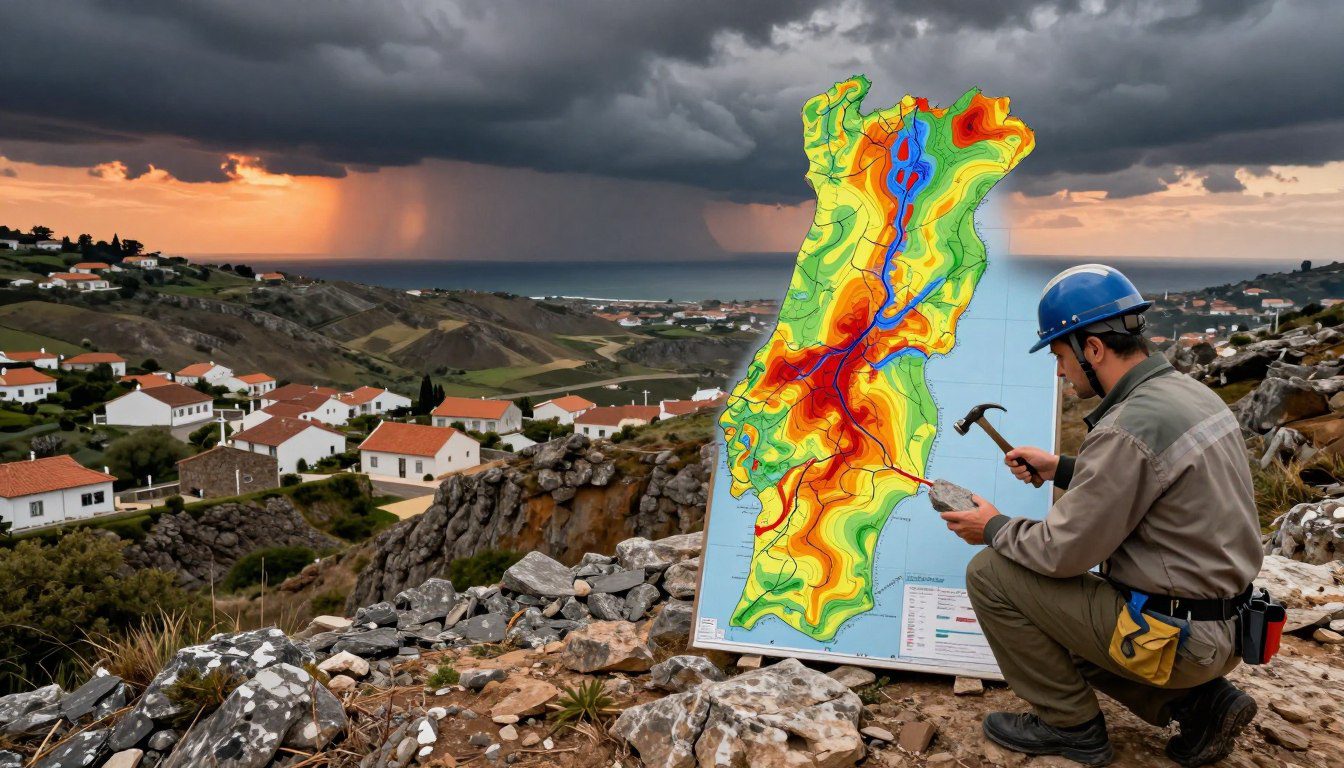
The seismic activity in Portugal is influenced by its position on the Eurasian and African tectonic plates. This unique location contributes to the country’s complex seismic profile.
Geographical Location and Tectonic Setting
Portugal is situated in the southwestern part of Europe, on the Iberian Peninsula. Its geographical location near the boundary between the Eurasian and African tectonic plates makes it prone to seismic activity. The country’s tectonic setting is characterized by a complex system of faults, with the most significant being the Azores-Gibraltar Fracture Zone.
Key Seismic Zones in Portugal
Several key seismic zones are identified in Portugal, including the Lisbon region, the Algarve, and the Azores Islands. The Lisbon region is particularly significant due to its historical seismic activity, including the devastating 1755 earthquake. The Azores Islands are also highly seismic due to their location on the Mid-Atlantic Ridge.
The understanding of these seismic zones is crucial for assessing earthquake risks and implementing effective mitigation strategies.
Is Portugal Earthquake Prone? The Facts and Statistics
Portugal’s history and geography suggest that it is indeed susceptible to earthquakes. To understand the country’s earthquake risk, it’s essential to examine the facts and statistics surrounding seismic activity in the region.
Frequency of Earthquakes in Portugal
Portugal experiences a significant number of earthquakes each year, although many are minor and do not cause damage. According to seismic data, the country is affected by approximately 100 to 200 earthquakes annually, with most being of low magnitude.
Magnitude Patterns and Trends
While the frequency of earthquakes in Portugal is notable, the magnitude of these events is also an important factor. Historical data indicate that the country is capable of experiencing earthquakes with magnitudes greater than 6.0, although such events are rare.
Comparison with Other European Countries
When compared to other European countries, Portugal’s seismic activity is relatively high. Countries like Spain, Italy, and Greece also experience significant seismic activity due to their location on the Eurasian and African tectonic plates. However, Portugal’s unique position near the boundary between these plates makes it particularly prone to earthquakes.
The earthquake risk in Portugal is a concern that warrants attention and preparedness. By understanding the frequency, magnitude, and trends of seismic events, residents and visitors can better navigate the risks associated with earthquakes in the region.
Historical Earthquakes in Portugal: Lessons from the Past
Portugal’s history is marked by significant seismic events that have shaped the country’s approach to earthquake preparedness. Understanding these historical earthquakes is crucial for grasping the complexities of Portugal’s seismic hazard.
The Great Lisbon Earthquake of 1755
The Great Lisbon Earthquake of 1755 is one of the most significant seismic events in Portuguese history. On November 1, 1755, a massive earthquake struck Lisbon, causing widespread destruction and fires that ravaged the city. This disaster led to significant changes in building codes and urban planning in Portugal. The earthquake’s impact was felt beyond Lisbon, with tsunamis affecting the Algarve region and other parts of Europe.
Key consequences of the Great Lisbon Earthquake include:
- Rebuilding of Lisbon with earthquake-resistant structures
- Advancements in seismic science and understanding
- Changes in urban planning and building regulations
Other Significant Seismic Events
Portugal has experienced numerous other significant earthquakes throughout its history. Notable events include the 1761 earthquake, which caused significant damage in Lisbon, and more recent earthquakes in the 20th century that highlighted the ongoing seismic risk.
How Historical Events Shaped Modern Preparedness
The historical earthquakes in Portugal have significantly influenced modern earthquake preparedness. Lessons learned from past events have informed building codes, emergency response plans, and public awareness campaigns. For instance, Portugal has implemented strict building regulations to ensure that new constructions can withstand seismic activity. Additionally, public education initiatives aim to prepare citizens for earthquakes, promoting a culture of resilience.
Key preparedness measures include:
- Regular seismic hazard assessments
- Public education and awareness campaigns
- Strict enforcement of building codes and regulations
Portugal’s Fault Lines and Seismic Activity Patterns
The seismic hazard in Portugal is closely linked to its complex tectonic setting and fault systems. The country’s position on the boundary between the Eurasian and African tectonic plates makes it a region of significant seismic activity.
Major Fault Systems Affecting Portugal
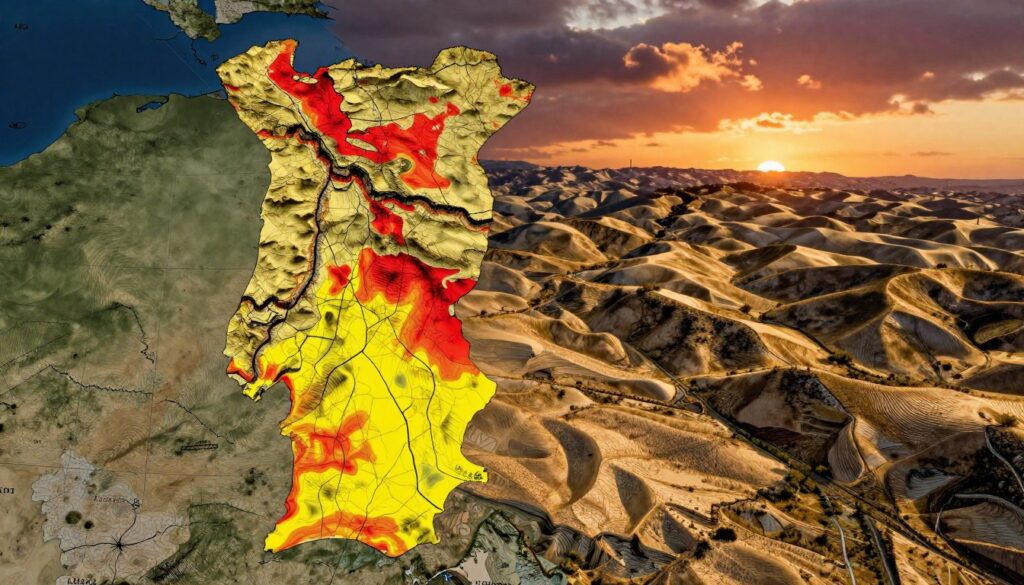
Portugal is affected by several major fault systems that contribute to its seismic hazard. These include the Azores-Gibraltar Fracture Zone, which is a significant source of seismic activity. Other fault lines, such as the Lower Tagus Valley fault zone, also play a crucial role in the country’s seismic risk.
The Azores-Gibraltar Fracture Zone
The Azores-Gibraltar Fracture Zone is a major tectonic boundary that runs between the Azores Islands and the Gulf of Cadiz. This zone is responsible for significant seismic activity, including large earthquakes. The fracture zone’s complex tectonic processes contribute to the seismic hazard in Portugal.
Monitoring Systems and Early Warning Technology
Portugal has implemented advanced monitoring systems and early warning technology to mitigate the impact of seismic events. The National Seismic Network monitors seismic activity in real-time, providing critical data for emergency response and scientific research. Early warning systems can detect the initial seismic waves generated by an earthquake, providing precious seconds or minutes to evacuate or take cover.
| Monitoring System | Description | Functionality |
|---|---|---|
| National Seismic Network | Real-time monitoring of seismic activity | Provides critical data for emergency response and research |
| Early Warning Systems | Detection of initial seismic waves | Provides seconds or minutes to evacuate or take cover |
High-Risk Areas: Regional Earthquake Hazards in Portugal
Regional earthquake risks in Portugal are influenced by the country’s complex tectonic setting. Portugal’s diverse geography, including its mainland and islands, contributes to varying levels of seismic activity. Understanding these regional hazards is crucial for assessing the overall earthquake risk in the country.
Lisbon and the Tagus Valley
Lisbon, being the capital city, is a significant area of concern due to its historical seismic activity, particularly the devastating 1755 Lisbon earthquake. The Tagus Valley is also considered a high-risk zone due to its proximity to major fault lines. Earthquake preparedness measures are essential for this densely populated region.
The Algarve Region
The Algarve region in southern Portugal is another area that experiences seismic activity. Although less frequent than in Lisbon, the region’s seismicity is still a concern for residents and tourists alike. Understanding local fault lines and having emergency response plans in place is vital.
Azores Islands
The Azores Islands are located on the Mid-Atlantic Ridge, making them prone to significant seismic and volcanic activity. The islands have experienced historical earthquakes and volcanic eruptions, highlighting the need for ongoing seismic monitoring and preparedness.
Madeira and Other Regions
Madeira, another Portuguese island, also experiences seismic activity, though to a lesser extent than the Azores. Other regions on the mainland have their unique seismic characteristics, emphasizing the need for a comprehensive understanding of regional earthquake hazards across Portugal.
| Region | Seismic Activity Level | Preparedness Measures |
|---|---|---|
| Lisbon & Tagus Valley | High | Strict building codes, emergency drills |
| Algarve | Moderate | Local emergency plans, seismic monitoring |
| Azores Islands | High | Advanced seismic monitoring, volcanic eruption preparedness |
| Madeira | Moderate | Regular seismic assessments, public awareness campaigns |
Earthquake Preparedness and Safety Measures in Portugal
Portugal’s geographical location makes it prone to seismic activity, emphasizing the need for robust earthquake preparedness measures. The country’s history of significant earthquakes underscores the importance of being prepared.
Portuguese Building Codes and Regulations
Portugal has implemented stringent building codes to ensure that new constructions can withstand earthquakes. These regulations are crucial in minimizing damage and casualties. Buildings constructed or renovated according to these codes are better equipped to resist seismic forces, thereby enhancing safety.
Emergency Response Systems
Effective emergency response systems are vital in managing the aftermath of an earthquake. Portugal has developed comprehensive emergency plans, including early warning systems and emergency response teams. These systems are designed to respond quickly and efficiently to seismic events, providing critical assistance when needed.

Creating a Personal Emergency Plan
Having a personal emergency plan is essential for individuals and families. This plan should include evacuation routes, emergency contact numbers, and a safe meeting point outside the home. Regular drills and updates to the plan ensure that everyone is prepared.
What to Do Before, During, and After an Earthquake
Before an earthquake, it’s crucial to secure heavy objects and ensure that emergency supplies are available. During an earthquake, staying calm and taking cover under sturdy furniture is advised. After the earthquake, evacuating the premises and following official instructions is key to safety.
By understanding and implementing these earthquake preparedness and safety measures, individuals can significantly reduce their risk and enhance their resilience to seismic events in Portugal.
Traveling to Portugal: Earthquake Safety for Visitors
Traveling to Portugal requires some knowledge about the country’s earthquake risks to ensure a safe and enjoyable journey. While Portugal is generally considered a safe destination, understanding the potential for seismic activity can help visitors prepare for any eventuality.
Understanding Earthquake Risks as a Tourist
Portugal’s geographical location makes it susceptible to earthquakes, primarily due to its position on the Eurasian and African tectonic plates. Visitors should be aware that while significant earthquakes are rare, they can occur. Knowing this, tourists can take necessary precautions and stay informed.
Safety Tips for Travelers
To stay safe during your visit, familiarize yourself with basic earthquake safety procedures:
- Know evacuation routes: Understand the emergency exit plans from your accommodation and other public places.
- Stay informed: Keep an eye on local news and emergency alerts from authorities.
- Practice drills: Participate in earthquake drills if offered by your hotel or tour group.
Important Emergency Contacts and Resources
In case of an emergency, having the right contacts can be crucial. Here are some key resources:
| Emergency Service | Contact Number |
|---|---|
| Emergency Services (Police, Fire, Ambulance) | 112 |
| Portuguese Institute for the Sea and Atmosphere (IPMA) | +351 213 927 000 |
Travel Insurance Considerations
When planning your trip, consider investing in travel insurance that covers natural disasters, including earthquakes. Review the policy to understand what is covered and the procedures for making a claim if necessary.
By being informed and prepared, visitors can minimize risks and enjoy their time in Portugal.
Conclusion: Assessing Portugal’s Earthquake Risk Realistically
Portugal’s earthquake risk is a significant concern due to its geographical location and tectonic setting. Understanding the country’s seismic profile is crucial for mitigating risks and preparing for potential earthquakes.
The data indicates that Portugal experiences a considerable number of earthquakes, with some regions being more prone to seismic activity than others. The Azores-Gibraltar Fracture Zone is a significant factor in Portugal’s seismic hazard.
While the earthquake probability in Portugal is a concern, the country has made significant strides in earthquake preparedness and safety measures. Portuguese building codes and emergency response systems are designed to minimize the impact of seismic events.
Assessing Portugal’s earthquake risk realistically involves understanding the seismic hazard in Portugal and taking proactive steps to prepare for potential earthquakes. By being informed and taking necessary precautions, individuals can reduce their risk and stay safe.