Is it safe to travel to Morocco right now Travel Advice
Planning a trip often starts with one big question: Is it safe to travel to Morocco right now? Many explorers feel worried about North African regions, but life on the ground often tells a new story.
This vibrant country offers a warm welcome and maintains security levels that might surprise you. Visitors frequently find locals helpful and cities well-monitored.
Global Finance ranks this destination 24th among the world’s most secure nations. This ranking beats popular nearby spots like Portugal and Sweden.
While the U.S. State Department suggests visitors exercise increased caution, the nation remains a stable travel partner with strong Western ties. Government officials prioritize visitor protection across every major city.
Expert Lucas Peters notes that security screening and police presence appear quite visible and efficient. This nation has always been an incredibly safe choice for international visitors.
Our guide provides latest information and practical advice for enjoying your time abroad. We want your journey balanced between media perception and real safety measures. Understanding these factors ensures a smooth experience for everyone.
Understanding Morocco’s Current Safety Status
Understanding the current security landscape of Morocco involves analyzing various international indices and official warnings. This beautiful country offers a unique blend of culture and history that draws millions of visitors annually.
Staying informed about the latest information ensures a smooth and worry-free vacation. You will find that local authorities are very dedicated to maintaining a welcoming environment for all guests.
Overall Safety Rating and Rankings
Morocco holds a respectable position in global safety assessments from multiple organizations. The Global Peace Index ranks the nation 85th out of 163 countries, highlighting its limited access to weapons.
Furthermore, Berkshire Hathaway Travel Protection placed it 35th among the world’s safest places. This ranking reflects the consistent efforts made to protect tourists in major cities and resorts.
| Organization | Ranking Metric | Morocco’s Position |
|---|---|---|
| Global Peace Index | Peacefulness Score | 85th out of 163 |
| Berkshire Hathaway | Safest Places Ratings | 35th out of 44 |
| U.S. State Dept | Travel Advisory Level | Level 2 |
Government Travel Advisories Explained
The United States Department currently lists Morocco as a Level 2 destination. This status advises travelers to exercise increased caution, largely due to potential terrorism threats in the region.
It is important to note that this is the same government rating given to France and the United Kingdom. Most travelers visit without any issues by following standard precautions and staying alert.
Canadian authorities recently updated their travel advice in June 2024 to keep citizens informed. These updates provide essential information regarding regional developments and local laws.
Recent Security Developments in 2023-2024
The Moroccan government maintains a proactive stance on national security throughout the year. Authorities regularly disrupt extremist cells and have implemented advanced screening at all border crossings.
While some risk exists in isolated areas, the visible police presence in tourist zones is a positive indicator. This vigilant approach helps ensure that the country remains a top choice for international explorers.
Security experts praise the improved screening techniques used at airports and maritime ports. These robust measures are designed to detect threats long before they reach popular tourist sites.
Is It Safe to Travel to Morocco Right Now: Current Assessment
When you look at the map for your next adventure, getting a clear picture of the current atmosphere in Morocco is essential for a stress-free trip. The country continues to be a top choice for those seeking a mix of culture and comfort. While global headlines can sometimes be scary, the reality on the ground is often much calmer than people expect.
Terrorism Threat Level and Recent Incidents
Experts often point out that the threat of terrorism in Morocco is similar to many Western European nations. According to UK sources, the last major large-scale attack occurred back in 2011. There was a tragic incident in December 2018 involving two Scandinavian tourists near Imlil in the High Atlas Mountains.
Moroccan authorities took this event very seriously and responded by further enhancing safety measures throughout the Atlas region. These proactive steps have helped maintain a secure environment for hikers and mountain explorers. Travelers today find that security forces are highly visible in tourist zones to ensure everyone feels protected.
Political Stability and Demonstrations
Morocco stands out as one of the most stable nations in Africa due to its long-standing constitutional monarchy. You may see occasional demonstrations near government buildings in cities like Rabat or Casablanca. These events are usually peaceful and closely watched by the local police to ensure they do not disrupt the public.
It is always a good idea to avoid any large demonstrations to prevent getting caught in traffic delays or unexpected crowds. The Global Peace Index ranks Morocco well, noting very low levels of political terror compared to many neighboring regions. This long-term stability makes the region generally safe for Americans wanting to explore the winding streets and vast deserts.
Crime Rates Compared to European Destinations
When looking at crime statistics, Morocco often performs better than many popular European destinations. Travel expert Lucas Peters notes that the nation has “zero amount of gun violence,” which is a comfort for many international guests. He suggests that the biggest mortal threats are actually self-induced, such as smoking or bad driving.
Your travel experience will likely be defined by the incredible hospitality of the Moroccan people rather than security concerns. While you should always stay aware of your surroundings, the chance of experiencing violent crime is statistically very low. Focusing on common sense will help you enjoy the vibrant markets and historical sites without any unnecessary worry.
| Category | Safety Level | Key Observation |
|---|---|---|
| Violent Crime | Very Low | Rates are lower than many major US cities. |
| Gun Violence | Zero | Gun ownership is strictly regulated by law. |
| Political Terror | Low | Ranked highly for stability in Africa. |
| Road Safety | Moderate | Traffic and driving style require extra caution. |
Safety Concerns by Region: Where to Exercise Caution
Understanding the regional nuances of safety helps you navigate the diverse landscape of Morocco with total confidence. While many areas are perfectly safe for visitors, some specific locations require a bit more vigilance. Knowing the local layout is the best way to enjoy your travel experience without unnecessary worry.
Major Cities: Marrakesh, Casablanca, Fez, and Rabat
Morocco’s major cities offer a mix of modern life and ancient history. In Marrakesh, the security presence is very high, especially within the old medina. You will see many uniformed and undercover officers keeping the tourist crowds safe from serious harm.
However, Casablanca requires more “big-city” awareness. As the economic capital, it has large slums and higher rates of theft or muggings. Travel experts like Peters often suggest that Casablanca lacks the charm of other Moroccan cities and might be worth skipping entirely.
Fez is famous for its massive, maze-like medina. While beautiful, it can feel frightening or overwhelming in the evening due to its size and narrow alleys. Always try to stay in well-lit tourist areas when the sun goes down to avoid getting lost.
Coastal Areas and Beach Destinations
The Moroccan coastline is stunning but varies in quality depending on where you go. Public beaches in some major cities are often polluted and not fit for swimming. It is better to stick to private beach clubs or international standard resorts that maintain clean environments.
On the Atlantic coast, the water looks inviting but can be deadly for the unprepared. Strong currents and tides make swimming dangerous in many places along the shore. Only swim at designated, supervised sites to stay safe during your beach day.
Atlas Mountains and Desert Regions
The remote areas of the Atlas Mountains and the Sahara are breathtaking. However, independent exploration here can be risky without local knowledge. You should always hire official guides and have proper equipment for these rugged sites.
Advance planning is essential for any excursion into the deep desert. Weather conditions can change rapidly, and help is often far away. Proper preparation ensures that your mountain or desert trek remains a highlight of your trip.
Border Regions and Western Sahara Restrictions
Special caution is needed near the borders of the country. The border with Algeria is completely closed, and you must never attempt to cross it by land or water. This is a strictly enforced rule that all travelers must respect to avoid legal trouble.
In Western Sahara, the situation is even more complex due to its unresolved political status. Remote areas and the militarized zone, known as the Berm, are littered with unexploded landmines. These hazards cause fatalities annually, making off-road travel extremely dangerous.
Consular assistance is extremely limited in this region, as noted by the Canadian government. Most western nations advise against visiting due to the high risks and lack of support. If you must visit, stick to the main urban centers and follow all local military instructions.
| Region Type | Security Level | Primary Concern |
|---|---|---|
| Marrakesh Medina | High | Petty Scams |
| Casablanca | Moderate | Mugging & Theft |
| Western Sahara | Low | Landmines & Legal Status |
| Atlantic Coast | Moderate | Dangerous Currents |
How to Protect Yourself from Crime and Scams
Taking a proactive approach to your personal security ensures that your Moroccan adventure remains memorable for all the right reasons. While most visits are completely trouble-free, staying alert helps you navigate busy market spaces with confidence. Being aware of common scams and petty crime is the best way to maintain your peace of mind.
Preventing Pickpocketing and Theft in Medinas
Crowded market areas, historic medinas, and popular public beaches are common spots for opportunistic snatch-and-grab thefts. Thieves sometimes target distracted tourists by using motorcycles for quick drive-by robberies in open parks or narrow alleys. You should always keep your bags zipped, held in front of you, and avoid wearing flashy jewelry.
If you ever face an armed robbery involving a knife, experts universally advise that you should never resist the attacker. Your physical safety is worth significantly more than any phone, camera, or wallet. To avoid the most dangerous types of crime, stay on well-lit main roads and finish your outdoor explorations before it gets late at night.
Recognizing and Avoiding Dishonest Schemes
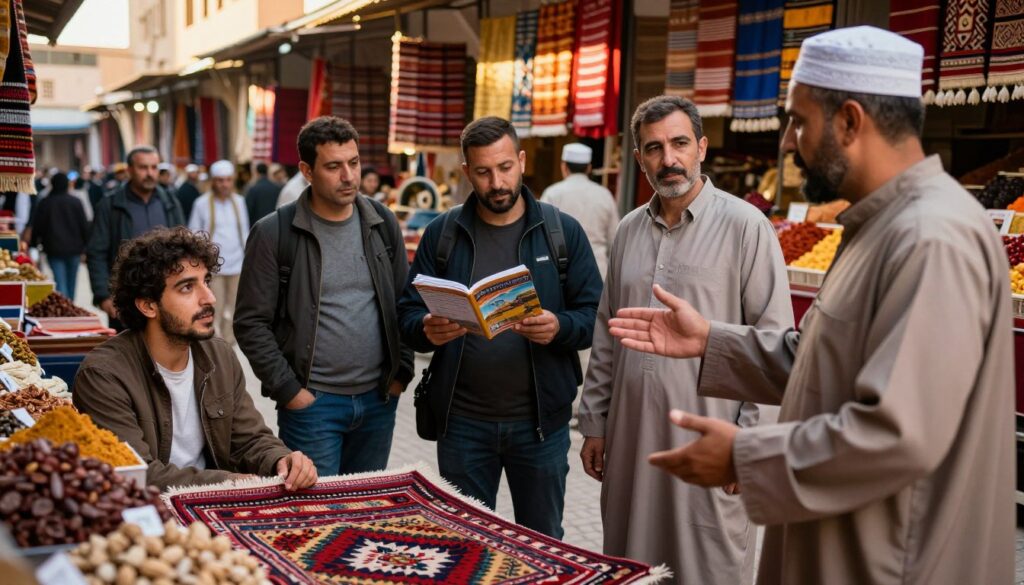
Many tourists encounter clever scams involving “friendly” locals who offer directions and then demand a high fee for their help. You should also watch out for bait-and-switch tactics in local souvenir shops. Some sellers might try to substitute your high-quality purchase with an inferior product while they wrap the item for you.
Aggressive begging is also frequent, especially near banks or when you look clearly lost in the winding streets. These individuals sometimes work in teams to create a distraction while an accomplice targets your pockets. Maintain a polite but firm “no” when someone offers unsolicited help and keep walking toward your destination.
ATM Safety and Credit Card Fraud Prevention
Credit card fraud is a frequent issue that requires your constant attention and care. When using an ATM, always cover the keypad with your hand to hide your PIN from any hidden cameras. It is much safer to use machines located inside a bank branch than those found in isolated or unmonitored street areas.
Before you insert your card, check the reader for any loose parts or strange attachments that could be skimming devices. If a waiter or shopkeeper needs to process a payment, keep your card in sight at all times. Regularly monitoring your bank statement helps you identify and report any potential fraud before it becomes a major problem.
Dealing with Bogus Tourist Guides
People often pose as an official tourist professional to trick visitors into joining expensive tours or visiting specific shops. These fake guides can be very persistent and may lead you into uncomfortable or high-pressure sales environments. Always ask to see an official badge issued by the local government before you accept any guided services.
Using licensed guides ensures you receive accurate history and stay in the safer parts of the city. If a group of men begins to harass you or follows you, move quickly toward a nearby hotel or a police officer. Genuine tourist guides will never pressure you or hide their official identification from you.
| Scam or Threat | Common Location | Prevention Strategy |
|---|---|---|
| Pickpocketing | Medinas & Markets | Keep bags in front & hide jewelry |
| Bogus Guides | Street Corners | Verify official government badges |
| Bait-and-Switch | Souvenir Shops | Inspect items during the packing |
| ATM Skimming | Outdoor Terminals | Use bank-contained ATM machines |
| Petty Crime | Public Parks | Stay in well-lit and busy zones |
Transportation Safety: How to Travel Safely in Morocco
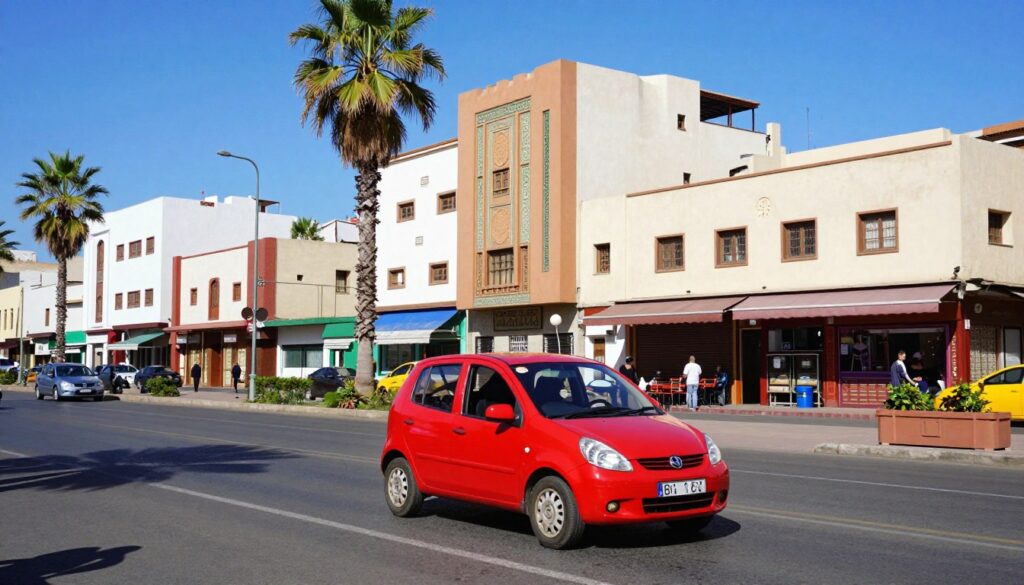
Getting around this beautiful country is quite an adventure. We will provide a full rundown of your options to help you choose the most reliable way to travel between cities.
Morocco offers everything from modern high-speed trains to traditional taxis. Knowing which service to pick ensures your journey remains smooth and enjoyable.
Driving Safety Tips and Road Conditions
Driving yourself gives you total freedom, but it requires extra caution. Road conditions vary greatly based on the weather and your specific location.
You should always secure comprehensive Morocco car rental insurance before hitting the road. Make sure you have an accident report form, known as a constat à l’amiable, which is available at local newsstands.
Avoid driving at night because poor lighting makes car-animal accidents a real danger in rural areas. Many drivers do not respect traffic rules, so keep an eye out for pedestrians and animals on the roadway.
Frequent police checkpoints exist along national roads. Always carry your identification and vehicle documents to save time during these routine stops.
Choosing Safe Taxi and Rideshare Options
For urban travel, the color-coded petit taxi system is your safest bet. You will see red cars in Casablanca, blue in Rabat, and tan in Marrakesh.
These regulated taxis are the most reliable way to navigate busy cities. Be careful with ride-hailing apps, as some drivers may be unlicensed or lack proper insurance.
Always ask the driver to use the meter before the car starts moving. If they refuse, it is often better to find another taxi to avoid being overcharged.
Using Buses and Trains Safely
Intercity buses are a fantastic choice for any safety-conscious traveler. Expert recommendations suggest using Supratours or CTM, as they are the most reliable companies for solo travelers.
Trains are generally a wonderful experience, especially the new Al-Boraq high-speed line. This service connects Casablanca with Tangier and is very comfortable.
While on any train, always keep a close eye on your personal valuables. This is a good habit to maintain throughout the year while exploring new destinations.
Domestic Flight Safety Standards
Domestic flights meet international safety requirements and can save you many hours of driving. Royal Air Maroc is the primary carrier connecting major hubs with high standards of service.
Booking in advance can help you find affordable seats. Flying is a great way to see the diverse landscapes of the country from a unique perspective.
Health Safety Measures for Morocco Travelers
Managing your physical health while traveling through Morocco involves a mix of vaccinations and smart eating habits. By taking a few simple steps, you can enjoy the local culture without worrying about illness. Focus on prevention to keep your energy high throughout your journey.
Required and Recommended Vaccinations
Make sure your routine vaccinations are up-to-date before you fly. This includes shots for measles, mumps, and the seasonal flu. Medical experts recommend getting a Hepatitis A vaccination as a primary defense for this region.
It is also wise to carry loperamide to manage any unexpected travelers’ diarrhea during your time abroad. Travelers should also check their status for polio and tetanus. Following CDC guidelines ensures you stay protected against common regional diseases.
Food and Water Safety Precautions
The golden rule for every traveler is to boil it, cook it, peel it, or leave it. Only eat food that vendors prepare safely and serve hot. Avoid raw vegetables or salads that someone might have washed in tap water.
Stay vigilant about water safety when swimming or bathing too. Avoid getting freshwater in your eyes or nose, especially after heavy rain. Do not swallow water while showering or using hotel pools to avoid a significant risk. Stick to bottled drinks to ensure your health stays protected during your stay.
Finding Medical Care and Facilities
Medical care quality varies greatly across Morocco. Major cities like Casablanca, Marrakesh, and Rabat offer excellent private facilities for non-emergencies. However, public hospitals often do not meet the standards you might expect in North America.
| City | Facility Type | Standard |
|---|---|---|
| Casablanca | Private Clinic | International |
| Marrakesh | Private Hospital | High |
| Rabat | Private Clinic | High |
Doctors and hospitals usually expect immediate cash payment for their services. You should secure comprehensive travel insurance that covers medical evacuation. Always verify your insurance coverage limits before you leave home to avoid high out-of-pocket costs.
Avoiding Methanol Poisoning from Alcohol
There have been serious reports of illness and death from drinks containing methanol in the region. Even a small amount of this toxic substance can be fatal. Follow the advice of local authorities and stick to reputable licensed venues.
Choosing high-quality food and beverages from trusted sources will keep your health safe. If you feel ill after consuming alcohol, seek medical attention immediately. Safety should always come first when sampling local nightlife.
Navigating Laws and Cultural Norms Safely
When you travel to this beautiful country, understanding the local laws and customs is vital for a smooth journey. Morocco is a place where Islamic traditions deeply influence the legal system and social expectations. By showing respect for these values, you ensure that local people feel comfortable while you explore their vibrant world.
Respecting Islamic Customs and Dress Codes
Modesty is the golden rule for both men and women when visiting Moroccan cities and villages. It is best to wear clothing that covers your shoulders, chest, and knees to avoid causing offense. While major tourist areas are more relaxed, dressing conservatively shows you value the local culture and customs.
Moroccan law technically prohibits sexual activity between unmarried people, but this rarely applies to foreign tourists in private. You will find that most hotels in popular destinations allow couples to share a room without checking for a marriage certificate. However, staying discreet remains a wise choice to maintain a respectful presence throughout your trip.
Behavioral Guidelines During Ramadan
If your trip falls during this holy month, you must adapt to a different pace of life for a short time each day. Muslims fast from dawn to sunset, so avoid eating, drinking, smoking, or chewing gum in public during daylight hours. Many cafes close during the day, though some tourist-focused spots stay open with screened-off seating.
| Category | Regular Season | Ramadan Month |
|---|---|---|
| Public Dining | Generally accepted | Restrict to private areas |
| Shop Hours | Standard business hours | Often closed or late opening |
| Public Music | Moderate volumes | Very quiet or discouraged |
Understanding Illegal Activities and Severe Penalties
Morocco has a zero-tolerance policy for drugs, including cannabis, and violations can lead to a long sentence of more than one year in prison. It is also illegal to attempt to convert locals to another faith or distribute evangelical materials. Respecting the monarchy is equally important, as criticism of the King or Islam can result in heavy fines or imprisonment.
- Avoid carrying or using any form of pornographic material, as it is strictly illegal.
- Never try to send a passport through the mail, as authorities will likely seize it.
- Always check local information regarding specific holiday closures to avoid travel delays.
Photography Rules Near Sensitive Sites
Capturing memories is part of the fun, but you must be careful about where you point your lens. It is strictly illegal to take photos of military installations, police buildings, or sensitive government sites. Security personnel may confiscate your camera or phone if they catch you recording restricted areas, so always look for warning signs.
Safety Guidelines for Women Traveling to Morocco
Safety for women in Morocco involves navigating unique social interactions and choosing the right attire for various local settings. While most people you meet will be incredibly hospitable, the cultural expectations for female tourists can differ from those in the United States. Preparing for these differences helps you maintain your safety throughout the trip.
Managing Harassment and Unwanted Attention
We’ll be straight with you about the reality of visiting major cities like Marrakesh or Fez. Many women often face unwanted attention, which can include cat-calling, hissing, or persistent verbal harassment. This behavior is unfortunately common when you are walking alone in crowded medinas.
The best strategy is usually to ignore the comments and keep walking with confidence. If someone becomes too aggressive, don’t be afraid to seek help from a nearby shopkeeper or hotel staff member. Most locals are very protective of visitors and will step in to assist you if they see you are uncomfortable.
Appropriate Clothing Choices
Your wardrobe plays a significant role in how much attention you might receive while exploring. Consider wearing loose-fitting garments that fully cover your arms, legs, and chest. This respectful approach aligns with local customs and can significantly reduce the amount of harassment you experience in public.
Beaches also require a bit of extra thought during your travel plans. While swimsuits are fine at hotel pools, they can attract negative comments on public shores. It is much better to opt for private tourist beaches where the atmosphere is more relaxed and accommodating to international visitors.
Solo Travel Safety Strategies
The Canadian government suggests checking specific advice for female travelers before heading out. Whenever possible, try to move through the city with companions or as part of an organized tour group. Traveling in a group provides a natural deterrent to those who might otherwise bother a solo traveler.
Use extra caution in social establishments like nightclubs or crowded markets. These specific areas can sometimes lead to more aggressive interactions. Staying aware of your surroundings and maintaining a firm “no” will help you enjoy the beauty of Morocco with peace of mind.
| Setting | Common Challenge | Recommended Action |
|---|---|---|
| City Medinas | Hissing or cat-calling | Ignore and walk away confidently |
| Public Beaches | Unwanted attention | Use private tourist beaches instead |
| Nightclubs | Aggressive behavior | Visit with a group of women |
| Local Markets | Persistent vendors | Maintain firm boundaries and be polite |
Safety Considerations for LGBTQ+ Travelers
Understanding the local legal landscape is vital for LGBTQ+ visitors who want to explore Morocco safely. This country has specific laws that differ significantly from many Western nations. It is important to prioritize your personal safety and understand the cultural climate before you arrive.
Legal Risks and Same-Sex Relationship Laws
Same-sex sexual relations are strictly illegal in Morocco. The legal system prohibits sexual acts between individuals of the same sex, and violations can lead to prosecution. Because it is a Muslim nation, most forms of same-sex relationships remain banned by law.
LGBTQ+ individuals should carefully weigh the potential dangers before deciding to visit. The legal environment is not considered friendly compared to European or North American standards. Discretion is not just a suggestion; it is a necessity for staying safe.
Public Behavior and Discretion Guidelines
People visiting should avoid any public displays of affection regardless of their orientation, but same-sex couples face higher scrutiny. Such actions often lead to complaints from locals and could result in serious legal trouble. To minimize risk, you should practice extreme discretion in all public areas.
- Research your specific situation before booking your trip.
- Check official government resources for guidance on sexual orientation and gender identity.
- Ensure your travel plans account for these conservative cultural norms.
- Proper travel preparation helps you navigate these sensitive issues with confidence.
| Aspect | Local Status | Traveler Guidance |
|---|---|---|
| Same-Sex Relations | Illegal | Exercise high discretion at all times. |
| Public Affection | Prohibited | Avoid all physical displays in public. |
| Gender Expression | Conservative | Respect local dress codes and customs. |
| Legal Protection | None | Follow local laws to avoid prosecution. |
Preparing for Natural Disasters and Environmental Risks
Beyond the bustling markets and historic sites, Morocco’s diverse landscape brings specific natural factors that every visitor should prepare for. Whether you are exploring the coast or the inland plains, nature can surprise you at any time of the year. Staying ready for environmental shifts ensures your trip remains enjoyable and safe.
Earthquake Preparedness and Safety Procedures
Earthquakes represent a significant risk in Morocco. A major quake in 2023 tragically killed nearly 3,000 people, reminding everyone that seismic activity is a real concern in this region. While large events are rare, minor tremors can happen without much warning.
You should familiarize yourself with safety procedures and check for emergency instructions in your hotel room. If a tremor occurs, stay away from glass and find a sturdy space to wait it out until the shaking stops. Identify safe spaces in your building and locate all evacuation routes as soon as you check in.
Flash Flooding Risks During Winter Months
Heavy rain often causes flash flooding in specific areas, especially near rivers or narrow mountain canyons. This occurs most frequently during the winter months from November to March. These floods happen rapidly and can trap vehicles or pedestrians in seconds.
Walking or driving through flooded streets is extremely dangerous and should be avoided at all costs. Always check the local weather forecast before you travel to rural or low-lying destinations. Monitoring warnings from local authorities can help you avoid dangerous road conditions during a storm.
| Hazard Type | Peak Season | Primary Safety Tip |
|---|---|---|
| Earthquakes | Year-round | Identify hotel exits |
| Flash Floods | Nov – March | Avoid riverbeds |
| Extreme Heat | June – August | Stay hydrated |
| Mountain Storms | Nov – April | Hire local guides |
Desert Heat and Mountain Hiking Hazards
The Sahara region is much hotter and drier than the rest of the country. Extreme heat is the biggest risk in the desert, so always pack high-quality sunscreen and drink plenty of water. If you visit during the hot months, ensure your accommodation has air conditioning to protect your health, especially if you are with children.
Hiking in the Atlas range also carries a specific environmental risk due to changing weather and steep terrain. These high mountain paths require great preparation, proper trekking gear, and physical stamina. You must research your intended trails and check if your experience matches the difficulty level.
We strongly recommend that you hire professional guides for any challenging mountain routes. Ensure you have comprehensive travel insurance that covers outdoor adventure activities before you head out. Always carry more water than you think you need to stay hydrated in the thin, dry air.
Essential Safety Preparations Before Your Trip
Getting ready for your Moroccan adventure involves more than just picking out the right outfits and booking flights. Taking the time to handle these steps now will help you avoid stress later. A little bit of groundwork goes a long way when it comes to staying safe and healthy during your journey.
Securing Comprehensive Travel Insurance
Make sure you buy travel insurance that offers broad coverage for your entire trip. This insurance must include medical evacuation and hospital stays. Doctors in Morocco often ask for cash payments right away, so having a policy is vital.
Even if you are healthy, medical emergencies can happen. High-quality travel insurance gives you peace of mind while exploring. Without this insurance, you might face huge bills if an accident occurs.
Documentation and Passport Requirements
Your passport must be valid for at least six months after the date you plan to leave. As a US tourist, you do not need a visa for stays under 90 days. Always keep your passport in a hotel safe and carry a digital copy with you.
If you want to stay longer, you must get information from the local police. Do this at least 15 days before your 90 days expire. Overstaying without a permit can lead to fines, so make sure your passport validity is key to your plans.
Check your passport today to avoid any last-minute surprises at the airport. Make sure you have several copies of all your ID documents stored in the cloud.
Emergency Contacts and Consular Information
Before you travel, write down the contact information for your nearest embassy or consulate. You should also check if you need specific vaccines, like Hepatitis A, at least six weeks early. Packing a travel health kit is great advice for anyone visiting rural areas.
Registering with your embassy can help them find you during an emergency. Make sure your family knows your itinerary and how to reach you. Preparation is the best way to handle the unexpected.
Booking Accommodations with Security Measures
Choose hotels that have strong security protocols to keep you and your bags safe. While no place is without some risk, staying in well-guarded areas helps you rest easy. Hiring a local guide can also prevent confusion and help you navigate the busy streets safely.
Look for places with 24-hour reception and good reviews from other visitors. Booking your tours through reputable companies adds an extra layer of safety. This helps you focus on the beauty of the culture instead of worrying about your gear.
Conclusion
Planning your next great escape becomes easier when you realize how much Morocco has invested in security and modern infrastructure. This country remains generally safe for travelers who stay informed and exercise common sense. You can explore the winding streets and historic sites with peace of mind.
Expert Peters notes that as people look for a unique tour outside of major European hubs, Morocco “ticks a lot of boxes.” It offers a generally safe environment with a very visible police presence. The nation maintains strong government ties with the U.S. and France to ensure it remains a secure destination.
When you travel morocco, you will enjoy modern conveniences like 4G coverage and fiber internet. These infrastructure improvements provide the charm of history alongside the comfort of the modern world. Millions of tourists visit morocco successfully every year to enjoy its rich history and warm hospitality.
Just like any major destination in North America, you must stay aware of your surroundings. Follow the practical advice and tips found in this guide to avoid minor issues. We encourage you to visit morocco with confidence while checking official information and government advisories regularly.
By using our travel morocco safety advice, you are ready for a truly memorable journey. You can travel morocco and visit morocco knowing you have the right tools for a great trip. Enjoy your adventure in this beautiful land!
| Safety Pillar | Traveler Benefit |
|---|---|
| Visible Security | Strong police presence in all major tourist hubs. |
| Modern Infrastructure | Reliable 4G, fiber internet, and robust sewage systems. |
| Global Cooperation | Strong ties with Western allies for regional stability. |