What to See in Tangier Morocco Top Attractions to Visit
This vibrant city acts as a stunning gateway between Africa and Europe. Visitors find a mix of old history and modern life. Exploring various places here feels like stepping inside a storybook filled with diverse cultures and ocean views.
For years, this spot was an international zone. Famous writers like William Burroughs and Paul Bowles found inspiration here. Today, the modern metropolis still holds that same mysterious charm. Whether you desire ancient walls or trendy cafes, these best things for exploration will keep you busy.
The city is compact, permitting visitors quick access across many places. Our guide covers things tangier offers every adventurer. From beach lovers through history buffs, local highlights are truly endless. Each visitor discovers a unique path through the narrow streets.
We organized this guide specifically for your benefit. It helps maximize your schedule regardless of your stay length. Whether staying a day or a week, these highlights ensure a memorable trip. Enjoy the blend of Mediterranean waves and African spirit.
Why Tangier Deserves a Spot on Your Morocco Travel List
Perched on the northern tip of Africa, Tangier offers a blend of cultures you won’t find anywhere else. This unique position makes the city a fascinating cultural crossroads where different worlds meet. It gazes across the Strait of Gibraltar, watching the European coastline from its sunny shores.
Between 1923 and 1956, Tangier was an international zone where usual rules didn’t quite apply. This special status turned the city into a magnet for artists, writers, and free spirits. Famous people like Paul Bowles and William Burroughs made it their home for years.
The history of this period shaped a character that is totally unlike any other place. It was a time of complete freedom and creative energy that even drew the Rolling Stones. Today, you can still feel that bohemian spirit as you walk through the older quarters.
Morocco was actually the first country to recognize the United States as an independent nation in 1777. This long-standing connection adds to the welcoming atmosphere you feel when you arrive. Tangier is mysterious yet accessible, making it the perfect start to any Moroccan adventure.
You will hear Spanish and French mix with the sounds of Arabic and English in daily life. These multilingual people seamlessly blend different cultural traditions in a beautiful way. It creates a local identity that is both African and Mediterranean at the same time.
Travelers often find this city more relaxed than Marrakech or Fes. Shop owners are usually less aggressive, allowing you to explore without feeling constant pressure. Modern developments have added new comforts while the historic quarters keep their authentic charm.
| Feature | Tangier | Marrakech & Fes |
|---|---|---|
| Primary Vibe | Coastal and Bohemian | Traditional and Bustling |
| Main Languages | Arabic, Spanish, French | Arabic, French, Berber |
| Historical Status | International Zone | Imperial Capitals |
| Landscape | Mediterranean Sea | Mountains and Desert |
Explore the Historic Medina and Its Winding Streets
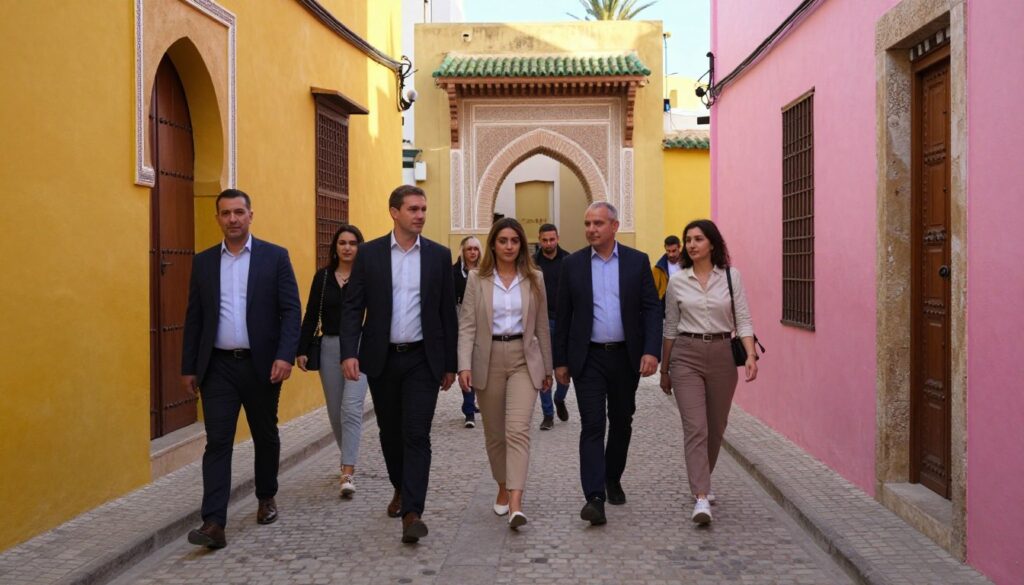
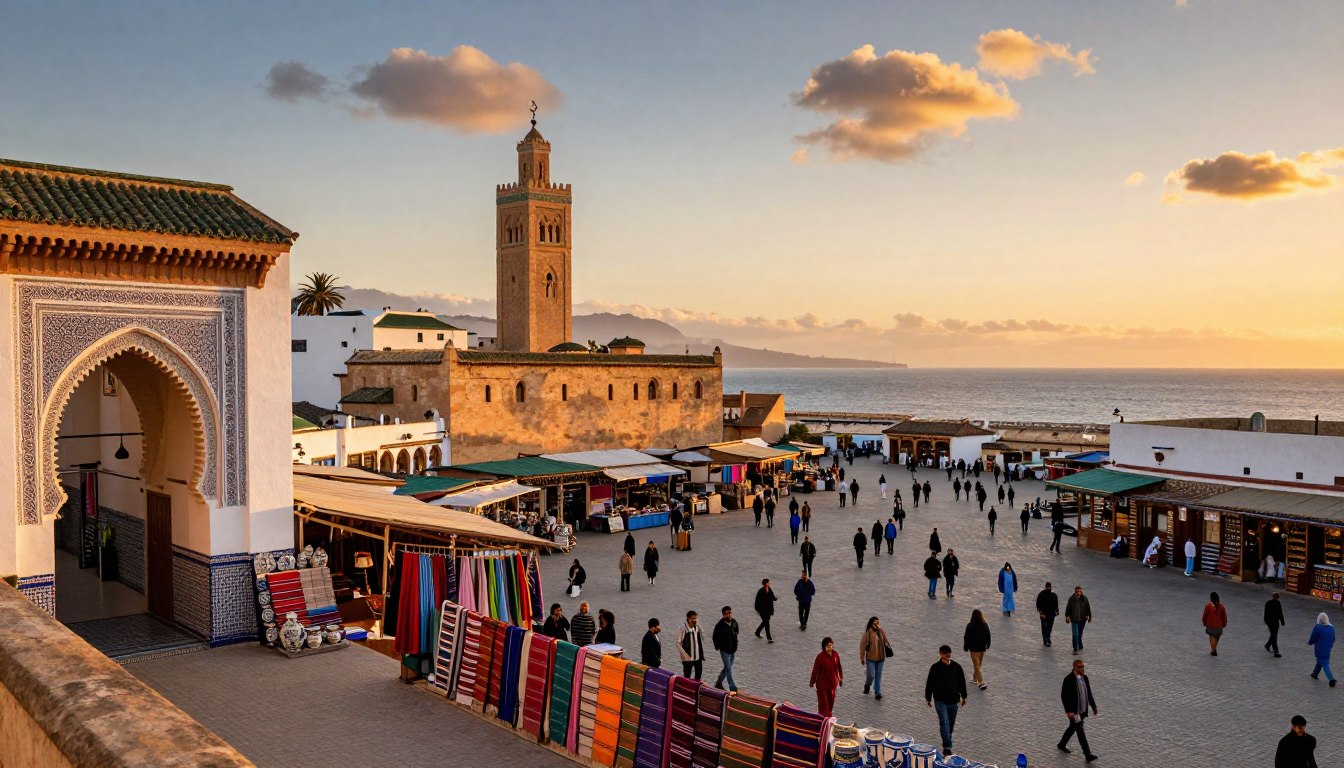
The historic medina serves as the soul of Tangier, offering a sensory journey for every traveler. This ancient walled quarter provides a visual feast with houses painted in vibrant yellows, pinks, and greens. It remains an unmissable spot where the city’s authentic character truly comes alive.
Visitors will find themselves surrounded by a maze of pedestrian-only paths. These areas connect the city’s past to its present. Exploring this district is the best way to see the true heart of Morocco.
Walking Through the Colorful Alleyways
Builders constructed high fortified walls centuries ago to protect the locals from invaders. Today, these same walls create a peaceful maze away from the modern city noise. Strolling through these narrow streets feels like a journey through time.
The atmosphere here is unique. You will hear the melodic call to prayer and smell fresh bread from traditional bakeries. While you might get turned around, the area is compact enough that getting lost becomes part of the adventure.
Download an offline map before you enter the gates. Use landmarks like tall minarets or large gates to navigate. This is the best way to see how the medina maintains its historic charm while welcoming modern visitors.
Shopping in the Traditional Souks
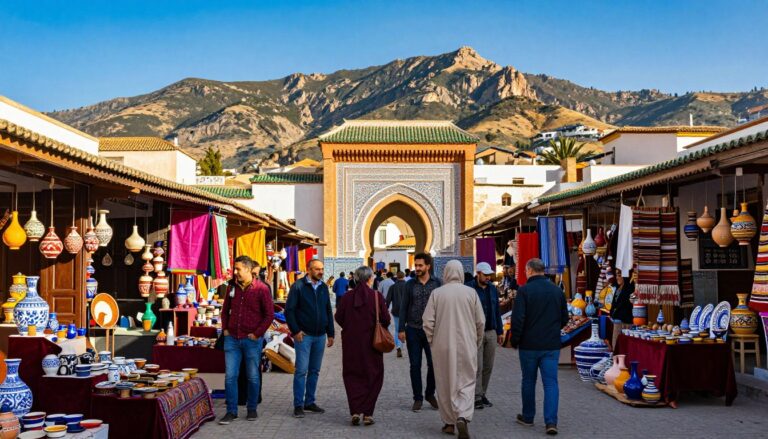
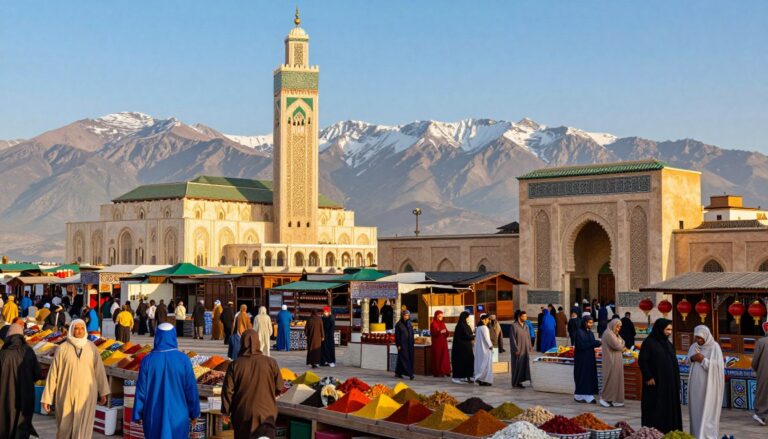
No visit is complete without visiting the souks. These traditional markets are packed with handmade pottery, vibrant spices, and soft leather goods. You can watch locals trade daily goods as they have for generations.
Haggling is a big part of the experience here. Approach the shopkeepers with a friendly smile and a fair price in mind. This respectful exchange is a great way to connect with the culture along the shopping streets.
Beyond the main souks, look for hidden riads and quiet cafes. Some of the best spots sit tucked behind small wooden doors. Exploring the medina fully means finding these peaceful corners where daily life moves at a slower pace.
Petit Socco: The Legendary Square of Writers and Artists
Stepping into the Petit Socco is like entering a time machine that transports you to Tangier’s most creative era. This intimate pedestrian place was once the most important marketplace in all of Morocco. During the early twentieth century, this small square served as the frantic hub for European diplomats and wealthy bankers.
Later, the Petit Socco gained a legendary reputation as a haven for artists like Camille Saint-Saëns and William S. Burroughs. These creative minds would sit for hours seeking inspiration in the vibrant surroundings. Half a century ago, the air here was thick with a haze of smoke and loud, passionate arguments about literature.
The famous Central Cafe became a second home for the American writers of the Beat Generation. While the chaos has calmed, it remains a fantastic place for visitors to experience local life today. You can grab a steaming cup of mint tea and settle into a chair for some legendary people-watching.
| Era | Primary Function | Key Figures |
|---|---|---|
| Early 1900s | Diplomatic & Banking Hub | European Diplomats |
| Mid-20th Century | Bohemian Meeting Point | Beat Generation Writers |
| Modern Day | Social Hang-out Spot | Locals and Travelers |
Watching people navigate the narrow alleyways from a cafe seat provides a truly authentic Moroccan experience. Lingering here allows you to feel a deep connection to the legendary figures who once occupied these same seats. It is easy to see why the Petit Socco remains a favorite neighborhood spot for residents and tourists alike.
- Sip traditional Moroccan mint tea at a buzzing cafe.
- Visit the historic Central Cafe to see where writers converged.
- Soak up the atmosphere of the medina’s most famous social hub.
Grand Socco and the Modern Marketplace
Stepping into the grand socco feels like entering a vibrant gateway between two very different worlds. This massive square serves as the primary link between the winding medina and the modern part of Tangier. It acts as a natural meeting point for locals and a perfect orientation landmark for travelers.
Visitors often find that this space captures the city’s unique energy. The atmosphere shifts from historical charm to modern hustle in just a few steps. It is the best place to start your exploration of the newer districts.
The Central Square and Fountain
The grand socco differs from traditional Moroccan markets because of its open, contemporary design. You will find a big central fountain that serves as a beautiful focal point for the entire area. Rows of palm trees line the perimeter, offering a sense of space and fresh air.

Local vendors set up stalls near the square to sell various goods. These markets offer everything from fresh produce and aromatic spices to handmade crafts and souvenirs. It is a great place to pick up authentic Moroccan treasures while enjoying the sunshine.
| Feature | Description |
|---|---|
| Layout | Large paved square with palm trees |
| Design | Modern Moroccan style with a fountain |
| Activity | Shopping and social gathering |
Cinema Rif
The legendary Cinema Rif sits on the edge of the grand socco. This building showcases a stunning Art Deco style and attracts film lovers from all over. You can enjoy a coffee at the theater’s cafe while observing the bustling part of town outside.
This iconic venue offers a unique cultural experience in Tangier:
- Art Deco Architecture: A beautiful historic gem with classic design elements.
- Independent Films: The theater screens both mainstream and artistic movies.
- Social Hub: The cafe is perfect for relaxing and people-watching.
In the late afternoons, the grand socco truly comes to life. Locals gather here to socialize and enjoy the cooler evening air. It feels like the city’s outdoor living room, where everyone is welcome to take a breather and enjoy the view.
The Kasbah: Tangier’s Fortified Quarter
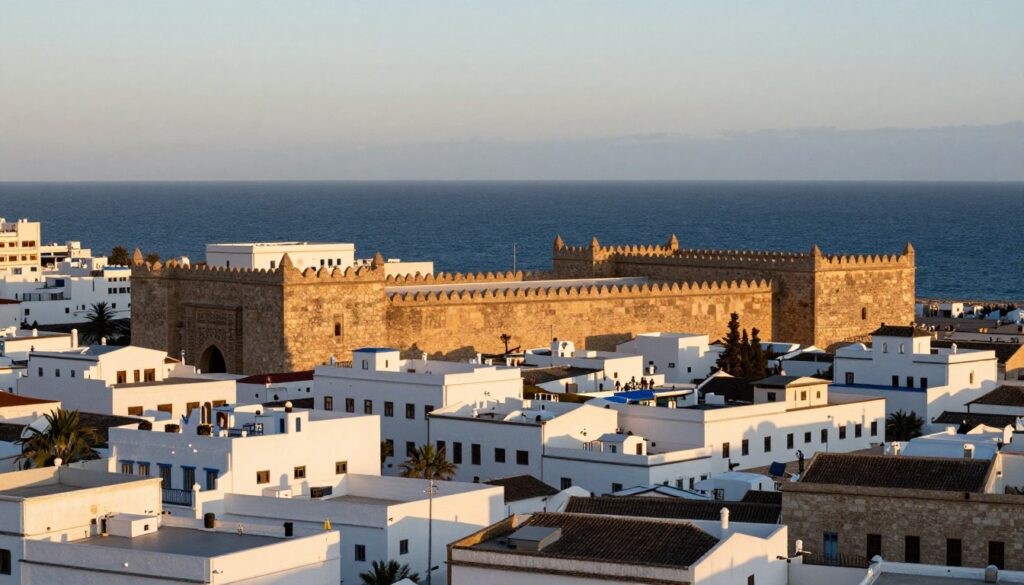
Perched at the highest point of the medina, the Kasbah serves as a window into the royal history of Tangier. This historic citadel sits at the northern end of the old city and once served as the home for local Sultans. Powerful governors ruled from this strategic elevated position for centuries.
Prepare yourself for a brisk walk up the steep, winding streets to reach the top. While the climb requires some effort, the reward is immediate once you arrive. You will enjoy stunning views that offer panoramic vistas over the port and the Strait of Gibraltar.
Kasbah Museum of Mediterranean Cultures
The Kasbah Museum of Mediterranean Cultures is the perfect place to learn about the city’s complex past. It is located inside the former Sultan’s Palace, known as Dar el-Makhzen. The architecture of the palace itself is a masterpiece of Moroccan design and craftsmanship.
Inside the galleries, you will find a vast collection of artifacts that tell the story of the region. The exhibits range from prehistoric tools to beautiful bronzes from Roman-era cities. You can also explore items from the 17th-century English period in Tangier.
Right next door, the Contemporary Art Museum occupies the space of the former Kasbah prison. A single 20 MAD ticket grants you access to both of these fascinating sites. This makes it an affordable way to soak in the local culture.
The museum operates from Wednesday to Sunday, opening at 10:00 and closing at 18:00. Please note that the facility is closed to visitors on Mondays and Tuesdays. Plan your Kasbah Tangier walking tour accordingly to ensure you don’t miss these treasures.
Bab Al Bahr: Gateway to the Sea
Just before you reach the museum entrance, you will find Bab Al Bahr, which translates to the “Gate to the Sea.” This site is widely considered one of the most spectacular lookout points in all of Tangier. The architecture of this historic gate perfectly frames the horizon for travelers.
Standing at this gateway, you can feel the history of the ancient trade routes that passed through these waters. On a clear day, the Spanish coast appears vividly across the Strait. This view creates a strong, tangible connection between the two continents of Africa and Europe.
It is a favorite spot for photographers who want to capture the essence of the Moroccan coastline. The dramatic views of the sea and the distant mountains of Spain are truly unforgettable. Be sure to have your camera ready as you pass through this iconic portal.
Exploring the Kasbah Streets
Wandering through the narrow streets of the Kasbah reveals a living, breathing neighborhood. While ancient walls enclose the area, it remains an active part of the modern city. You will see local children playing and neighbors chatting near traditional doorways.
Many of the historic riads in this quarter have been converted into charming boutique hotels. These hidden corners reward those who take the time to explore on foot. You can find peace and beauty within this authentic, fortified sanctuary.
American Legation Museum
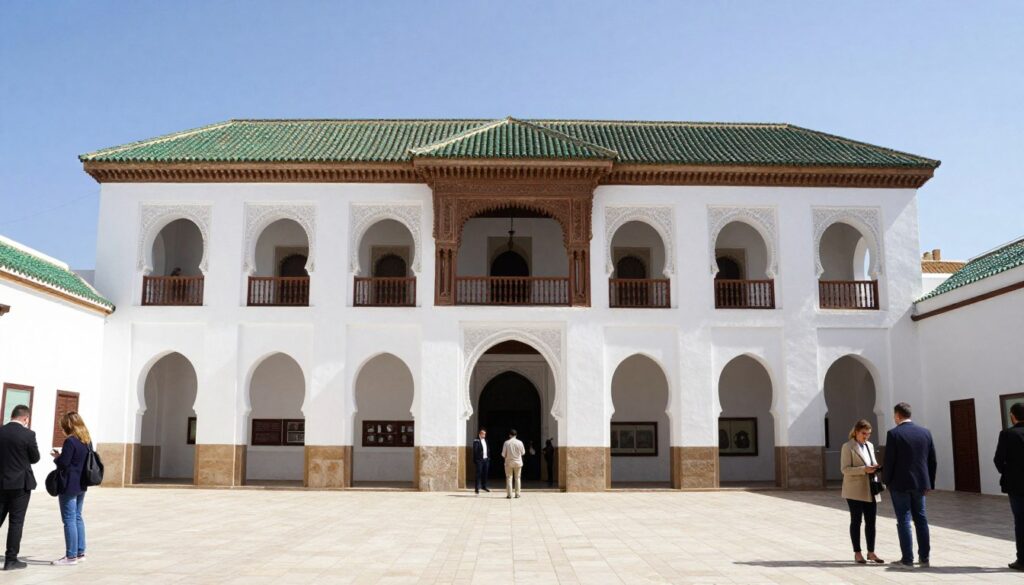
Did you know that the only US National Historic Landmark outside America is located right here in Tangier? The American Legation stands as a beautiful symbol of a very long friendship between two nations. In fact, Morocco was the first country to recognize the United States as an independent nation back in 1777.
A few decades after that recognition, the Sultan gifted this stunning five-story building to the U.S. government. It became the first public property owned by the United States on foreign soil. Today, this Moorish-style structure is listed on the National Register of Historic Places, preserving centuries of shared history.
Inside the museum, you will find well-curated exhibits that bring the diplomatic life of the city to the forefront. You can browse through old documents, rare photographs, and impressive paintings. One highlight is James McBey’s famous painting, “Zohra,” which is often called the “Moroccan Mona Lisa.”
Another incredible fact is that the collection includes an original letter from George Washington to the Sultan. Music lovers should also head to the wing dedicated to Paul Bowles. This American writer lived in Tangier for over 50 years and worked hard to preserve traditional Moroccan folk music.
Planning your visit is quite easy since the site is open most days of the week. You can visit Monday through Friday from 10:00 AM to 5:00 PM. On weekends, the doors are open from 10:00 AM until 3:00 PM, though it remains closed on Moroccan holidays.
The entry fee is 50 MAD, making it an affordable and educational stop on your journey. This site offers a unique look at how this city played a massive role in global diplomacy. It is truly a hidden gem that connects two different worlds across the sea.
Ibn Battuta Museum: Honoring Morocco’s Greatest Explorer
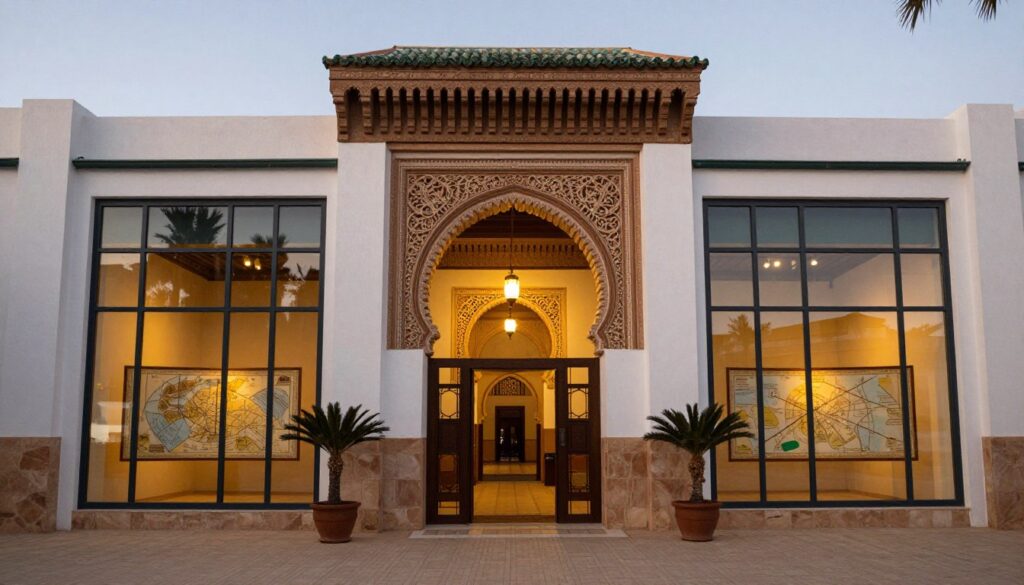
To truly appreciate Tangier’s place in global history, you must visit the museum dedicated to its greatest explorer. Born in this very city in 1304, Ibn Battuta began a journey that lasted nearly thirty years.
His incredible travels covered more than 75,000 miles, crossing through Africa, the Middle East, Europe, and Asia. This actually exceeds the famous expeditions of Marco Polo, making him a true legend of the 14th century.
The museum pays a wonderful tribute to his life through high-tech interactive exhibits. You will find translations in Arabic, French, and English, making the experience accessible for everyone on a Tangier trip.
You can walk through the halls and follow his footsteps across the globe. The displays show the many challenges he faced during his thirty-year journey. His story is a powerful testament to human curiosity and resilience.
Ibn Battuta remains a vital figure in Morocco’s cultural heritage and Islamic records. His legacy highlights Tangier’s long-standing role as a gateway for global exploration and cultural exchange.
After exploring the exhibits, take a short walk to the western part of the medina. Here, you can find his tomb, which is a quiet and humble place to pay your respects.
Including this stop on your trip offers a deep look into the city’s soul. It is a must-see destination for anyone who loves stories of discovery and the thrill of the open road.
What to See in Tangier Morocco: Coastal Wonders
Exploring the outskirts of the city reveals a world where legendary caves and ancient tombs meet the crashing waves of the sea. The rugged northern coast of Tangier offers a stunning escape from the busy city streets. These sites provide some of the most iconic views in all of North Africa.
Just a short drive away, you can find dramatic cliffs and natural landmarks where legends come to life. This area is essential for travelers who want to see the wild side of Morocco. It is the perfect place to breathe in the salty air and enjoy the horizon.
Hercules Caves and the African Outline
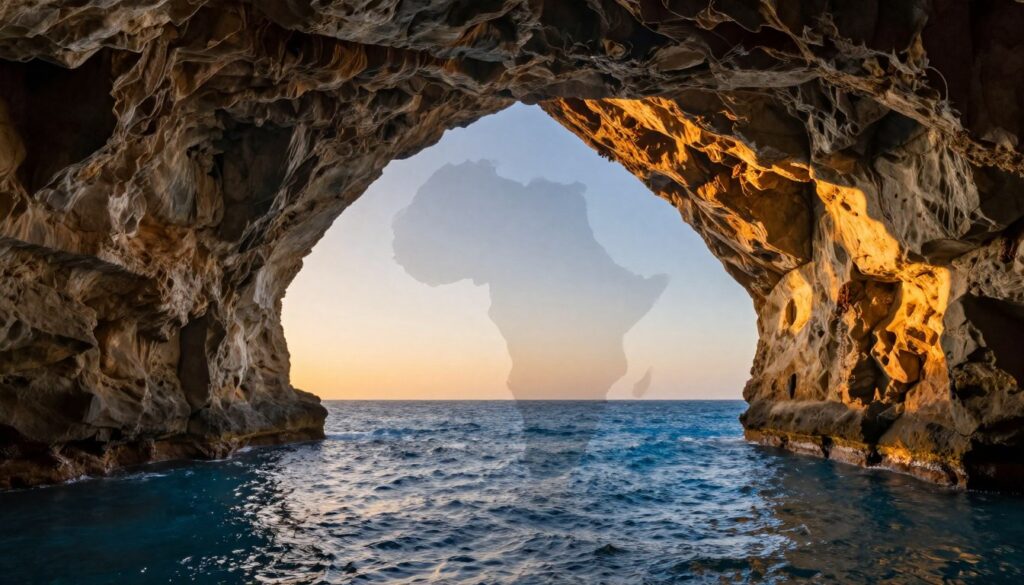
The Hercules Caves sit directly on the shoreline, where the waves crash against ancient limestone. According to local lore, the hero Hercules rested here after his Twelve Labours. He supposedly split the mountain to separate Africa from Europe and create the strait gibraltar.
The main attraction is the “Map of Africa,” an opening in the rock that looks like the continent’s outline. This spot is perfect for photography, especially when the golden sunset light shines through the gap. Visitors often line up to capture the silhouette of the sea through the dark stone.
Legend once claimed this cave was bottomless and connected to a tunnel leading all the way to Europe. Today, the Hercules Caves Tangier entrance fee is 60 MAD for the main area. You can also visit a smaller cave nearby for 5 MAD to see traditional musicians and locals.
Cap Spartel: Where Two Seas Meet
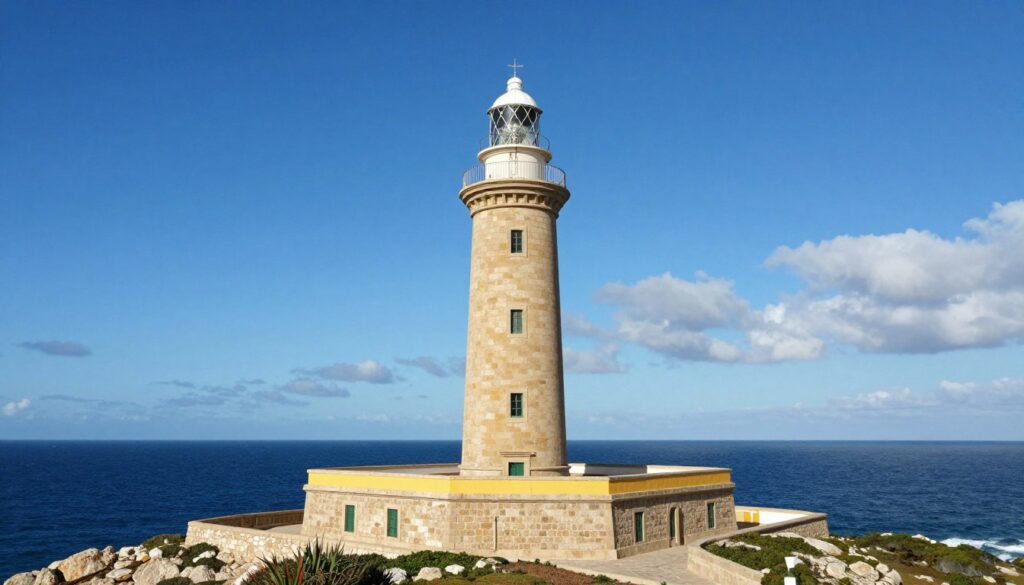
Cap Spartel is the northwesternmost point of Africa, standing 300 meters above the churning sea. This is the official meeting place where the Atlantic Ocean and the Mediterranean Sea join together. It is a peaceful spot that truly feels like the end of the world.
The 160-year-old lighthouse here is so famous it appears on Morocco’s 200 dirham banknote. Visitors can take a Cap Spartel lighthouse tour and visit a small museum about maritime history. The museum explains how this beacon helped ships navigate these dangerous waters for over a century.
Climbing to the top offers panoramic views that stretch all the way to the Spanish coastline on clear days. The 50 MAD entry fee also grants access to a beautiful botanical garden with over 150 plant species. It is a wonderful place to walk and enjoy the fresh breeze.
Phoenician Tombs
The Phoenician Tombs are ancient burial chambers carved directly into the rocky hillside overlooking the water. This open-air necropolis provides a unique look at Tangier’s earliest civilizations. Many artifacts found here are now kept in the local Kasbah Museum.
While the tombs are often filled with water, the location is still worth the trip for the atmosphere. You will enjoy a clear sight across the strait gibraltar from this high vantage point. It is a quiet place to reflect on the long history of this famous port.
Hiring a taxi is the most convenient way to reach these coastal attractions outside the city. A trip between sites usually costs about 50 MAD, and the return trip to the center is around 120 MAD. This is the best way to ensure you see everything comfortably in one afternoon.
The Corniche and Tangier’s Beautiful Beaches
Beyond the narrow streets of the Medina, the sprawling Bay of Tangier beckons with its modern waterfront promenade. The Corniche is a spectacular place to enjoy the fresh sea air and watch the world go by.
This massive urban project transformed the coastline into a lively social hub for locals and tourists alike. The energy here is infectious, especially during the warm summer evenings when families gather to enjoy the sunset.
Strolling the Corniche Promenade
This stunning walkway stretches gracefully from the new tourist port all the way to the historic Villa Harris. Tall palm trees line the path, providing much-needed shade during your afternoon walk.
Vibrant restaurants and cafes pack the promenade, offering plenty of spots to grab a refreshing mint tea. On clear days, the views across the water are incredible, often revealing the Spanish town of Tarifa in the distance.
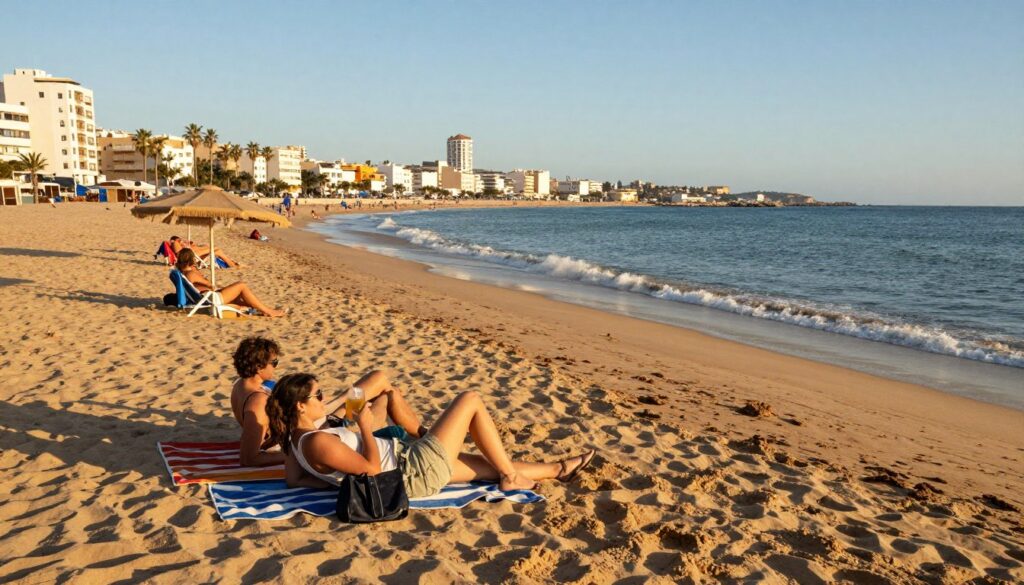
Tangier Beach and Plage Municipale
The most convenient beach for travelers is the Plage Municipale, which sits right against the city’s heart. This long stretch of golden sand is perfect for sunbathing or a casual game of football.
While the sand is beautiful, the water quality in this urban area is not always ideal for a long swim. However, it remains a favorite spot for visitors with limited time who want to feel the sand between their toes.
Merkala Beach and Playa de la Alcazaba
For a better swimming experience, venture slightly away from the central harbor. Merkala Beach, often called “Casino Beach,” offers much clearer water and great snorkeling spots for adventure seekers.
You can spend your time at Playa de la Alcazaba for a more tranquil and scenic beach experience. This coastal area also offers exciting activities like kayaking and jetskiing for those seeking a thrill.
| Beach Name | Best For | Key Feature | Atmosphere |
|---|---|---|---|
| Plage Municipale | Sunbathing | Golden Sand | Lively & Urban |
| Merkala Beach | Snorkeling | Clear Water | Active |
| Playa de la Alcazaba | Swimming | Scenic Views | Tranquil |
| Malabata beach | Lounging | Near Cafes | Relaxed |
Grand Mosque and St Andrew’s Church
Tangier’s rich spiritual landscape offers a unique look at how different faiths have coexisted for centuries. As you explore the city, you will notice that its buildings tell a story of changing empires and cultural exchange. These sites provide a deep dive into local history while offering a quiet escape from the busy streets.
Grand Mosque of Tangier
During your time in the Tangier Medina, make sure to stop at the Grand Mosque. Workers built this structure in the early 1800s on the site of a demolished Portuguese church. This transition from a church to a mosque symbolizes the many layers of the city’s past.
The Grand Mosque is a beautiful sight for any visitor. Its prominent minaret pierces the town’s skyline and serves as a major landmark. The tower features distinctive white and green tiles that catch the light beautifully throughout the day.
Inside the building, you would find a prayer hall and a courtyard with a fountain for ritual ablutions. However, the authorities do not allow non-Muslims to go past the decorated gates. Even from the outside, the stunning architecture makes it a highlight of the Medina.
St Andrew’s Church and Cemetery
St Andrew’s Church is among the oldest Anglican churches in North Africa. It is located just a couple of minutes on foot from the grand socco. This location makes it very easy to visit during a day of sightseeing.
Sultan Hassan I granted Tangier’s British community permission to build a church in 1880. The first building was too small, so the community erected the current church in 1905. It features a unique Moorish style that blends English tradition with Moroccan art.
You should look for these special features during your visit:
- A copy of the Lord’s Prayer written in Arabic above the main altar.
- An overgrown cemetery with gravestones of famous travelers.
- The grave of “Dean,” a legendary local bar owner.
- Intricate carvings that reflect local craftsmanship.
Visiting this site adds a bit of peaceful reflection to your trip. The church is a quiet sanctuary located very close to the grand socco. It shows the incredible cultural blending that makes Tangier so special to modern travelers.
| Feature | Visiting Hours | Admission |
|---|---|---|
| Monday – Thursday | 10:00-13:00 & 15:00-17:00 | Free |
| Friday | Closed | N/A |
| Sat – Sun | 10:00-13:00 & 15:00-17:00 | Free |
Iconic Cafés Where History Was Made
The heartbeat of Tangier lives within its historic cafes, offering a window into a world of literary giants and musical legends. Tangier is widely considered one of the best cities in Morocco to experience a deep-rooted cafe culture. These establishments are far more than just spots for a quick drink.
They act as social hubs and creative sanctuaries that helped shape the city’s bohemian reputation. Writers, artists, and musicians have spent decades sharing ideas over steaming glasses of tea. Exploring these legendary spots is essential for any traveler.
Café Hafa: Mint Tea with a View
Opened in 1921, the historic Café Hafa hasn’t changed a bit since its first day. It is arguably the most spectacular place in town to enjoy traditional Moroccan mint tea. You can sit on the multi-tiered terrace and admire the gorgeous panorama of the Mediterranean Sea.
Its reputation for hosting celebrities like the Beatles and the Rolling Stones makes it a top destination. The atmosphere is often huge and chaotic, giving the spot an energetic and vibrant vibe. You will see busy waiters rushing across the terrace, balancing metal buckets full of mint tea.
We recommend sticking to the mint infusion rather than the food here. Be prepared for a somewhat disorganized payment process, but the history makes the visit worthwhile. This legendary spot is open every day from 9:00 to 23:00.
Café Baba: A Bohemian Hideaway
Café Baba has welcomed visitors since 1943 with its faded sign and worn-out furniture. It truly feels like time stood still inside this legendary bohemian hideaway. Many people visit specifically for the scent of fresh coffee and Moroccan mint tea.
You will likely notice the smell of kif being smoked openly on the famous blue terrace. Photos of famous names like Kofi Annan and the Rolling Stones cover the walls. This place remains a living museum of Tangier’s eclectic and countercultural past, serving mint tea to a new generation.
Central Cafe: Where Beat Writers Gathered
Located in the Petit Socco, the Central Cafe was the primary meeting spot for Beat Generation writers. Famous American authors would often converge here to discuss big ideas over a glass of mint. It remains a vital part of the local tea culture and history.
Locals still prefer their mint brew strong and very sweet in this historic square. Each cup of tea tells a story of the artists who once called Tangier their home. These cafes are not just stops for refreshments; they are the true soul of the city.
Best Restaurants and Where to Eat in Tangier
If you are wondering where to find the most delicious meals, the city’s culinary scene offers a vibrant mix of flavors. Tangier serves as a melting pot of cultures, and its menu reflects this rich history. From high-end establishments to humble street stalls, the variety of restaurants ensures that every visitor finds a favorite dish.
Restaurant Saveur de Poisson
If you only eat at one place during your trip, make it this one! This famous spot was a favorite of Anthony Bourdain and translates to “The taste of fish.” You do not choose your meal here; instead, guests enjoy a fixed menu for 250 MAD.
The experience starts with Moroccan bread, spicy harissa, nuts, and olives. Soon, the staff serves a five-course feast that begins with a warm bowl of fish broth. You will then enjoy a sizzling fish tagine with spinach and unique baby shark skewers.
The main course features a platter of grilled fish drizzled with fresh herbs. The fish is so delicate it practically melts in your mouth. You also get unlimited refills of their incredible homemade prune juice. For dessert, they serve sweet couscous with honey and seasonal pomegranate. Even those who usually avoid seafood find this food absolutely incredible.
Other Dining Options in the Medina
The historic medina features many smaller restaurants that offer authentic flavors. Because of international influences, the food in Tangier is a bit more diverse than in other Moroccan cities. You can easily grab a traditional tagine for lunch at the spots lining the Grand Socco.
To truly understand the local flavors, consider joining a culinary tour with one of the locals. These experts lead you to hidden spots where cooks prepare food using age-old recipes. It provides a bit of adventure for anyone looking to explore the evolving culinary landscape.
Wandering through the medina allows you to discover where the residents actually eat. This is the best way to find restaurants that feel genuine and exciting. Tangier’s unique food culture is a highlight that you will remember long after your journey ends.
Join a Guided Tour to Discover Hidden Gems

While Tangier isn’t a massive metropolis, its dense network of alleyways holds countless secrets best found with a guide. This vibrant city has long served as a crucial gateway between Africa and Europe. This unique position creates a rich culture that you can find in every corner of the historic Medina.
Rather than just wandering and potentially missing important hidden things, a great idea is to rely on expert local knowledge. A professional tour provides a well-rounded panorama of the local history and cultural heritage. You will gain a much deeper understanding of the landmarks than you would by using a guidebook alone.
Half-Day and Full-Day City Tours
A half-day guided city tour is a perfect way to maximize your time. You will stroll through the winding alleys of the old town while experiencing the smells and sounds of the souks. These options often include a comfortable drive out to the coast to see the famous Cape Spartel.
Local guides disclose fascinating stories about the gateway between two continents. They help you navigate the maze-like streets so you can see the best things without getting lost. Choosing a full-day tour allows for a more relaxed pace and extra stops at scenic viewpoints. It is the best way to ensure you don’t miss any iconic landmarks during your visit.
Food and Culinary Walking Tours
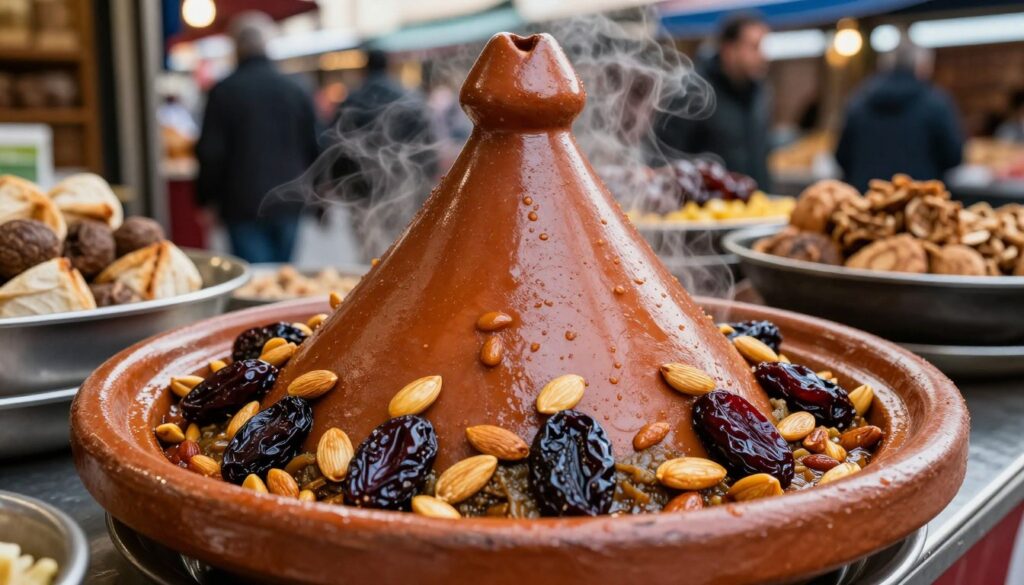
Once you taste authentic Moroccan food, you will fall in love with the tasty options available. A food walking tour is one of the most delicious things to do in the city. You can sample classic dishes like tagine, harira, and couscous while learning about their cultural significance.
Tangier’s cuisine is particularly interesting because of its various international influences. You can join a local expert who will disclose the secrets of traditional Moroccan cooking. Some tour experiences even include a trip to the local market to buy fresh ingredients for a hands-on cooking class.
These culinary experiences are a great use of your time and offer a true taste of local life. You will walk away with a full stomach and a deeper appreciation for Moroccan hospitality. It is an unforgettable way to connect with the people and traditions of Tangier.
Unforgettable Day Trips from Tangier
While Tangier has plenty to offer, venturing outside the city limits reveals even more Moroccan magic. You can explore nearby mountain towns and historic cities without ever having to pack your bags and move to a new hotel. These trips add incredible value to your stay and showcase the diverse beauty of the northern region.
If you have extra days in your itinerary, taking a short journey away from the coast is a great idea. It is the best way to see how local culture changes from the sea to the mountains. Planning your time wisely ensures you see the very best of Northern Morocco during your trip.
Chefchaouen: Morocco’s Blue Pearl
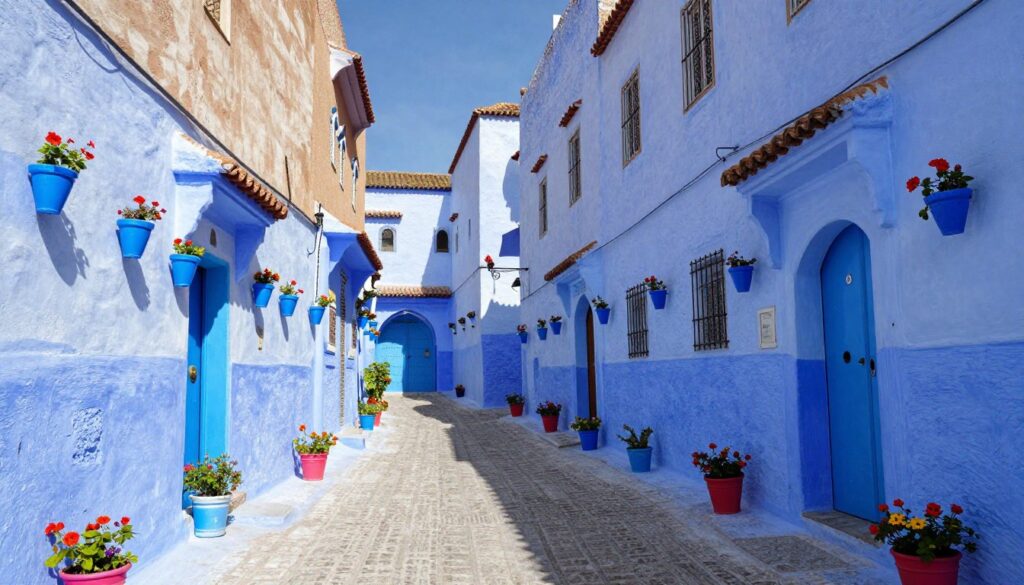
Chefchaouen is undoubtedly the most famous day trip from Tangier for travelers seeking beauty. This mountain town is iconic because almost every building in the center is painted in stunning shades of blue. It creates a dazzling effect that shifts and glows as the sunlight moves throughout the days.
The main attraction here is simply walking through the streets to photograph the gorgeous buildings. You can also visit the main square to find cozy cafes and local restaurants for a relaxing lunch. For those who love nature, the surrounding peaks offer scenic hiking trails that offer a different view of these blue trips.
Taking a guided day trip is the easiest way to reach the mountains comfortably. You will have plenty of time to explore the winding alleys and shop for unique wool blankets and woven rugs. It is a peaceful escape that feels worlds away from the busy cities on the coast.
Tetouan: A UNESCO World Heritage Medina
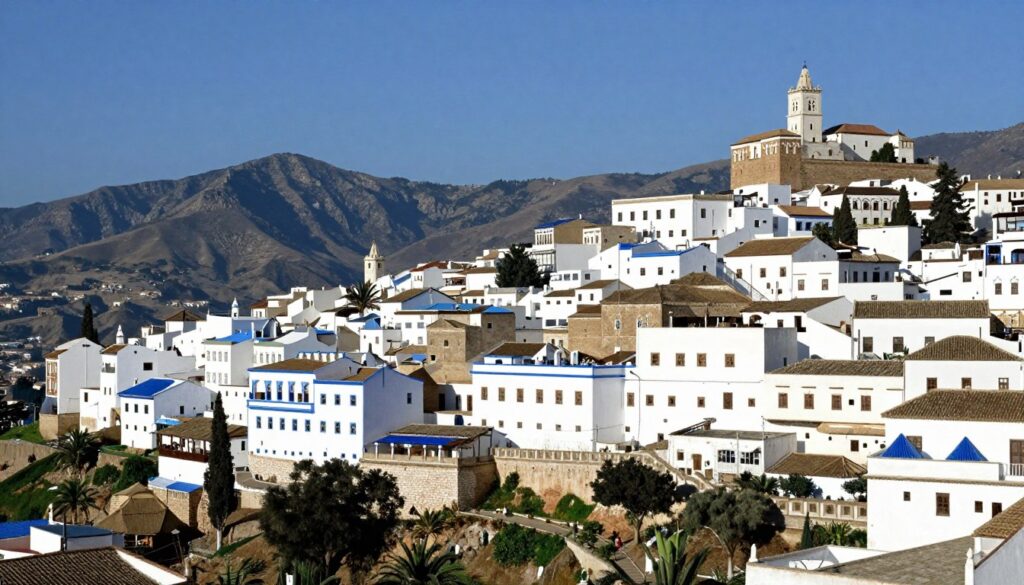
Tetouan is a historic gem located on the northern coast with deep roots in Andalusian culture. Its medina is a UNESCO World Heritage Site that sits beautifully on the slope of a hill. You can visit this authentic city to see a traditional lifestyle that has remained unchanged for centuries.
Many organized trips combine Tetouan and Chefchaouen into one full day of exploration. This is a smart way to experience two distinct cities while maximizing your vacation time. The white-washed buildings of Tetouan provide a striking contrast to the blue walls you will see later in the day.
Rabat: Morocco’s Capital City
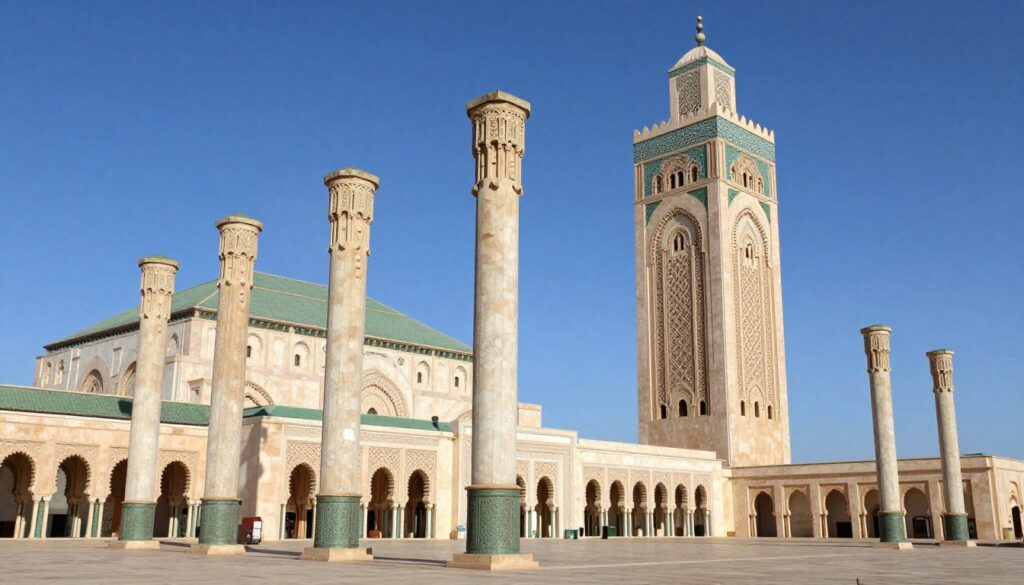
Located about 250 kilometers south, Rabat is a fascinating destination for a day trip. As the capital, it features a unique blend of three historical periods, ranging from ancient fortresses to modern landmarks. If you have a few spare days, this visit offers a look at the more organized and green side of Moroccan cities.
You can explore the massive Udayas Kasbah or walk through beautiful European-style gardens. While it is a longer day trip, the high-speed train makes the journey very fast and comfortable. It is one of the most striking cities to see if you want to understand Morocco’s modern progress and royal history at the same time.
Gibraltar: A British Territory in Spain
For an international adventure, you can take a ferry across the strait to visit Gibraltar. Simply head to the Tangier Ville port in the center or the larger Tanger Med port to start your journey. Once you reach the Spanish port, a quick bus ride takes you directly to the British territory.
Make sure to check the ferry schedule in advance, as the ferry crossing times can vary. This trip allows you to see the famous Rock and meet the local Barbary macaques. Using the ferry is a fun and scenic way to bridge two different continents in a single day.
Conclusion
Tangier stands as a vibrant bridge between continents, blending a storied past with an exciting, modern future. While it may not have the fame of Marrakech, this city absolutely deserves a spot on your itinerary. You can see the main sights in a few days, but staying a bit longer reveals its true soul.
To get the most out of your visit, make sure you balance your time between the ancient medina and the newer districts. You will find that the best things about this place are often the simplest moments. Imagine sipping hot mint tea at a cliffside café while the sun dips below the horizon.
When looking for things tangier provides, you will encounter a mix of historic kasbahs and beautiful coastal views. The city is a place of contrasts, where traditional life meets rapid development. Make sure to approach your journey with an open mind to enjoy every discovery.
Planning helps you see the highlights without feeling rushed by the pace of the city. However, you should also leave room for spontaneous walks through the blue-tinted alleys. Make sure you realize that the best things involve more than just checking boxes; they are about the atmosphere of the city.
Finding the specific things tangier offers means exploring legendary writers’ haunts and hidden gardens. The best things include using this unique location as a gateway to the rest of the country. Take the time for a bit more exploration, and you will see why this city remains a favorite. Finding more things tangier has to offer is easy once you dive into the local culture.
| Aspect | Recommendation |
|---|---|
| Ideal Stay Length | 2 to 3 Days |
| Top Landmark | The Kasbah Museum |
| Best Experience | Sunset at Café Hafa |
| Travel Style | Bohemian and Coastal |