What to Do in Tetouan Morocco A Friendly Travel Guide
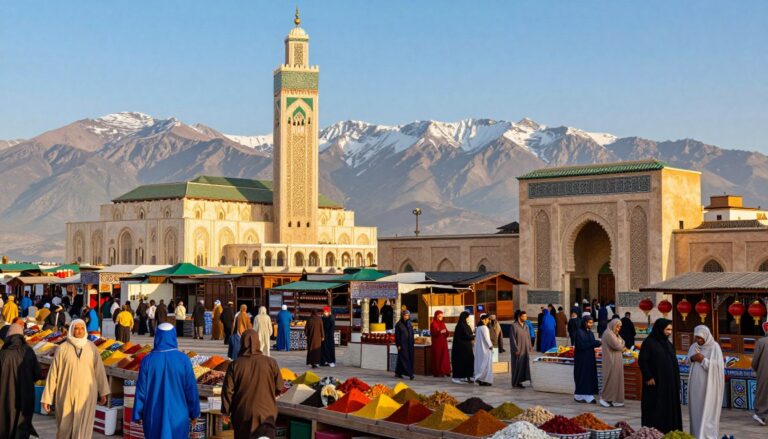
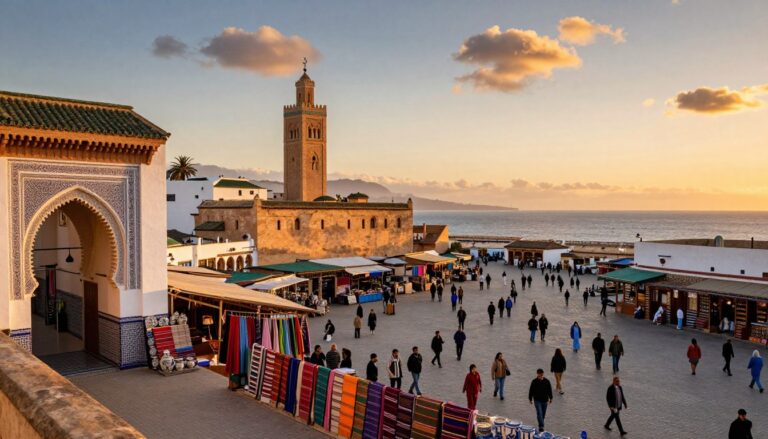
Welcome to the stunning “white dove,” a hidden gem nestled within northern Morocco. This charming place offers an authentic experience for those seeking beauty away from busy tourist trails. You will quickly fall in love with its unique blend of Andalusian heritage and local traditions.
The city shines with striking whitewashed buildings that symbolize peace and purity. Located between the Rif Mountains and the Mediterranean Sea, it provides a visually stunning urban landscape. This environment creates a truly peaceful vibe that every visitor adores.
Our comprehensive guide explores nineteen sections filled with practical tips, rich culture, and must-see attractions. Whether it is your first time here or you are returning, discovering the authentic charm of this city is easy. Learning about the UNESCO-listed medina helps you navigate like a local.
You will soon understand why Tetouan deserves a prominent spot on your travel journey. Get ready to explore everything from traditional crafts to modern art in this beautiful region.
Why Tetouan Deserves a Spot on Your Morocco Itinerary
Exploring the northern reaches of the country reveals a city that balances ancient traditions with a breezy Mediterranean vibe. Tetouan offers a quiet alternative to the bustling centers most tourists visit. It provides a rich experience for those seeking authenticity and local life.
The White Dove of Northern Morocco
Locals call this place the white dove because of its brilliant whitewashed buildings. These homes sit against the green backdrop of the Rif Mountains, looking like a bird about to take flight. This unique architecture creates a peaceful atmosphere that contrasts with the red cities of the south.
The white dove is not just a pretty sight; it also holds a prestigious UNESCO heritage status. Its medina remains one of the most complete and untouched in the entire country. You can feel the weight of centuries as you walk through its well-preserved gates and alleys.
Less Crowded Than Marrakech and Fez
Unlike the hectic streets of Marrakech, this destination allows you to breathe and explore at your own pace. You will not find aggressive touts or massive tour groups blocking your path. It is a refreshing change for travelers who want to see northern Morocco without the constant stress of crowds.
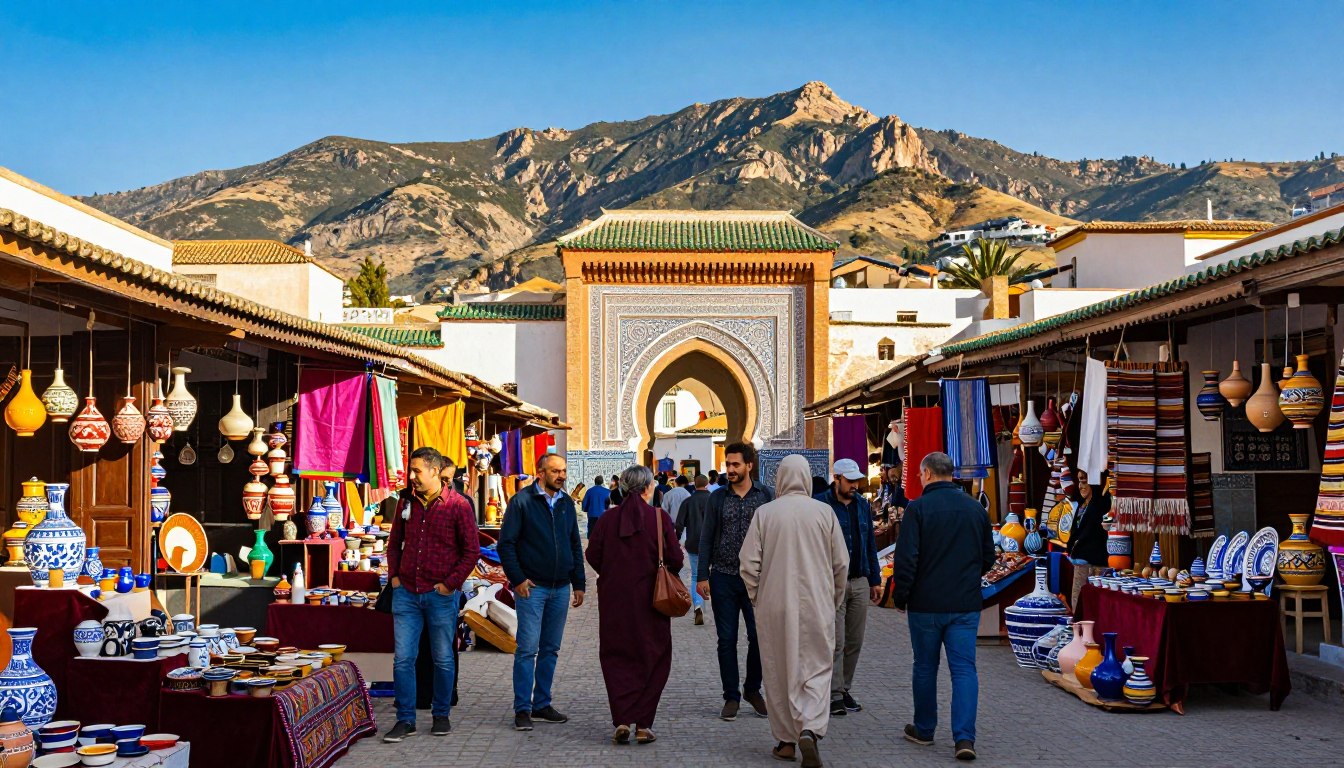
The local markets serve the residents rather than just selling souvenirs to visitors. You can watch artisans work on their crafts in a setting that feels completely genuine. This makes every interaction feel more like a real conversation and less like a sales pitch.
| Feature | Tetouan | Busy Hubs (Fez/Marrakech) |
|---|---|---|
| Vibe | Relaxed and Authentic | Hectic and Touristy |
| Crowd Level | Very Low | Extremely High |
| Primary Focus | Local Life | Tourism Industry |
Perfect Blend of Culture, History, and Mediterranean Charm
This location bridges two continents through its fascinating history. Centuries of Spanish and Moorish interaction shaped the traditions and buildings you see today. You can see this Andalusian influence in everything from the tiled doorways to the local music.
The town’s compact size makes it easy to navigate in just a few days. You are also just 15 kilometers away from the stunning mediterranean coast for a quick beach escape. This mix of mountain culture and seaside relaxation creates a well-rounded trip for any curious traveler.
Step Into the UNESCO-Listed Medina Through Bab al Okla
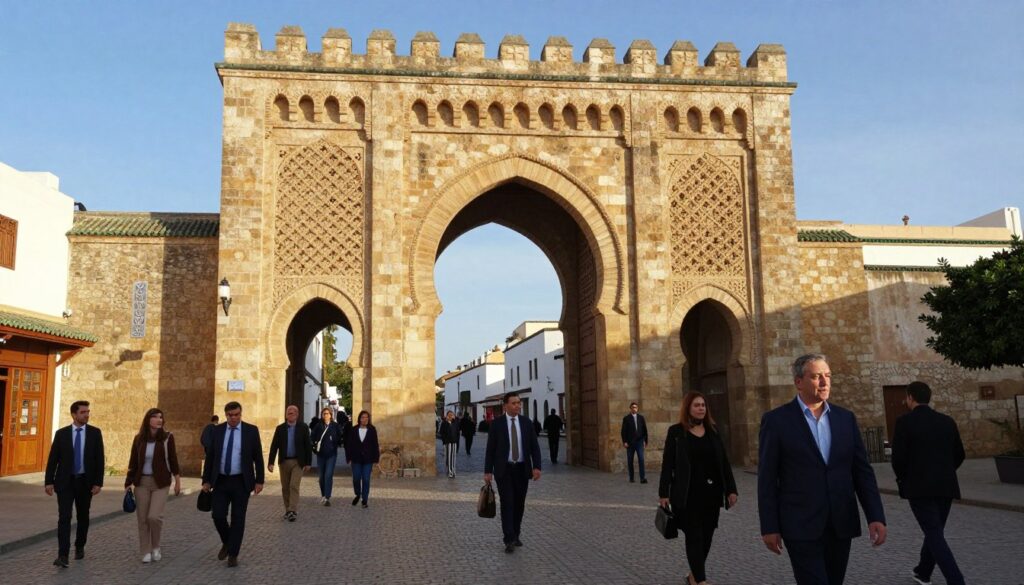
Your adventure in the “White Dove” truly begins at the majestic Bab al Okla, the most famous gate into the old medina. This grand stone entrance serves as the perfect bridge between the bustling modern city and the quiet secrets of the past. It offers a powerful transition moment where the noise of traffic fades into the echoes of tradition.
Your Gateway to Centuries of History
Bab al Okla has welcomed visitors for centuries. It marks the start of your journey into the unesco world heritage site. During this time, the gate stood as a defensive shield for the people living inside the fortified walls.
Andalusian refugees rebuilt the city in the 15th and 16th centuries. Crossing this threshold feels like a physical shift in the atmosphere. You leave the modern world behind for the living heritage of the Medina Qadima.
The Ethnographic Museum Inside the Gate
You will find the Ethnographic Museum tucked right inside a former fortress building at the gate. This small but rich museum offers a wonderful look into local culture. It displays traditional Rif clothing, beautiful jewelry, and old agricultural tools.
Seeing these items first helps you understand the local life you will encounter later. It provides the perfect context before you dive into the labyrinth of shops and homes. The museum overlooks the medina, giving you a great vantage point for your first photos.
What Makes This Entrance Special
The gate sits on an elevated spot that gives you a sneak peek of the streets below. We recommend visiting in the early morning for the best history photos. The light hits the thick defensive walls and solid arches beautifully at that hour.
You can almost feel the weight of history as you touch the cool, ancient stones. It is the most authentic way to start your day. Spending a few minutes here ensures you appreciate the resilience and beauty of Tetouan before you get lost in its charm.
Get Lost in the Whitewashed Alleys of Medina Qadima
The medina of Tetouan is more than a cluster of old buildings. It is a living masterpiece. Stepping into these winding, snowy-white corridors offers a glimpse into a world that feels largely unchanged by time.
This world heritage site preserves a stunning blend of Berber traditions and Andalusian elegance. You will quickly notice how the high walls protect the secrets of the past. It serves as an invitation to leave the modern world behind and embrace history.
Unlike the bustling hubs of Fez or Marrakech, the atmosphere here remains calm and deeply personal. You will find that the daily rhythm centers on community needs rather than tourist demands. It is an intimate experience that invites you to slow down and observe.
Andalusian Architecture You’ll Fall in Love With
The architecture throughout the old city tells a story of cultural migration and expert craftsmanship. You will see delicate wooden balconies and vibrant green-tiled roofs that reflect a Spanish-Moorish heritage. These details date back to the late 15th century when Andalusian refugees rebuilt the city.
Many homes hide beautiful interior courtyards behind humble, whitewashed walls. These hidden gems feature intricate tilework and carved plaster that showcase the city’s artistic soul. Walking here feels like a journey through an open-air museum of unesco world heritage status.
The distinctive architecture design ensures that even the narrowest alleys feel airy and bright. Every corner presents a new visual delight for those who appreciate historical detail. You can spend hours simply admiring the heavy, studded doors and their ornate knockers.
How Tetouan’s Medina Stays Authentically Local
This area is a working neighborhood where locals go about their daily routines. You will smell the aroma of fresh bread baking in communal ovens and hear the rhythmic sound of metalworkers. The market stalls overflow with seasonal produce and aromatic spices meant for family kitchens.
Because the city caters primarily to residents, the street life feels genuine and unscripted. You are a guest in a space where trade and prayer still dictate the passage of time. This authenticity makes the medina stand out as a truly unique Moroccan destination.
Tips for Exploring Without Getting Too Lost
Navigating the maze is easier when you remember a few simple tricks. While the alleys are narrow, the smaller scale of Tetouan makes it less overwhelming than larger cities. Most paths in the medina eventually lead back to one of the main city gates.
| Goal | Practical Tip | Time Frame |
|---|---|---|
| Fresh Markets | Follow the scent of warm bread | 8:00 AM |
| Navigation | Photograph unique doors at turns | All Day |
| Photography | Catch light on white walls | 4:00 PM |
Don’t be afraid to wander, as the most charming corners are often tucked away. Getting “lost” usually leads to discovering the best hidden spots. If you feel confused, simply ask a shopkeeper for the nearest gate, as they are very helpful.
Shop and Haggle in Traditional Souks and Markets
To truly understand the heartbeat of the city, you must step into the vibrant markets where trade has thrived for centuries. The medina is divided into distinct sectors, each offering a unique window into Moroccan culture. Whether you seek a handmade souvenir or a taste of fresh produce, these streets provide an unforgettable experience.
The Artisan Quarter on Terrafin Street
Head toward Terrafin Street to find the soul of Tetouan’s craftsmanship. This area is home to the artisan quarter, where skilled workers create goods using ancient techniques. You can watch as talented artisans transform raw leather into bags or weave intricate carpets right before your eyes.
The shops here overflow with beautiful treasures that make perfect gifts. You can find a variety of handmade items, such as:
- Hand-woven rugs and hand-stitched textiles
- Soft leather slippers and stylish travel bags
- Shimmering silver jewelry and costume pieces
- Hand-painted ceramic pottery and wooden crafts
Fresh Food Market on Trankat Street
For a change of pace, enter the food market via the Bab Tut gate. Trankat Street serves as a vital artery where locals shop for their daily needs. You will encounter heaps of aromatic spices and colorful fruits that fill the air with a sweet scent.
The market spans several levels to accommodate different vendors. The ground floor features circular stone tables where sellers display the morning’s fresh catch of fish. This bustling atmosphere perfectly captures the rhythm of Moroccan life through its sensory delights.
| Market Item | Where to Find It | Best Time to Buy |
|---|---|---|
| Leather Goods | Terrafin Street | Late Morning |
| Fresh Fish | Trankat Street | Early Morning |
| Aromatic Spices | Trankat Street | All Day |
Friendly Haggling Tips for First-Timers
Negotiating prices is a standard part of the culture within the medina. It is helpful to visit in the morning when vendors are most energetic. Remember to bring cash in small denominations to make your transactions much smoother for everyone involved.
When haggling, aim to start at about 50% of the initial asking price. Always maintain a friendly and respectful attitude throughout the negotiation process. If the price does not fit your budget, do not be afraid to politely walk away.
Supporting these local trades ensures that traditional families can continue their meaningful work. Every purchase you make helps preserve the heritage of this beautiful city. Enjoy the process and look for items that truly speak to your personal style.
Witness Ancient Craftsmanship at the Tanners’ Quarter
If you want to see a raw and authentic side of Moroccan life, head straight to the ancient Tanners’ Quarter. This hidden corner of the medina offers a rare glimpse into history. It is a place of hard work, vibrant colors, and deep-rooted traditions.
Walking through the narrow passages, you will notice the atmosphere changes as you get closer. This area remains one of the most traditional spots in the entire medina. It is a must-visit for anyone looking to understand the local way of life.
The Traditional Leather Tanning Process
The process begins with workers soaking animal hides in large stone vats built into the ground. These pits contain mixtures of lime and water to clean and soften the leather. It is a physically demanding job that requires great strength and patience.
After cleaning, the men use natural ingredients to dye the materials. They often use saffron for yellow and poppy for red. Once the coloring is finished, they stretch the skins out to dry under the Mediterranean sun.
| Material or Dye | Natural Source | Primary Purpose |
|---|---|---|
| Yellow Dye | Saffron Flowers | Adding vibrant color |
| White Solution | Lime and Salt | Softening the raw skin |
| Blue Dye | Indigo Plant | Creating deep cool tones |
| Brown Dye | Cedar Wood | Traditional earthy finish |
Meeting the Last Remaining Tanners
This trade has been a vital part of the city for centuries. In the past, more than a hundred experts worked in these very pits. Now, only four active artisans remain to keep the craft alive.
The decline of this industry threatens an important piece of Tetouan’s cultural heritage. By visiting, you help bring attention to their incredible skills. It is a sobering reminder of how modern life can replace ancient manual arts.
These few remaining men work in the same way their ancestors did. They do not use modern machines or harsh chemicals. Every step is done by hand with local knowledge passed down through generations.
What to Know Before You Visit
The Tanners’ Quarter is a sensory experience, but the smells can be very intense. The natural solutions used in the vats have a strong, pungent odor. Consider carrying a sprig of fresh mint to hold near your nose while you walk around.
You should also think about hiring a local guide to show you the way. They can explain the different stages of the work and introduce you to the tanners. Respect the working environment and always ask before taking close-up photos of the people.
Supporting this endangered craft is easy if you look for finished goods in the nearby markets. You can find many items made from this very leather, such as:
- Hand-stitched babouche slippers
- Durable travel bags and belts
- Decorative Moroccan poufs
- Soft wallets and purses
Buying these products ensures that the few remaining craftsmen can continue their work. It is a great way to take a piece of Tetouan’s history home with you. Your purchase directly impacts the survival of this ancient neighborhood.
Discover Traditional Arts at Dar Sanaa and Dar el Oddi
Beyond the busy market streets lie Dar Sanaa and Dar el Oddi, two gems that showcase the city’s creative spirit. These historic houses provide an intimate look into the artistic heritage of Tetouan.
Visitors can explore these preserved buildings to see how local families lived and worked for centuries. They offer a peaceful atmosphere compared to the energetic souks nearby.
House of Arts and Living Craftsmanship
Locals often call Dar Sanaa the House of Arts because it serves as a vital center for traditional art. This institution focuses on preserving old techniques that many fear might disappear forever.
The building itself acts as a school where masters teach their secrets to the younger generation. You can feel the dedication in every room as students learn to master complex patterns and materials.
Watching Artisans at Work
Inside the workshops of Dar Sanaa, you can watch skilled artisans practice their trade in real-time. They work on several traditional crafts, including leatherwork, pottery, and intricate embroidery.
You might see someone weaving colorful textiles on a large wooden loom with incredible speed. These handmade goods reflect a mix of Berber and Arab influences that define the region’s style.
Beautiful Andalusian Architecture and Courtyards
The architecture of these homes highlights the classic Moroccan style of building inward. This design features a central courtyard that brings natural light into every room while keeping out the heat.
Detailed zellij tilework and carved wooden ceilings decorate the walls and floors. This layout creates a serene space where you can escape the noise of the crowded streets for a moment.
Dar el Oddi specifically holds a rare collection of manuscripts and photos. These items trace the history and cultural growth of Tetouan’s most prominent families.
| Feature | Dar Sanaa | Dar el Oddi |
|---|---|---|
| Primary Role | Craft School | Cultural Archive |
| Key Highlight | Live Workshops | Historic Photos |
| Main art Focus | Handmade Goods | Family History |
| Atmosphere | Creative & Busy | Quiet & Studious |
| Design Style | Andalusian | Andalusian |
Keep in mind that these spaces sometimes have irregular opening hours during the week. It is often best to visit with a local guide who can ensure the doors are open for you.
Explore Tetouan’s Museum Collection
Step inside Tetouan’s cultural treasure chests to find everything from Roman mosaics to cutting-edge Moroccan paintings. These museums offer a deep look into the city’s soul. They provide a cool sanctuary when the midday sun makes the medina streets feel a bit too warm.

Archaeological Museum and Roman Artifacts
Start your journey at the Archaeological Museum. It holds a rich collection of artifacts from the ancient settlement of Tamuda. You can admire Roman-era pottery, coins, and detailed sculptures that reveal the city’s ancient trade networks.
The stunning mosaics are a highlight for many visitors. These pieces tell a story of the region’s history that stretches back long before the current medina was built. It is a quiet place where you can appreciate the Mediterranean’s lasting influence on Northern Morocco.
Museum of Modern Art in a Former Train Station
For a change of pace, visit the Museum of Modern Art. This gallery sits inside a beautifully converted Spanish-era train station. The industrial architecture of the building provides a unique backdrop for modern art displays.
The exhibits showcase vibrant works by graduates from the city’s prestigious fine arts school. You will gain a fresh perspective on Morocco’s creative evolution. This space is perfect for seeing how local artists interpret their culture today.
Madrasa Loukach: From Islamic School to Art Gallery
Madrasa Loukach represents a bridge between the past and the present. It served as a center for Islamic learning for many centuries starting in the 1300s. Today, this historic landmark functions as a vibrant art gallery and cultural hub.
As you walk through the central courtyard, look for the intricate zellij tiles and carved plaster. You can still see the tiny rooms where students once lived and studied theology. The museum now hosts modern art shows, creating a beautiful dialogue between old traditions and new ideas.
| Museum Name | Primary Focus | Notable Feature |
|---|---|---|
| Archaeological Museum | Roman Antiquities | Mosaics from Tamuda |
| Museum of Modern Art | Moroccan Creativity | Former Train Station |
| Madrasa Loukach | Islamic Heritage | Traditional art and Zellij |
Stroll Through the Spanish Quarter and Colonial Landmarks
Step out of the medieval maze and discover the wide, tree-lined boulevards of Tetouan’s colonial heart. Between 1913 and 1956, this area served as the capital of the spanish protectorate. This period transformed the urban landscape into a stylish district known as the Ensanche.
You will notice a sharp change in pace as the streets open up. The layout here is orderly and spacious, offering a fresh perspective on the local history. It is the perfect spot for a relaxed afternoon walk after exploring the dense medina.
Place Moulay El Mehdi and Art Deco Architecture
The heart of the Spanish district is Place Moulay El Mehdi, also known as Primo Square. A beautiful fountain sits at its center, featuring variable water jets that dance in the sunlight. This circular plaza acts as a central hub for locals and visitors alike.
The surrounding architecture showcases a unique blend of Spanish Art Deco and neo-Moorish styles. You can admire the white buildings with their decorative balconies and arched windows. These structures highlight the grand vision architects had for the district during the spanish protectorate era.
Where “El Tiempo Entre Costuras” Was Filmed
Fans of Spanish television will find these streets very familiar. Production crews filmed the popular series El Tiempo Entre Costuras (The Time in Between) right here in Tetouan. The show captured the glamour and mystery of the colonial years, bringing global attention to the area.
A major landmark in this neighborhood is the Spanish Cinema building. Today, it remains a vital center for cultural events including film screenings, music, and theater. It serves as a bridge between the past and the modern life of the city.
Cafés and European-Style Boulevards
The wide avenues of the Spanish Quarter reflect a strong European influence that remains visible today. You can grab a seat at a sidewalk café and enjoy a coffee or mint tea. It is a fantastic way to watch the city go by at a slow, enjoyable pace.
Visit the area in the early evening to see the fountain lit up. The atmosphere becomes romantic as families gather in the plaza for their evening strolls. It is truly a special place that captures the diverse spirit of Tetouan.
| Landmark | Main Feature | Best Time to Visit |
|---|---|---|
| Place Moulay El Mehdi | Central fountain and Art Deco buildings | Late afternoon for the local buzz |
| Spanish Cinema | Historical theater and cultural venue | Evening during scheduled performances |
| Avenue Mohammed V | Pedestrian boulevards and shopping | Morning for a peaceful walk |
| Ensanche Cafés | Outdoor seating and people-watching | Sunset for the best atmosphere |
Admire the Royal Palace from Michouar Square
Standing at the edge of the ancient medina, the grand Royal Palace overlooks the bustling life of Michouar Square. This open plaza serves as the ceremonial heart of the city, where people gather to celebrate local culture. The building itself began its journey in 1740 as the Governor’s Palace, reflecting a deep political history.
Hassan II Square and the Feddan
This expansive area, traditionally called the Feddan, acts as a bridge between the old and new parts of Tetouan. It is a vital link that connects the winding medina alleys to the modern street expansions. Historically, the plaza hosted grand military parades and royal announcements that unified the public.
| Feature | Details |
|---|---|
| Primary Function | Ceremonial Plaza |
| Historical Role | Governor’s Seat (Dar al-Emrat) |
| Connectivity | Links Medina to Modern Expansion |
Hispano-Moorish Architecture from Outside
While you cannot enter the palace, the exterior displays stunning Hispano-Moorish architecture. You will notice monumental gates and intricate tilework that catch the Mediterranean sunlight perfectly. These designs highlight the unique blend of Spanish and Moroccan influences found throughout this special place.
Understanding Tetouan’s Royal Connection
During the Spanish Protectorate, this complex housed both the Sultan’s representative and the Spanish High Commissioner. Today, it remains an official royal residence used during the King’s visits to the northern region. Because it is a functioning site, visitors should enjoy the view while being mindful of local security.
Follow these tips for the best experience at the palace square:
- Visit at golden hour for the best light on the whitewashed walls.
- Angle your camera to capture the ornate arches against the blue sky.
- Stay behind the barriers to respect the security protocols of the city landmark.
Find the Iconic Paloma Blanca Statue
As you navigate the modern part of town, a graceful bird sculpted in stone often captures the eye of travelers. This famous monument serves as a central meeting point for the entire city. It honors the local nickname “La Blanca,” which highlights the beautiful whitewashed architecture found in every neighborhood.
Symbol of Peace and Purity
The monument arrived during the mid-20th century as part of a Spanish urban planning project. It honors the diverse heritage of the region, including Berber, Arab, and Andalusian influences. The white dove sits high on a pedestal, looking out over the busy streets with a sense of calm.
This artistic piece reflects the tranquility that residents value so deeply. It has grown from a simple decoration into a major cultural emblem for the local people. Peace and purity remain the core values represented by this elegant stone bird.
What the White Dove Represents
This landmark represents more than just a bird; it stands for the harmony between different cultures. You will see its image on local business signs, murals, and colorful postcards. It reminds everyone that the city can remain peaceful despite its long and complex history.
Locals view the statue as a symbol of their unique identity. It connects the historical struggles of the past with a hopeful, quiet future. This sense of permanence makes it a beloved fixture in the daily lives of those who pass it.
Perfect Photo Opportunity
For those who love photography, this spot is a dream. You can frame the white dove against a backdrop of distant mountains and bright buildings. The statue looks different depending on the hour you visit.
Visit during the “golden hour” just before sunset to catch the most beautiful warm glow on the stone. In the evening, soft lights illuminate the pedestal, creating a magical atmosphere. It is the best way to capture a quintessential memory of your trip.
| Feature | Historical Context | Significance |
|---|---|---|
| Location | Central Roundabout | Acts as a focal point for urban navigation and social gatherings. |
| Origin | Mid-20th Century | Created during the era of Spanish-inspired urban beautification efforts. |
| Symbolism | Purity and Harmony | Embodying the peaceful blend of Berber, Arab, and Andalusian traditions. |
Experience Morocco’s Premier Art School Scene
Beyond the ancient walls of the Medina, a modern creative energy pulses through the streets of Tetouan. This intellectual edge sets the “White Dove” apart from more commercial tourist hubs. For travelers who love design, the local creative pulse offers a deep dive into the soul of Morocco.
Institut National des Beaux-Arts
Founded in 1945 during the Spanish Protectorate, the Institut National des Beaux-Arts (INBA) is the most prestigious fine art school in the country. It is recognized throughout North Africa for training world-class talent. This institution reflects a unique blend of colonial history and a deep respect for Moroccan traditions.
The campus often serves as the heart of the cultural calendar. While it is a place of study, the school occasionally opens its doors for public exhibitions. You should check their website or ask a local guide about upcoming shows during your visit.
Contemporary Art Galleries and Creative Spaces
The influence of the academy spreads far beyond its classroom walls. You will find a vibrant student presence in local cafes, where young creators gather to sketch and debate new ideas. This energy creates an atmosphere that feels both youthful and sophisticated.
Many graduates open their own space nearby, bridging traditional Moroccan patterns with bold modern art. Exploring the neighborhoods around the academy allows you to find hidden studios and small workshops. These spots offer a more personal look at art than the larger museums.
| Creative Hub | What to Expect | Atmosphere |
|---|---|---|
| INBA Campus | Prestigious exhibitions | Academic & Professional |
| Local Art Cafes | Student sketches & talk | Bohemian & Lively |
| Neighborhood Studios | Private workshops | Authentic & Artistic |
How Art Shapes Tetouan’s Identity
Tetouan’s commitment to creativity defines its modern character and sets a high standard for expression. Unlike other places that focus only on traditional crafts, this city embraces contemporary thought. It is a place where history meets the future on every canvas.
For the culturally curious, this art scene provides a deeper engagement with the local community. Strolling through the creative district feels like witnessing a masterpiece in progress. It is an essential stop for anyone wanting to see the “real” Morocco.
- The INBA was the first institution of its kind in the nation.
- Local cafes act as informal galleries for rising stars.
- The creative district offers authentic interactions with local artists.
What to Do in Tetouan Morocco for Food Enthusiasts
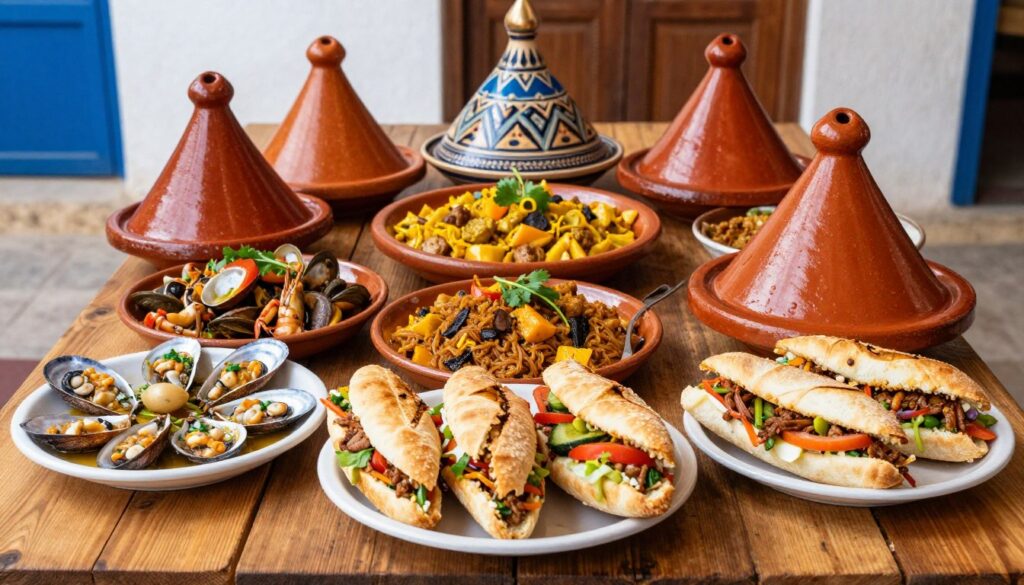
Tetouan serves as a hidden gem for foodies looking for authentic flavors without the usual tourist prices. This city offers a delicious blend of North African traditions mixed with Mediterranean and Spanish influences. You will find that the local kitchens prioritize fresh ingredients and time-honored techniques.
Exploring the food scene here allows you to taste history in every bite. From the salty breeze of the coast to the rich spices of the mountains, the variety is impressive. It is a place where you can eat like a king on a modest budget.
Savoring Tagine, Couscous, and Harira
No culinary trip is complete without trying a traditional moroccan tagine. This slow-cooked stew features tender meats and fresh vegetables. Chefs season it with aromatic spices like cumin, saffron, cinnamon, and preserved lemon to create deep, complex flavors.
You must also try the fluffy traditional moroccan couscous, which has a special place in the culture. Locals typically prepare it on Fridays for the Muslim holy day. It is the best time to taste this dish at its freshest and most authentic.
For a lighter start, hearty harira soup provides a warm, savory hug. This bean and tomato-based soup is a staple in every household. It perfectly balances the tang of lemon with the earthiness of lentils and chickpeas.
Palace Bouhlal Restaurant Experience
For a more elegant meal, visit Palace Bouhlal. The owners restored this former Riad to create a stunning dining environment. It offers a tasting menu that combines Mediterranean recipes with classic local favorites in a stunning historic setting.
The menu often includes juicy lamb kebabs and a variety of small salads. Arab sweets come with traditional mint tea to end the meal on a high note. It is a refined way to explore the culinary heritage of the city while sitting in a palace.
Local Favorites: From Chez Rida to Omar’s Burgers
Eating where the locals eat provides the best cultural immersion and value. For a quick and tasty bite, head to Chez Rida near Place el Mechouar. This popular sandwich shop serves authentic food at the same honest prices the residents pay.
If you want to taste the Spanish influence, visit Chahd Cham on Avenue 10 Mai for a classic bocadillo. For something simple and familiar, Omar’s Burgers sells excellent smashed burgers and small Coke bottles. These spots are famous for doing one thing exceptionally well.
Seafood fans should check out Esquina del Pescado or Restinga for fresh catches from the nearby coast. Later, visit a local café or a patisserie like Avenida or Rahmuni for honey-soaked pastries and almond cookies. Sharing these treats often leads to friendly talks with a local family, making for a truly authentic experience.
Enjoy Panoramic Views and Green Spaces
Finding a peaceful escape is easy when you head to the lush green spaces overlooking the white buildings. These spots provide a much-needed break from the lively energy of the local markets. You can sit back, relax, and watch the daily life of Tetouan unfold from these elevated views.
Feddan Park Terraces
Feddan Park lies just outside the center and acts as a refreshing oasis for travelers. Long ago, this area served as a military esplanade during the Spanish Protectorate. Today, it is a beautifully landscaped public space that blends Spanish Mediterranean and Moroccan design elements.
The upper terraces of the park offer sweeping panoramic views across the entire landscape. From here, you can see the whitewashed houses cascading down the hillside like a snowy waterfall. It is a popular social hub where local families enjoy picnics and children play in the shaded walkways.
Hilltop Viewpoints Around the City
Beyond the park, several hilltop locations provide even more dramatic perspectives of the urban landscape. These stunning vistas reveal the striking contrast between the medina’s organic, maze-like density and the orderly grid of the Spanish quarter. Seeing the city from above helps you appreciate how it sits nestled between the mountains and the sea.
These heights provide a clear look at the historic Kasbah and the surrounding Rif Mountains. Walking to these spots allows you to escape the medina’s heat while catching a cool breeze. You will gain a new appreciation for the compact and walkable layout of this historic site.
Best Times for Stunning Photography
To capture the best experience, you must choose your time carefully. Late afternoon is perfect because soft shadows enhance the architectural textures of the old stone walls. This atmosphere feels magical as the sunlight begins to fade over the horizon.
Sunset transforms the buildings into a warm palette of gold and pink. Morning offers a different kind of clarity, making the mountain peaks stand out against the sky. These panoramic views change throughout the day, ending with the twinkling lights of the city at night.
| Location | Primary Feature | Best Vibe |
|---|---|---|
| Feddan Park | Spanish-Moroccan Gardens | Family Picnics |
| Jbel Dersa Slopes | High Elevation views | Mountain Scenery |
| Medina Rooftops | Organic Textures | Sunset Coffee |
Take Day Trips to Nearby Mediterranean Beaches
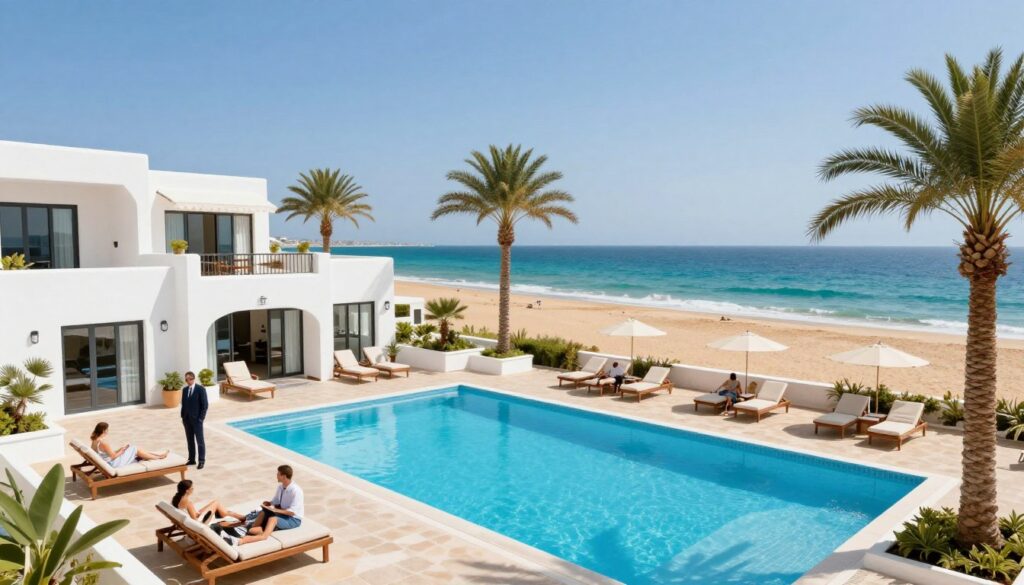
Tetouan serves as the perfect base for travelers who want to pair ancient history with coastal sunshine. Just 15 kilometers from the bustling city, you will find soft sandy shores waiting for you. This proximity makes it easy to plan a quick visit to the water whenever you need a break.
Tamuda Bay and Martil Beach
Tamuda Bay is a stunning stretch along the mediterranean coast known for its clear turquoise water. It offers an upscale vibe that is perfect for unwinding after a fun day trip through the medina. You can lounge on the sand or enjoy water sports in a more exclusive setting.
If you prefer a more local scene, head over to Martil Beach nearby. Moroccan families often gather here for a relaxed, friendly atmosphere. You can enjoy the sea breeze and watch the sunset alongside the locals on summer weekends.
Royal Mansour and Banyan Tree Resorts
For those seeking true luxury, this area boasts some of the finest accommodations in the country. The Royal Mansour Tamuda Bay and Banyan Tree Tamouda Bay provide a world-class experience for every guest. These resorts combine famous Moroccan hospitality with modern, high-end amenities.
Staying at one of these famous spots allows you to enjoy private beach access and top-tier service. It is the ultimate way to pamper yourself during a long day of travel. You will find world-class spas and gourmet dining options right on the water.
Combining City Culture with Coastal Relaxation
Imagine exploring whitewashed alleyways in the morning and swimming in the mediterranean coast by the afternoon. This unique blend makes Tetouan more versatile than inland cities like Fez or Marrakech. You can dine at coastal restaurants serving fresh seafood and local Mediterranean cuisine.
Getting to these spots is effortless by taxi or rental car. A short 20-minute drive is all it takes to switch from ancient history to total relaxation. This balance of culture and coast is all possible within the same day.
Venture Beyond Tetouan: Chefchaouen and the Rif Mountains
Exploring the rugged beauty of northern Morocco is easy when you use Tetouan as your central travel hub. Its strategic location gives you quick access to world-famous destinations and hidden mountain trails. If you have several days to spend in the region, you should plan more than one day trip to see the local diversity.
The Blue Pearl Just 60km Away
A day trip to Chefchaouen is a highlight for most travelers in this part of the world. This famous “Blue Pearl” sits just 60 kilometers away from the white city of Tetouan. You can reach its famous blue-washed alleys in about 1.5 hours by car or bus.
Chefchaouen offers a completely different aesthetic and a much more relaxed mountain atmosphere. You will love wandering through photogenic streets and browsing unique artisan shops. It is a fantastic day trip that provides stunning visual contrasts to Tetouan’s historical medina.
You can choose between organized tours, public buses, or hiring a private taxi for your day trip. Private taxis offer the most flexibility if you want to stop for photos along the mountain roads. Plan your visit during the middle of the week to avoid the largest crowds of tourists.
Hiking in the Rif Mountains
The Rif Mountains surrounding these cities are excellent for those who love the great outdoors. You can take a day trip to hike through traditional Berber villages and terraced farms. These trails offer breathtaking natural scenery and a glimpse into rural Moroccan life.
Hiking provides a refreshing change of pace from the busy urban centers of northern Morocco. You will find that a day trip into the mountains is invigorating and peaceful. It is one of the best ways to spend your days if you enjoy fresh air and exercise.
Cross-Border Trip to Ceuta
For a unique experience, consider a day trip to Ceuta, a Spanish enclave on the coast. This territory offers an interesting cultural contrast with its European architecture and Spanish boulevards. It is an easy day trip from Tetouan that feels like stepping into a different country.
You can enjoy duty-free shopping and Spanish cuisine before returning to the Moroccan side. Keep in mind that this day trip involves a border crossing with passport control. Wait times can vary, so try to start your day trip early in the morning.
Exploring these different cities helps you understand the rich history of the Mediterranean coast. Every day trip from Tetouan adds a new layer to your travel adventure. Make sure to pack your camera and your passport for this memorable day trip across the border.
Visit During Ramadan: What to Expect
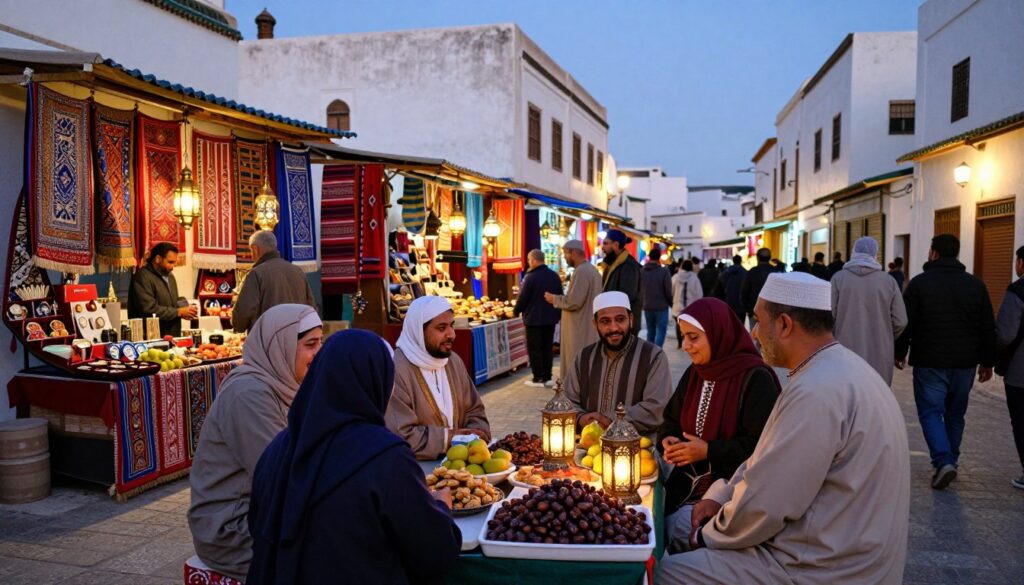
Experiencing Tetouan during Ramadan is like stepping into a different rhythm of life where tradition and spirituality take center stage. You can certainly visit the city during this period, as it offers rare cultural insights that most tourists never see.
During this holy month, Muslims fast from dawn until sunset. This practice fundamentally changes the energy of the streets throughout the day. You might notice that public transport has a slightly reduced frequency at this time.
How the Holy Month Affects Your Visit
The city feels quiet and peaceful in the mornings as locals focus on prayer and reflection. While the pace slows down, the spirit of the community feels much stronger. Patience is key as you navigate these unique cultural shifts.
Restaurant and Shop Hours
Business hours fluctuate significantly during this month compared to the rest of the year. Most shops open late, typically between 11 am and 12 pm, and then close early in the afternoon. They often reopen around 4 pm to serve those preparing for the evening feast.
| Activity Type | Typical Opening | Typical Closing |
|---|---|---|
| Local Shops | 11:00 AM | Late Evening |
| Daytime Dining | Very Limited | Closed |
| Iftar Dinner | 8:30 PM | Midnight |
Finding a place to eat during the day can be a challenge as most local restaurants close their doors. However, dinner service usually begins after 8:30 pm once the fast breaks. Be prepared for a longer waiting time since everyone gathers to eat at the same moment.
Respectful Travel Tips for Non-Muslims
Out of respect for those fasting, avoid eating, drinking, or smoking in public spaces during the day. It is perfectly fine to eat in private areas or with a professional guide. You should also note that alcohol is much harder to find on these days.
The Islamic calendar follows the lunar cycle, causing Ramadan to shift by about ten days every single year. For instance, in 2024, the month spanned from March 11 to April 10. Watching the city come alive for evening events is a highlight of any trip. Every day brings a chance to see the community bond as the day ends with shared meals and joy.
Explore Cultural Heritage Sites Off the Beaten Path
Beyond the bustling souks lie several cultural heritage sites that offer a deeper look into the region’s complex history. These locations tell stories of different cultures living together for centuries. Finding these quiet spots helps you connect with the true heart of Tetouan’s identity.
The Historic Kasbah of Tetouan
The Kasbah of Tetouan stands in the heart of the Moroccan city. This historic fortress reflects the rich cultural heritage of the region. The Marinid dynasty built this structure in the 14th century to protect the area from invasions.
It served as an essential defensive structure and a busy administrative center for the local government. Walking through its ancient walls allows you to see the military architecture that once guarded the residents. It is a peaceful spot that offers a glimpse into Tetouan’s strategic past.
Jewish and Spanish Cemeteries
The Jewish Cemetery of Tetouan is one of the largest in Morocco. It holds more than 20,000 tombs, with some dating back to the 15th century. You will see unique anthropomorphic tombstones that represent the Jewish refugees who arrived from Spain.
The Spanish Cemetery includes both military and civilian sections nearby. The military section houses the graves of soldiers from the Protectorate period. Every family name found here serves as a poignant reminder of the city’s multicultural sites. These grounds show how different communities shaped the city together.
Ensemble Artisanal and Traditional Workshops
For a hands-on experience, visit the Ensemble Artisanal. This government-supported cooperative lets you watch a skilled artisan create beautiful textiles, carpets, and embroidery. It is a fantastic place for a family to learn about wood carvings and traditional leatherwork.
The center offers fixed-price shopping, which makes it ideal for visitors who dislike haggling. It is one of the best sites to find high-quality handmade goods while supporting local masters. You can see the dedication required to maintain these ancient Moroccan crafts.
| Cultural Site | Type of Location | Key Highlight |
|---|---|---|
| The Kasbah | Defensive Fortress | Marinid Architecture |
| Jewish Cemetery | Historical Burial Ground | Anthropomorphic Tombstones |
| Spanish Cemetery | Colonial Burial Site | Military and Civilian Sections |
| Ensemble Artisanal | Craft Cooperative | Live Artisan Workshops |
Conclusion
If you want an authentic escape away from the crowds, this city is the perfect place to land. Tetouan stands out among Morocco’s famous cities as a peaceful and authentic alternative. You can enjoy a deep cultural experience without the stress of a tourist circus.
When you visit Tetouan, you discover a UNESCO world heritage site that feels completely untouched. From the historic medina to the mediterranean coast just 15 kilometers away, there are many things to do. The city offers a unique blend of Andalusian, Berber, and spanish protectorate influences.
This mix creates a special atmosphere unlike other places in northern morocco. Because the area is compact, you can see the main attractions in just a few days. You will still have plenty of time for a day trip to other places.
Whether you love art or history, there are wonderful things to see in these places. It is wise to visit Tetouan now while it still keeps its local charm and hidden attractions. There are so many things to enjoy, from the white streets to the vibrant attractions.
We hope this guide helps you find the best things to do during your stay. Feel free to share your stories about this world heritage site and your favorite day trip to different places with our community! Safe travels!