Portugal’s Most Captivating Castles to Explore
Welcome to your ultimate guide to discovering Portugal’s remarkable stone fortresses. This country boasts a rich history that dates back to 1143 when it became an independent kingdom. Today, you can explore this heritage through incredible castles scattered across the landscape.
The Portuguese countryside is dotted with stunning fortifications that tell stories spanning over a thousand years. Many civilizations have left their architectural mark here. You’ll find everything from Moorish influences to romantic 19th-century palaces.
What makes castle exploration here so special is that many sites offer free admission. This makes experiencing Portugal’s heritage accessible to all travelers. Whether you’re planning your first visit or are a seasoned explorer, this guide will help you navigate the most impressive fortresses.
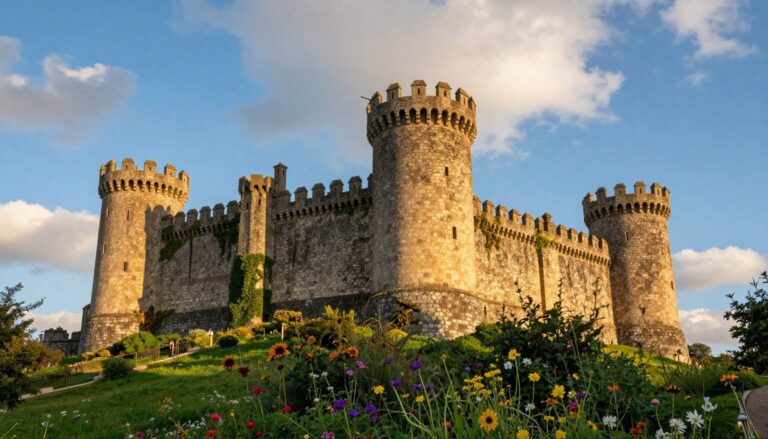
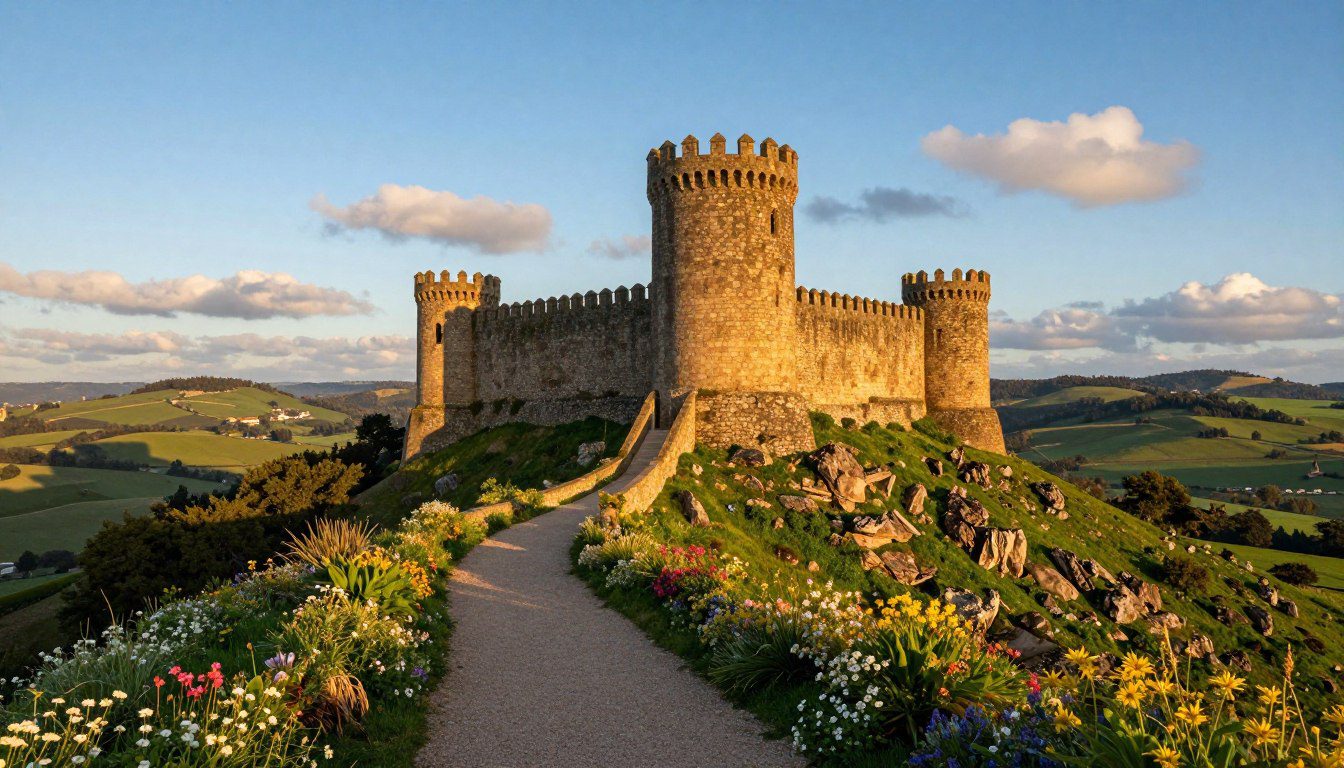
From dramatic hilltop positions to coastal settings, these structures provide more than just historical insight. They offer breathtaking panoramic views that make every visit unforgettable. Get ready to connect directly with the dramatic past of one of Europe’s oldest nations.
Key Takeaways
- Portugal became an independent kingdom in 1143, making it one of Europe’s oldest countries
- The landscape features numerous castles with over 1000 years of history
- Many fortresses are free to visit, making exploration budget-friendly
- Architectural styles range from Moorish influences to 19th-century romantic designs
- Castles offer both historical education and spectacular panoramic views
- This guide provides practical information for planning your castle visits
- Each fortress has unique stories connecting visitors to Portugal’s rich past
Introduction: Journey Through Portugal’s Castle Heritage
Discover how stone fortresses became the backbone of Portugal’s independence story. These remarkable structures tell a tale of survival and sovereignty that shaped the entire country.
An Overview of Portugal’s Storied Past
When the Zamora Treaty was signed in 1143, Portugal emerged as an independent kingdom. Defense against neighboring Spain and Moorish forces required strong fortifications.
Various civilizations left their architectural mark over the centuries. You can trace this rich history through structures dating back more than 1,000 years. Each stone whispers stories from the distant past.
What You Can Expect on Your Castle Adventure
Prepare to encounter diverse architectural styles across different time periods. From coastal defenses to mountain strongholds, each site offers unique perspectives.
Many locations feature original elements that let you physically connect with history. This immersive experience goes beyond what museums can offer visitors.
| Architectural Influence | Time Period | Key Features | Notable Examples |
|---|---|---|---|
| Roman | 2nd-5th Century | Strategic positioning, basic walls | Early defensive foundations |
| Moorish | 8th-12th Century | Geometric patterns, towers | Castle of the Moors |
| Medieval Christian | 12th-15th Century | Keep towers, thick walls | Guimarães Castle |
| 19th Century Romantic | 1800s | Restored elegance, colors | Pena Palace |
Exploring the Most Beautiful Castles in Portugal
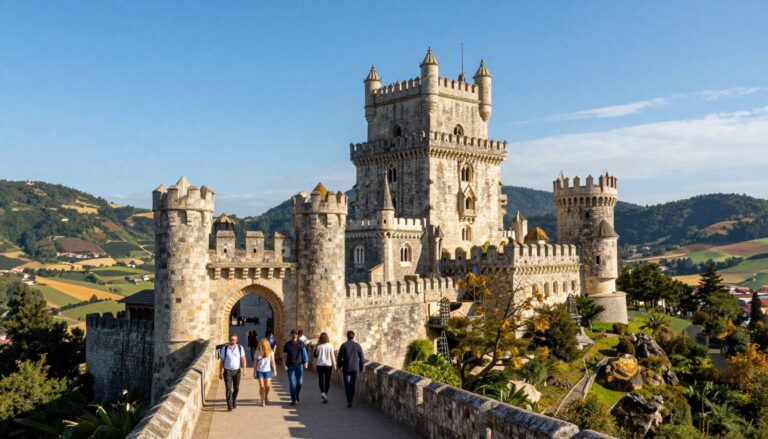
The country’s historic strongholds offer visitors an authentic journey through time and craftsmanship. You’ll discover remarkable diversity across these defensive structures.
From austere medieval designs to romantic 19th-century palaces, each site showcases different architectural periods. This variety makes every visit uniquely fascinating.
Defining the Charm of Historic Fortresses
What makes these structures truly special is their authenticity. Many castle walls and stone constructions remain largely unchanged from their original centuries-old forms.
Unlike heavily commercialized European sites, Portuguese fortresses often grant freedom to explore. You can climb ancient staircases and walk along ramparts without excessive barriers.
Each castle tells its own story through architectural details. Moorish influences appear in arched doorways, while Gothic elements show in pointed towers.
The strategic positioning reveals military thinking across different eras. Hilltop locations and river crossings demonstrate defensive priorities that shaped Portugal’s history.
This relatively open access lets you experience genuine exploration. Walking along ancient stone walls connects you directly with those who once defended these remarkable fortresses.
Pena Palace: A 19th-Century Romantic Marvel
Perched high in the Sintra Mountains, Pena Palace dazzles visitors with its vibrant colors and eclectic design. This UNESCO-protected site represents one of the finest expressions of 19th-century Romanticism in Europe.
Architectural Wonders and Colorful Designs
The palace architecture showcases an extraordinary fusion of styles. Neo-Gothic towers blend seamlessly with Neo-Manueline decorative elements.
King Ferdinand II commissioned this remarkable transformation in the mid-1800s. He turned a 12th-century monastery ruin into a romantic masterpiece.
Visitors encounter lavishly decorated interiors that showcase royal life. The surrounding gardens feature exotic plants from Portugal’s former colonies.
Visitor Tips and Ticket Information
Planning your trip requires advance preparation. The timed entry system implemented in 2022 means you must purchase tickets ahead of your visit.
Buy skip-the-line tickets online for €14 to access both the palace and park. This popular attraction often sells out days in advance during peak season.
The winding road up to the palace can create traffic delays. Consider visiting during early morning or late afternoon for a more magical experience.
From the terraces, you’ll enjoy spectacular views across the Sintra region. On clear days, the panorama stretches from the Atlantic Ocean to Lisbon.
Castle of the Moors: Medieval Fortress and Scenic Vistas
The ancient stone walls of Castelo de Mouros cascade down the mountainside like ribbons of granite, creating one of Portugal’s most dramatic historical sites. This medieval fortress sits atop Sintra’s second-highest peak, offering visitors an unforgettable experience.
Moorish Influences and Construction History
This remarkable castle dates back to the 10th century when Islamic civilizations controlled the Iberian Peninsula. The Moors built this strategic defensive position using ingenious construction techniques.
The fortress incorporates both massive cut granite blocks and natural boulders from Sintra’s landscape. This creates walls that appear to grow organically from the rocky terrain. The engineering has stood the test of time for over a millennium.
Reaching the castle involves a rewarding 45-minute hike through lush, mossy forests. Well-maintained footpaths lead you through enchanting woodland before revealing the fortress. Once inside, you can walk along the preserved stone walls.
The panoramic views encompass the entire Sintra mountain range, Atlantic Ocean, and colorful Pena Palace. Access from Lisbon is straightforward via train or taxi to Sintra village. You can then hike up or take convenient tuk-tuk transport.
Entrance costs €8, with skip-the-line tickets available. This provides excellent value for a castle experience combining significant history with breathtaking scenic vistas.
São Jorge Castle: Overlooking Lisbon’s Timeless Skyline
For over two millennia, São Jorge Castle has dominated Lisbon’s skyline, guarding the city through countless historical chapters. This iconic fortress stands proudly on the capital’s highest hill, offering visitors an unparalleled connection to Portugal’s rich past.
The strategic location provides breathtaking views across Lisbon’s terracotta rooftops and the Tejo River. On clear days, you can even see the distant hills of Arrabida Natural Park.
Historical Significance and Strategic Location
Archaeological evidence reveals this site’s extraordinary depth. Fortifications dating to the 2nd century BC show that Phoenicians, Greeks, Carthaginians, Romans, and Muslims all recognized this hilltop’s defensive value.
The current castle walls and towers primarily date from the 10th and 11th centuries. This was when Lisbon functioned as an important Moorish port before Portugal’s independence.
King Afonso Henriques captured the fortress from the Moors, marking a pivotal moment in the nation’s formation. Today, you can explore ongoing archaeological excavations and a museum documenting this layered history.
Walking along the ancient ramparts at sunset offers perhaps the most iconic views of Lisbon. The €15 entrance fee provides access to one of the capital’s most important historical sites.
Almourol Castle: The Island Fortress Adventure
Your journey to Almourol Castle begins not on land, but with a scenic boat trip to its isolated island home. This medieval fortress creates a dramatic silhouette against the sky, perched on a tiny rock in the middle of the Tejo River.
The castle’s history is profound. An inscription at the entrance dates it to 1171. Records show a fortress called Almorolan existed here even earlier, when Christians arrived in 1129.
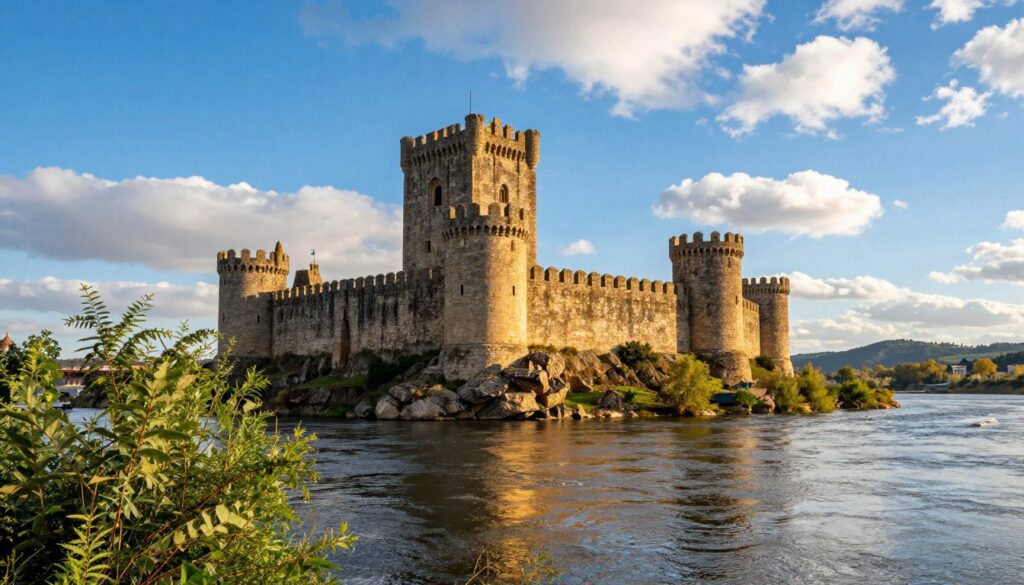
This island stronghold was a key Knights Templar possession. It formed a crucial defensive line with other castles during the Reconquista. Exploring its walls connects you directly to this pivotal era.
Reaching the Castle via Scenic Boat Trips
The adventure starts at the riverbank. You must take a short boat ride to reach the island. These trips add a layer of excitement, making the fortress feel remote and mysterious.
Planning is essential. Boat operating hours change between winter and summer schedules. Service also stops for a two-hour lunch break each day.
Entrance to the castle is free. You only need to purchase inexpensive tickets for the boat journey. It’s a small price for such a unique experience.
| Planning Aspect | Key Consideration | Visitor Tip |
|---|---|---|
| Location & Access | 90-minute drive from Lisbon; 30 minutes south of Tomar | Combine a visit with exploring the Templar history in Tomar. |
| Boat Schedule | Hours vary seasonally; includes a 2-hour lunch break | Check the current timetable online before you travel. |
| Cost | Castle entrance is free; boat ticket required | Bring cash for the boat, as card payment may not be available. |
The combination of water travel and ancient stone makes Almourol an unforgettable stop. It perfectly captures the romantic spirit of Portugal’s historical landscape.
Guimarães Castle: The Birthplace of Portuguese Nation
Standing proudly on its hilltop, Guimarães Castle represents the very heart of Portuguese national identity. This historic fortress earned the town its title as the “Cradle of Portugal” through its deep connection to the nation’s founding story.
Exploring Its 10th-Century Origins
The castle’s remarkable history begins in the late 10th century with Countess Mumadona Dias. This widowed noblewoman established the original defensive structure while governing the County of Portucale.
While the foundations date to this early period, most visible architecture comes from the 13th century. The medieval defenses reflect military thinking from that time. Walking through this fortress lets you touch stones from Portugal’s distant past.
Tips on Navigating the Historic Site
This site offers more visitor-friendly features than many ancient fortresses. Safety barriers and rails help you navigate paths around the high walls. Families particularly appreciate these thoughtful touches.
You’ll find a surprising modern convenience in one tower—vending machines for refreshments. The castle sits just 500 meters from the historic town center. Your walk passes the impressive Duques de Bragança Palace.
Entrance costs only €2, but the combined ticket with the palace offers better value. Guimarães is easily reached by train—40 minutes from Porto or 3.5 hours from Lisbon. This makes an excellent day trip for exploring Portugal’s foundational history.
Monsaraz Castle: Medieval Magic in the Alentejo
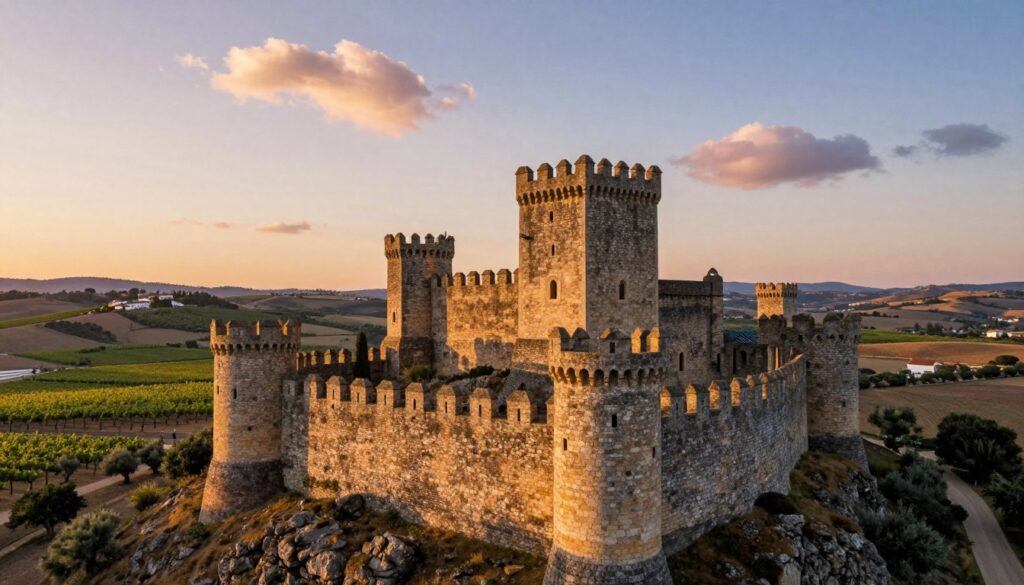
Wandering through slate-cobbled streets leads visitors to a hilltop fortress with breathtaking panoramic vistas. This remote stronghold in the Alentejo region offers an authentic journey back in time.
Stunning Hilltop Views and Sunset Vistas
The castle crowns one end of this enchanting medieval town. From its strategic position high on the hill, you’ll experience endless views across the Alentejo plains.
Sunset transforms the landscape into a golden patchwork. Cork fields, vineyards, and olive groves glow warmly as daylight fades. This magical hour showcases the region’s natural beauty perfectly.
Exploring the handful of atmospheric streets builds anticipation before reaching the fortress. The tiny walled village feels frozen in time with its whitewashed houses.
Entrance is completely free, making this experience accessible to all visitors. However, reaching this remote hill requires planning since public transportation is limited.
The castle sits about 30 minutes from Évora and two hours from Lisbon. Having a car is essential for accessing this remarkable hilltop destination. Plan your visit for days when you can linger and absorb the peaceful atmosphere.
Bragança Castle: A Glimpse into Portugal’s Defensive Past
Nestled in Portugal’s remote northeastern corner, Bragança Castle stands as a testament to medieval military engineering. This impressive fortress dominates the landscape of Tras-os-Montes, the region’s charming capital city.
Unique Architectural Features and On-Site Exhibits
The castle’s architecture showcases serious defensive thinking from Portugal’s past. Built in 1409 on foundations dating to the nation’s first king, it features a 33-meter tall keep surrounded by double walls.
Fifteen defensive towers and three fortified gates complete this formidable structure. Walking across the walls offers eagle-eyed views over quaint cobbled streets and medieval houses.
| Architectural Element | Description | Visitor Experience |
|---|---|---|
| Medieval Keep | 33 meters tall with military museum inside | Climb to top floor for panoramic views |
| Defensive Walls | Double wall system with walkable ramparts | Stomp across walls overlooking the city |
| Citadel Complex | Includes Santa Maria church and Domus Municipalis | Explore narrow medieval streets and homes |
| Location Advantage | Hilltop position overlooking Fervença River | Strategic views of the surrounding landscape |
Reaching Bragança requires a two-hour drive east of Porto or a coach bus journey. The €2 entrance fee provides exceptional value for exploring this complete medieval citadel.
Hidden Gems: More Castles Across Portugal
Beyond the well-trodden paths to famous landmarks, Portugal conceals numerous historical treasures waiting to be discovered. These lesser-known fortresses offer authentic experiences away from crowded tourist sites.
Obidos, Leiria, Trancoso, and Palmela Castles
Óbidos Castle presents a unique opportunity to stay overnight within medieval walls. The charming town surrounding it features cobblestone streets that transport visitors back in time.
Leiria Castle provides wonderful hilltop views of central Portugal. Its strategic position showcases centuries of defensive planning.
Trancoso’s stone walls date back to Roman times, revealing layers of history. Palmela Castle overlooks the stunning Arrabida Natural Park with breathtaking vistas.
Why These Lesser-Known Castles Are Worth a Visit
These hidden gems offer more intimate experiences than popular destinations. You’ll encounter fewer crowds and lower entrance fees.
Many feature annual medieval fairs that bring history to life. Exploring these sites allows you to discover Portugal’s heritage on your own terms.
The region’s diverse castle architecture demonstrates unique approaches from different centuries. Each visit becomes a personal journey through time.
Conclusion
As your exploration of Portugal’s fortified heritage comes to a close, you now possess the knowledge to transform your travel dreams into reality. This guide has equipped you with essential information about remarkable historical sites across the country.
From dramatic hilltop positions to island adventures, each fortress offers unique connections to the past. The diverse architecture tells stories spanning centuries of European history.
Whether planning a short city trip or extended journey, you can confidently navigate Portugal’s defensive wonders. Many sites provide free or affordable access, making heritage exploration accessible to all visitors.
The real magic begins when you walk ancient walls and touch stones that witnessed history unfold. Your personal discovery of these fortresses awaits—start planning your unforgettable trip today.