
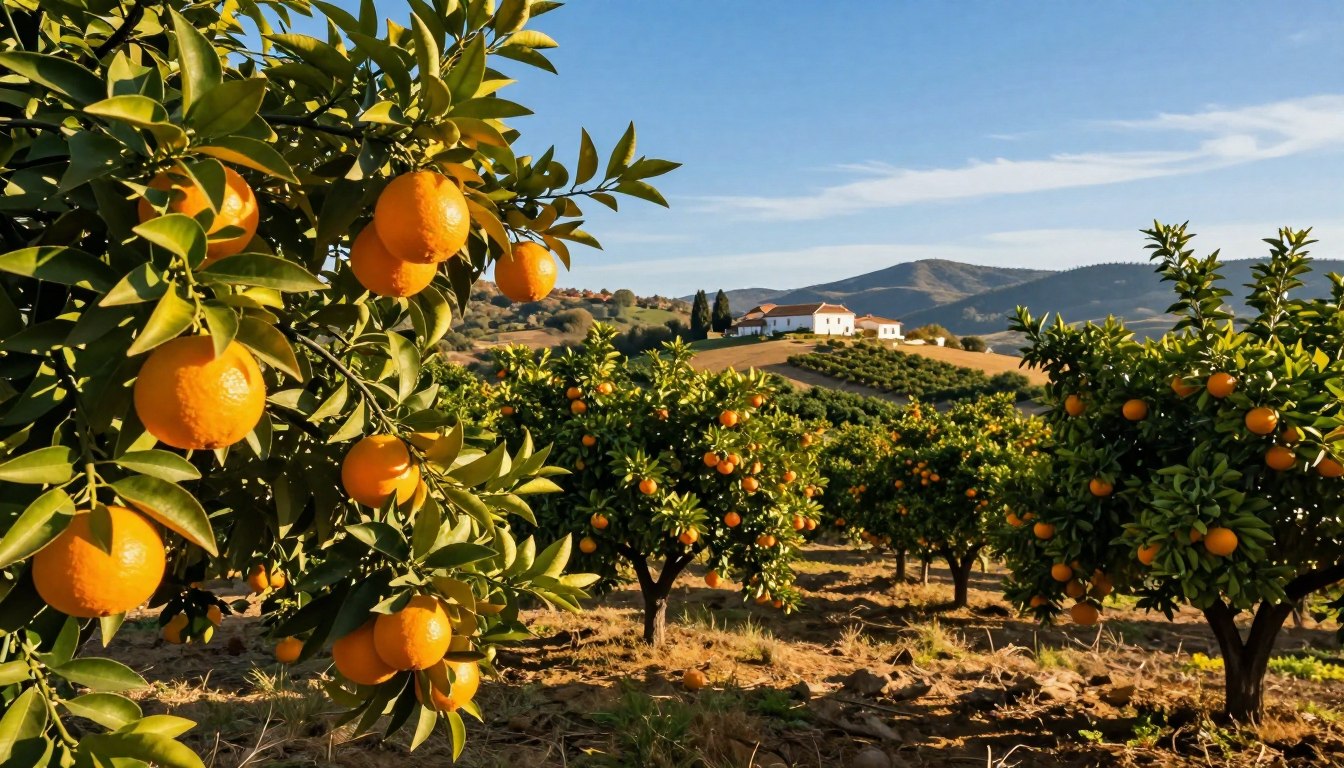
The Captivating Orange Groves of Portugal
Imagine wandering through sun-drenched groves where fragrant blossoms perfume the air. This is the beautiful reality across Portugal’s citrus-growing regions. The country has earned global recognition for its exceptional citrus production.
The story of sweet oranges stretches back centuries. Historical records show these vibrant fruits were first mentioned in Chinese literature around 314 BC. They eventually traveled along ancient trade routes to reach European soil.
Today, these groves represent more than just agriculture. They embody a rich cultural heritage that has evolved over generations. Visitors discover that citrus cultivation forms an integral part of the local identity.
This article explores how Portugal’s unique climate creates perfect conditions for growing delicious citrus varieties. We’ll uncover the fascinating journey from ancient trade to modern cultivation practices.
Introduction to Portugal’s Citrus Paradise
Welcome to a vibrant landscape where lush greenery meets golden sunshine. The Algarve region is the heart of this citrus paradise, home to over 80% of the nation’s groves.
Visitors are greeted by rows of verdant trees, each branch heavy with bright fruit. This warm, Mediterranean climate creates ideal growing conditions.
Local growers have mastered cultivation techniques over generations. Their expertise ensures every harvest meets global quality standards.
This area offers a rare glimpse into agriculture at its finest. It’s a premier destination for anyone passionate about farming science.
The Historical Journey of Citrus in Portugal
Centuries before reaching European shores, the sweet orange’s journey began in ancient Asian civilizations. Historical records from 314 BC mention this vibrant fruit in Chinese literature. It originated in Southern China and Myanmar regions before spreading westward.
During the Arab Agricultural Revolution, these crops traveled to the Iberian Peninsula. By the 10th century, sophisticated irrigation systems supported large-scale cultivation in al-Andalus. Muslim farmers developed advanced techniques that transformed agriculture across the region.
Interestingly, the word for this citrus fruit still reflects its Portuguese connection today. Languages like Romanian use “portocálâ” and Greek uses “portukáli” to name this beloved fruit. This linguistic legacy shows the lasting impact of historical trade routes.
Portuguese merchants played a crucial role during the 15th and 16th centuries. They introduced the sweet orange throughout Mediterranean territories. Before this period, people primarily used the fruit for cooking purposes, much like lemons in modern cuisine.
Orange in Portugal: Heritage and Significance
Few fruits carry as much cultural weight as Portugal’s beloved citrus. These vibrant treasures represent generations of agricultural wisdom and national pride.
Ancient groves tell stories of centuries past. Many trees still standing today witnessed historical developments that shaped modern cultivation practices.
This beloved fruit influences more than just local cuisine. It appears in traditional art forms and supports rural economies through sustainable farming practices.
Local organizations prioritize preserving these living monuments. Their conservation efforts protect both biodiversity and cultural heritage across the region’s orchards.
The economic impact remains vital for farming communities. This enduring legacy continues supporting families while maintaining precious agricultural traditions.
Understanding the Unique Climate and Soil Conditions
What makes the Algarve so special for growing citrus? It’s all about the unique environmental conditions. This region offers a perfect blend of sunshine and warmth that nurtures healthy growth.
The Algarve: A Citrus Haven
With temperatures ranging from 15.5 to 29 degrees Celsius, the Algarve provides ideal conditions for citrus. Abundant sunshine and frost-free winters create a stable environment. Farmers manage water resources carefully to keep trees hydrated during hot summers.
Microclimate Impact on Fruit Quality
The area’s microclimate ensures superior flavor development. Soil quality is monitored to provide essential nutrients. This sustainable approach reduces the need for chemical inputs.
By leveraging natural advantages, growers achieve high-quality fruit production. These factors combine to make the Algarve a premier citrus-growing region.
The Science Behind Citrus Propagation in Portugal
Modern citrus farming blends nature’s surprises with human ingenuity. Growers have mastered techniques that transform random mutations into reliable harvests.
Natural Mutations and Parthenocarpy: The Seedless Phenomenon
A fascinating discovery in the 1870s changed citrus farming forever. A natural mutation produced the first seedless navel variety in Brazil.
This miracle occurs through parthenocarpy. The fruit develops without fertilization, creating those convenient seedless treats we love.
Grafting Techniques: Ensuring Quality and Disease Resistance
Grafting connects two plant parts to create superior trees. Farmers attach a scion to a hardy rootstock.
This technique boosts disease resistance and maintains consistent fruit quality. Each plant inherits the best traits from both parents.
Grafted trees start producing within three to four years. They reach peak productivity between 10 and 40 years of age.
This scientific approach protects crops while delivering exceptional flavor.
Varieties of Oranges Cultivated
Portuguese growers cultivate an impressive range of citrus varieties that delight consumers worldwide. Each type offers distinct flavors and characteristics that suit different preferences and uses.
Farmers carefully select varieties based on specific criteria. They consider harvest time, fruit size, and suitability for fresh eating or processing.
Navel Oranges: The Seedless Wonder
The navel orange remains highly prized for its convenient seedless nature. Its name comes from the characteristic “twin” fruit formation at the blossom end.
This variety features easy-to-peel skin and sweet, juicy segments. It’s perfect for fresh consumption and snacks.
Valencia and Other Late Varieties
Valencia oranges represent a popular late-season choice. Thomas Rivers first cataloged this bright-colored variety back in 1865.
These fruits are known for their excellent juice quality and vibrant flavor. They mature later than many other citrus types.
The Cara Cara offers a unique twist with its pinkish-red flesh. This hybrid variety discovered in 1976 features low acidity levels.
Clementines, a type of mandarin, provide sweet flavor and easy peeling. Their smaller size makes them ideal lunchbox treats.
| Variety | Discovery Year | Key Feature | Primary Use |
|---|---|---|---|
| Navel | 1870s | Seedless | Fresh eating |
| Valencia | 1865 | Juice quality | Processing |
| Cara Cara | 1976 | Pink flesh | Fresh eating |
| Clementine | 1902 | Easy peeling | Snacks |
These diverse varieties demonstrate the region’s commitment to quality citrus production. Each brings something special to markets and tables around the world.
Cultural and Artistic Impact of Oranges
The brilliant hue of citrus fruit has captivated creative minds across centuries. Artists began using “orange” as a colour name in English back in 1512.
This vibrant fruit appears in artworks from ancient Chinese scrolls to European masterpieces. Its presence often symbolized prosperity and natural beauty within domestic settings.
The journey of this beloved food reflects through language evolution. Many cultures adopted variations of the word as the fruit traveled from Asia.
Modern festivals celebrate this cultural legacy across growing regions. Communities honor harvest traditions that connect people to their agricultural heritage.
These celebrations reinforce the bond between land and culture. They keep artistic traditions alive through generations.
Nutritional Benefits and Phytochemicals in Oranges
Each juicy segment of this citrus treasure delivers an impressive array of vitamins and beneficial compounds. These vibrant fruits offer more than just refreshing flavor—they pack a nutritional punch.
Consuming fresh oranges provides a significant boost to daily nutrition. Just 100 grams delivers 59% of your recommended Vitamin C intake. This essential nutrient supports immune function and overall wellness.
The complex taste experience comes from a perfect balance of natural sugars and acids. This varies by variety and ripeness level, creating unique flavor profiles.
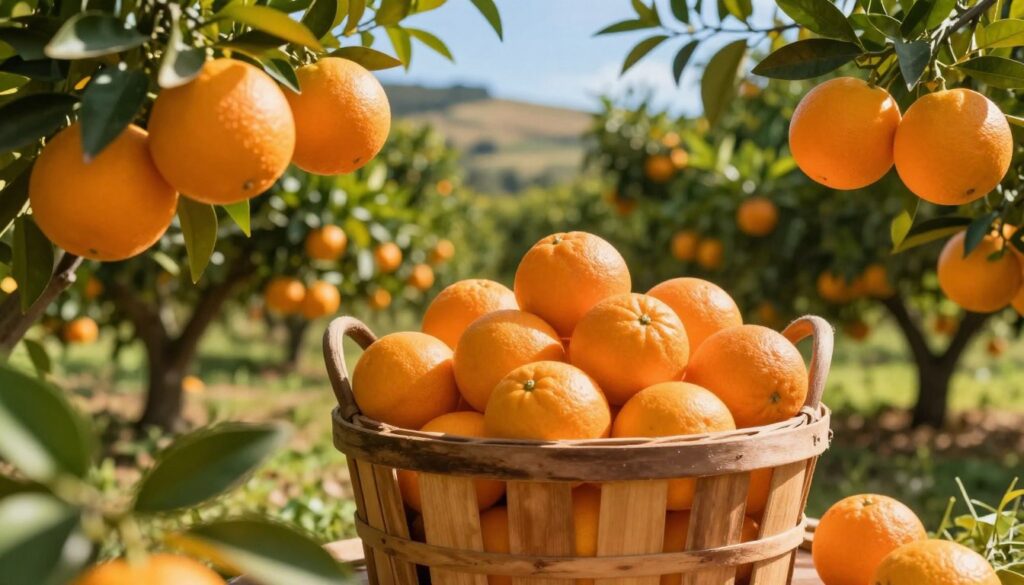
Beyond vitamins, these citrus gems contain valuable phytochemicals like flavonoids and carotenoids. These compounds contribute to the overall health benefits of orange juice and fresh fruit.
The refreshing nature of citrus juice makes it a dietary staple for many. It provides essential hydration and nutrients year-round.
Scientific research continues highlighting how these natural compounds support healthy lifestyles. They help prevent various common health issues through their antioxidant properties.
Harvesting Techniques and Seasons
Determining the ideal picking moment requires both scientific precision and farmer intuition. The harvest season represents a critical period when growers must carefully assess each fruit’s readiness.
Timing and Ripeness: When to Pick
Farmers carefully examine the skin to find the perfect shade that signals peak maturity. This time is crucial because citrus doesn’t ripen further after picking.
Proper timing ensures the sugar-to-acid ratio reaches its optimal balance. This creates the best flavor experience for consumers who enjoy fresh oranges.
Modern Harvesting Methods: Mechanical Shakers
Advanced technology has transformed traditional harvesting practices. Modern mechanical shakers gently remove fruit using specialized tines that measure 6 to 7 feet long.
These machines operate at constant frequencies to minimize damage to the delicate fruit. This efficient approach protects the quality of the harvest while increasing productivity.
Innovations in Storage and Degreening Processes
Modern technology keeps citrus fresh longer than ever before. Advanced storage methods maintain quality from grove to market.
Commercial facilities use controlled-atmosphere chambers for optimal preservation. These systems regulate temperature and gas levels precisely. They can extend shelf life up to twelve weeks.
The degreening process enhances fruit appearance without affecting taste. Often called “gassing,” this treatment improves external color. It leaves internal quality and juice content unchanged.
Proper storage maintains fresh fruit supply during peak demand. This is especially important for high-quality juice production.
At home, citrus keeps well for about one month. Store them in a cool, dry location for best results.
| Storage Type | Duration | Temperature | Key Feature |
|---|---|---|---|
| Commercial CA | 12 weeks | Controlled | Gas regulation |
| Home Storage | 4 weeks | Cool & dry | Simple placement |
| Refrigerator | 6 weeks | 4°C (39°F) | Humidity control |
These innovations significantly reduce post-harvest waste. More crops reach consumers in perfect condition thanks to modern handling.
Economic Impact of Orange Groves on Regional Growth
Local farming communities thrive thanks to citrus cultivation. Each mature tree yields between 200 and 350 fruits annually. This steady production creates economic stability across the region.
Local Farming Practices and Market Trends
Hardworking farmers form the backbone of this agricultural economy. Their expertise ensures high-quality harvests year after year.
Smart crop management adapts to global market demands. Sustainable practices boost yields while protecting the environment.
Investments in trees maintenance guarantee decades of productivity. These efforts provide stable jobs for rural communities.
Growing demand for premium citrus drives innovation. Farmers continuously improve their methods to meet quality expectations.
| Economic Factor | Annual Impact | Community Benefit |
|---|---|---|
| Tree Productivity | 200-350 fruits | Stable income |
| Employment | Year-round jobs | Rural development |
| Market Demand | Growing globally | Higher profits |
These collective efforts establish the region as a world leader. Premium citrus exports bring recognition and prosperity.
Exploring the Global Influence of Portuguese Oranges
Citrus production reached an impressive 76 million tonnes worldwide during 2022. This remarkable harvest reflects growing global demand for these nutritious fruits.
Historical trade routes established centuries ago laid the foundation for today’s markets. Early merchants from this Iberian nation played a crucial role in spreading sweet varieties across continents.
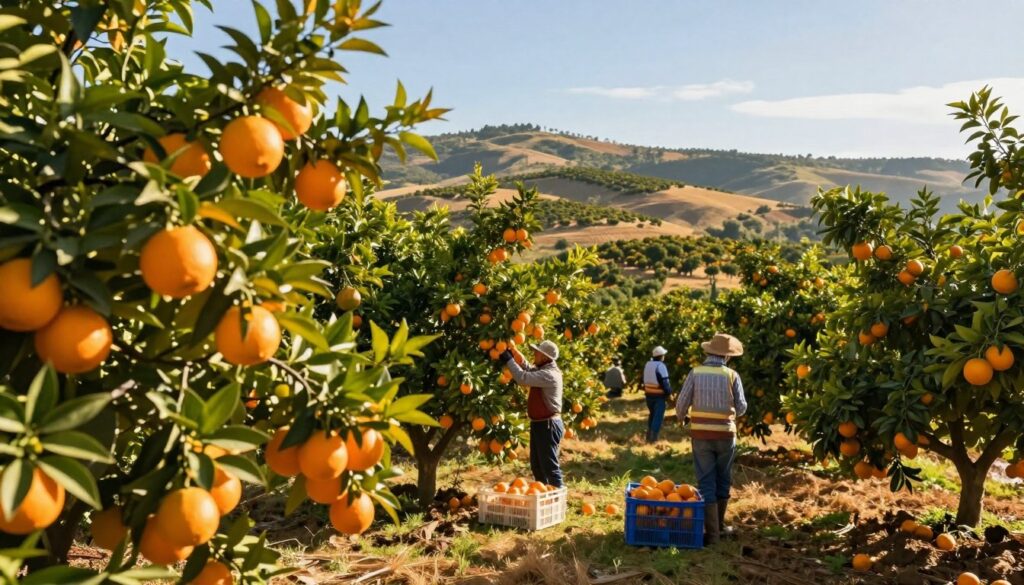
Modern cultivation standards set by Portugal continue influencing international practices. The country maintains superior quality benchmarks that others strive to match.
International markets consistently seek out these premium products. Their reputation for excellent flavor and nutritional value remains unchallenged.
| Year | Global Production | Portugal’s Contribution | Market Position |
|---|---|---|---|
| 2022 | 76 million tonnes | Major exporter | Quality leader |
| 2021 | 74 million tonnes | Significant share | Premium supplier |
| 2020 | 72 million tonnes | Growing exports | Recognized excellence |
This lasting legacy demonstrates how one region’s agricultural heritage can shape worldwide food culture. The journey from local groves to global tables continues inspiring farmers everywhere.
The Role of Orange Groves in Sustainable Agriculture
Citrus groves represent a cornerstone of modern sustainable farming practices. These agricultural systems prioritize environmental health while maintaining productive yields. Through careful management, farmers create ecosystems where nature and cultivation work harmoniously.
Water conservation stands as a critical focus for these operations. Efficient irrigation systems deliver precise hydration directly to plant roots. This approach significantly reduces waste while supporting healthy tree development.
Natural pest control methods protect groves without synthetic chemicals. Beneficial insects and companion planting create balanced environments. These techniques safeguard both crop quality and surrounding biodiversity.
Soil preservation practices maintain long-term fertility for all plant species. Cover crops and organic matter replenish essential nutrients naturally. Healthy soil supports robust tree growth season after season.
These groves function as valuable carbon sinks within their regions. They absorb atmospheric carbon while producing oxygen through photosynthesis. This dual role makes them environmental assets beyond their agricultural value.
Future-proofing strategies embrace innovative technologies and traditional wisdom. Drip irrigation, soil moisture sensors, and integrated pest management represent forward-thinking approaches. These methods ensure sustainable production for generations to come.
The commitment to ecological balance extends beyond individual farms. Regional cooperation creates wildlife corridors and protects watersheds. This collective effort demonstrates agriculture’s potential for positive environmental impact.
Seasonal Guide to Enjoying Oranges
Timing is everything when seeking the perfect citrus experience. Understanding seasonal patterns ensures you enjoy these fruits at their flavorful peak.
Best Months for Fresh Citrus
The ideal months vary significantly by variety. Winter brings sweet navels while summer offers juicy Valencias.
This seasonal rotation provides year-round availability. Consumers can always find fresh options at markets.
Culinary Uses and Delicious Recipes
Fresh-squeezed juice delivers the brightest flavor and taste. The zest adds vibrant notes to both sweet and savory dishes.
Traditional recipes showcase incredible versatility. From marmalades to main courses, citrus enhances every meal.
| Variety | Peak Season | Best Use | Flavor Profile |
|---|---|---|---|
| Navel | Dec-Feb | Fresh eating | Sweet, seedless |
| Valencia | May-Aug | Juicing | Tangy, juicy |
| Cara Cara | Dec-Apr | Salads | Berry-like |
| Clementine | Nov-Jan | Snacks | Sweet, easy-peel |
This seasonal guide helps maximize your culinary enjoyment. Perfect timing guarantees the best flavor experience.
The Scientific Evolution of Citrus Through Genomics
Modern science has unlocked fascinating secrets about our favorite fruits. Genetic research reveals how citrus varieties developed over centuries.
Genomic studies show the sweet type is actually a complex hybrid. It contains about 42% pomelo and 58% mandarin in its ancestral makeup.
This scientific development helps create better fruit trees. Researchers analyze DNA to understand which traits make plants more resilient.
Scientists can predict how these trees will handle future climate changes. This knowledge leads to stronger plants that resist disease.
Ongoing genetic research keeps the industry innovative and sustainable. Farmers benefit from these advanced scientific discoveries.
| Research Focus | Key Finding | Agricultural Benefit |
|---|---|---|
| Genetic Ancestry | 42% pomelo, 58% mandarin | Understanding hybrid origins |
| Trait Analysis | Identifies resilient characteristics | Better tree development |
| Climate Adaptation | Predicts environmental responses | Future-proofs cultivation |
These breakthroughs ensure high-quality harvests for years to come. The future of farming looks bright thanks to genomics.
Conclusion
Our journey through this vibrant world of citrus cultivation reveals a remarkable story. From ancient trade routes to modern groves, these fruits have shaped landscapes and cultures.
Dedicated farmers master every detail of this crop’s life cycle. They select the perfect rootstock and create ideal growing conditions. Their work ensures superior quality fruit reaches your table.
Innovations in storage and handling maintain freshness for months. Scientific development continues to protect trees from disease and climate challenges.
The bright colour and refreshing taste make citrus a beloved food worldwide. Whether enjoying fresh juice or exploring a grove, we celebrate this enduring bond between nature and humanity.